Selecting the Ideal Intraocular Lens for Your Vision
A comprehensive guide to understanding IOL options for cataract surgery and achieving your best vision outcomes.
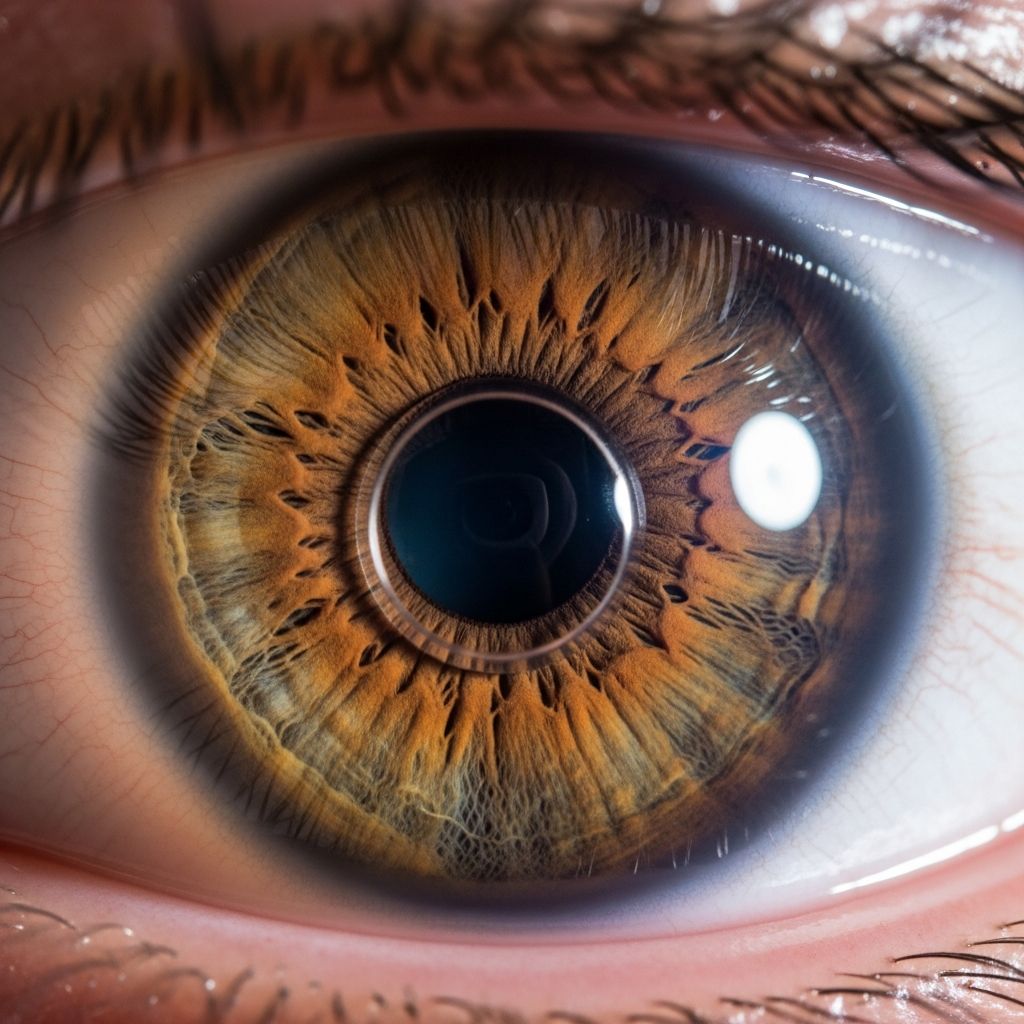
Cataract surgery represents one of the most frequently performed surgical procedures worldwide, with millions of patients regaining clear vision each year. A critical component of this procedure involves selecting an appropriate intraocular lens (IOL) to replace the eye’s clouded natural lens. The choice of IOL significantly impacts your visual outcomes, lifestyle compatibility, and potential dependence on corrective eyewear following surgery. Understanding the various IOL options available allows you to work collaboratively with your eye care specialist to select a lens that aligns with your visual priorities and daily activities.
Understanding Intraocular Lenses and Their Purpose
An intraocular lens is a surgically implanted artificial lens designed to restore focusing ability after cataract removal. Modern IOLs are permanent implants that become part of your eye and require no maintenance or replacement. These lenses serve to correct various refractive errors while simultaneously treating cataracts, potentially reducing your dependence on glasses or contact lenses.
The material composition of IOLs has evolved significantly over the years. Early IOLs utilized PMMA (polymethyl methacrylate), a rigid material requiring larger surgical incisions for implantation. Contemporary IOLs typically employ silicone or acrylic materials, which offer superior flexibility and enable smaller incisions, resulting in faster healing and reduced surgical trauma. Hydrophobic acrylic IOLs have gained particular prominence due to their biocompatibility and reduced likelihood of developing posterior capsule opacification, a common post-surgical complication.
Monofocal Lenses: Foundational Vision Correction
Monofocal intraocular lenses represent the most commonly implanted IOL type worldwide and have been the standard offering in cataract surgery for decades. These lenses provide clear vision at a single focal distance—either near, intermediate, or distance vision—functioning similarly to single-vision eyeglass lenses.
The primary advantage of monofocal lenses lies in their optical simplicity. Because all incoming light focuses to a single point rather than being split among multiple zones, monofocal lenses deliver the highest possible image quality and contrast sensitivity. Patients with monofocal implants typically experience minimal visual disturbances such as glare or halos, particularly in low-light conditions.
Monofocal lenses are typically covered by insurance as a standard lens option, making them an economically accessible choice for many patients. However, depending on which focal distance you select during surgery, you may still require glasses for certain visual tasks. A patient choosing distance focus will need reading glasses for near work, while someone opting for near vision may need glasses for driving or watching television.
Recent advancements have produced enhanced monofocal IOLs that maintain the optical clarity of conventional monofocal designs while providing improved intermediate vision. This enhancement addresses the middle distance zone (typically 24-30 inches), which is crucial for computer work and dashboard viewing.
Multifocal Lenses: Expanding Your Range of Clear Vision
Multifocal intraocular lenses employ a fundamentally different optical design to address presbyopia—the age-related inability to focus at multiple distances. Rather than optimizing vision at a single focal point, multifocal lenses use concentric rings within the lens that divide incoming light into multiple focal points simultaneously, allowing clear vision at near, intermediate, and distance ranges.
Related Stories



The primary benefit of multifocal lenses is substantially reduced dependence on corrective eyewear. Many patients with multifocal implants achieve spectacle independence, performing most daily activities without glasses. For individuals who value visual freedom and minimal reliance on eyewear, multifocal lenses represent a compelling option.
Multifocal lens technology has undergone eight iterations of refinement, with current-generation lenses delivering improved visual quality compared to earlier versions. Research indicates that for patients specifically seeking near vision correction, trifocal IOLs—an advanced multifocal variant—demonstrate superior visual acuity and spectacle independence at near distances compared to other IOL categories.
However, multifocal lenses involve optical compromises. The division of light among multiple focal zones means that less light focuses at any single point, potentially resulting in reduced contrast sensitivity. Additionally, some patients experience visual phenomena such as glare, halos around lights, or difficulties with night driving. These visual disturbances typically improve as patients adapt to their new lenses, though adaptation may require several weeks to months.
Toric Lenses: Correcting Astigmatism During Cataract Surgery
Astigmatism, an irregular corneal shape that causes blurred vision at all distances, affects a significant portion of the population undergoing cataract surgery. Toric intraocular lenses are specifically engineered to address astigmatism while simultaneously treating cataracts in a single surgical procedure.
Traditional cataract surgery without toric lens correction addresses only the cataract, leaving pre-existing astigmatism uncorrected. This means patients would still require glasses or contact lenses to correct astigmatism after surgery. Toric lenses eliminate this limitation by incorporating a cylindrical power component that corrects the irregular corneal curvature.
Toric lenses are available in both fixed and adjustable configurations. Adjustable toric IOLs offer the additional advantage of post-operative refinement, allowing ophthalmologists to optimize the lens axis position using non-invasive light-based adjustments during the weeks following surgery. This capability can enhance refractive outcomes for patients with moderate to high astigmatism.
Toric lenses can be combined with multifocal or extended depth of focus (EDOF) technologies, providing patients with astigmatism access to the same spectacle-reduction benefits available to non-astigmatic patients. However, toric IOLs typically cost more than standard monofocal lenses and provide no benefit to patients without significant astigmatism.
Extended Depth of Focus Lenses: Balanced Vision Across Distances
Extended depth of focus (EDOF) lenses represent an intermediate category, occupying a position between traditional monofocal lenses and multifocal lenses in terms of functional range and visual quality. EDOF lenses employ a distinct optical design featuring two primary optical zones rather than the concentric ring pattern of multifocal lenses.
This alternative design creates an elongated focal range while maintaining a larger central optical zone. The larger central zone significantly reduces the incidence of visual side effects such as glare and halos, which are more common with multifocal designs. EDOF lenses provide substantially extended vision range compared to monofocal lenses, yet patients typically require glasses less frequently than those with multifocal implants.
EDOF lenses represent an excellent choice for several patient populations. Individuals with larger angle alpha measurements (a structural feature of the eye) or those with more complex corneal characteristics can benefit from EDOF technology when seeking extended vision range. Additionally, patients concerned about visual side effects but desiring reduced spectacle dependence often achieve favorable outcomes with EDOF lenses.
Like toric lenses, EDOF technology is available in both fixed and adjustable options, providing flexibility in achieving optimal refractive outcomes. Comparative research suggests that EDOF IOLs demonstrate strong unaided intermediate vision performance, with some studies indicating superior intermediate spectacle independence compared to standard monofocal lenses.
Comparative Performance and Visual Outcomes
| IOL Type | Distance Vision | Intermediate Vision | Near Vision | Spectacle Dependence |
|---|---|---|---|---|
| Monofocal | Excellent | Poor | Poor | High (for near or intermediate) |
| Enhanced Monofocal | Excellent | Good | Poor | Moderate (for near) |
| Multifocal/Trifocal | Good | Excellent | Excellent | Low (potential for spectacle independence) |
| EDOF | Excellent | Excellent | Good | Low-Moderate |
Factors to Consider When Selecting Your IOL
Choosing the most appropriate IOL requires careful consideration of multiple personal factors. Your lifestyle and visual priorities should be paramount in this decision-making process.
- Professional requirements: Individuals whose work demands precise near vision (such as jewelers, surgeons, or drafters) may prioritize different focal capabilities than those whose professions emphasize distance vision.
- Hobbies and recreational activities: Avid readers, computer professionals, and golf enthusiasts have different visual requirements that should influence lens selection.
- Tolerance for visual phenomena: Your comfort level with potential glare, halos, or slight contrast reduction should factor into multifocal versus EDOF decisions.
- Driving conditions: Patients who frequently drive at night should discuss how different IOL types might affect their night-driving experience.
- Pre-existing eye conditions: Conditions such as macular degeneration or diabetic retinopathy may make certain IOL types less suitable.
- Financial considerations: Insurance coverage varies, with standard monofocal lenses typically covered while premium options may require out-of-pocket expenses.
- Refractive history: Previous LASIK or other refractive surgery may influence IOL selection and outcomes.
The Role of Your Eye Care Specialist in IOL Selection
Your ophthalmologist plays a crucial role in guiding you toward the optimal IOL for your unique circumstances. During your cataract surgery consultation, your eye care specialist will perform detailed measurements of your eye, assess your corneal shape and any astigmatism present, evaluate your overall eye health, and discuss your visual priorities and lifestyle.
Advanced diagnostic technologies such as corneal topography and optical biometry provide precise measurements that inform IOL power calculations and help predict post-operative outcomes. Your surgeon will also review your visual history and any previous eye surgeries, as these factors significantly influence which IOL types will perform optimally for you.
This collaborative consultation process ensures that your IOL selection aligns with realistic expectations regarding spectacle dependence, visual quality, and adaptation timeline. Do not hesitate to ask questions about specific IOL options, potential visual side effects, adaptation periods, and any concerns regarding your particular circumstances.
Frequently Asked Questions About IOL Selection
Will I need glasses after cataract surgery?
This depends on your IOL choice and your eye’s refractive characteristics. Monofocal lenses typically require glasses for either near or intermediate vision. Multifocal and EDOF lenses significantly reduce spectacle dependence, though some patients may still need glasses for specific tasks or lighting conditions. Your surgeon can discuss realistic expectations based on your individual situation.
Can IOLs be adjusted or replaced if I’m unhappy with my choice?
Some newer adjustable IOL technologies allow post-operative refinement during the healing period. However, IOL replacement would require additional surgery. This underscores the importance of thoroughly discussing your options before your initial procedure.
How long do IOLs last?
IOLs are permanent implants designed to last a lifetime. They require no maintenance or replacement unless complications develop, which is rare with modern lens materials and surgical techniques.
What is the recovery timeline after IOL implantation?
Most patients experience significantly improved vision within days to weeks of surgery. However, complete stabilization of vision may take six to twelve weeks. Patients with multifocal lenses may experience a longer adaptation period as the brain adjusts to the new focusing pattern.
Can I have different types of IOLs in each eye?
Yes, monovision approaches using different IOL types or focal points in each eye are sometimes employed. However, this requires careful discussion with your surgeon to ensure visual comfort and balance.
Conclusion: Partnering in Your Visual Future
The evolution of IOL technology has transformed cataract surgery from a procedure that simply restores basic sight into an opportunity to optimize your overall visual function. Whether you prioritize maximum visual clarity with minimal side effects, desire spectacle independence across multiple distances, or require correction of astigmatism, an appropriate IOL option exists to match your needs.
The key to successful outcomes lies in having frank conversations with your eye care specialist about your lifestyle, visual priorities, and realistic expectations. By understanding the strengths and limitations of each IOL category and how they align with your individual circumstances, you can approach your cataract surgery with confidence, knowing that your lens selection supports your vision goals for years to come.
References
- Comparative efficacy and safety of all kinds of intraocular lenses in cataract surgery — National Center for Biotechnology Information (NCBI/PubMed Central). 2024. https://pmc.ncbi.nlm.nih.gov/articles/PMC11020619/
- What Types of Lens Implants Are Used in Cataract Surgery? — Cherry Creek Eye. 2024. https://cherrycreekeye.com/what-types-of-lens-implants-are-used-in-cataract-surgery/
- Intraocular Lenses (IOLs): Types and differences — 2EyesVision. 2024. https://www.2eyesvision.com/intraocular-lenses-iols-types/
- Choosing the Right Intraocular Lens for Your Cataract Surgery — Philly Eye. 2024. https://www.phillyeye.com/choosing-the-right-intraocular-lens-for-your-cataract-surgery/
- Which is the Best Lens for Cataract Surgery in 2025? — Eye Docs NJ. 2025. https://www.eyedocsnj.com/post/which-is-the-best-lens-for-cataract-surgery-in-2025
- Comparing Effectiveness of Intraocular Lenses for Cataract Surgery and Lens Replacement — U.S. Department of Veterans Affairs Health Services Research & Development. 2024. https://www.hsrd.research.va.gov/publications/management_briefs/default.cfm
- IOLs (Intraocular Lens): Pros and Cons — Cleveland Clinic. 2024. https://my.clevelandclinic.org/health/articles/25099-iols-intraocular-lenses
Similar Articles








Read full bio of Sneha Tete