Selenium Benefits: Health, Immune Support & More
Discover selenium's powerful health benefits for immunity, heart health, and cellular protection.
Selenium Benefits: Understanding This Essential Trace Mineral
Selenium is an essential trace mineral that plays a critical role in maintaining optimal health and supporting various biological processes throughout your body. Although your body requires only small amounts of this powerful nutrient, selenium’s importance cannot be overstated. This mineral acts as a cornerstone for numerous physiological functions, from bolstering immune defenses to protecting your cells from damage. Understanding selenium’s benefits can help you make informed decisions about your nutrition and overall wellness strategy.
The human body requires approximately 55 micrograms of selenium daily for optimal function, making it essential to ensure adequate intake through diet or supplementation when necessary. Despite its importance, many people remain unaware of how this trace mineral influences their health. Research demonstrates that selenium deficiency increases the risk of various serious health conditions, including cardiovascular disease, certain cancers, and inflammatory disorders.
Antioxidant Defense and Cellular Protection
One of selenium’s most significant functions is its role in antioxidant defense. Selenium helps your body produce special proteins called antioxidant enzymes that work tirelessly to prevent cellular damage caused by free radicals and oxidative stress. Free radicals are unstable molecules that can damage cells and accelerate aging processes. By supporting your body’s natural antioxidant systems, selenium provides comprehensive cellular protection.
Research shows that increased plasma selenium concentrations in healthy individuals enhance their overall antioxidant status. This protective effect becomes increasingly important as people age, since serum selenium concentrations naturally decline with advancing years. The antioxidant properties of selenoproteins—proteins that require selenium for their formation—offer dual benefits by providing both antioxidant and anti-inflammatory activities.
Studies demonstrate that adequate selenium intake helps protect your body from oxidative stress-induced damage, which is linked to numerous chronic diseases and accelerated aging. By maintaining healthy selenium levels, you’re essentially investing in your body’s long-term defense system against cellular deterioration.
Immune System Support and Enhanced Defense
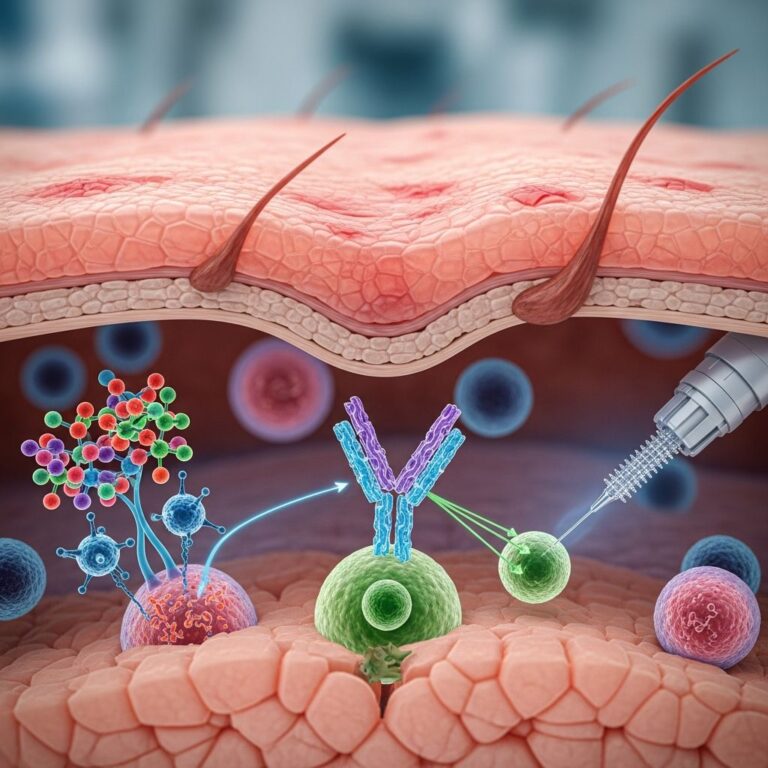
Selenium is absolutely vital for proper immune system function. Research consistently shows that selenium supports a healthy immune response by helping control inflammation and enhancing your body’s ability to fight infections. This mineral plays a crucial role in how immune cells communicate, manage stress responses, and combat pathogens.
The immune-boosting mechanisms of selenium are multifaceted:
- Enhances non-specific immunity through macrophages and neutrophils
- Strengthens specific immunity via T and B lymphocytes
- Boosts natural killer (NK) cell activity and proliferation
- Increases cytokine expression and interferon secretion
- Promotes lymphocyte proliferation in response to immune challenges
- Enhances vaccine-induced immunity
Research demonstrates that selenium supplementation raises plasma selenium levels and enhances the body’s exchangeable selenium pool, leading to improved immune cell function. In elderly populations, increased serum selenium levels are positively associated with higher numbers and activity of NK cells, which are crucial for fighting infections and cancer cells. Selenium deficiency, by contrast, results in significant immune system dysfunction that can compromise your body’s ability to protect itself against illness.
Related Stories



Heart Health and Cardiovascular Protection
Cardiovascular health represents another critical area where selenium demonstrates significant benefits. Research shows that people with higher levels of selenium in their blood have a lower chance of heart failure and death compared to those with low levels of this mineral. This connection is particularly important for vulnerable populations, as studies reveal that selenium deficiency is especially common among people with heart failure, particularly older women and those who smoke.
Selenium supplementation has been shown to favorably affect cholesterol profiles. Studies indicate that selenium supplements providing 100 to 200 micrograms daily lowered total plasma cholesterol by an average of 8.5 to 9.7 milligrams per deciliter and non-HDL cholesterol by 7.7 to 10.4 mg/dL, while 300 micrograms daily increased beneficial HDL levels.
The cardiovascular benefits of selenium extend beyond cholesterol management. This mineral supports heart function through its role in selenoprotein production and its antioxidant and anti-inflammatory properties. Chronic selenium deficiency has been linked to worse cardiovascular symptoms and health outcomes, making adequate intake essential for those concerned about heart disease prevention.
Brain Health and Cognitive Function
Selenium plays an essential role in maintaining and protecting brain function. The mineral helps create selenoproteins, which are essential for how your brain works. These specialized proteins support neural function and help protect against neurodegenerative processes.
The cognitive benefits of selenium include:
- Support for memory and mental clarity through selenoprotein production
- Protection against oxidative stress in brain tissue
- Reduction in risk factors for neurodegenerative diseases
- Enhancement of cognitive scores in older adults with higher selenium intake
- Potential support for Alzheimer’s disease management
Research demonstrates that selenium’s antioxidant properties fight cell damage that may worsen serious brain and nervous system diseases such as Parkinson’s disease, Alzheimer’s disease, and multiple sclerosis. Analysis of national health data showed that higher whole blood selenium concentrations and higher selenium intakes were associated with significantly higher cognitive scores in older adults. Additionally, chronic selenium deficiencies are correlated with cognitive decline, making adequate intake particularly important for aging populations.
One study found that supplementation with 30 milligrams of selenium daily for 24 weeks enhanced selenium concentration in the central nervous system, halted neurodegeneration, and improved outcomes in Alzheimer’s disease patients. While ongoing studies continue to explore whether selenium can help prevent or treat the loss of mental skills, scientists believe that getting enough selenium in your diet can help maintain healthy brain function throughout life.
Cancer Prevention and Anti-Cancer Properties
Among selenium’s most researched benefits is its potential role in cancer prevention and treatment. A Cochrane review of 13 prospective observational studies showed a 31% reduced risk of cancer and 45% reduced risk of deaths from cancer in groups with the highest selenium intakes or blood levels compared with the lowest levels, particularly in men.
Among the 70 observational cohort studies reviewed, participants with the highest baseline selenium status had a 28% lower cancer risk and 24% lower cancer mortality than those with the lowest status. More specifically, these participants demonstrated:
- 33% lower risk of bladder cancer
- 18% lower risk of lung cancer
- 18% lower risk of colorectal cancer
- 16% lower risk of prostate cancer in men
Selenium functions as an anti-cancer agent through multiple mechanisms, including triggering apoptosis (programmed cell death), causing cell-cycle arrest, preventing tumor cell invasion and metastasis, and promoting DNA repair. The anti-cancer effects of selenium have been documented in colon, skin, breast, liver, lung, and rectal cancers, demonstrating its broad therapeutic potential.
However, it’s important to note that while observational studies show promising associations, the relationship between selenium supplementation and cancer prevention is complex. Researchers caution that there is currently no strong evidence that taking higher amounts of selenium beyond what’s needed for basic nutritional requirements promotes additional cancer prevention benefits in people who are not at high risk for deficiency.
Reproductive Health and Fertility Support
Healthy sperm rely on selenium, which you can obtain through the foods you eat. This mineral is particularly important for male reproductive health and fertility. Selenium protects against oxidative stress—damage to cells from free radicals—which can lead to infertility and reduced sperm quality.
While researchers understand selenium’s importance for reproductive health, they remain uncertain whether selenium supplements have the same effect as dietary sources for fertility support. For this reason, obtaining selenium through food sources is generally recommended as the preferred approach for reproductive health optimization.
Thyroid Function and Hormone Metabolism
Selenium plays a crucial role in thyroid hormone metabolism, supporting the production and activation of thyroid hormones essential for metabolism and overall energy levels. The thyroid gland contains the highest concentration of selenium of any organ in the body, highlighting its importance for thyroid function.
This trace mineral is necessary for proper thyroid hormone synthesis and the conversion of thyroid hormones into their active forms. Adequate selenium intake supports optimal thyroid function, which in turn influences metabolism, energy production, and numerous other physiological processes.
Food Sources of Selenium
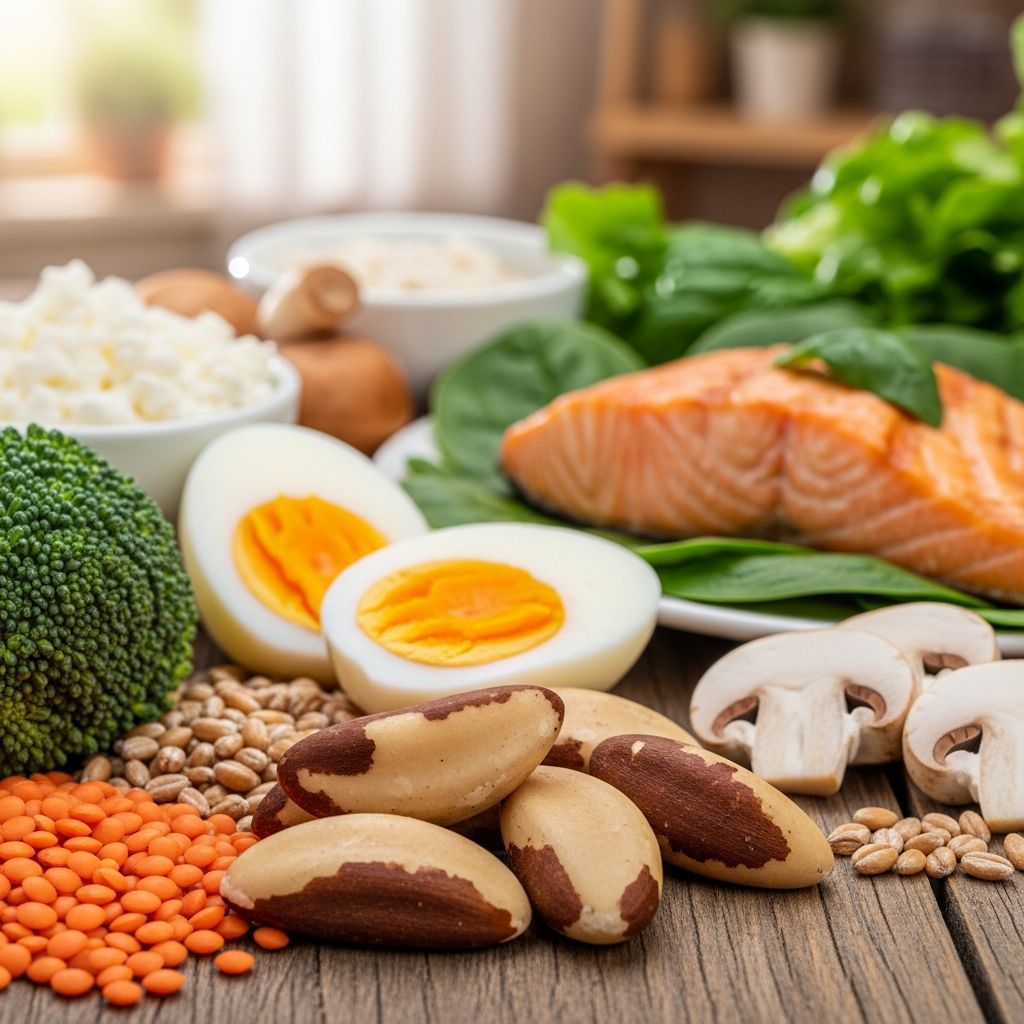
Obtaining selenium from food sources is the most natural and often most effective way to meet your daily requirements. Selenium content in plant foods varies significantly based on soil selenium levels in growing regions. The following foods are excellent sources of selenium:
- Brazil nuts (among the richest natural sources)
- Seafood and fish
- Poultry and eggs
- Whole grains and brown rice
- Legumes and beans
- Mushrooms
- Dairy products
For most people consuming a varied diet with adequate whole foods, deficiency is uncommon in areas with selenium-rich soil. However, those with restrictive diets, certain medical conditions, or living in selenium-poor regions may benefit from supplementation under professional guidance.
Recommended Intake and Dosage Guidelines
The recommended dietary allowance (RDA) for selenium is approximately 55 micrograms daily for most adults, with slightly higher amounts for pregnant and breastfeeding women. The tolerable upper intake level—the maximum safe daily intake—is 400 micrograms per day.
Most selenium supplements contain between 100 and 400 micrograms per dose. However, routine high-dose supplements aren’t recommended for cancer prevention or general health unless you’ve been diagnosed with a specific deficiency or are in a high-risk group.
Potential Side Effects and Safety Considerations
While selenium is essential for health, excessive intake can cause problems. Taking too much selenium above the upper limit of 400 micrograms daily can lead to selenosis, a condition characterized by several uncomfortable symptoms:
- Garlic-like breath odor
- Brittle or lost hair and nails
- Nausea and diarrhea
- Skin rash
- Irritability
- Numbness and tingling sensations
Additionally, excessive selenium intake may affect blood sugar regulation and can interact with certain medications, including blood thinners and cancer treatments. For this reason, those taking medications or managing chronic health conditions should consult with healthcare providers before starting selenium supplementation.
It’s also worth noting that while selenium has shown promise in cancer prevention through observational research, supplementation raises the risk of certain conditions, including squamous cell carcinoma, non-melanoma skin cancer, and high-grade prostate cancer in some populations.
Frequently Asked Questions About Selenium
Q: How much selenium do I need daily?
A: The recommended dietary allowance for selenium is approximately 55 micrograms daily for most adults, with higher amounts for pregnant and breastfeeding women. Most people can meet these needs through a varied diet containing foods like seafood, whole grains, and nuts.
Q: Can selenium prevent cancer?
A: Observational studies show associations between higher selenium levels and reduced cancer risk, but there is currently no strong evidence that taking selenium supplements beyond dietary needs promotes additional cancer prevention benefits in people without deficiency. More research is needed to confirm these findings.
Q: Is it safe to take selenium supplements?
A: Selenium supplements are generally safe when taken within recommended amounts (400 micrograms or less daily). However, exceeding the upper limit can cause selenosis. Those taking medications or with health conditions should consult healthcare providers before supplementing.
Q: What are signs of selenium deficiency?
A: Selenium deficiency can result in weak immune function, increased risk of heart disease, cognitive decline, and reproductive issues. However, deficiency is uncommon in developed countries with adequate dietary selenium intake.
Q: Can selenium improve brain health?
A: Yes, selenium supports brain health by creating selenoproteins essential for neural function and protecting against neurodegenerative diseases. Higher selenium intake is associated with better cognitive scores in older adults.
Q: Which foods have the most selenium?
A: Brazil nuts, seafood, fish, poultry, eggs, whole grains, legumes, and mushrooms are excellent selenium sources. Brazil nuts are particularly rich in this mineral.
The Bottom Line
Selenium is a powerful trace mineral that supports multiple aspects of health, from immune function and heart health to brain protection and cellular defense. By maintaining adequate selenium intake through a varied diet rich in whole foods, most people can enjoy the numerous health benefits this essential nutrient provides. However, routine high-dose supplementation isn’t recommended for those without specific deficiencies. If you’re concerned about your selenium levels or considering supplementation, consult with your healthcare provider to determine the best approach for your individual needs.
References
- Selenium: What Are the Benefits, Sources, and Risks? — WebMD. https://www.webmd.com/a-to-z-guides/supplement-guide-selenium
- Review on the health-promoting effect of adequate selenium status — Frontiers in Nutrition, peer-reviewed research. 2023. https://www.frontiersin.org/journals/nutrition/articles/10.3389/fnut.2023.1136458/full
- What are Selenium’s uses and side effects on health? — Ubie Health. 2025-12-06. https://ubiehealth.com/doctors-note/selenium-uses-health-benefits-side-effects-47-risk113exp4
- Selenium – Health Professional Fact Sheet — National Institutes of Health, Office of Dietary Supplements. https://ods.od.nih.gov/factsheets/Selenium-HealthProfessional/
- Selenium in diet: MedlinePlus Medical Encyclopedia — National Library of Medicine, MedlinePlus. https://medlineplus.gov/ency/article/002414.htm
- Selenium – The Nutrition Source — Harvard T.H. Chan School of Public Health. https://nutritionsource.hsph.harvard.edu/selenium/
Similar Articles








Read full bio of Sneha Tete