Selenium Sulfide Shampoo: Uses, Side Effects & Safety
Complete guide to selenium sulfide shampoo for treating dandruff and fungal scalp infections.
Understanding Selenium Sulfide Shampoo
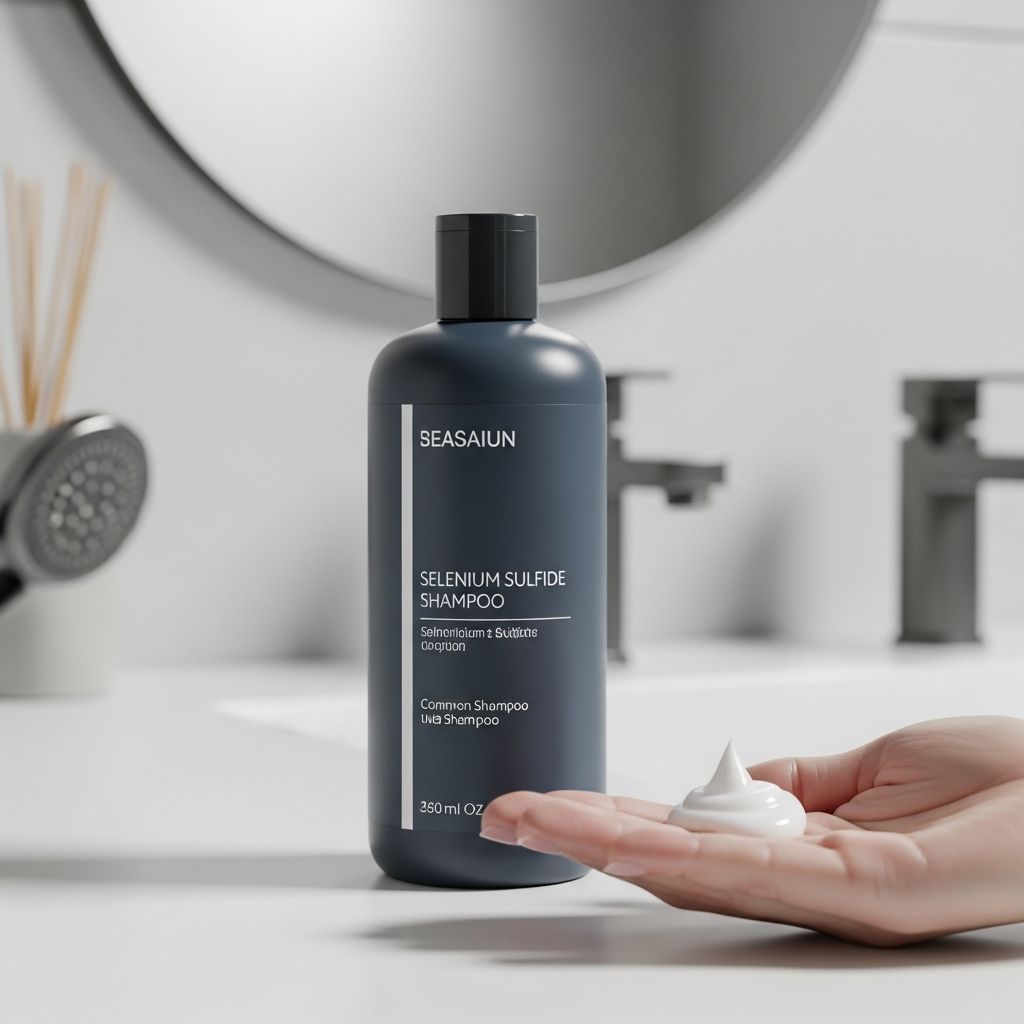
Selenium sulfide shampoo is a topical antifungal medication used to treat various scalp conditions and fungal skin infections. This medication contains selenium sulfide as its active ingredient, which works by targeting fungal and yeast infections that cause uncomfortable scalp conditions. If you experience white or yellow flakes on your scalp, persistent itching, or other scalp discomfort, selenium sulfide shampoo may be recommended by your healthcare provider as an effective treatment option.
The medication belongs to a class of drugs called antifungals and is specifically designed for external use only. It has become a widely prescribed treatment because of its effectiveness in managing multiple scalp conditions and its availability in various formulations. Understanding how this medication works, how to use it properly, and what to expect can help you achieve the best results from your treatment.
What Conditions Does Selenium Sulfide Treat?
Selenium sulfide shampoo is primarily used to address several scalp and skin conditions caused by fungal or yeast infections. The most common uses include:
Dandruff
Dandruff is one of the most prevalent scalp conditions treated with selenium sulfide. This condition causes visible white or yellow flakes to appear on the scalp and often results in itching and discomfort. Selenium sulfide helps reduce the fungal overgrowth that contributes to dandruff formation, providing relief from both the flaking and associated symptoms. Many people experience significant improvement in their dandruff symptoms with regular use of this shampoo.
Seborrheic Dermatitis
Seborrheic dermatitis is a chronic inflammatory skin condition that causes dry, flaky, and itchy skin, particularly on the scalp. This condition is characterized by more severe symptoms than typical dandruff and may require consistent treatment. Selenium sulfide works by controlling the fungal elements that contribute to this condition, helping to reduce inflammation and restore scalp health.
Tinea Versicolor
Tinea versicolor is a fungal infection that affects the body’s skin and can also occur on the scalp. Selenium sulfide lotion or shampoo formulations containing 2.5% strength can effectively treat this condition. The medication targets the fungus responsible for this infection, helping to clear the affected areas.
It is important to note that selenium sulfide will not treat infections caused by bacteria or viruses. If your scalp condition is caused by bacterial or viral infection, your healthcare provider will recommend alternative treatment options.
How to Use Selenium Sulfide Shampoo
Proper application is essential for achieving optimal results from selenium sulfide shampoo. Following the instructions carefully ensures both effectiveness and safety.
Step-by-Step Application Instructions
Step 1: Prepare Your Hair — Wet your hair and scalp thoroughly with lukewarm water before applying the shampoo. This preparation helps the medication distribute evenly throughout your hair and scalp.
Step 2: Apply the Medication — Apply the recommended amount of shampoo (typically 1 to 2 teaspoonfuls) directly to the scalp. Work the shampoo into your hair and scalp, creating a full lather. Make sure the product reaches all affected areas.
Related Stories



Step 3: Allow Contact Time — Leave the lather on your scalp for 2 to 10 minutes, depending on the specific product instructions. This contact time allows the active ingredient to work effectively against the fungal infection.
Step 4: Rinse Thoroughly — Rinse your hair and scalp completely with cool tap water. For light, blond, gray, or chemically treated hair, rinse for at least 5 minutes to minimize the risk of hair discoloration.
Step 5: Wash Your Hands — After completing your shampoo routine, wash your hands thoroughly to remove any residual medication.
Frequency and Duration
Use the medication as directed on the label and by your healthcare provider. Typically, selenium sulfide shampoo is used at the same time each day, or as frequently as recommended for your specific condition. Do not use the shampoo more often than directed, as this may increase the risk of side effects. Continue using the medication for the full course as prescribed by your healthcare team, even if you believe your symptoms have improved. Only stop using the medication if your healthcare provider directs you to do so.
Special Considerations
If you have light, blond, gray, or chemically treated hair, take extra care to rinse thoroughly after application. Selenium sulfide can potentially cause temporary hair discoloration in these hair types. Additionally, avoid getting the shampoo in your eyes. If contact occurs, rinse your eyes immediately with plenty of cool tap water. Do not use this medication on inflamed or broken skin, and avoid using it in the genital area.
Available Formulations and Strengths
Selenium sulfide is available in multiple formulations to suit different treatment needs and preferences. Understanding the available options can help you and your healthcare provider choose the most appropriate form for your condition.
| Formulation | Strength | Primary Use | Application Method |
|---|---|---|---|
| Shampoo | 1% or 2.5% | Scalp dandruff and seborrheic dermatitis | Wet hair, apply, lather, rinse |
| Lotion | 1% or 2.5% | Scalp conditions and tinea versicolor | Apply directly to affected areas |
| Foam | 2.5% | Scalp and body fungal infections | Apply to affected skin areas |
The 2.5% strength is typically available only by prescription in the United States, while the 1% strength may be available over-the-counter. Your healthcare provider will determine the appropriate strength and formulation for your specific condition.
Common Brand Names
Selenium sulfide shampoo is available under numerous brand names in the marketplace. Some of the most commonly recognized brands include:
Anti-Dandruff, Dandrex, Selenos, SelRx, Selseb, Selsun, and Selsun Blue. These products contain the same active ingredient but may vary in formulation, additional ingredients, and concentration. Your pharmacist can help you identify which brand or generic version is appropriate for your needs and insurance coverage.
Potential Side Effects
While selenium sulfide shampoo is generally well-tolerated, it can cause side effects in some individuals. Understanding these potential effects helps you recognize when to contact your healthcare provider.
Common Side Effects
The most commonly reported side effects are usually mild and often do not require medical attention. These include:
– Unusual dryness or oiliness of hair or scalp
– Mild scalp irritation
– Slight increase in normal hair loss
– Temporary changes in hair texture
These side effects typically diminish as your scalp adjusts to the medication. If they persist or become bothersome, contact your healthcare provider for guidance. Using a moisturizing shampoo after treatment with selenium sulfide can help minimize dryness.
Less Common Side Effects
Some individuals may experience less common side effects that warrant medical attention. Report any of the following to your healthcare provider as soon as possible:
– Excessive hair loss beyond normal shedding
– Severe scalp irritation or burning
– Allergic reactions such as rash or hives
– Unexplained scalp pain or sensitivity
Serious Side Effects
In rare cases, more serious side effects may occur. If you experience severe allergic reactions, difficulty breathing, or signs of systemic absorption of the medication, seek emergency medical attention immediately. Contact a poison control center if you believe you have ingested this medication, as it is for external use only.
Important Safety Information
Who Should Not Use Selenium Sulfide
Before using selenium sulfide shampoo, inform your healthcare provider if you have any of the following conditions:
– Known allergies to selenium sulfide or any ingredient in the formulation
– Severely inflamed or broken scalp skin
– Open wounds or infections on the scalp
– Pregnancy or breastfeeding concerns (discuss with your healthcare provider)
– Sensitivity to topical medications
Use in Children
Selenium sulfide shampoo may be prescribed for children as young as 12 years old for selected conditions. However, special precautions apply when using this medication in children. Parents and caregivers should discuss the appropriateness and safety of this medication with their healthcare provider before use. Children should be supervised during application to prevent ingestion or contact with eyes.
Missed Dose
If you miss a dose, apply the medication as soon as you remember. However, if it is almost time for your next scheduled dose, use only that dose. Never use double or extra doses to make up for a missed application.
Storage and Disposal
Store selenium sulfide shampoo at room temperature between 20 and 25 degrees Celsius (68 and 77 degrees Fahrenheit). Do not freeze the medication. Keep the product out of reach of children and pets. When the medication is no longer needed or has expired, dispose of it properly according to your local pharmacy’s guidelines or follow FDA disposal recommendations.
Drug Interactions and Precautions
Selenium sulfide shampoo generally does not have significant interactions with other medications since it is applied topically and minimally absorbed systemically. However, it is important to inform your healthcare provider about all medications and supplements you use. Do not use any other skin products on the affected area without consulting your healthcare provider first, as some combinations may cause irritation or reduce effectiveness.
If you use any herbal remedies, dietary supplements, or other over-the-counter products, discuss them with your healthcare provider or pharmacist. Additionally, inform your healthcare provider if you smoke, drink alcohol, or use any illegal substances, as these factors may affect your treatment.
Monitoring Your Progress
Regular follow-up with your healthcare provider is essential to monitor your response to treatment. Visit your care team for scheduled checks on your progress. If your symptoms do not begin to improve after the expected timeframe, or if they worsen despite consistent use of the medication, contact your healthcare provider. Treatment adjustments may be necessary, such as changing the frequency of use, switching to a different strength, or trying an alternative medication.
Frequently Asked Questions
Q: Can selenium sulfide shampoo be used on color-treated hair?
A: Selenium sulfide can be used on color-treated hair, but rinse thoroughly for at least 5 minutes after application to minimize the risk of hair discoloration. Consider doing a patch test first or consulting your stylist before use.
Q: How long does it take to see results from selenium sulfide shampoo?
A: Most people notice improvement in their symptoms within 1 to 2 weeks of consistent use. However, continue using the medication for the full course as prescribed, even if improvement occurs earlier.
Q: Is selenium sulfide shampoo safe for daily use?
A: The frequency of use depends on your specific condition and healthcare provider’s recommendations. Some formulations may be used daily initially, then reduced to twice weekly once the condition is controlled. Follow your provider’s specific instructions.
Q: Can selenium sulfide shampoo be used as a preventative treatment?
A: Yes, once your condition is under control, your healthcare provider may recommend using selenium sulfide shampoo less frequently as a maintenance treatment to prevent symptom recurrence.
Q: What should I do if selenium sulfide gets in my eyes?
A: Rinse your eyes immediately with plenty of cool tap water for several minutes. If irritation persists, contact your healthcare provider or seek medical attention.
Q: Can I share my selenium sulfide shampoo with family members?
A: No, this medication is prescribed specifically for you and should not be shared with others, even family members with similar symptoms. Each person should have their own prescription evaluated by a healthcare provider.
Q: Are there alternatives to selenium sulfide shampoo?
A: Yes, alternative antifungal treatments include pyrithione zinc shampoos, ketoconazole shampoos and creams, and coal tar shampoos. Discuss these options with your healthcare provider to determine which is best for your condition.
References
- Selenium Sulfide Shampoo: Uses & Side Effects — Cleveland Clinic. 2024. https://my.clevelandclinic.org/health/drugs/18348-selenium-sulfide-shampoo
- Treatment of Seborrheic Dermatitis — American Academy of Family Physicians. 2000-05-01. https://www.aafp.org/pubs/afp/issues/2000/0501/p2703.html
- Selenium Sulfide (Topical Route) — Side Effects & Dosage — Mayo Clinic. 2024. https://www.mayoclinic.org/drugs-supplements/selenium-sulfide-topical-route/description/drg-20065908
- Safety, Efficacy and Attributes of 2.5% Selenium Sulfide Shampoo in the Treatment of Dandruff: A Single-Center Study — Cureus. 2024-03-15. https://pubmed.ncbi.nlm.nih.gov/38584882/
- Expert Opinion on Management of Pityriasis Capitis (Dandruff) and Seborrheic Dermatitis — International Journal of Dermatology and Research. 2024. https://www.ijord.com/index.php/ijord/article/view/2020
Similar Articles








Read full bio of Sneha Tete