Self-Care Strategies For Eczema Relief: Expert Tips
Discover practical at-home techniques and daily habits to ease eczema symptoms and improve skin health effectively.
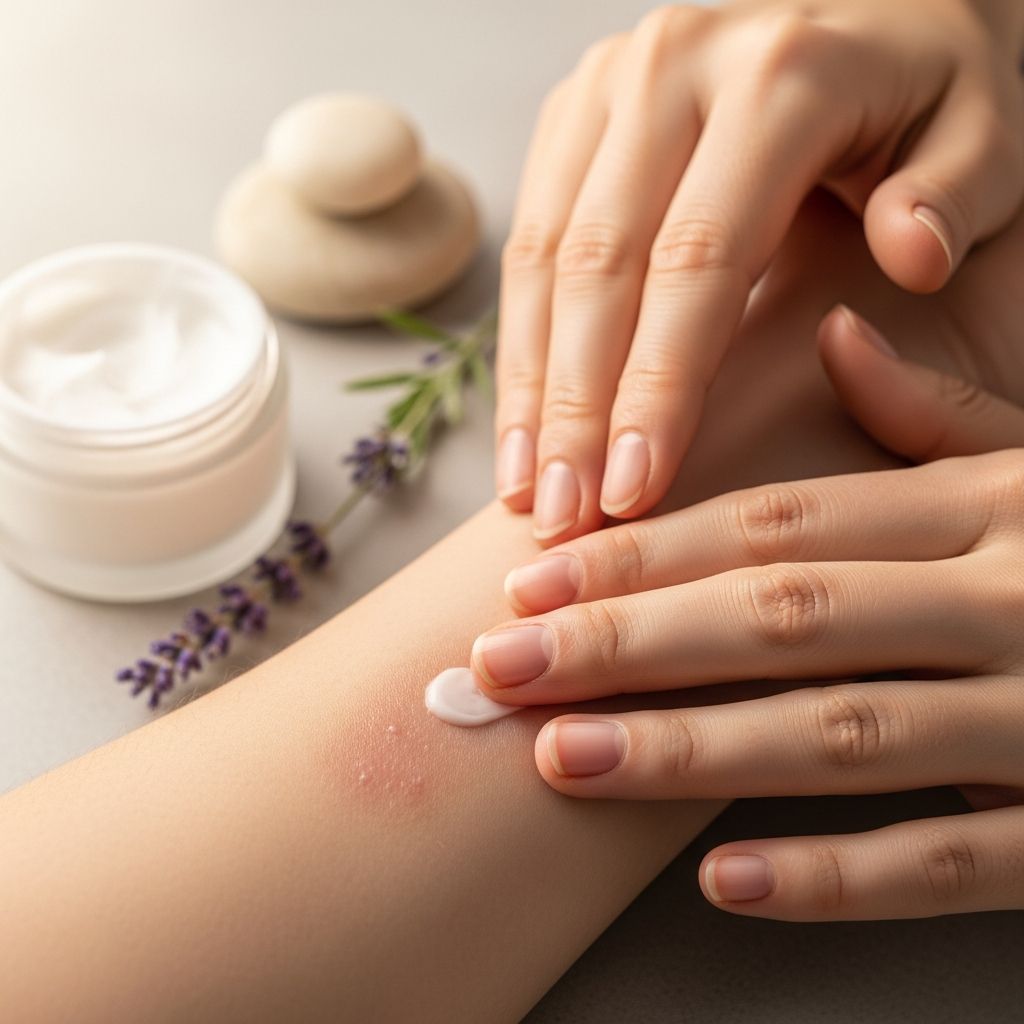
Eczema, a chronic skin condition characterized by dry, itchy, and inflamed patches, affects millions worldwide. Effective self-care plays a pivotal role in controlling symptoms, preventing flare-ups, and enhancing quality of life. By adopting consistent routines focused on hydration, gentle cleansing, and trigger management, individuals can significantly reduce discomfort without relying solely on medications.
Building a Strong Skin Barrier Through Moisturizing
The cornerstone of eczema management is maintaining skin hydration to repair and protect the compromised barrier. Fragrance-free creams or ointments, applied generously after bathing, lock in moisture and prevent water loss. Opt for products containing ceramides or high oil content, as they mimic the skin’s natural lipids more effectively than lotions.
- Apply moisturizer within three minutes of patting dry to seal in dampness.
- Use thicker ointments at night for intensive repair.
- Reapply throughout the day, especially on dry or itchy areas.
Petroleum jelly serves as an affordable, occlusive option that creates a protective shield, particularly useful during flares. Studies support its efficacy in reducing transepidermal water loss, making it a reliable choice for all ages.
Optimizing Bathing and Shower Routines
Daily bathing hydrates the skin when done correctly, countering the dryness that exacerbates eczema. Limit sessions to 5-10 minutes with lukewarm water to avoid stripping natural oils. The “soak and seal” method—bathing followed immediately by moisturizing—maximizes benefits.
| Bathing Tip | Benefits | Precautions |
|---|---|---|
| Use gentle, unscented cleansers | Preserves skin pH and oils | Avoid soaps or harsh scrubs |
| Pat dry gently | Retains moisture | No rubbing with towels |
| Follow with emollients | Seals hydration | Apply to damp skin |
Incorporate these habits to transform bathing from a potential trigger into a therapeutic ritual.
Therapeutic Bath Additives for Itch and Inflammation Relief
Enhance baths with targeted additives to soothe irritation and combat bacteria. Colloidal oatmeal, derived from finely ground oats, forms a protective film that calms itching and reduces inflammation. Add one cup to warm bathwater and soak for 15-20 minutes.
Diluted bleach baths, recommended by dermatologists, mimic clinical antimicrobial treatments. A half-cup of household bleach in a full tub targets Staphylococcus aureus, a common eczema aggravator, while easing itch. Limit to 10 minutes, 2-3 times weekly, and rinse thoroughly. Consult a doctor if sensitive to chlorine.
- Vinegar baths: 2 cups in warm water for 15-20 minutes to balance skin pH.
- Bath oils: Fragrance-free options for added emollience.
- Salt: One cup for severe flares to minimize stinging.
These interventions provide accessible relief, supported by clinical evidence for reducing flare severity.
Natural Oils and Plant-Based Topicals
Virgin coconut oil emerges as a standout natural remedy, with research demonstrating its antimicrobial properties against staph bacteria and ability to improve skin barrier function over eight weeks. Apply to damp skin once or twice daily; choose cold-pressed varieties to avoid irritants.
Sunflower seed oil offers similar benefits through its fatty acids, which enhance moisture retention. Both oils outperform some conventional moisturizers in hydration without greasiness.
Related Stories



Aloe vera gel provides mild anti-inflammatory effects for localized application. Test on a small area first to rule out sensitivity.
Wet Wrap Therapy for Intense Flares
For severe itching or pain, wet wrap therapy intensifies treatment efficacy. Soak clean fabrics in lukewarm water, wring out, apply topical medications if prescribed, then layer with dry bandages. This method rehydrates deeply, calms inflammation, and boosts absorption—often yielding overnight improvement.
- Ideal for body areas; facial wraps require professional application.
- Use 1-2 times daily during peaks, monitoring for overheating.
- Combine with moisturizers post-removal.
Patients report significant relief, making it a valuable home technique under medical guidance.
Identifying and Avoiding Common Triggers
Eczema flares often stem from environmental or lifestyle factors. Track personal triggers like dust mites, pollen, dry air, or irritants such as fragrances and wool. Strategies include:
- Wearing breathable cotton clothing.
- Maintaining indoor humidity at 40-60%.
- Using hypoallergenic laundry detergents labeled truly fragrance-free.
Stress exacerbates symptoms via immune dysregulation; integrate yoga, meditation, or deep breathing to mitigate. Keeping fingernails short prevents scratching damage.
Additional Tools: Compresses and Medicated Options
Cool, wet compresses offer immediate soothing for inflamed areas—apply for 10-15 minutes, followed by moisturizer. Over-the-counter hydrocortisone aids mild flares, while medicated shampoos target scalp eczema by controlling yeast and scales.
Antihistamines may curb nighttime itching, but prioritize non-drug measures first.
Lifestyle Adjustments for Long-Term Control
Beyond topicals, holistic changes sustain remission. A consistent skincare routine, coupled with trigger avoidance, reduces reliance on prescriptions. Diet plays a nuanced role; while not curative, anti-inflammatory foods may help some, per observational data.
Regular dermatologist check-ins ensure tailored plans, especially for persistent cases.
Frequently Asked Questions (FAQs)
Can eczema be cured with home remedies?
No, eczema is chronic, but self-care effectively manages symptoms and prevents flares.
How often should I moisturize?
At least twice daily, plus after every bath or handwashing.
Is coconut oil safe for children with eczema?
Yes, virgin coconut oil is gentle and beneficial for pediatric skin.
What if bleach baths irritate my skin?
Stop use and consult a provider; alternatives like oatmeal work well.
Do essential oils help eczema?
Avoid them; fragrances often trigger flares.
References
- How to Soothe and Manage Eczema: Remedies & Lifestyle — Zerigo Health. 2023. https://zerigohealth.com/hub/soothe-manage-eczema
- How to treat eczema at home — American Academy of Dermatology (AAD). 2024-02-23. https://www.aad.org/news/how-to-treat-eczema-at-home
- The Best Home Remedies for Eczema — Cleveland Clinic. 2024. https://health.clevelandclinic.org/home-remedies-for-eczema
- Eczema Management — National Eczema Association. 2025. https://nationaleczema.org/eczema-management/
- Self-Care for Eczema — WebMD. 2024. https://www.webmd.com/skin-problems-and-treatments/eczema/self-care-for-eczema
- Eczema: Lifestyle Management — National Jewish Health. 2023. https://www.nationaljewish.org/conditions/pediatric-eczema/eczema-atopic-dermatitis/eczema-lifestyle-management
Similar Articles








Read full bio of medha deb