Semen Analysis: Purpose, Procedure & Results
Complete guide to semen analysis: understand the test, preparation, procedure, and what results mean for fertility.
Understanding Semen Analysis: A Complete Guide
A semen analysis is a laboratory test that evaluates the characteristics of a man’s semen and sperm under a microscope. This test plays a crucial role in diagnosing male fertility issues and can also confirm whether a vasectomy procedure was successful. The analysis examines multiple aspects of semen quality and sperm function to provide comprehensive information about reproductive health.
Semen is a whitish-gray fluid that is released from the penis, typically following orgasm. This fluid contains sperm cells along with various other components that support sperm function and survival. Understanding what a semen analysis measures and how to interpret the results is essential for anyone undergoing fertility evaluation.
What Does a Semen Analysis Measure?
A semen analysis evaluates numerous parameters that collectively indicate sperm health and fertility potential. Each measurement provides important information about different aspects of reproductive function.
Key Parameters Evaluated
- Semen Volume: The total amount of fluid in the ejaculate sample, measured in milliliters. This indicates the contribution of seminal vesicles and prostate gland to the overall ejaculate.
- Sperm Concentration (Density): The number of sperm cells present per milliliter of semen. This measurement helps determine whether the ejaculate contains an adequate number of sperm for fertilization.
- Sperm Count: The total number of sperm present in the entire semen sample. This differs from concentration by accounting for the total volume of semen produced.
- Sperm Motility: The percentage of sperm that are actively moving, particularly those moving efficiently in a straight line or in large circles. Motility is critical because sperm must swim to reach and fertilize an egg.
- Sperm Morphology: The shape and structure of individual sperm cells. Normal morphology is necessary for sperm to penetrate and fertilize an egg effectively.
- pH Level: The acidity or alkalinity of the semen. The pH must be within a specific range to maintain sperm viability and function.
- Vitality: The percentage of sperm that are alive versus dead. This measurement helps distinguish between sperm that are immobile but alive versus those that are actually dead.
- Time to Liquefaction: How long it takes for semen to change from a viscous gel-like substance to a fluid consistency. Liquefaction must occur within a normal timeframe for sperm to be released and move freely.
- White Blood Cells: The presence of white blood cells (leukocytes) in semen may indicate infection or inflammation affecting fertility.
Purposes of Semen Analysis
Fertility Assessment
The primary use of semen analysis is to evaluate male fertility potential. Healthcare providers order this test when a couple has been unable to conceive after one year of regular unprotected intercourse, or after six months if the woman is over 35 years old. The test helps identify whether male factor infertility is contributing to conception difficulties.
Post-Vasectomy Verification
Following a vasectomy procedure, a semen analysis is performed to confirm that the procedure was successful. A successful post-vasectomy analysis shows no sperm or only very few non-moving sperm in the ejaculate. If moving sperm or high numbers of non-moving sperm are detected, it may indicate that the vasectomy was unsuccessful or that recanalization has occurred.
Evaluation of Abnormal Results
If initial semen analysis results are abnormal, the test may be repeated to confirm findings, as sperm production can vary. Additional tests or procedures may be recommended depending on the specific abnormalities identified.
Preparation for Semen Analysis
Pre-Test Instructions
Proper preparation is essential for obtaining accurate results. Before undergoing a semen analysis, your healthcare provider will review your medical history and may perform a physical examination, including a genital exam.
Sexual Abstinence Period
One of the most important preparation requirements is to refrain from sexual activity for two to seven days before the test. This abstinence period includes both sexual intercourse and masturbation. Refraining from sexual activity ensures that your sperm counts are at their highest level, allowing for the most accurate and representative analysis of your fertility potential.
Related Stories



Sample Collection Instructions
You will receive specific instructions from your healthcare provider regarding sample collection. Generally, you will be asked to collect a semen sample by masturbating into a sterile container in a private room at the laboratory. This controlled collection environment ensures that the sample remains uncontaminated and is properly preserved.
The Semen Analysis Procedure
Sample Collection
The first step in semen analysis is obtaining a fresh semen sample. You will typically provide the sample by ejaculating into a clean, sterile container in a private collection room at the laboratory. It is critical that the entire ejaculate be collected in the container to ensure an accurate count.
Laboratory Processing
Once collected, the sample must be examined quickly before sperm begin to deteriorate. The laboratory will process the sample according to standardized protocols. The sample is typically kept at body temperature (approximately 37 degrees Celsius) to maintain sperm viability during examination.
Macroscopic Examination
The first phase of analysis involves macroscopic (visual) examination of the semen sample. Laboratory technicians assess the volume of semen, its color, appearance, viscosity, and pH level. These initial observations provide baseline information about the semen’s general characteristics.
Microscopic Examination
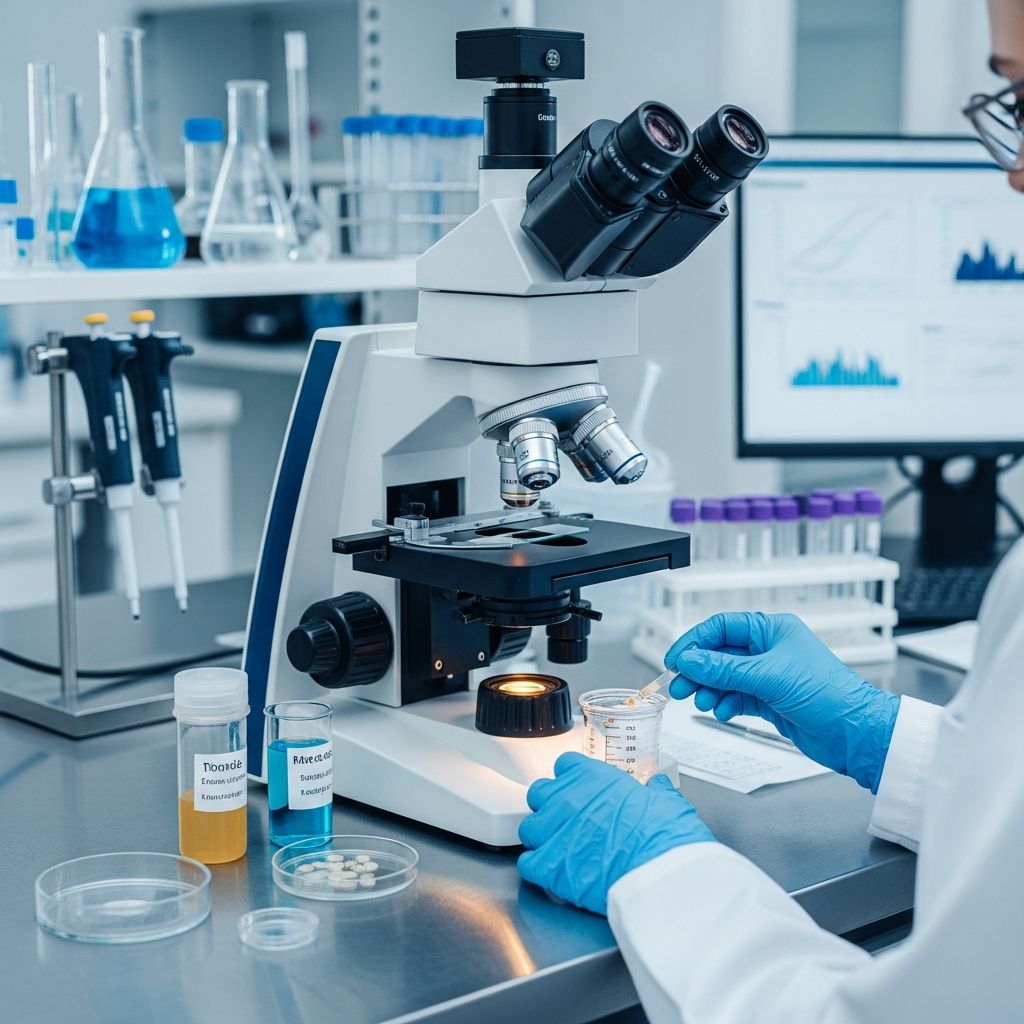
The microscopic examination is performed by placing a small amount of the thoroughly mixed semen sample onto a warmed microscope slide. The sample is then examined under a light microscope at high magnification (typically 200 to 400 times magnification). During this examination, technicians evaluate sperm density, motility, and morphology.
Sperm Morphology Assessment
To assess sperm shape and structure, special staining techniques are often used to help visualize sperm components. Technicians examine the three main parts of the sperm: the head, the midpiece, and the tail. According to standardized protocols, approximately 200 sperm cells are evaluated to determine the percentage of sperm with normal morphology.
Normal Semen Analysis Results
The World Health Organization (WHO) and other medical organizations have established reference ranges for normal semen analysis results. These normal ranges represent values associated with fertility potential, though results outside these ranges do not necessarily mean infertility.
| Parameter | Normal Range |
|---|---|
| Semen Volume | 1.5 to 7.6 milliliters |
| Sperm Concentration (Density) | 15 to 259 million sperm per milliliter |
| Sperm Motility | 40 to 81 percent |
| Sperm Morphology | 4 to 48 percent normal forms |
| pH Level | 7.2 to 8.0 |
| Time to Liquefaction | 15 to 30 minutes after collection |
| Vitality | 54 to 97 percent live sperm |
| White Blood Cells | Less than 1 million per milliliter |
Understanding Abnormal Results
Low Semen Volume
Semen volume lower than 1.5 milliliters may indicate issues with the seminal vesicles or prostate gland. Low volume can affect fertility potential and may suggest retrograde ejaculation, where semen enters the bladder rather than exiting through the urethra.
Low Sperm Count and Concentration
A total sperm count lower than 39 million in the entire sample or a concentration below 15 million per milliliter may make it difficult for conception to occur naturally. This condition, known as oligospermia, is one of the most common causes of male factor infertility.
Poor Sperm Motility
If fewer than 40 percent of sperm are moving efficiently, the condition is known as asthenospermia. Sperm must swim actively to travel through the female reproductive tract and reach the egg. Abnormal motility significantly reduces fertility potential.
Abnormal Morphology
Sperm with abnormal shapes may be unable to penetrate or fertilize an egg. When more than 96 percent of sperm have abnormal morphology (less than 4 percent normal forms), the condition is called teratospermia. These abnormally shaped sperm cannot function effectively in reproduction.
Abnormal pH
A pH outside the normal range of 7.2 to 8.0 can kill sperm or impair their ability to move. Abnormal pH may indicate infection or problems with the seminal vesicles or prostate.
Delayed Liquefaction
If semen takes longer than 30 minutes to liquefy, or fails to liquefy completely, sperm cannot swim freely through the fluid. This may affect fertility potential, as sperm mobility is essential for conception.
Elevated White Blood Cells
While small amounts of white blood cells are normal, more than 1 million white blood cells per milliliter of semen indicates a condition called pyospermia. This may suggest infection or inflammation affecting the reproductive tract.
Interpreting Your Results
A healthcare provider will review your semen analysis results with you and explain what they mean for your fertility. Your provider will compare your results to the established normal ranges and consider the context of your individual situation, including your medical history and any symptoms you may be experiencing.
It is important to understand that a single abnormal result does not definitively diagnose infertility. Sperm production naturally varies from day to day and can be affected by various factors including stress, illness, medications, and lifestyle choices. Your healthcare provider may recommend repeat testing if results are borderline or abnormal to confirm findings and establish a pattern.
If abnormalities are identified, your provider can discuss potential causes and treatment options. These may include lifestyle modifications, medical treatment, or in some cases, assisted reproductive technologies such as intrauterine insemination or in vitro fertilization.
Factors Affecting Semen Analysis Results
Lifestyle Factors
Several lifestyle factors can influence semen quality and analysis results. These include smoking, alcohol consumption, drug use, obesity, and stress. Maintaining a healthy lifestyle with regular exercise, adequate sleep, and proper nutrition can support optimal sperm production.
Medical Conditions
Various medical conditions can affect semen quality, including infections of the reproductive tract, hormonal imbalances, varicocele (enlarged veins in the scrotum), and ejaculation disorders.
Medications
Certain medications can impact sperm production and semen quality. Discuss any medications you are taking with your healthcare provider, as they may recommend adjustments if they are affecting fertility.
Environmental Exposures
Exposure to heat, toxins, or certain chemicals can negatively affect sperm production. Minimizing exposure to these environmental factors may help preserve fertility.
Frequently Asked Questions
Q: How long does semen analysis take?
A: The collection process takes only a few minutes. Laboratory analysis typically takes several hours to a few days, depending on the facility and whether additional testing is needed. Your healthcare provider will inform you when results will be available.
Q: Is semen analysis painful?
A: No, semen analysis is not painful. The collection process involves providing a semen sample through masturbation in a private room, which is non-invasive and painless.
Q: Can I eat or drink before semen analysis?
A: Yes, you can eat and drink normally before semen analysis. There are no fasting requirements for this test. However, following the abstinence guidelines and other preparation instructions provided by your healthcare provider is important.
Q: What if I cannot produce a sample at the clinic?
A: If you are unable to produce a sample at the clinic, discuss this with your healthcare provider. In some cases, you may be allowed to collect the sample at home in a sterile container and bring it to the laboratory within a specific timeframe, usually within 15-30 minutes of collection.
Q: Does one abnormal result mean I am infertile?
A: One abnormal result does not definitively indicate infertility. Sperm production varies naturally, and results can be affected by stress, illness, and other temporary factors. Your healthcare provider may recommend repeat testing to establish a pattern and make a more accurate assessment.
Q: How often should semen analysis be repeated?
A: If initial results are abnormal, repeat testing is often recommended after 2-3 weeks, as this allows time for new sperm to be produced. Your healthcare provider will advise you on the appropriate timing for repeat testing based on your specific situation.
References
- Semen Analysis — National Library of Medicine, MedlinePlus. 2024. https://medlineplus.gov/lab-tests/semen-analysis/
- Semen Analysis: Purpose, Procedure & Results — Cleveland Clinic. 2024. https://my.clevelandclinic.org/health/diagnostics/21520-semen-analysis
- WHO Laboratory Manual for the Examination and Processing of Human Semen — World Health Organization. 2021. https://embryo.asu.edu/pages/procedure-semen-analysis-described-world-health-organizations-laboratory-manual-examination
- Automated Semen Analysis Systems in Clinical Practice — National Institutes of Health, PubMed Central. 2023. https://pmc.ncbi.nlm.nih.gov/articles/PMC8987146/
Similar Articles








Read full bio of medha deb