Semen Facts: A Comprehensive Guide To Male Ejaculate
Understanding semen volume, composition, and factors that affect male sexual health.

Understanding Semen: Essential Facts About Male Ejaculate
Semen is a bodily fluid produced during male ejaculation, and understanding its characteristics is an important part of sexual and reproductive health. Many men wonder about what constitutes a normal semen volume, what factors influence it, and whether variations are cause for concern. This comprehensive guide addresses the most common questions about semen and provides evidence-based information to help you understand your sexual health better.
What Is Semen and How Much Is Normal?
Semen volume refers to the amount of fluid released during ejaculation. According to medical experts, the normal semen volume ranges from 1.5 milliliters to 5 milliliters per ejaculation, which is roughly one-quarter to one teaspoon. The International Society for Sexual Medicine suggests males expel, on average, 1.25–5 milliliters (ml) of semen each time they ejaculate.
Many men worry unnecessarily about whether their semen volume falls within normal ranges. The truth is that even if your ejaculations don’t match the average benchmark, you may still be perfectly healthy. However, if you’re consistently producing 1.5 milliliters or less—noticeably below the normal range—or if you’ve noticed a sudden change in volume, it may warrant evaluation by a healthcare professional such as a urologist.
The only way to definitively determine if your semen volume is normal is through a semen analysis, a simple test involving ejaculation into a cup where the sample is evaluated for sperm count, sperm activity, and sperm shape.
Factors That Affect Semen Volume
Semen volume is not static and can fluctuate based on numerous factors. Understanding what influences your ejaculate volume can help you identify whether changes are normal or warrant medical attention.
Age-Related Changes
One of the most common factors affecting semen volume is age. Just as erectile function declines with age, ejaculation volume follows a similar pattern. Males tend to ejaculate the largest volume of semen in their early thirties, with volume gradually decreasing as they age. Men over 50 typically have lower semen volumes compared to men aged 21 to 30.
This age-related decline can actually begin at any point in life. While some men notice gradual decreases starting in their 20s and 30s, most men don’t observe significant changes until later decades. If you’ve noticed a gradual decrease in semen volume over five to ten years, it may simply reflect normal aging rather than an underlying health condition.
Low Testosterone and Hormonal Issues
Hypogonadism, the medical term for low testosterone, can significantly impact semen volume. Low testosterone not only affects erectile function but can also decrease the amount of ejaculate produced. If you experience low testosterone, you may also notice nonspecific symptoms such as fatigue, weakness, or difficulty concentrating. Any of these signs should prompt a consultation with your doctor to check testosterone levels.
Beyond testosterone, overall hormonal balance plays a crucial role in semen quality and volume. Hormonal imbalances may reduce semen volume and affect fertility.
Health Conditions Affecting Ejaculation
Several medical conditions can reduce semen volume:
Related Stories



- Retrograde ejaculation: This condition occurs when the internal muscles near the bladder neck fail to close properly during ejaculation, causing semen to enter the bladder instead of exiting through the urethra. People with diabetes are at higher risk for this condition. A sign of retrograde ejaculation is cloudy urine after ejaculation.
- Neurological conditions: Problems such as multiple sclerosis or spinal cord injuries can affect semen volume by impacting blood vessels and nerves involved in ejaculation.
- Prostate enlargement: An enlarged prostate can reduce ejaculation volume.
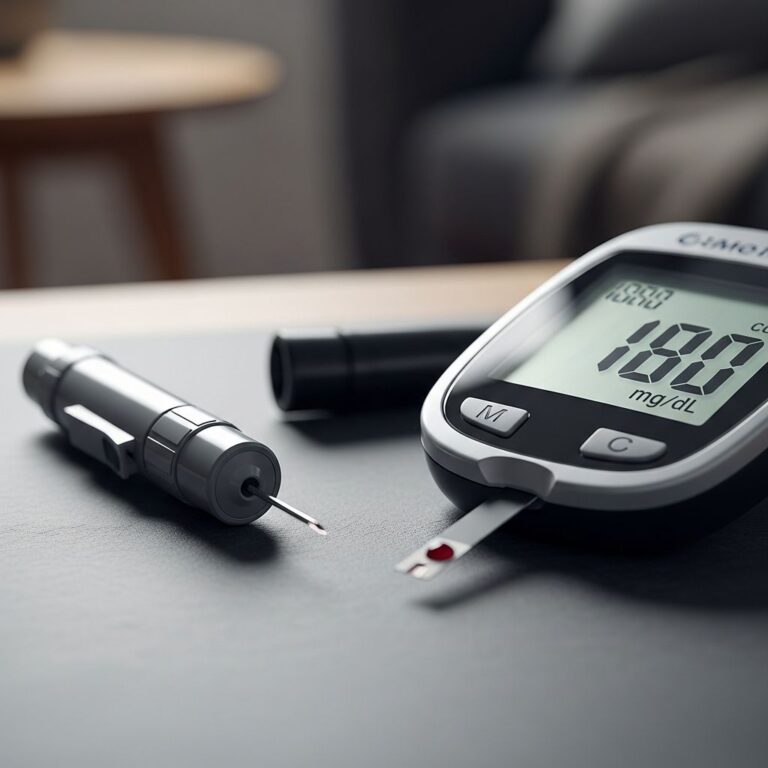
- Diabetes: People with diabetes may experience decreased ejaculation volume and other related reproductive complications.
- Recent COVID-19 infection: Research has shown that men who contracted COVID-19 within the previous three months experienced semen volume drops of up to 20 percent, regardless of infection severity. Having a fever during COVID-19 can also reduce semen volume, and for some men, this problem persists after recovery.
Surgical and Recovery Factors
Recent abdominal surgery can also cause a temporary decrease in semen volume. This is typically a temporary effect as the body recovers from the procedure.
Sexual Activity and Abstinence Patterns
The frequency of sexual activity directly influences semen volume. Recent sexual activity, including masturbation, may decrease semen volume, potentially reducing the distance semen can travel. Conversely, prolonged periods of abstinence may cause a person to produce more semen than their usual amount. This means that increasing the time between ejaculations could increase semen volume for those concerned about low volumes.
Genetic Factors
Genetics play a fundamental role in most aspects of health, including semen volume. Some people naturally ejaculate more or less compared to others, regardless of health status or lifestyle choices. If your parents or close relatives had lower semen volumes, this genetic component may partially explain your own volume.
Distance and Force of Ejaculation
The volume of semen a person ejaculates can affect how far it travels. Larger volumes may create the illusion that ejaculate travels farther than it actually does. Younger males tend to have more forceful ejaculations compared to older men.
However, it’s important to note that there is no recent, credible, or reliable scientific research into how forcefully semen comes out or the specific distance it can cover. Much of the information circulating on the internet about ejaculation distance is unrealistic and often influenced by pornographic depictions, which do not represent typical male sexual function. There is no specific health benefit associated with ejaculating further or producing more ejaculate.
Lifestyle Changes to Improve Semen Volume and Quality
If you’re concerned about semen volume, several lifestyle modifications can help increase volume and improve overall sperm health:
Exercise and Physical Activity
There is solid evidence that moderate physical activity can improve semen quality, fertility, and semen volume. Exercise can also help protect your sperm from damage. This doesn’t require intense training—moderate, consistent physical activity is beneficial for reproductive health.
Reduce Masturbation Frequency
Taking breaks from masturbation or reducing the frequency of sexual activity allows the body more time to produce semen. Increasing the interval between ejaculations can lead to larger volumes of ejaculate.
Extend Foreplay
Engaging in longer foreplay before ejaculation may increase semen volume. While specific scientific research on this recommendation is limited, anecdotal evidence from many men suggests that delaying ejaculation through extended foreplay results in larger volumes.
Pelvic Floor Exercises (Kegel Exercises)
Kegel exercises strengthen the pelvic floor muscles, which play a role in ejaculation control and volume. Regular performance of these exercises can contribute to improved ejaculatory function.
Maintain a Healthy Weight
Maintaining or achieving a moderate weight may help improve semen volume. Weight management supports overall reproductive health and hormonal balance.
Manage Chronic Conditions
For individuals with diabetes or other chronic illnesses that affect semen volume, proper disease management is essential. Controlling diabetes through medication, diet, and lifestyle can help minimize complications related to decreased ejaculation volume.
Optimize Diet and Avoid Harmful Substances
Diet, smoking, and other lifestyle factors significantly affect semen quality and overall health. A nutritious diet rich in antioxidants, vitamins, and minerals supports reproductive health. Conversely, smoking and excessive alcohol consumption can negatively impact semen quality.
The Refractory Period: Understanding Recovery Time
The refractory period is the time after ejaculation during which a person with a penis typically cannot achieve another erection, orgasm, or ejaculation, even with sexual stimulation. During this time, sexual stimulation may not be pleasurable and can even be painful.
The length of the refractory period varies significantly and often correlates with age and overall health. Older males tend to have longer refractory periods, sometimes lasting 12–24 hours or longer. Maintaining good overall health, regular exercise, and managing any underlying health conditions can help optimize recovery time.
When to Seek Medical Attention
While variations in semen volume are often normal, certain situations warrant consultation with a healthcare professional:
- Consistently low semen volumes (1.5 ml or less) with no obvious cause
- A sudden, noticeable change in the amount of semen you ejaculate
- Signs of retrograde ejaculation (cloudy urine after ejaculation)
- Symptoms of low testosterone (fatigue, weakness, difficulty concentrating, erectile dysfunction)
- Concerns about fertility or reproductive health
- Persistent changes in ejaculation after recovering from COVID-19 or other illness
- Refractory periods that seem excessively long or are causing relationship concerns
A urologist or fertility specialist can conduct a semen analysis and evaluate any underlying health conditions that may be affecting your reproductive function.
Frequently Asked Questions
Q: Is it normal to have semen volume below 1.5 milliliters?
A: While the normal range is 1.5–5 milliliters, volumes slightly below this may still be normal for some individuals. However, if your volume is consistently very low (0.5 ml or less) or if you’ve noticed a significant decrease, consult a urologist to rule out underlying health issues.
Q: Can diet improve semen volume?
A: Yes, a healthy diet rich in antioxidants, vitamins, and minerals can support overall reproductive health and may help optimize semen quality and volume. Avoiding smoking and limiting alcohol consumption are also beneficial.
Q: Does semen volume affect fertility?
A: Semen volume itself is just one factor in fertility. What matters more is sperm count, sperm motility (movement), and sperm morphology (shape). A semen analysis evaluates all these factors to assess reproductive potential.
Q: How long should I wait between ejaculations to increase volume?
A: While there’s no fixed timeframe, many men notice increased volume with abstinence periods of 2–3 days. However, individual variation is significant, so experimentation may help you determine what works best for your body.
Q: Can COVID-19 permanently affect semen volume?
A: While most men see semen volume return to normal after recovery, some experience persistent changes. If you notice ongoing alterations in semen volume months after COVID-19 recovery, discuss this with your doctor.
Q: Is there a health benefit to ejaculating a large volume?
A: No. There is no specific health benefit associated with ejaculating further or producing more ejaculate. Sexual health is about overall reproductive function, not volume alone.
Q: What does cloudy urine after sex indicate?
A: Cloudy urine after ejaculation can be a sign of retrograde ejaculation, a condition where semen enters the bladder instead of exiting through the urethra. This is particularly common in men with diabetes and warrants evaluation by a urologist.
References
- Normal Semen Volume and What Affects Ejaculation — Men’s Health. Accessed January 2026. https://www.menshealth.com/health/a19538361/semen-during-sex/
- What is the average volume and distance of male ejaculate? — Medical News Today. Accessed January 2026. https://www.medicalnewstoday.com/articles/how-far-can-a-man-shoot
Similar Articles








Read full bio of Sneha Tete