Seminoma: Stages, Causes, Treatment & Prognosis
Understanding seminoma: A highly curable testicular cancer with excellent treatment outcomes.
Understanding Seminoma: A Highly Curable Testicular Cancer
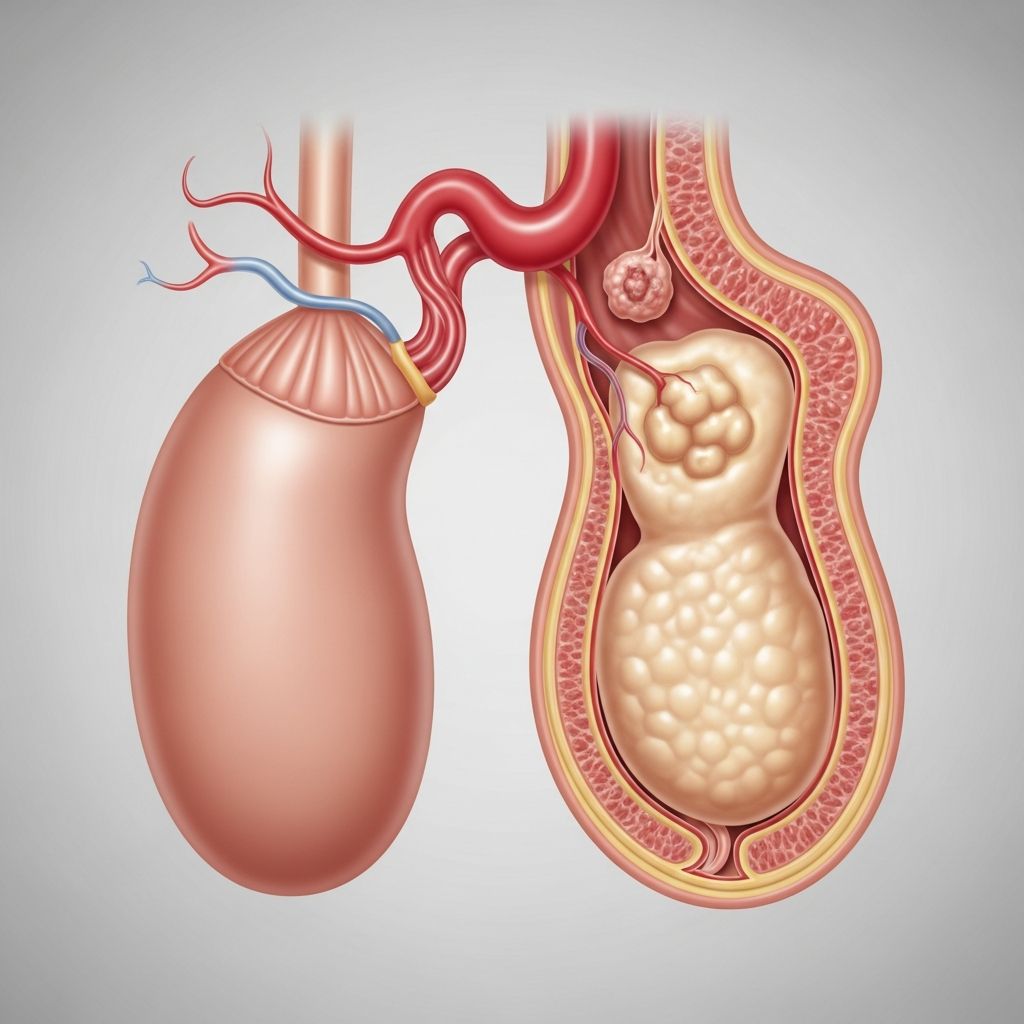
Seminoma is a type of germ cell tumor that most commonly affects one or both testicles, classified as a form of testicular cancer. In males, germ cells are specialized cells that develop into sperm. When these cells become cancerous, they can develop into seminomas, which are among the most treatable forms of testicular cancer. Although seminoma is relatively rare, it is very curable and has a high survival rate when treated appropriately. The condition typically requires surgical intervention, and in many cases, additional therapies may be necessary depending on the stage of the cancer.
One of the most encouraging aspects of seminoma diagnosis is that treatment is usually very effective and can be curative for the majority of patients. Unlike some other cancers, seminoma often responds well to standard treatments, particularly radiation therapy and chemotherapy. With proper medical management and regular follow-up care, most individuals diagnosed with seminoma achieve excellent long-term outcomes.
Who is at Risk for Seminoma?
Seminoma can affect anyone with testicles at any age, though certain factors increase the likelihood of developing this condition. Understanding these risk factors can help individuals recognize when medical consultation is appropriate and when screening or self-examination might be beneficial.
Risk factors for seminoma include:
– Family history of testicular cancer- Undescended testicles (cryptorchidism) during childhood- Previous history of testicular cancer- Certain genetic conditions or chromosomal abnormalities- Age (most commonly affects men in their 20s to 40s)- Caucasian ethnicity- HIV infection or immunosuppression
Seminoma typically grows more slowly compared to non-seminomatous germ cell tumors, which is one reason why it generally has a more favorable prognosis. Non-seminomas consist of multiple cell types and tend to grow and spread more rapidly than seminomas.
Diagnostic Approaches for Seminoma
A healthcare provider can diagnose seminoma through a combination of clinical evaluation and diagnostic testing. Early and accurate diagnosis is crucial for determining the appropriate treatment plan and predicting outcomes.
Initial Clinical Evaluation
The diagnostic process typically begins with a thorough medical history and physical examination. Your healthcare provider will ask about any symptoms you’ve noticed, such as lumps, swelling, or discomfort in the testicles. They will also perform a careful physical examination of both testicles to identify any abnormalities.
Imaging and Laboratory Tests
Testicular Ultrasound: A testicular ultrasound is a noninvasive imaging test that uses sound waves to produce real-time images or video of your testicles. This is often the first imaging study performed when testicular cancer is suspected, as it provides clear visualization of the testicular tissue and can help identify suspicious masses.
Additional Imaging Tests: If seminoma is suspected, a healthcare provider may recommend further imaging including CT scans (computed tomography), X-rays, or MRI (magnetic resonance imaging) to determine whether the cancer has spread to other areas of the body. These tests help visualize the retroperitoneal lymph nodes and other organs that might be affected by metastatic disease.
Related Stories



Serum Tumor Marker Tests: Blood tests measuring tumor markers are essential in seminoma diagnosis. These markers, particularly alpha-fetoprotein (AFP) and human chorionic gonadotropin (hCG), can indicate the presence of cancer cells. In pure seminoma, AFP should be normal, while hCG and lactate dehydrogenase (LDH) may be elevated. Importantly, if a tumor histologically appears to be seminoma but has elevated AFP, it must be treated as a non-seminoma due to the different treatment implications.
Orchiectomy for Diagnosis and Treatment
A radical inguinal orchiectomy is both a diagnostic and therapeutic procedure. During this surgery, a surgeon removes your affected testicle and sends it to a pathologist for microscopic examination to confirm the presence of cancer cells and determine the tumor type. This procedure serves the dual purpose of definitively diagnosing seminoma while simultaneously removing the primary tumor.
Cancer Staging: Understanding Your Diagnosis
After a seminoma diagnosis is confirmed, healthcare providers use cancer staging to determine the size of the tumor and whether it has spread to other areas of the body. Accurate staging is essential for guiding treatment decisions and predicting prognosis.
Staging System for Testicular Cancer
Healthcare providers stage testicular cancer from stage 0 to stage 3 for seminomas and non-seminomas. Unlike many other cancer types, there is no stage 4 in testicular cancer classification. In general, lower stage numbers indicate slower-growing cancers. Stages 1 through 3 also include substages designated as A, B, C, or S to provide more detailed information about the extent of disease.
Stage I: Cancer is confined to the testicle and has not spread to lymph nodes or distant organs.
Stage II: Cancer has spread to retroperitoneal lymph nodes (lymph nodes in the back of the abdomen).
Stage III: Cancer has spread to distant organs or non-retroperitoneal lymph nodes.
TNM Classification System
Healthcare providers may also use the TNM system to provide further detail regarding tumor characteristics. This system categorizes cancers based on:
– Tumor size and local extent- Lymph node involvement- Presence of distant metastases
Understanding your cancer stage and TNM classification is essential information that helps your healthcare team diagnose your condition accurately and plan your individualized treatment strategy.
Treatment Options for Seminoma
Treatment for seminoma depends on several factors, including your cancer stage, overall health status, treatment preferences, and tumor characteristics. Most treatment plans include surgery as the foundation, with additional therapies determined by staging results.
Radical Inguinal Orchiectomy
For all seminoma stages, healthcare providers recommend a radical inguinal orchiectomy as the primary surgical treatment. During this procedure, a surgeon removes your affected testicle(s) and spermatic cord. The spermatic cord carries semen from your testicles to your penis during ejaculation and also supplies blood to the testicles while containing nerves, lymph vessels, and the vas deferens. The surgeon carefully closes off the blood vessels and lymphatic vessels to prevent cancer from spreading to other areas of the body.
This procedure will not affect your ability to achieve an erection, experience orgasm, or have biological children through natural means. If a surgeon must remove both testicles, you will still retain sexual function. If you wish to have biological children, you can bank your sperm before treatment and use assisted reproductive techniques such as in vitro fertilization (IVF).
Additional Treatment Modalities
Following radical inguinal orchiectomy, additional seminoma treatments depend on cancer staging and may involve one or more of the following approaches:
Radiation Therapy: Seminomas are particularly sensitive to radiation therapy. This treatment uses high-energy beams to target and destroy cancer cells. Radiation may be directed at the retroperitoneal lymph nodes and other areas where cancer is likely to recur.
Chemotherapy: Chemotherapy uses powerful drugs to kill cancer cells throughout the body. Seminomatous testicular cancers respond well to chemotherapy treatment, and this approach may be recommended depending on stage and other prognostic factors.
Surveillance: For early-stage seminomas with favorable prognostic features, a healthcare provider may recommend surveillance (close monitoring with regular imaging and blood tests) rather than immediate additional treatment, as recurrence rates are low.
Prognosis and Survival Outcomes
The outlook for seminoma is very good and represents one of the most curable cancers. Approximately 90% of seminomas are classified as good prognosis, with a 5-year progression-free survival rate of 82% and a 5-year overall survival rate of 86%. For patients with stage I seminoma, cure rates approach 100%, regardless of whether postoperative adjuvant therapy is administered.
Clinical series including more than 1,200 patients with stage I seminoma managed by surveillance after orchiectomy demonstrate that the overall 10-year tumor recurrence rate is 15% to 20%, and nearly all patients whose disease recurred were successfully cured by radiation therapy or chemotherapy.
It is usually very treatable and highly responsive to standard cancer therapies. The combination of surgical expertise, sensitivity to radiation and chemotherapy, and careful follow-up care contributes to the excellent prognosis associated with seminoma.
Follow-Up Care and Monitoring
After seminoma treatment, you will need regular checkups for the rest of your life to ensure cancer does not return. Your follow-up care may include:
– Physical examinations of your remaining testicle and lymph nodes- Blood tests to measure tumor markers (AFP, hCG, LDH)- Imaging studies such as chest X-rays or CT scans- Regular self-examination of your testicles
The frequency and type of follow-up testing will depend on your specific stage, treatment received, and individual risk factors. Your healthcare team will develop a personalized surveillance schedule to monitor your recovery and long-term health.
Important Considerations About Sexual Function and Fertility
Understandably, many men with seminoma have concerns about how treatment might affect their sexual function and fertility. The good news is that radical inguinal orchiectomy does not affect your ability to achieve erections, experience orgasms, or produce testosterone. Your remaining testicle will typically continue to produce adequate hormones and sperm for reproductive purposes.
If bilateral orchiectomy becomes necessary, testosterone replacement therapy can be administered to maintain sexual function and overall health. Additionally, sperm banking before treatment offers the opportunity for future biological parenthood using assisted reproductive technologies if desired.
Comparison: Seminoma vs. Non-Seminomatous Germ Cell Tumors
| Feature | Seminoma | Non-Seminoma |
|---|---|---|
| Growth Rate | Slow | Fast |
| Cell Composition | Single cell type | Multiple cell types |
| Radiation Sensitivity | Highly sensitive | Less sensitive |
| Chemotherapy Response | Excellent response | Variable response |
| Metastasis Pattern | Less prone to distant spread | More prone to distant spread |
| Surgery Role | Primary treatment | Larger surgical role for cure |
| 5-Year Survival Rate | 86% (good prognosis) | Varies by stage |
Frequently Asked Questions About Seminoma
Q: What is the difference between seminoma and non-seminoma testicular cancer?
A: Seminomas consist of a single cell type and grow more slowly, while non-seminomas contain multiple cell types and grow more rapidly. Seminomas are also more sensitive to radiation therapy and less likely to spread to distant organs. Non-seminomas may contain teratomatous elements that are resistant to chemotherapy and often require more extensive surgery.
Q: Will removing one testicle affect my sexual function or fertility?
A: No. Removing one testicle will not affect your ability to achieve erections, have orgasms, or father biological children. Your remaining testicle will produce adequate testosterone and sperm. If both testicles must be removed, you can receive testosterone replacement therapy to maintain sexual function.
Q: What is the cure rate for stage I seminoma?
A: Cure rates for stage I seminoma approach 100%, regardless of whether additional therapy is given after surgery. Even for patients managed by surveillance alone, the 10-year recurrence rate is only 15-20%, and nearly all recurrences can be successfully treated.
Q: How often will I need follow-up appointments after treatment?
A: You will need regular checkups for the rest of your life. The frequency depends on your specific stage and treatment received, but typically includes physical examinations, blood tests for tumor markers, and imaging studies. Your healthcare team will establish a personalized surveillance schedule.
Q: Can I bank sperm before treatment?
A: Yes. If you wish to have biological children in the future, you can bank your sperm before undergoing treatment. This stored sperm can be used with assisted reproductive techniques such as in vitro fertilization (IVF) if needed.
Q: What symptoms should prompt me to see a doctor?
A: Schedule an appointment if you notice any lumps, swelling, pain, heaviness, or other changes in your testicles. Early detection significantly improves treatment outcomes, so prompt evaluation of any testicular abnormalities is important.
When to Contact Your Healthcare Provider
Schedule an appointment with a healthcare provider if you notice any lumps or other changes to your testicles. Early detection is crucial for optimal outcomes. If you have received treatment for seminoma, be sure to maintain regular checkups with your provider to monitor your overall health and ensure the cancer does not return. Do not hesitate to report any new symptoms or concerns during your follow-up visits.
Key Takeaways
Seminoma is a highly treatable form of testicular cancer with excellent prognosis when diagnosed and treated appropriately. The combination of radical inguinal orchiectomy, selective use of radiation therapy or chemotherapy based on staging, and careful long-term surveillance results in cure rates approaching 100% for early-stage disease. Modern treatment preserves sexual function and fertility options for most patients. With proper medical care and regular follow-up, the vast majority of individuals diagnosed with seminoma achieve excellent long-term outcomes and return to normal quality of life.
References
- Seminoma: Stages, Causes, Treatment & Prognosis — Cleveland Clinic. 2024-10-14. https://my.clevelandclinic.org/health/diseases/seminoma
- Testicular Cancer Treatment (PDQ) — National Cancer Institute. https://www.cancer.gov/types/testicular/hp/testicular-treatment-pdq
- Testicular Cancer: Symptoms, Signs, Causes & Treatment — Cleveland Clinic. https://my.clevelandclinic.org/health/diseases/12183-testicular-cancer
- Testicular Cancer: Causes, Risk Factors and How to Perform a Self-Exam — Blue Cross Blue Shield Michigan. https://www.bcbsm.mibluedaily.com/stories/prevention/testicular-cancer-causes-risk-factors-and-how-to-perform-a-self-exam
Similar Articles








Read full bio of Sneha Tete