Senile Purpura: Causes, Symptoms, and Management
Understanding senile purpura: A comprehensive guide to bruising in aging skin and effective management strategies.
What is Senile Purpura?
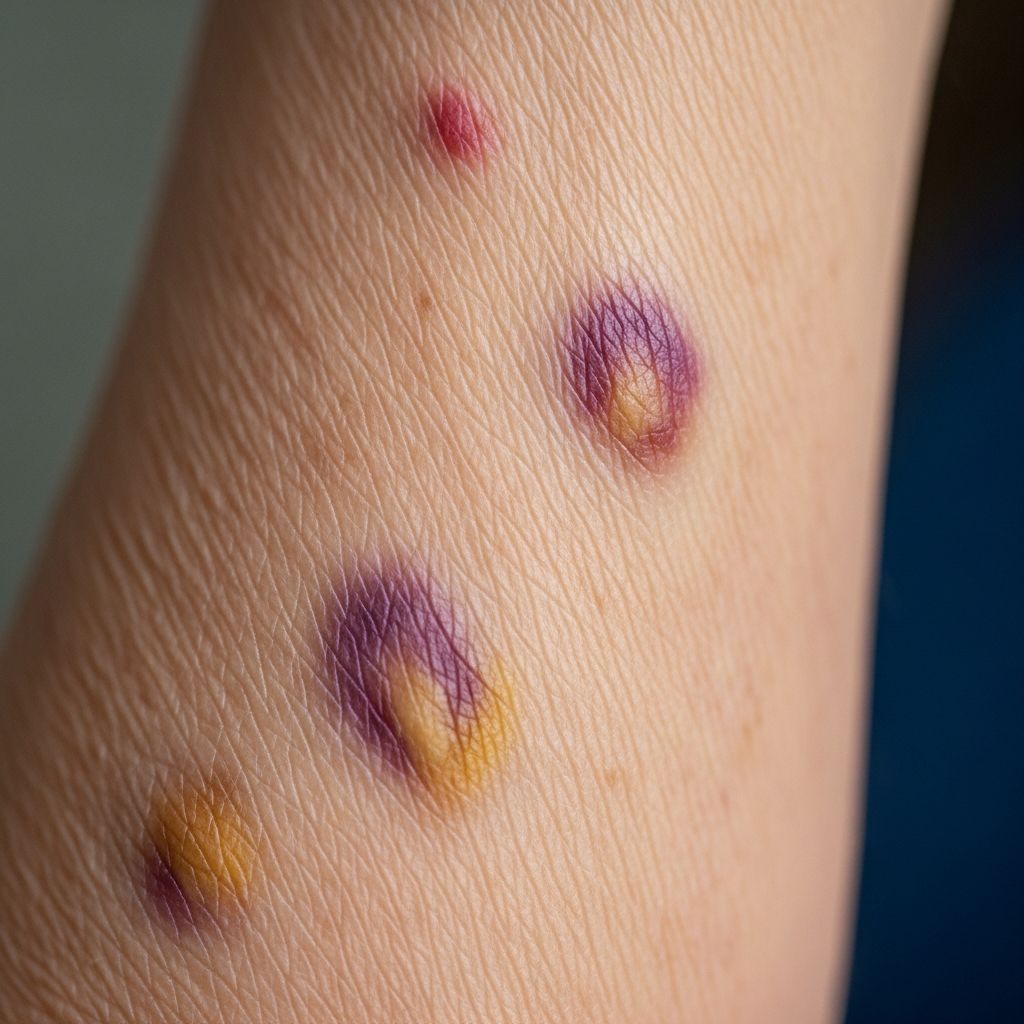
Senile purpura, also known as actinic purpura, is a common and benign skin condition characterized by the recurrent formation of purple bruises on the extensor surfaces of the forearms and hands. This condition affects more than 10% of individuals aged over 50 years old and occurs equally in males and females. Unlike typical bruises that change color as they heal, senile purpura lesions maintain their dark purple appearance and take up to three weeks to resolve completely.
The condition is cosmetically displeasing to many patients but poses no serious health risks and is unrelated to systemic diseases or blood disorders. However, senile purpura does represent a significant risk factor for skin tears, particularly in institutionalized elderly patients.
Epidemiology and Prevalence
Senile purpura is one of the most common dermatological conditions in aging populations. The prevalence increases dramatically with age, affecting more than one in ten individuals over the age of 50. The condition demonstrates equal distribution across genders, with both men and women experiencing similar rates of occurrence. Geographic location plays a role in prevalence, with higher rates observed in areas with intense sun exposure, such as Florida, where the condition is particularly common due to chronic ultraviolet radiation exposure.
Pathophysiology: How Senile Purpura Develops
The development of senile purpura involves a complex interplay of aging and environmental factors. With advancing age and cumulative photodamage, the dermal tissues gradually become thin and fragile. This deterioration increases the fragility of blood vessels in the skin. As a result, superficial blood vessels tear and rupture even with negligible trauma—sometimes from such minor contact that patients cannot recall the exact cause of injury.
When these blood vessels rupture, blood extravasates into the surrounding dermis, resulting in the development of dark purple ecchymoses (bruises). The affected skin and subcutaneous tissue often appear noticeably thinned and atrophic. Studies comparing skin thickness show that epidermal thickness in older untreated skin is approximately 15.81% thinner than in younger skin, measuring 45.31 micrometers versus 53.82 micrometers respectively.
Following the initial resolution of bruises, persistent brown pigmentation often develops. This discoloration results from the deposition of hemosiderin, a component of red blood cells that remains in the skin. This brownish discoloration may clear over weeks to months or, in some cases, may be permanent.
Risk Factors and Contributing Causes
Several factors significantly increase the likelihood of developing senile purpura:
- Chronic Sun Exposure: Prolonged ultraviolet radiation exposure is a primary causative factor, as it damages collagen and elastin in the dermis, weakening structural support for blood vessels.
- Advanced Age: Natural skin atrophy and loss of dermal thickness occur with aging, reducing the skin’s protective cushioning around blood vessels.
- Corticosteroid Use: Both oral and topical corticosteroids increase risk by affecting skin integrity and vessel fragility.
- Anticoagulant Medications: Blood thinners significantly increase bruising tendency and may worsen purpura severity.
- Fair Skin Type: Individuals with lighter skin tones and history of sunburns are particularly vulnerable.
- Systemic Conditions: Conditions such as diabetes, rheumatoid arthritis, and lupus may increase likelihood of developing lesions.
Clinical Presentation and Symptoms
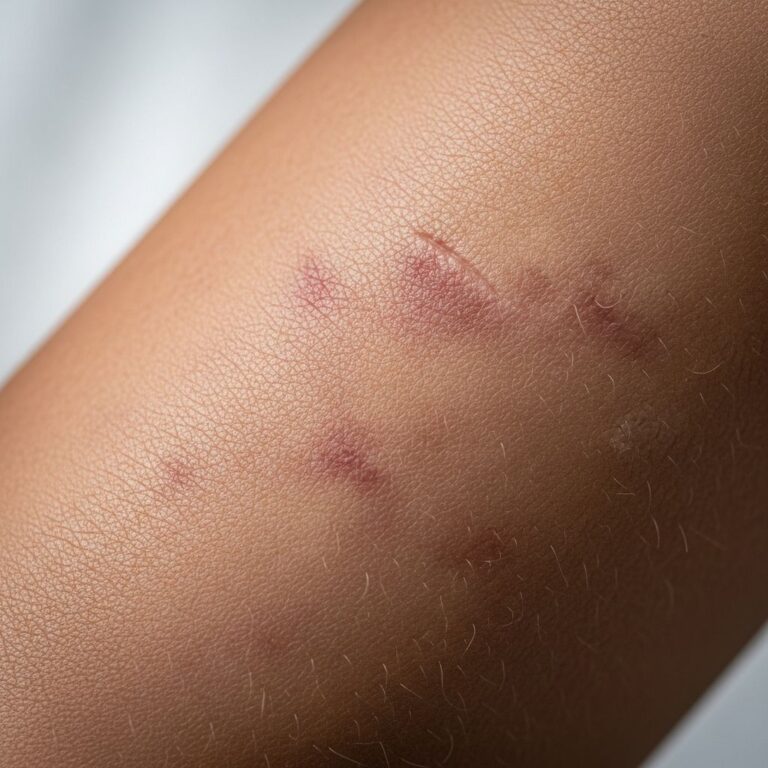
Senile purpura presents with distinctive clinical characteristics. The condition is characterized by
irregularly-shaped macules measuring 1 to 4 centimeters in diameter
, appearing as dark purple lesions with well-defined margins. These lesions develop on the extensor surfaces of the hands and forearms, though they may occasionally appear on other sun-exposed areas.A key distinguishing feature is that these lesions do not undergo the typical color changes associated with normal bruises, which typically progress through purple, green, yellow, and brown stages as they heal. Instead, senile purpura lesions remain persistently dark purple until they fade completely over a period of up to three weeks.
Related Stories



New lesions frequently appear without any recognized trauma, developing spontaneously or from minimal contact. Patients often report being unaware of any injury that caused the bruises. The surrounding skin typically appears thin and atrophic with reduced elasticity.
Diagnosis
Diagnosis of senile purpura is primarily clinical, based on the characteristic appearance and distribution of lesions in older individuals with sun-damaged skin. The dark purple ecchymoses confined to the extensor surfaces of the hands and forearms, combined with a history of chronic sun exposure and age over 50, are typically sufficient for diagnosis. No laboratory tests or imaging studies are required, as senile purpura is not associated with systemic bleeding disorders or hematologic abnormalities.
Management and Treatment Options
Conservative Management
Since senile purpura is benign and self-resolving, no treatment is strictly necessary. Most lesions resolve spontaneously over several days to three weeks without intervention. However, because many patients find the appearance cosmetically displeasing, various treatment modalities have been developed.
Topical Treatments
Several topical options are available, though their efficacy remains variable:
- Retinol and Retinoids: Vitamin A-based topical retinoids have been reported to decrease signs of skin aging and may help prevent senile purpura development by promoting skin renewal and collagen production.
- Arnica: This herbal extract is commonly recommended, though clinical evidence for its efficacy remains limited.
- Vitamin K: Topical vitamin K formulations are among the three most common topical options, though studies evaluating efficacy have been inconclusive.
It is important to note that many studies evaluating these topical treatments lack proper control groups, and some studies with controls have produced contradictory findings. Multiple studies have shown that improvements can occur with a base vehicle cream alone, suggesting the importance of rigorous study design when evaluating purpura treatments.
Oral and Nutritional Supplements
Several oral interventions have shown promise in managing senile purpura:
- Citrus Bioflavonoids: Taking citrus bioflavonoids twice daily may reduce purpura lesions, with one study finding a 50 percent reduction in purpuric lesions in a group of 70 senior citizens.
- Vitamin C Supplementation: Studies have shown that vitamin C supplementation improved purpura in patients who had prior vitamin C deficiency.
- Citrus Bioflavonoids with Antioxidant Effects: Some studies suggest that oral supplementation of citrus bioflavonoids may help prevent senile purpura development due to their antioxidant properties.
Advanced Treatment: Broadband Light Therapy
Broadband light (BBL) therapy represents an emerging treatment option showing promising results. In clinical studies, broadband light treatment demonstrated significant efficacy, with all subjects experiencing at least a 50% reduction in the total area of ecchymoses, including patients on blood thinners and inhaled or injected corticosteroids.
Treatment Protocol: Patients without significant sun damage typically receive treatment once weekly for a total of 4 to 8 sessions, with both arms requiring approximately 15 to 20 minutes per session. Each subsequent treatment session is tailored based on results from the previous treatment. Maintenance therapy is required approximately once every 3 to 6 months.
Mechanism and Results: Broadband light therapy works through multiple mechanisms, increasing collagen production, enhancing epidermal thickness, and removing vascular lesions. Treatment with broadband light increased epidermal thickness by 21.14% compared to untreated older skin, bringing epidermal thickness in elderly subjects to levels comparable with younger subjects (54.89 micrometers versus 53.82 micrometers).
Side Effects: Side effects are minimal and temporary, with patients appearing slightly red and feeling mildly warm for a couple of hours after treatment. No side effects lasted more than 30 days. Unlike skin resurfacing procedures, broadband light therapy does not require patients to remain indoors during recovery. When sun damage is present, the damage becomes darker and then flakes off naturally.
Treatment Technique: Multiple passes at varying energy levels, with different filters targeting different skin depths, prove most effective for senile purpura, which involves bruises in multiple stages displaying different colors including purple, pink, red, yellow, and green.
Epidermal Growth Factor
One 2015 study found that applying epidermal growth factor directly to the skin twice per day thickened the skin and decreased the number of purpuric lesions experienced by study participants.
Combination Therapies
Some dermatologists employ combination approaches for optimal results. One treatment protocol involves a laser treatment followed 2 days later by combined radiofrequency and ultrasound (Exilis Ultra) to improve blood flow and help remove extravasated red blood cells.
Prevention Strategies
While senile purpura cannot be completely prevented, several measures can reduce the risk and severity:
- Sun Protection: Consistent use of broad-spectrum sunscreen with appropriate SPF rating and sun-protective clothing significantly reduces photodamage and may prevent or delay senile purpura development.
- Medication Management: Individuals on corticosteroids or anticoagulants should discuss with their healthcare providers whether alternatives exist or if protective measures are advisable.
- Skin Care: Regular use of topical retinoids and vitamin C may help maintain skin integrity and reduce the appearance of sun damage.
- Nutritional Support: Adequate vitamin C intake and consideration of citrus bioflavonoid supplementation may provide protective benefits.
Complications and Associated Risks
While senile purpura itself is benign, it does carry certain practical implications. The most significant risk is the increased fragility of skin, which predisposes patients—particularly those in institutional settings—to skin tears. Skin tears can be painful and may become infected, requiring proper wound care. The thinned, atrophic skin characteristic of senile purpura is more vulnerable to additional trauma and slower to heal from injuries.
Prognosis
The prognosis for senile purpura is excellent. The condition is benign and self-resolving, with lesions typically fading within three weeks even without treatment. However, new lesions commonly recur, particularly in individuals with ongoing sun exposure or those taking medications that increase bleeding tendency. With appropriate sun protection and preventive measures, the frequency and severity of new lesions may be reduced.
Frequently Asked Questions
Q: Is senile purpura a sign of a serious blood disorder?
A: No. Senile purpura is benign and unrelated to systemic diseases or blood dyscrasias (disorders). It results from structural changes in aging skin due to sun exposure, not from abnormalities in blood clotting.
Q: How long do senile purpura lesions take to heal?
A: Lesions typically resolve over a period ranging from several days to three weeks. Unlike normal bruises that change color, senile purpura lesions remain dark purple until they fade completely.
Q: Can senile purpura be prevented?
A: While senile purpura cannot be completely prevented due to natural aging, consistent sun protection through sunscreen and protective clothing can significantly reduce photodamage and lower risk. Managing medications that increase bleeding tendency under medical supervision may also help.
Q: What is the most effective treatment for senile purpura?
A: Broadband light therapy has shown the most promising results, with studies demonstrating at least 50% reduction in ecchymoses in nearly all patients, including those on blood thinners and corticosteroids. However, treatment choice should be individualized based on patient preferences and medical history.
Q: Are there any natural remedies for senile purpura?
A: Several natural approaches may help, including citrus bioflavonoids (twice daily), which reduced lesions by 50% in one study of 70 seniors, and vitamin C supplementation, particularly for those with prior deficiency.
Q: Who is most at risk for developing senile purpura?
A: Individuals over 50 years old with chronic sun exposure are at highest risk. Additional risk factors include fair skin, use of corticosteroids or anticoagulants, and conditions such as diabetes or rheumatoid arthritis.
References
- Senile Purpura — DermNet NZ. Accessed January 2026. https://dermnetnz.org/topics/senile-purpura
- Senile or Actinic Purpura: Vitamin K, Natural Remedies — Healthline. https://www.healthline.com/health/senile-purpura
- Senile Purpura — Merck Manuals Professional. Harvard Medical School. https://www.merckmanuals.com/professional/hematology-and-oncology/bleeding-due-to-abnormal-blood-vessels/senile-purpura
- Targeting Senile Purpura with Broadband Light — The Derm Digest. American Society for Dermatologic Surgery. https://thedermdigest.com/targeting-senile-purpura-with-broadband-light/
- Understanding Purpura Begins With A Professional Dermatologist — SI Dermatology. https://www.sipderm.com/a-dermatologists-guide-to-purpura/
- Actinic Purpura — Heights Dermatology, Texas. https://www.heightsskin.com/actinic-purpura
- Treatment of Actinic Purpura — National Institutes of Health, PubMed Central. https://pmc.ncbi.nlm.nih.gov/articles/PMC5605207/
Similar Articles








Read full bio of Sneha Tete