Sensitive Skin: Expert Guide To Causes, Care, And Prevention
Understanding the causes, symptoms, and effective management strategies for sensitive skin to restore comfort and barrier function.
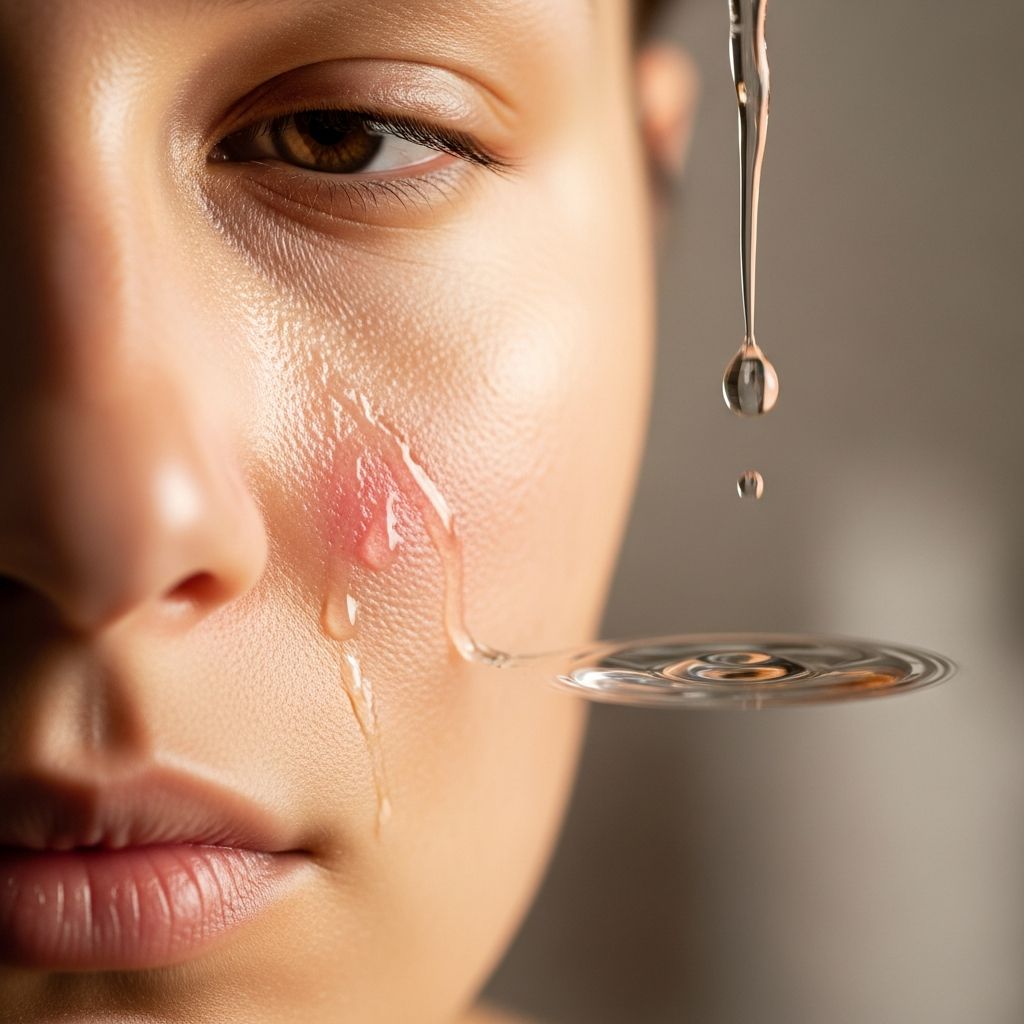
Sensitive skin is a common condition characterized by heightened reactivity to environmental factors, skincare products, and other irritants, often resulting from a compromised skin barrier that allows moisture loss and irritant penetration. This leads to symptoms such as redness, stinging, burning, and itching, affecting quality of life for millions worldwide.
What is sensitive skin?
Sensitive skin refers to skin that reacts more easily than normal due to a weakened protective barrier, making it prone to irritation from everyday exposures. Unlike other skin types, it loses moisture faster and permits irritants to penetrate more readily, manifesting as discomfort without necessarily indicating a specific disease. Dermatologists note that while not a formal diagnosis, it often overlaps with conditions like eczema or rosacea, where the skin’s natural defenses are impaired.
The skin barrier, primarily the stratum corneum, acts as a shield against external aggressors. When disrupted—by harsh products, weather, or genetics—symptoms emerge rapidly. Studies emphasize that sensitive skin is subjective but consistently linked to barrier dysfunction, with symptoms triggered by otherwise tolerable stimuli.
Who gets sensitive skin?
Sensitive skin affects individuals across all ages, genders, and ethnicities, though women report it more frequently due to hormonal influences and product use. It is prevalent in those with fair skin, dry skin types, or a history of atopy (allergic tendencies). Children with eczema and adults with rosacea are particularly susceptible, as are people in dry climates or those undergoing stress.
- People with underlying conditions like atopic dermatitis, psoriasis, or rosacea.
- Those using aggressive skincare routines with actives like retinoids or acids.
- Individuals exposed to environmental stressors such as cold winds, sun, or pollution.
- Hormonally fluctuating groups, including pregnant women or those in menopause.
What causes sensitive skin?
The primary cause is impairment of the skin’s lipid barrier, which normally retains moisture and blocks irritants. This can stem from genetic predisposition, where skin produces fewer protective lipids, or acquired factors like over-cleansing and product overuse. Harsh soaps, fragrances, and exfoliants strip natural oils, exacerbating vulnerability.
Environmental triggers include temperature extremes, UV radiation, and low humidity, which dehydrate the skin. Internal factors like stress, diet changes, and hormonal shifts further weaken resilience. Medical conditions amplify this: eczema disrupts barrier proteins, while rosacea causes vascular reactivity.
Common triggers
- Skincare products: Fragrances, dyes, preservatives (e.g., parabens), alcohols, and sulfates.
- Environmental factors: Heat, cold, wind, sun exposure, and dry air.
- Lifestyle: Hot showers, overwashing, stress, poor sleep, and dietary irritants like spicy foods.
- Household items: Laundry detergents, fabrics (wool), and metals (nickel).
Signs and symptoms of sensitive skin
Typical manifestations include transient redness, stinging or burning upon product application, tightness, and itchiness. These reactions occur quickly after exposure and subside without intervention, distinguishing sensitive skin from chronic diseases. Severe cases may show swelling, dryness, or raw patches.
| Symptom | Description | Common Triggers |
|---|---|---|
| Redness | Flush or erythema, often with or without swelling | Products, heat, sun |
| Stinging/Burning | Sharp discomfort on application | Acids, fragrances, cold |
| Itchiness | Pruritus leading to scratching | Dryness, allergens |
| Tightness/Dryness | Pulling sensation post-cleansing | Harsh soaps, low humidity |
Related Stories



Associated conditions
Sensitive skin frequently coexists with dermatological disorders that inherently weaken the barrier.
- Atopic dermatitis (eczema): Chronic inflammation causing dry, itchy, inflamed patches; barrier gene mutations common.
- Irritant contact dermatitis: Non-immune reaction to chemicals damaging the epidermis.
- Allergic contact dermatitis: Immune-mediated to allergens like nickel or fragrances.
- Rosacea: Facial redness and flushing triggered by heat or stress.
- Seborrheic dermatitis: Scaly, itchy areas on scalp or face.
- Photodermatosis: Light-induced reactions mimicking sensitivity.
Diagnosis
Diagnosis is clinical, based on history of reactions to mild irritants and exclusion of allergies via patch testing. Dermatologists assess barrier function through symptoms, triggers, and sometimes biopsies for underlying conditions. Patient diaries tracking exposures aid identification.
Treatment of sensitive skin
Management focuses on barrier repair, trigger avoidance, and symptom relief. Key is simplification: fragrance-free, gentle products with ceramides, hyaluronic acid, and niacinamide to restore lipids.
- Cleansers: Mild, non-foaming like Cetaphil or CeraVe.
- Moisturizers: Thick emollients applied immediately post-bath.
- Topicals: OTC hydrocortisone for flares; prescription calcineurin inhibitors for chronic cases.
- Antihistamines: Oral for itch relief.
For severe cases, PUVA therapy or in-office anti-inflammatories may be used.
What is the differential diagnosis for sensitive skin?
Distinguish from aquagenic urticaria (water-induced hives), mastocytosis (histamine release), or early lupus. Patch testing rules out allergies; biopsy confirms if infection or neoplasm suspected.
Prevention of sensitive skin reactions
- Use lukewarm water and pat dry.
- Apply mineral sunscreen daily.
- Introduce new products one at a time, patch-tested.
- Opt for hypoallergenic laundry and clothing.
- Manage stress via mindfulness.
Skin care for sensitive skin
A minimalist routine: cleanse gently twice daily, moisturize liberally, and protect from elements. Avoid actives initially; build tolerance slowly. Oatmeal baths soothe acute flares.
| Step | Recommended Products | Tips |
|---|---|---|
| Cleanse | Gentle, fragrance-free (e.g., CeraVe Hydrating) | 30 seconds, no rubbing |
| Moisturize | Ceramide-rich (e.g., CeraVe Moisturizing) | Within 3 minutes of bathing |
| Protect | Mineral SPF 30+ (zinc/titanium) | Reapply every 2 hours |
FAQs
Q: Can sensitive skin be cured?
A: Not cured, but effectively managed with consistent gentle care and barrier repair, reducing flares significantly.
Q: Why has my skin suddenly become sensitive?
A: Often due to new products, hormonal changes, barrier damage from over-exfoliation, or seasonal shifts.
Q: Is sensitive skin the same as allergic skin?
A: No; sensitivity is irritant-based, while allergies involve immune responses confirmed by testing.
Q: What daily habits worsen sensitive skin?
A: Hot showers, scented products, excessive touching, and skipping moisturizer.
Q: When to see a dermatologist for sensitive skin?
A: If symptoms persist despite avoidance, spread, or accompany systemic signs like fever.
References
- Sensitive Skin: 10 Causes, Treatments, and More — Healthline. 2023-05-15. https://www.healthline.com/health/skin-disorders/sensitive-skin
- Understanding Sensitive Skin: Triggers and Treatments — Alabama Dermatology. 2024-02-20. https://www.alabamaderm.com/blog/1395798-understanding-sensitive-skin-triggers-and-treatments
- Why Is My Skin Suddenly So Sensitive? — Schweiger Dermatology. 2023-11-10. https://www.schweigerderm.com/skin-care-articles/skin-care-tips/why-is-my-skin-suddenly-so-sensitive/
- Sensitive Skin: Symptoms, Common Triggers & How It’s Treated — Houston Methodist. 2022-02-14. https://www.houstonmethodist.org/blog/articles/2022/feb/sensitive-skin-symptoms-common-triggers-how-its-treated/
- Why Is My Skin So Sensitive? Understanding the Causes — Specialized Dermatology. 2024-01-08. https://www.specdermatl.com/blog/why-is-my-skin-so-sensitive-understanding-the-causes-and-how-a-dermatologist-can-help/
- What Causes Sensitive Skin and How to Care for It — Banner Health. 2023-07-22. https://www.bannerhealth.com/healthcareblog/teach-me/what-causes-sensitive-skin-and-how-to-care-for-it
- Sensitive Skin 101: Causes and Signs — CeraVe (Egypt site, educational). 2024-03-05. https://www.cerave.eg/en/skin-smarts/skin-concerns/sensitive-skin/sensitive-skin-101-causes-and-signs
Similar Articles








Read full bio of Sneha Tete