Sensitive Teeth: Causes, Symptoms & Treatment Options
Complete guide to understanding tooth sensitivity, its causes, and effective treatment solutions.
Understanding Sensitive Teeth
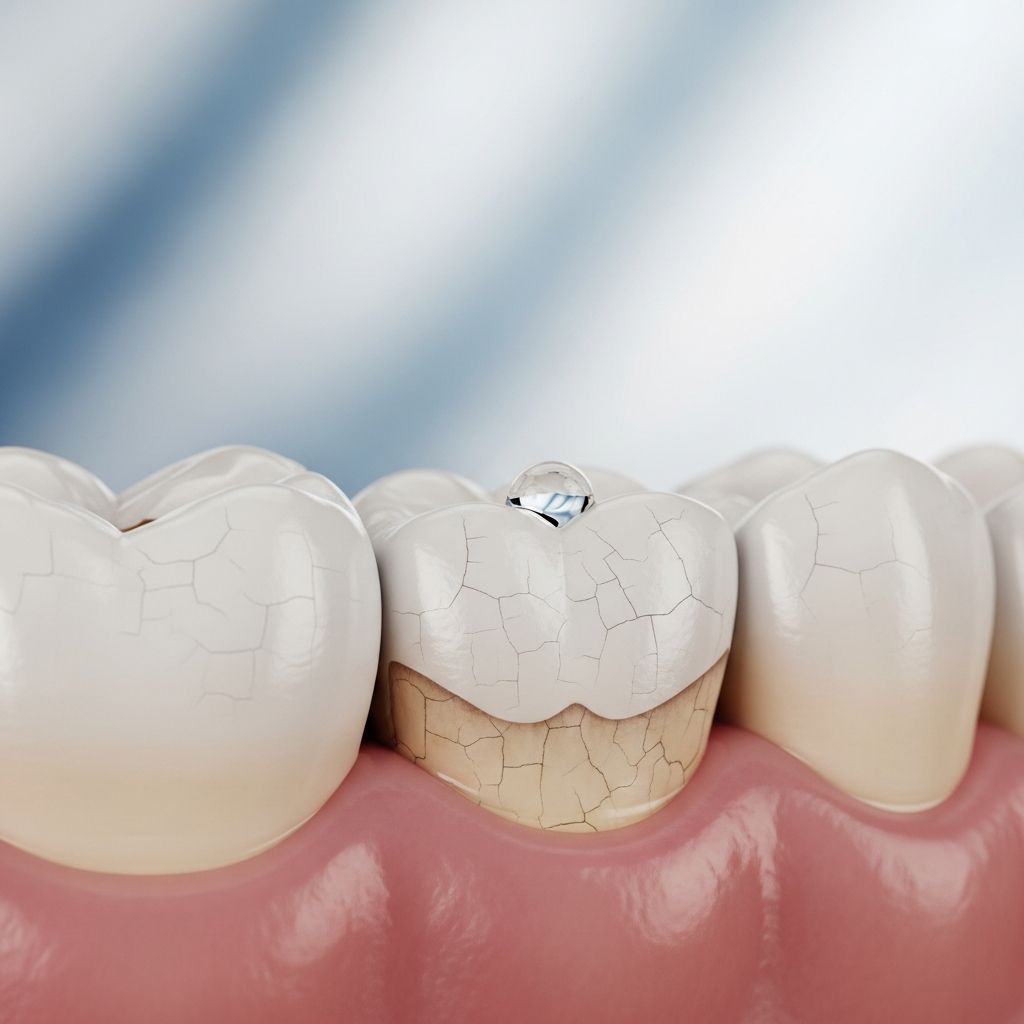
Tooth sensitivity is a common dental condition that affects millions of people worldwide. It occurs when the inner structure of your tooth becomes exposed to external stimuli, resulting in sudden, sharp pain. This discomfort typically appears when consuming hot or cold foods and beverages, or when exposed to cold air. Understanding the underlying causes of tooth sensitivity is essential for finding effective relief and preventing future complications.
Sensitive teeth can significantly impact your quality of life, making everyday activities like enjoying your favorite foods or drinks uncomfortable. However, with proper diagnosis and appropriate treatment, most cases of tooth sensitivity can be effectively managed. The key is recognizing the symptoms early and seeking professional dental care when needed.
Recognizing the Symptoms of Sensitive Teeth
Identifying whether you have sensitive teeth is the first step toward getting relief. Several distinct symptoms can indicate tooth sensitivity:
- Sharp, sudden pain when consuming hot or cold items
- Discomfort when brushing or flossing your teeth
- Sensitivity triggered by sweet or acidic foods
- Pain that comes and goes, especially when the affected area is stimulated
- Tenderness when biting down on certain foods
These symptoms may appear in one tooth or multiple teeth. In some cases, the pain is mild and occasional, while in others it can be quite severe and persistent. If you experience any of these symptoms regularly, scheduling an appointment with your dentist is important to determine the underlying cause and develop an appropriate treatment plan.
Common Causes of Tooth Sensitivity
Tooth sensitivity typically results from one of two main underlying issues: enamel loss or gum recession. However, several specific factors can contribute to developing sensitive teeth, and understanding these causes is crucial for prevention and treatment.
Enamel Erosion
Tooth enamel is the hard, protective outer layer of your teeth. Once it wears away, it cannot regenerate, making enamel erosion a serious concern. Several factors contribute to enamel erosion:
- Brushing too aggressively with a firm toothbrush
- Using abrasive toothpaste formulations
- Consuming acidic foods and beverages such as citrus fruits, sodas, and sports drinks
- Acid reflux disease, which exposes teeth to stomach acid
- Teeth grinding or clenching (bruxism)
- Eating disorders that expose teeth to gastric acid
When enamel erodes, it exposes the layer beneath called dentin, which contains microscopic tubules leading to the nerve center of the tooth. This exposure causes the increased sensitivity associated with worn enamel.
Gum Recession
Gum recession occurs when gum tissue pulls away from the tooth surface, exposing the root. Unlike the crown of the tooth, the root is not protected by enamel, making it more susceptible to sensitivity. Gum recession can result from:
- Aging and natural gum tissue loss
- Improper or aggressive brushing techniques
- Gum disease and periodontal infections
- Genetic predisposition to thin gums
- Tobacco use
Root exposure is particularly problematic because the root surface contains even more tubules than the crown, leading to heightened sensitivity.
Related Stories



Tooth Decay and Cavities
Cavities, worn fillings, and cracked teeth create pathways for external stimuli to reach the sensitive inner layers of your tooth. These structural compromises expose the dentin layer, causing significant discomfort when eating or drinking. Tooth decay requires prompt professional attention to prevent further damage and infection.
Recent Dental Procedures
Dental cleanings, fillings, whitening procedures, and other treatments can cause temporary tooth sensitivity. This type of sensitivity usually subsides within a few weeks as the tooth adjusts. However, if sensitivity persists beyond this timeframe, consult your dentist to rule out other complications.
Gum Disease
Gingivitis and periodontitis cause inflammation and deterioration of gum tissue, leading to gum recession and root exposure. Beyond causing sensitivity, untreated gum disease increases the risk of infection and tooth loss. Maintaining good oral hygiene is essential for preventing gum disease and the sensitivity it causes.
Poor Oral Hygiene
Inadequate brushing and flossing allow bacterial plaque to accumulate on teeth, leading to gum disease, tooth decay, and increased sensitivity. Proper oral hygiene practices help prevent multiple causes of tooth sensitivity.
Treatment Options for Sensitive Teeth
Several effective treatment options exist for managing tooth sensitivity, ranging from at-home care to professional dental procedures. The appropriate treatment depends on the underlying cause and severity of your sensitivity.
Desensitizing Toothpaste
Desensitizing toothpaste is often the first line of defense against tooth sensitivity. These specialized formulations contain active ingredients such as potassium nitrate or potassium chloride that help block nerve signals from reaching the brain. When used consistently, desensitizing toothpaste can significantly reduce sensitivity within several weeks. Regular use is essential for maintaining the protective effects.
Fluoride Treatments
Professional fluoride applications applied by your dentist are highly effective for strengthening tooth enamel and reducing sensitivity. Fluoride adds essential minerals to the teeth, reinforcing the enamel structure and sealing the tubules in exposed dentin. These in-office treatments are typically quick and provide long-lasting benefits, often requiring periodic reapplication.
Dental Bonding
Dental bonding involves applying a tooth-colored composite resin to exposed root surfaces or sensitive areas of the tooth. This protective coating shields the sensitive areas from temperature changes, acidic substances, and other irritants. Bonding is a non-invasive procedure that can be completed in a single dental visit.
Gum Grafting
For more severe cases of gum recession, soft tissue grafting may be recommended. This surgical procedure involves taking graft material from another area of your mouth or using donated tissue to cover exposed roots. Gum grafting not only reduces sensitivity but also improves the appearance of the gumline and protects teeth from future recession and decay.
Root Canal Treatment
If tooth sensitivity is severe and linked to an infected or damaged nerve, a root canal may be necessary. This procedure removes the affected nerve tissue from inside the tooth and seals the canal to prevent future issues. While root canals have a reputation for being uncomfortable, modern techniques make them relatively painless and highly effective for eliminating severe sensitivity caused by nerve problems.
Addressing Underlying Dental Issues
Treatment often requires addressing the root cause of sensitivity. Cracked teeth may need crowns or bonding, damaged fillings should be replaced, and cavities must be filled. Treating gum disease with professional cleaning and improved oral hygiene can stop progression and reduce sensitivity as gums heal.
Prevention Strategies
Preventing tooth sensitivity is often easier than treating it. Several strategies can help protect your teeth and maintain healthy gums:
- Brush gently with a soft-bristled toothbrush using proper technique
- Use fluoride-containing toothpaste and mouthwash
- Avoid acidic foods and beverages, or rinse your mouth with water after consuming them
- Do not grind or clench your teeth; consider using a night guard if you have bruxism
- Maintain excellent oral hygiene with twice-daily brushing and daily flossing
- Visit your dentist regularly for professional cleanings and checkups
- Avoid aggressive whitening treatments or use sensitivity-safe whitening products
- Address gum disease promptly with professional treatment
When to See a Dentist
While many cases of mild tooth sensitivity can be managed with desensitizing toothpaste and good oral hygiene, certain situations warrant professional dental care. Schedule an appointment with your dentist if:
- Sensitivity persists for more than a few weeks despite using desensitizing toothpaste
- Only one tooth is sensitive, which may indicate a specific problem like decay or a crack
- Sensitivity is severe or accompanied by other symptoms like pain, swelling, or discharge
- Sensitivity develops after a recent dental procedure and does not improve
- You have signs of gum disease such as red, swollen, or bleeding gums
Your dentist can perform a thorough examination, identify the underlying cause of your sensitivity, and recommend appropriate treatment to provide lasting relief.
Frequently Asked Questions
Q: Can sensitive teeth be cured permanently?
A: While some causes of sensitivity can be permanently resolved through treatments like root canals or gum grafting, sensitivity can often recur if the underlying conditions develop again. Maintaining good oral hygiene, protecting your enamel, and regular dental care help prevent recurrence and manage sensitivity long-term.
Q: How long does it take for desensitizing toothpaste to work?
A: Most people notice improvement within two to three weeks of consistent use. However, it may take up to four weeks of regular use to experience maximum benefits. Continuing to use the toothpaste twice daily helps maintain sensitivity relief.
Q: Is tooth sensitivity a sign of a serious problem?
A: While often manageable, tooth sensitivity can indicate underlying issues such as cavity formation, gum disease, or enamel erosion. If sensitivity is persistent or severe, professional dental evaluation is important to rule out serious problems and ensure appropriate treatment.
Q: Can I whiten my teeth if I have sensitive teeth?
A: Yes, but you should use sensitivity-safe whitening products and consult your dentist first. Your dentist can recommend appropriate whitening treatments or may suggest waiting until sensitivity is better controlled before whitening.
Q: What foods and drinks should I avoid if I have sensitive teeth?
A: Avoid or limit acidic foods and beverages such as citrus fruits, sodas, sports drinks, wine, and vinegar-based foods. Also be cautious with very hot or cold foods. If you consume acidic items, rinse your mouth with water afterward to minimize enamel damage.
Q: Does fluoride mouthwash help sensitive teeth?
A: Yes, fluoride mouthwash can help strengthen enamel and reduce sensitivity when used regularly. For optimal benefits, use it twice daily after brushing, and avoid rinsing your mouth with water immediately after use to allow fluoride to work effectively.
References
- What Causes Tooth Sensitivity and How to Treat It — The Laser Dental Group of Westfield. 2024. https://www.thelaserdentalgroupofwestfield.com/what-causes-tooth-sensitivity-and-how-to-treat-it
- Sensitive Teeth: Causes and Treatments — Cleveland Clinic. 2024. https://my.clevelandclinic.org/health/symptoms/10954-teeth-sensitivity
- Understanding Sensitive Teeth: Causes and Treatments — Sensodyne. 2024. https://www.sensodyne.com/en-us/understanding-tooth-sensitivity/
- Common Sensitive Teeth Causes and Cures — Penn Dental Medicine. 2024. https://penndentalmedicine.org/phmc-cedar-campus/blog/sensitive-teeth-causes/
- Sensitive Teeth: Symptoms, Causes, and Treatment Methods — Great Lakes Family Dental Group. 2024. https://www.greatlakesfamilydentalgroup.com/resources/articles/sensitive-teeth
- Sensitive Teeth — Oral Health Foundation. 2024. https://www.dentalhealth.org/sensitive-teeth
- Sensitive Teeth — MouthHealthy (American Dental Association). 2024. https://www.mouthhealthy.org/all-topics-a-z/sensitive-teeth
Similar Articles








Read full bio of medha deb