Sensitive Teeth: Expert Tips For Relief And Prevention
Discover causes, symptoms, and effective strategies to manage and prevent tooth sensitivity for lasting comfort.
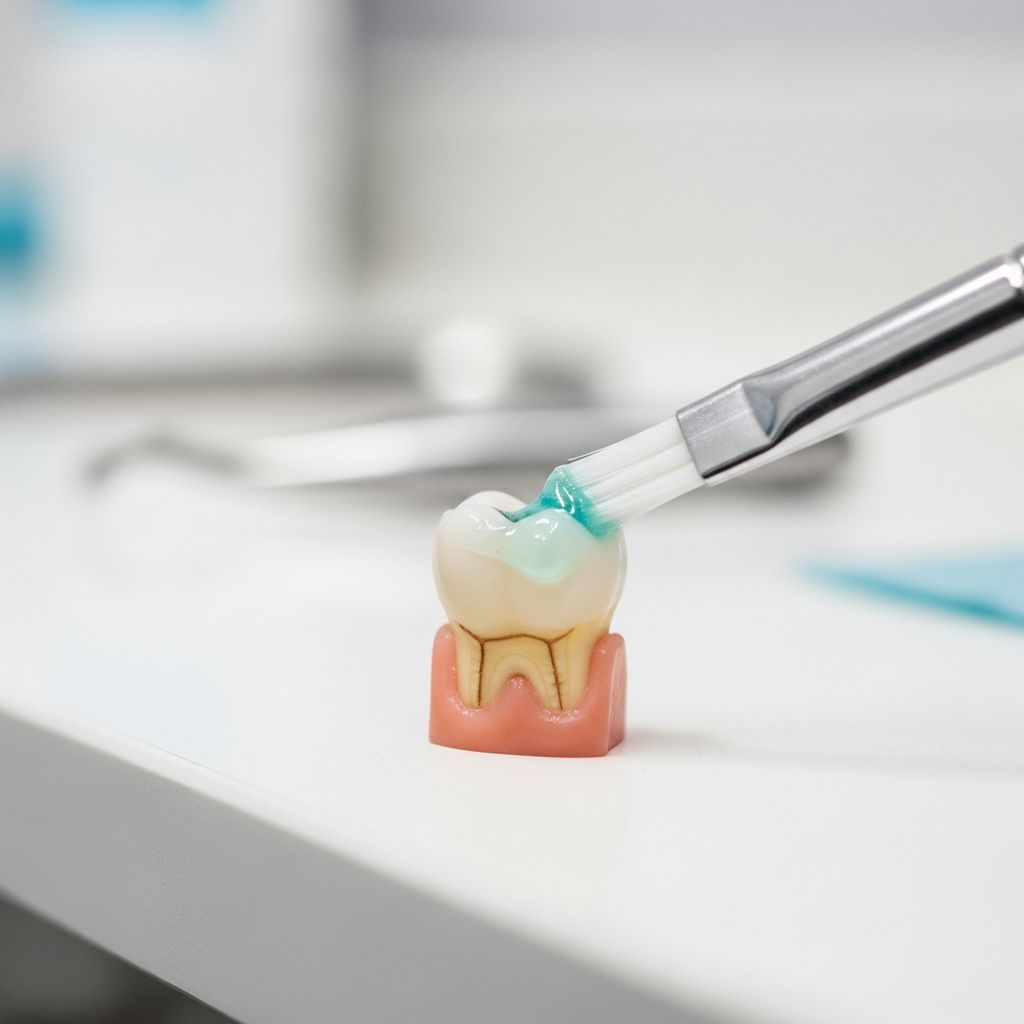
Tooth sensitivity affects millions, causing sudden sharp pain from everyday triggers like cold drinks or hot meals. This condition arises when the protective layers of teeth erode, exposing sensitive inner structures, but targeted strategies can provide significant relief.
Why Teeth Become Sensitive
The outer layer of teeth, known as enamel, shields the softer dentin beneath it. Dentin contains tiny tubules connected to nerve endings, and when enamel thins or gums recede, these tubules open to stimuli, triggering discomfort.
Gum recession exposes tooth roots, which lack enamel protection and have cementum that wears easily. This vulnerability heightens reactions to temperature changes, sweets, or air.
Common Triggers Behind Sensitivity
Several habits and conditions contribute to this issue. Aggressive brushing with hard-bristled brushes scrapes enamel over time, especially near the gumline.
- Grinding teeth (bruxism) during sleep wears down surfaces and stresses enamel.
- Acidic diets featuring citrus fruits, sodas, or tomatoes erode protective layers.
- Gum disease causes inflammation and recession, unveiling roots.
- Recent dental work, like cleanings or fillings, temporarily irritates dentin until healing occurs.
- Teeth whitening agents penetrate enamel, sometimes causing short-term vulnerability.
- Cracks, cavities, or worn fillings allow bacteria to reach sensitive areas.
- Age-related changes naturally thin enamel and recede gums.
Plaque buildup fosters decay, compounding exposure, while temporomandibular disorders (TMD) add jaw-related pain.
Recognizing the Signs of Tooth Sensitivity
Sensitivity manifests as brief, intense jolts rather than constant ache. Key indicators include:
| Symptom | Description | Common Triggers |
|---|---|---|
| Sharp pain bursts | Sudden stabs lasting seconds | Cold/hot foods, air, brushing |
| Biting discomfort | Pain on pressure | Chewing hard foods |
| Staining or discoloration | Yellowish tint from dentin | Acidic staining foods |
| Gum tenderness | Inflamed or receding gums | Disease progression |
| Headaches | Referred pain from grinding | Nighttime bruxism |
These signs often worsen with plaque accumulation or damaged restorations, signaling the need for dental evaluation.
Home-Based Relief Strategies
Many find initial comfort through daily adjustments. Start with desensitizing toothpastes containing potassium nitrate or stannous fluoride, which block nerve signals over weeks of use.
Switch to soft-bristled brushes and gentle circular motions to preserve enamel. Fluoride mouth rinses reinforce protection against erosion.
Daily Habits for Sensitivity Control
- Use sensitivity toothpaste twice daily for 2+ weeks.
- Avoid extreme temperatures; sip through straws.
- Limit acidic intake; rinse mouth with water after.
- Floss carefully to prevent gum irritation.
- Consider mouthguards for nighttime grinding.
These steps often reduce symptoms without professional intervention, though persistence warrants a visit.
Professional Interventions for Lasting Results
Dentists tailor treatments to root causes. Fluoride gels or varnishes applied in-office remineralize enamel and seal tubules.
For severe recession, gum grafts relocate tissue to cover roots, sourced from the palate or donors. Protective sealants or bonding cover exposed areas, while fillings, crowns, or inlays repair damage.
Related Stories



In infections reaching the pulp, root canals remove affected tissue and seal the tooth. Nightguards manage bruxism effectively.
| Treatment | Best For | Expected Outcome |
|---|---|---|
| Fluoride application | Mild enamel wear | Strengthened surfaces, reduced pain |
| Desensitizing agents | Nerve hypersensitivity | Blocked signals within days |
| Gum grafting | Root exposure | Covered roots, permanent shield |
| Restorative work | Cracks/decay | Protected tooth structure |
| Root canal | Pulp infection | Eliminated deep sensitivity |
Early intervention prevents progression to advanced issues.
Preventing Sensitivity Long-Term
Proactive care minimizes risks. Maintain balanced oral hygiene: brush softly twice daily, floss once, and use antimicrobial rinses.
Diet matters—cut back on erosive foods, opting for cheese or milk to neutralize acids. Regular checkups catch problems early, with professional cleanings removing stubborn plaque.
- Monitor for grinding; seek custom guards.
- Choose whitening cautiously, pausing if pain arises.
- Stay hydrated to buffer oral pH.
Children and seniors face higher risks, so tailored routines help.
When to Consult a Dentist
Self-care suffices for mild cases, but see a professional if pain persists beyond weeks, worsens, or accompanies swelling, fever, or loose teeth. Sudden onset post-procedure is normal but should fade; ongoing issues signal underlying problems like decay.
Untreated sensitivity risks further damage, emphasizing prompt care.
Frequently Asked Questions
Can sensitive teeth heal on their own?
Minor cases from recent treatments often resolve naturally as tissues recover, but chronic issues need intervention.
Is sensitivity a sign of cavities?
Yes, it can indicate decay exposing dentin; dental exams confirm.
How long until desensitizing toothpaste works?
Most notice relief in days to weeks with consistent use.
Does whitening always cause sensitivity?
Temporary effects are common but subside post-treatment.
Can diet alone fix sensitivity?
Diet aids prevention but rarely resolves established cases without hygiene or treatments.
Sensitive teeth disrupt daily life, but understanding triggers and remedies empowers effective management. Consistent habits and timely dental visits ensure a pain-free smile.
References
- Sensitive Teeth: Causes, Treatments, and Prevention — Oral-B. 2023. https://oralb.com/en-us/oral-health/conditions/teeth-sensitivity/sensitive-teeth-causes-treatments-prevention
- Sensitive teeth: common causes, symptoms and relief — CVS Health. 2024. https://www.cvs.com/learn/health/oral-health/sensitive-teeth
- Sensitive Teeth: Symptoms, Causes, and Treatment Methods — Great Lakes Family Dental Group. 2023. https://www.greatlakesfamilydentalgroup.com/resources/articles/sensitive-teeth
- Understanding Tooth Sensitivity: Causes, Symptoms, and Treatment Options — MFF Dentistry. 2024. https://mffdentistry.com/understanding-tooth-sensitivity-causes-symptoms-and-treatment-options/
- Sensitive teeth: What treatments are available? — Mayo Clinic. 2024-02-12. https://www.mayoclinic.org/healthy-lifestyle/adult-health/expert-answers/sensitive-teeth/faq-20057854
- Understanding Sensitive Teeth: Causes and Treatments — Sensodyne. 2024. https://www.sensodyne.com/en-us/understanding-tooth-sensitivity/
Similar Articles








Read full bio of medha deb