Sepsis: 5 Urgent Steps For Early Recognition And Treatment
Understand sepsis: symptoms, causes, risks, diagnosis, treatment, and prevention of this life-threatening condition.
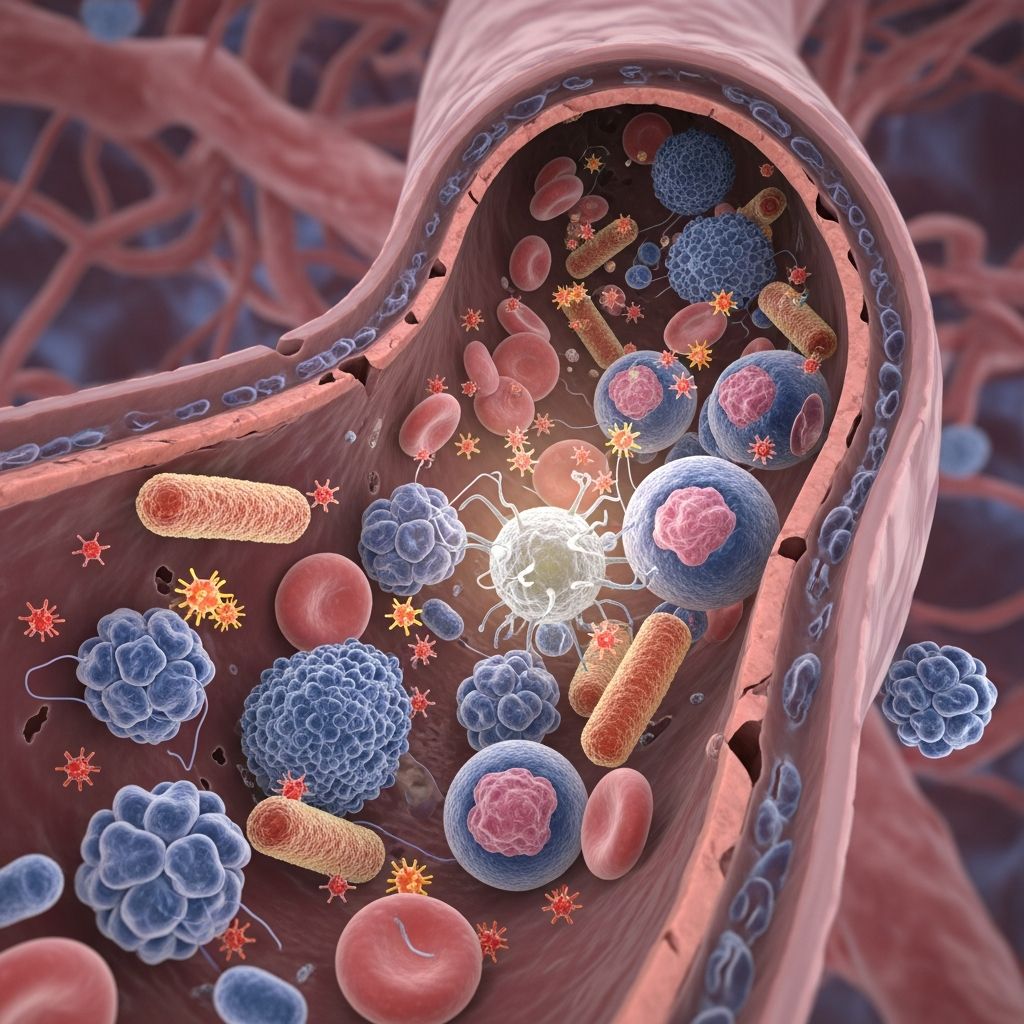
Sepsis is a life-threatening condition caused by the body’s extreme immune response to an infection, leading to widespread inflammation and organ dysfunction. Early recognition and treatment are critical, as it can rapidly progress to septic shock and death if not addressed promptly.
What Is Sepsis?
Sepsis occurs when an infection triggers a dysregulated host response, resulting in life-threatening organ dysfunction. According to the World Health Organization (WHO), it arises from the body’s reaction damaging its own tissues and organs, potentially causing shock, multiple organ failure, and death. The 2016 consensus definition from JAMA refines this as ‘life-threatening organ dysfunction caused by a dysregulated host response to infection,’ operationalized by an increase in the Sequential Organ Failure Assessment (SOFA) score of 2 or more points, linked to over 10% in-hospital mortality.
Unlike a simple infection, sepsis involves a multifaceted syndrome influenced by pathogen and host factors such as age, genetics, comorbidities, and environment. It evolves over time, with cellular defects driving physiologic abnormalities in organs. In lay terms, the body’s infection-fighting processes turn against itself, impairing organ function.
Sepsis Symptoms
Recognizing sepsis early is vital, as symptoms can mimic other conditions. Common signs include:
- Fever or hypothermia (low body temperature)
- Fast heart rate (tachycardia)
- Rapid breathing (tachypnea)
- Confusion or altered mental status
- Extreme body pain or discomfort
- Clammy or sweaty skin
- Shortness of breath
- Low blood pressure (in later stages)
These align with quick Sequential Organ Failure Assessment (qSOFA) criteria for bedside screening: altered mental status, systolic blood pressure ≤100 mm Hg, or respiratory rate ≥22 breaths per minute, indicating high risk of prolonged ICU stay or death. Symptoms progress quickly, especially in vulnerable groups.
Sepsis Causes
Sepsis typically stems from bacterial infections but can result from viruses, parasites, or fungi. Common entry points include lungs (pneumonia), urinary tract, skin, or abdomen. Healthcare-associated infections, often from drug-resistant pathogens, are frequent, affecting millions annually and contributing to antimicrobial resistance issues.
The pathophysiology involves innate immunity activation via pathogen-associated molecular patterns (PAMPs) binding to receptors on immune cells, releasing inflammatory mediators. This leads to endothelial damage, vasodilation, edema, coagulation changes, and immunosuppression, allowing secondary infections. Unlike earlier views of hyperinflammation alone, sepsis now reflects a complex interplay, including early lymphopenia predicting mortality.
Risk Factors for Sepsis
Anyone can develop sepsis, but certain groups face higher risks:
- Older adults (65+)
- Very young children or infants
- Pregnant or postpartum individuals
- People with chronic conditions (diabetes, cancer, kidney/liver disease)
- Weakened immune systems (HIV, chemotherapy)
- Recent surgery or hospitalization
- Invasive devices (catheters, ventilators)
Hospital-acquired cases often involve resistant bacteria, increasing mortality risk. Host factors like genetics and comorbidities amplify susceptibility.
How Is Sepsis Diagnosed?
Diagnosis combines clinical assessment, labs, and scoring tools. No single test confirms sepsis; clinicians use:
- Blood tests: High white blood cell count, elevated lactate, cultures for pathogens
- Imaging: X-rays, CT scans to identify infection source
- SOFA score: Assesses organ function (respiration, coagulation, liver, cardiovascular, CNS, kidneys); ≥2 point increase post-infection signals sepsis
- qSOFA: Quick bedside tool for non-ICU settings
Related Stories



Early suspicion mandates urgent action, as delays worsen outcomes.
Sepsis Treatment
Treatment is a medical emergency requiring hospitalization, often in ICU. Key steps include:
- Source control: Identify and treat infection (drain abscesses, remove infected devices)
- Antimicrobials: Broad-spectrum IV antibiotics within 1 hour, narrowed by cultures
- Fluids and vasopressors: IV fluids for hypotension; vasopressors if needed
- Supportive care: Oxygen, mechanical ventilation, dialysis for organ failure
- Monitoring: Lactate levels, organ function
Septic shock, a severe subset with profound circulatory and metabolic issues, demands aggressive intervention, with mortality far exceeding sepsis alone. Advances in resuscitation have improved survival, but challenges like resistance persist.
Sepsis Prevention
Prevention focuses on infection control:
- Vaccinations (pneumonia, flu, meningococcal)
- Hand hygiene and wound care
- Timely infection treatment
- Hospital protocols: Catheter bundles, antibiotic stewardship
- Chronic disease management
WHO emphasizes reducing healthcare-associated infections and antimicrobial resistance to curb sepsis.
Septic Shock
Septic shock is sepsis with persistent hypotension despite fluids, plus lactate >2 mmol/L, signaling high mortality. It involves deeper circulatory failure and cellular metabolism abnormalities beyond simple hypotension. Organs like lungs, kidneys, and liver suffer most. Prompt escalation to vasopressors and advanced support is essential.
Sepsis Stages
| Stage | Description | Mortality Risk |
|---|---|---|
| Sepsis | Organ dysfunction (SOFA ≥2) | >10% |
| Severe Sepsis (outdated term) | Now encompassed in sepsis definition | Variable |
| Septic Shock | Hypotension + lactate >2 mmol/L | >40% |
Progression from infection to shock can occur in hours.
Long-Term Effects of Sepsis
Survivors face post-sepsis syndrome: physical weakness, cognitive issues, PTSD, recurrent infections, and immunosuppression. Up to 50% experience long-term disability, with readmission risks high. Rehabilitation and follow-up are crucial.
Sepsis Statistics
- Global: 49 million cases yearly, 11 million deaths (WHO)
- US: Major hospital cost driver (>$20B annually)
- Antimicrobial resistance: 1.27M direct deaths in 2019
- Increasing incidence due to aging populations
Frequently Asked Questions (FAQs)
What is the first sign of sepsis?
The first signs often include fever, rapid heart rate, rapid breathing, and confusion. Seek immediate care if infection symptoms worsen suddenly.
Can sepsis be cured?
Yes, with early antibiotics and supportive care, many survive. Delays increase fatality risk.
How quickly does sepsis progress?
It can advance to shock in hours, emphasizing urgency.
Who is most at risk for sepsis?
Infants, elderly, pregnant people, and those with comorbidities.
Is sepsis contagious?
No, but underlying infections can be.
References
- Sepsis — World Health Organization. 2024-08-10. https://www.who.int/news-room/fact-sheets/detail/sepsis
- Consensus Definitions for Sepsis and Septic Shock — JAMA Network. 2016-01-20. https://jamanetwork.com/journals/jama/fullarticle/2492881
- Sepsis: The evolution in definition, pathophysiology, and management — PMC (NCBI). 2019-03-20. https://pmc.ncbi.nlm.nih.gov/articles/PMC6429642/
- Sepsis – Symptoms & causes — Mayo Clinic. 2023-11-02. https://www.mayoclinic.org/diseases-conditions/sepsis/symptoms-causes/syc-20351214
Similar Articles








Read full bio of Sneha Tete