Sepsis: Symptoms, Causes, Treatment & Prevention
Learn about sepsis: life-threatening infection response requiring immediate medical intervention and treatment.
Understanding Sepsis: A Life-Threatening Infection Response
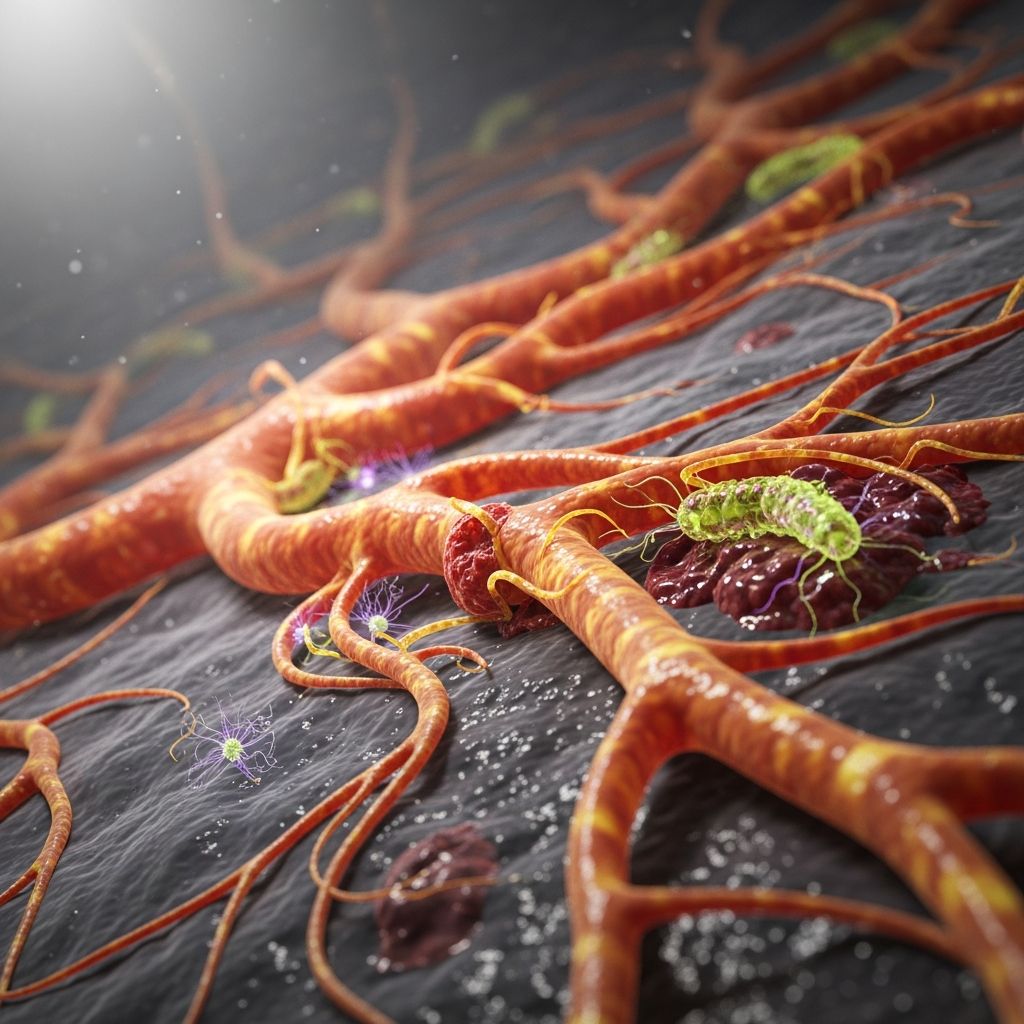
Sepsis is your body’s extreme reaction to an infection that can rapidly become life-threatening if not treated promptly. Unlike localized infections that affect a specific area of your body, sepsis represents a systemic inflammatory response where your immune system overreacts to infection, potentially causing widespread tissue damage, organ failure, and even death. This condition can develop from infections that might otherwise seem manageable, ranging from seemingly minor wounds like playground scrapes to more serious bacterial or viral infections.
The mortality rate from sepsis remains alarmingly high, making it one of the leading causes of death in hospitals worldwide. However, with rapid recognition and appropriate intervention, survival rates can be significantly improved. Understanding the early warning signs and seeking immediate medical attention can be literally lifesaving.
What is Sepsis?
Sepsis occurs when the body’s response to an infection triggers abnormal inflammatory cascades throughout the entire body rather than just fighting the localized infection. This overwhelming systemic response can cause blood clots, reduced blood flow to vital organs, and ultimately organ dysfunction. The condition exists on a spectrum, ranging from sepsis to severe sepsis to septic shock, with each stage representing increasing severity and urgency.
The distinction between a regular infection and sepsis lies in the body’s systemic response. While infections are localized to specific areas and can often be treated with targeted antibiotics, sepsis involves the entire body’s inflammatory systems going into overdrive, affecting multiple organ systems simultaneously.
Early Warning Signs and Symptoms
Early recognition of sepsis is critical because symptoms can progress rapidly. The Sepsis Alliance has developed an acronym to help people remember the key early warning signs:
- S – Shivering or fever: Abnormal body temperature regulation
- E – Extreme pain or general discomfort: Severe body aches
- P – Pale or discolored skin: Unusual skin appearance or mottling
- S – Sleepy, difficult to rouse, or unresponsive: Altered mental status
- I – Infection suspected or confirmed: Recent infection or wound
Additional warning signs include confusion, difficulty breathing, rapid heart rate, low blood pressure, and reduced urination. If you or someone you know experiences these early signs of sepsis, it is absolutely critical to call your doctor immediately or go to the nearest emergency department without delay.
Causes and Risk Factors
Sepsis can develop from virtually any type of infection, though certain infections pose higher risk. Common sources include pneumonia, urinary tract infections, abdominal infections, and skin infections. The infection can originate from bacteria, viruses, fungi, or parasites.
Certain groups of people face elevated risk of developing sepsis, including:
- Very young children and elderly individuals
- Individuals with weakened immune systems
- People with chronic illnesses like diabetes or cancer
- Those with recent surgeries or invasive medical procedures
- Patients in intensive care units with central lines or catheters
- Individuals with severe burns or trauma
Understanding your risk factors can help you remain vigilant about seeking early treatment if you develop signs of infection.
Related Stories



Diagnosis of Sepsis
Early diagnosis is essential for improving outcomes. Healthcare providers use several diagnostic tools and criteria to identify sepsis quickly:
Diagnostic Criteria
Clinicians rely on standardized assessment tools such as the Systemic Inflammatory Response Syndrome (SIRS) criteria and the quick version of the Sequential Organ Failure Assessment (qSOFA) to aid in early diagnosis and triage. These tools help identify patients who meet diagnostic criteria for sepsis by evaluating specific physiological parameters.
Laboratory and Clinical Tests
Diagnosis typically involves:
- Blood cultures to identify the causative organism
- Serum lactate level measurement (elevated lactate indicates tissue dysfunction)
- Complete blood count and metabolic panels
- Imaging studies such as X-rays, ultrasounds, or CT scans to locate the infection source
- Urinalysis and urine cultures when appropriate
Prompt laboratory testing combined with clinical assessment allows healthcare teams to confirm sepsis diagnosis and begin appropriate treatment within critical timeframes.
Sepsis Treatment and Management
Sepsis treatment must begin immediately upon recognition. The most important aspects of sepsis management involve rapid diagnosis and prompt therapeutic intervention. According to evidence-based guidelines, specific interventions should be completed within defined timeframes to optimize outcomes.
Initial Treatment Protocol
When sepsis is suspected or confirmed, treatment typically includes:
- Immediate antibiotics: Broad-spectrum antibiotics should be started immediately, ideally within one hour for septic shock and three hours for other sepsis cases. Evidence demonstrates that each hour of delay increases mortality risk. These antibiotics are selected based on local sensitivity patterns and the suspected infection source.
- Intravenous fluid resuscitation: Rapid IV fluid administration helps maintain blood pressure and improve organ perfusion. Initial fluid boluses are followed by careful assessment of the body’s fluid status and ongoing needs.
- Vasopressor support: When blood pressure remains low despite fluid administration, vasoactive medications may be necessary to maintain adequate perfusion.
- Source control: Identifying and controlling the infection source is critical. This can range from removing infected catheters to surgical intervention for abdominal infections, typically accomplished within 6 to 12 hours of diagnosis.
Hospital Treatment and ICU Care
If your provider diagnoses you with sepsis, hospitalization in the intensive care unit (ICU) is typically necessary for specialized monitoring and treatment. In the ICU, you will receive:
- Continuous vital sign monitoring and hemodynamic assessment
- Mechanical ventilation if respiratory support is needed
- Organ support therapies as required
- Regular reassessment of antibiotic therapy with daily evaluation for de-escalation or cessation when appropriate
- Careful management of fluid status with dynamic assessment of volume needs
Quality Improvement Initiatives
Standardized sepsis protocols have significantly improved outcomes across healthcare systems. The SEP-1 quality measure, implemented nationally by the Centers for Medicare and Medicaid Services (CMS) in 2015, establishes specific steps to be completed within 3 and 6 hours after sepsis recognition, including lactate measurement, blood cultures, antibiotic administration, fluid resuscitation, and vasopressor support as needed.
Prevention of Sepsis
While sepsis can develop from unexpected infections, certain preventive measures may reduce your risk:
- Wound care: Keep cuts, scrapes, and puncture wounds clean and covered to prevent infection
- Infection treatment: Seek prompt treatment for infections and complete antibiotic courses as prescribed
- Vaccinations: Maintain current vaccinations against preventable infections like pneumonia and influenza
- Hygiene: Practice good hand hygiene and avoid unnecessary exposure to pathogens
- Medical device care: If you have catheters or other invasive devices, follow proper care protocols
- Chronic disease management: Keep chronic conditions like diabetes well-controlled
The Importance of Rapid Recognition and Response
Research demonstrates that timely treatment dramatically improves sepsis outcomes. Studies show mortality can decrease from approximately 10% to 7% when antibiotics are administered promptly. This underscores the critical importance of recognizing early symptoms and seeking emergency medical care immediately.
Effective sepsis management requires coordinated teamwork among healthcare professionals, standardized protocols, and community awareness about early warning signs. Hospitals with dedicated sepsis response teams that operate 24/7 have demonstrated improved patient outcomes through rapid identification and intervention.
When to Seek Emergency Care
If you or someone you know experience the early signs of sepsis, call your doctor or go to an emergency department immediately. It is also important to be aware of and point out these symptoms if you are seeing a doctor or are visiting a patient in the hospital. Early treatment involving diagnostic testing, medications, and intravenous fluid administration can be the difference between life and death.
Frequently Asked Questions
Q: How quickly can sepsis develop?
A: Sepsis can develop rapidly from an initial infection. Some people develop sepsis within hours of infection onset, making early recognition and treatment critical.
Q: Can sepsis be cured?
A: Yes, sepsis can be treated successfully when recognized early and managed appropriately with antibiotics, fluid resuscitation, and supportive care. However, outcomes depend heavily on prompt intervention.
Q: What is the difference between sepsis and septic shock?
A: Septic shock represents a more severe form of sepsis where blood pressure drops dangerously low despite fluid administration, requiring vasopressor medications and indicating higher mortality risk.
Q: Can you recover fully from sepsis?
A: Many people survive sepsis with appropriate treatment, though some survivors experience long-term complications. Recovery depends on disease severity, overall health, and treatment timeliness.
Q: Is sepsis contagious?
A: Sepsis itself is not contagious, but the underlying infection that causes sepsis may be. Standard infection control precautions apply based on the infection source.
Q: How long does sepsis treatment take?
A: Initial emergency treatment begins immediately upon diagnosis. Hospitalization typically lasts several days to weeks depending on severity and organ involvement, with antibiotics usually continued for 7-14 days.
References
- Sepsis and septic shock: Guideline-based management — Cleveland Clinic Journal of Medicine. 2020-02-01. https://www.ccjm.org/content/87/1/53
- Identifying, Managing and Treating Sepsis — Cleveland Clinic Respiratory Exchange Podcast. 2024. https://my.clevelandclinic.org/podcasts/respiratory-exchange/identifying-managing-and-treating-sepsis
- Sepsis: Symptoms, Causes, Treatment & Prevention — Cleveland Clinic. 2024. https://my.clevelandclinic.org/health/diseases/12361-sepsis
- Sepsis — Cleveland Clinic Union Hospital Quality Accreditation. 2024. https://my.clevelandclinic.org/-/scassets/files/org/locations/union-hospital/about/quality-accreditation/sepsis.pdf
- Sepsis and septic shock: Guideline-based management — PubMed/National Center for Biotechnology Information. 2020-02-01. https://pubmed.ncbi.nlm.nih.gov/31990655/
Similar Articles








Read full bio of medha deb