Sepsis Symptoms: 8 Critical Early Signs To Watch
Recognize sepsis symptoms early to save lives: Learn the signs, risks, and urgent actions needed for this life-threatening condition.
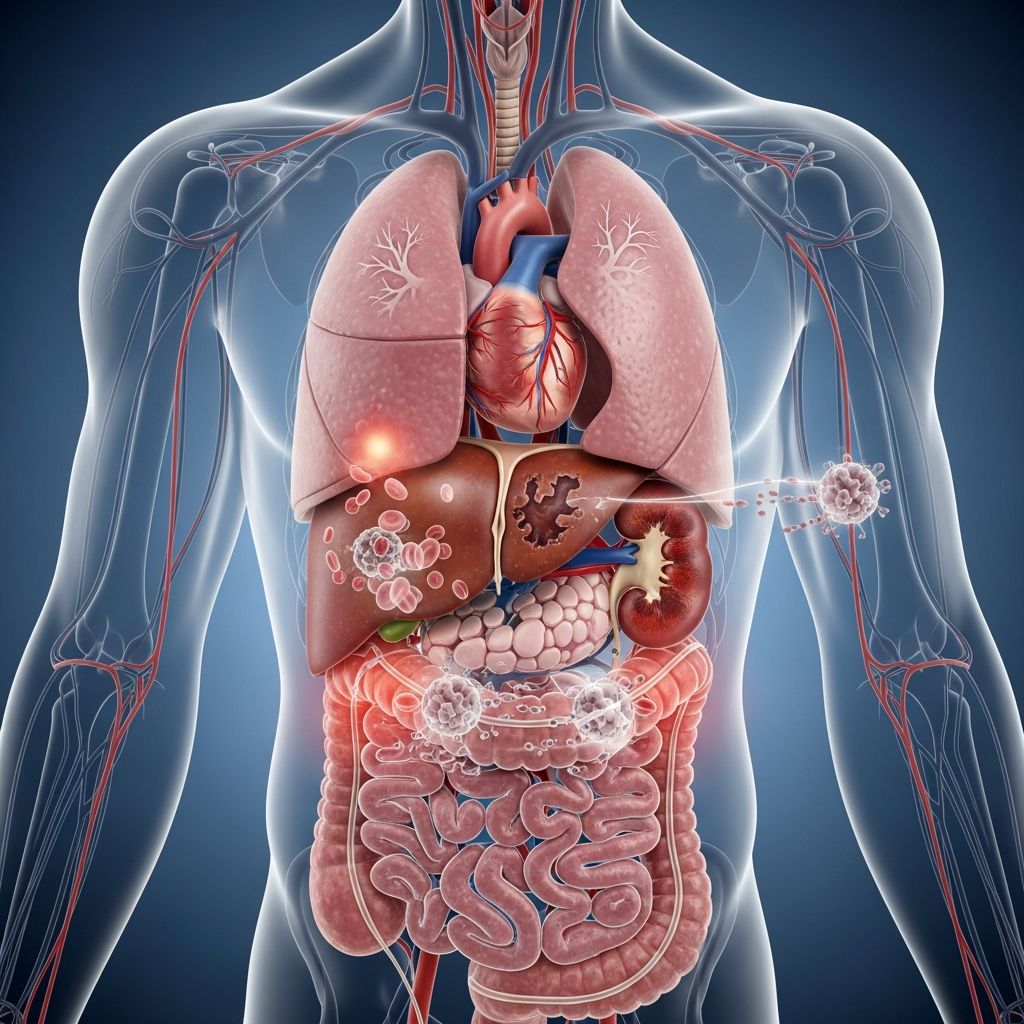
Sepsis is a life-threatening condition where the body’s extreme response to an infection causes tissue damage, organ failure, and potentially death if not treated promptly. It affects millions worldwide annually, with early recognition being critical for survival.
What Is Sepsis?
Sepsis arises when an infection triggers a dysregulated immune response, leading the body to attack its own tissues and organs. This progression can rapidly advance to
severe sepsis
andseptic shock
, characterized by dangerously low blood pressure and multi-organ dysfunction. According to the World Health Organization (WHO), sepsis leads to nearly 20% mortality in high-income countries and over 50% in low-income settings, emphasizing its global burden.The condition typically starts with a localized infection—such as in the lungs, urinary tract, skin, or abdomen—but escalates when inflammatory chemicals are released systemically. Unlike the infection itself, sepsis is defined by this harmful host response, not the pathogen alone. Early intervention with antibiotics and supportive care dramatically improves outcomes.
Sepsis Symptoms
Symptoms of sepsis are often nonspecific and can mimic other illnesses, making quick recognition challenging. Common signs include changes in mental status, rapid breathing, unexplained sweating, lightheadedness, and shivering. The WHO lists fever or hypothermia with shivering, confusion, difficulty breathing, clammy skin, extreme pain, high heart rate, low blood pressure, and reduced urine output as key indicators.
- Fever or low body temperature: Often accompanied by chills or shivering.
- Confusion or slurred speech: Altered mental status, ranging from disorientation to extreme drowsiness.
- Rapid, shallow breathing: Difficulty breathing or severe breathlessness.
- Fast heart rate and weak pulse: Tachycardia with low blood pressure.
- Clammy, sweaty, or mottled skin: Skin may appear discolored, especially in later stages.
- Extreme pain or discomfort: Severe body aches or a feeling of impending death.
- Low urine output: Passing little to no urine all day, indicating kidney involvement.
- Symptoms of the underlying infection: Such as painful urination (UTI), worsening cough (pneumonia), or wound redness.
These symptoms can vary by individual and infection type. A study evaluating the “SEPSIS” mnemonic (Slurred speech/confusion, Extreme shivering/muscle pain/fever, Passing no urine, Severe breathlessness, It feels like dying, Skin mottled) found it useful but missed 14.9% of cases, particularly in immunocompromised patients or those with abdominal infections. Vague presentations were linked to higher mortality (adjusted odds ratio 2.17).
Symptoms in Children
Children, especially under 5, present differently. Signs include fast breathing, convulsions, pale or cold skin, lethargy, difficulty waking, poor feeding, frequent vomiting, or no urination. Infants may not show classic fever but appear unusually irritable or floppy.
Symptoms of Septic Shock
Septic shock is the most severe stage, with profound hypotension unresponsive to fluids, leading to organ failure. Additional symptoms include inability to stand, extreme sleepiness, severe confusion, cold extremities, and reduced consciousness. Mortality exceeds 40% at this point.
Sepsis Causes and Risk Factors
Sepsis is triggered by bacterial infections in 80% of cases, but viruses, fungi, or parasites can also cause it. Common sources: pneumonia (respiratory), urinary tract infections, abdominal infections (e.g., appendicitis), and skin/soft tissue infections.
Risk factors heighten vulnerability:
- Age extremes: Infants, elderly (>65).
- Weakened immunity: Cancer, HIV, diabetes, organ transplants.
- Chronic conditions: Lung/heart/kidney disease, obesity.
- Recent hospitalization or invasive devices: Catheters, ventilators, surgery.
- Pregnancy or recent childbirth.
- Severe injuries or burns.
Related Stories



Immunosuppressed patients often have atypical symptoms, delaying diagnosis. Intra-abdominal infections are harder to spot early.
Sepsis Diagnosis
Diagnosis combines clinical suspicion with tests. Providers check for infection plus systemic inflammation signs (SIRS criteria: temperature >38°C or <36°C, heart rate >90, respiratory rate >20, abnormal white blood cells).
Key tests include:
| Test | Purpose |
|---|---|
| Blood cultures | Identify pathogen. |
| Lactate levels | >2 mmol/L indicates tissue hypoperfusion. |
| Complete blood count (CBC) | White cell abnormalities. |
| Imaging (X-ray, CT) | Locate infection source. |
| Procalcitonin/CRP | Biomarkers of infection severity. |
| Urinalysis/cultures | Rule out UTI. |
Sepsis-3 criteria use qSOFA (quick Sequential Organ Failure Assessment): ≥2 points (respiratory rate ≥22, altered mentation, systolic BP ≤100 mmHg) prompts further evaluation.
Sepsis Treatment
Treatment is time-sensitive: “Time is tissue.” The 1-Hour Bundle mandates:
- Measure lactate immediately.
- Obtain blood cultures before antibiotics.
- Administer broad-spectrum IV antibiotics within 1 hour.
- Give 30 mL/kg crystalloid fluids for hypotension/lactate ≥4.
- Apply vasopressors if BP remains low.
Further care: Source control (drain abscesses, remove infected devices), mechanical ventilation, dialysis, or surgery as needed. Survival drops 7-8% per hour of delay.
Sepsis Prevention
Prevention focuses on infection control:
- Vaccinations: Pneumonia, flu, meningococcal.
- Hand hygiene and wound care.
- Proper catheter/ventilator use in hospitals.
- Early infection treatment: Antibiotics for suspected cases.
- Chronic disease management: Control diabetes, etc.
Hospitals use protocols like Surviving Sepsis Campaign guidelines. Public awareness campaigns promote the “SEPSIS-6” or TIME mnemonic (Temperature, Infection, Mental decline, etc.).
Frequently Asked Questions (FAQs)
What are the first signs of sepsis?
Early signs include fever/chills, fast heart/breathing rate, confusion, and clammy skin. Seek immediate care if infection symptoms worsen suddenly.
Can sepsis be cured?
Yes, with prompt antibiotics and support, but delays increase mortality risk. Early hospital treatment is essential.
How quickly does sepsis progress?
It can escalate to shock in hours. Septic shock symptoms like severe low BP appear rapidly.
Is sepsis contagious?
No, but the underlying infection (e.g., flu) can be. Sepsis is the body’s response, not transmissible.
Who is most at risk for sepsis?
Infants, elderly, immunocompromised, and those with chronic illnesses or recent surgery/hospitalization.
When to Seek Emergency Care
Call emergency services if you suspect sepsis: recent infection plus two or more signs like confusion, rapid breathing, low urine, or mottled skin. Do not wait for all symptoms.
References
- Sepsis – Symptoms & causes — Mayo Clinic. 2023-10-12. https://www.mayoclinic.org/diseases-conditions/sepsis/symptoms-causes/syc-20351214
- Sepsis — World Health Organization. 2024-08-20. https://www.who.int/news-room/fact-sheets/detail/sepsis
- Presenting Symptoms in Sepsis: Is the Mnemonic “SEPSIS” Useful? — PMC (PubMed Central). 2020-07-08. https://pmc.ncbi.nlm.nih.gov/articles/PMC7354908/
- Septic Shock: Causes, Symptoms & Treatment — Cleveland Clinic. 2023-09-07. https://my.clevelandclinic.org/health/diseases/23255-septic-shock
- Understanding Sepsis: Signs, Symptoms, and Treatment — Tower Health. 2023-05-15. https://towerhealth.org/articles/understanding-sepsis-signs-symptoms-and-treatment
Similar Articles








Read full bio of medha deb