Septate Uterus: Causes, Symptoms, and Treatment
Understanding septate uterus: a congenital uterine anomaly that can impact fertility and pregnancy outcomes.
What Is a Septate Uterus?
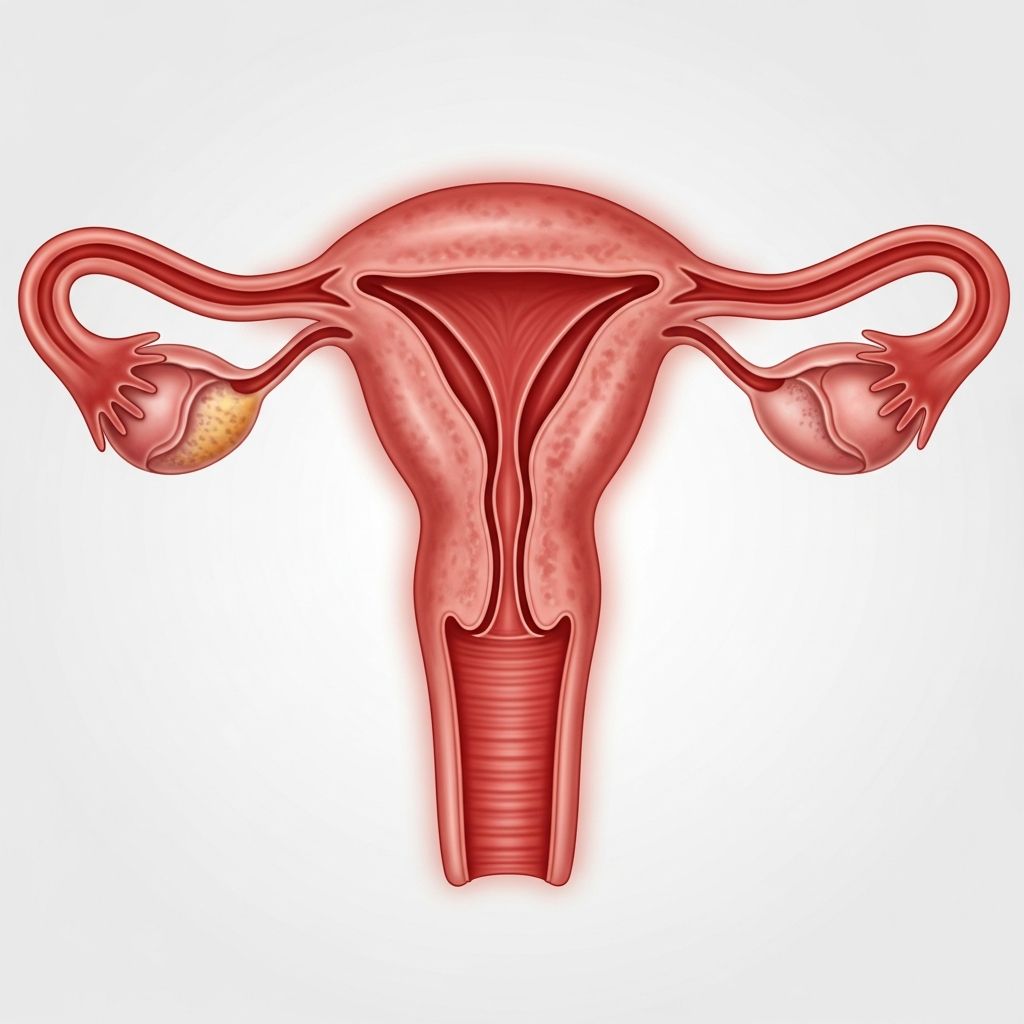
A septate uterus is a congenital condition in which the uterus is divided into two parts by a membrane called the septum. This tissue wall, or septum, can vary in size and length, partially or completely separating the uterine cavity. Unlike a typical uterus, which is one hollow space, a septate uterus has two smaller spaces. This condition is present at birth and is one of the more common uterine abnormalities, affecting approximately 1.5 in every 100 women.
Causes of Septate Uterus
A septate uterus develops during fetal development. Normally, the uterus forms from two structures called Müllerian ducts, which fuse together to create a single, open uterine cavity. In cases of a septate uterus, these ducts do not fully fuse, leaving a wall of tissue (the septum) in the middle of the uterus. The exact cause of this developmental anomaly is not fully understood, but it is not considered to be genetic or preventable.
Symptoms and Diagnosis
Most women with a septate uterus do not experience symptoms and may not know they have the condition until they become pregnant or experience fertility issues. Common reasons for diagnosis include:
- Recurrent miscarriages
- Infertility
- Difficulty carrying a pregnancy to term
A pelvic exam alone is usually not sufficient to diagnose a septate uterus, especially if the septum does not extend into the vagina. Instead, healthcare providers use imaging tests to visualize the septum and determine its size, thickness, and location. Common diagnostic methods include:
- Transvaginal ultrasound
- 3D ultrasound
- Magnetic resonance imaging (MRI)
- Hysterosalpingography (HSG)
Impact on Fertility and Pregnancy
A septate uterus can affect fertility and pregnancy outcomes. The presence of the septum may:
- Restrict the growth of the fetus
- Increase the risk of miscarriage
- Lead to preterm birth
- Cause premature labor
- Increase the likelihood of breech presentation
Women with a septate uterus may also be at a higher risk for endometriosis, although the connection is not fully established. Despite these risks, many women with a septate uterus can have healthy pregnancies and deliveries, especially with appropriate medical care and monitoring.
Treatment Options
Not all women with a septate uterus require treatment. The decision to treat depends on symptoms, pregnancy history, and plans for future pregnancies. Surgery is the only way to correct a septate uterus. The most common procedure is hysteroscopic metroplasty, which involves removing the septum to create a single, open uterine cavity. This is typically an outpatient procedure performed under anesthesia and takes about an hour.
Procedure Steps
- Anesthesia is administered.
- A hysteroscope is inserted through the cervix into the uterus.
- The septum is identified and removed using specialized instruments.
- The uterus is left as one open space.
Risks and Recovery
The risks associated with removing the septum include:
- Bleeding
- Infection
- Perforation of the uterus
- Adhesions (scar tissue)
Most women recover well from the procedure and can attempt to conceive after a recovery period of at least two months. Studies have shown that about 47% of women get pregnant within one year of surgery. The septum does not grow back after removal.
Pregnancy with a Septate Uterus
Related Stories



Women with a septate uterus who become pregnant should be closely monitored by their healthcare provider. The fetus may be at a higher risk for certain complications, such as:
- Preterm birth
- Breech presentation
- Low birth weight
If the baby is in a breech position, a cesarean section (C-section) may be necessary. Despite these risks, most babies born to women with a septate uterus are healthy.
Frequently Asked Questions (FAQs)
Can a septate uterus cause infertility?
Yes, a septate uterus can contribute to infertility and recurrent miscarriages, but not all women with this condition experience fertility issues.
Is a septate uterus genetic?
No, there is no evidence that a septate uterus is genetic. It is a congenital condition that develops during fetal development.
Does a septate uterus affect menstruation?
No, a septate uterus usually does not affect menstruation or cause health problems outside of pregnancy.
Can a septate uterus be treated?
Yes, a septate uterus can be treated with surgery, specifically hysteroscopic metroplasty, to remove the septum and improve fertility outcomes.
What are the risks of surgery to remove the septum?
The risks include bleeding, infection, uterine perforation, and adhesions. Most women recover well and can attempt to conceive after a recovery period.
Can a septate uterus grow back after surgery?
No, the septum does not grow back after removal.
What should I do if I have a septate uterus and want to get pregnant?
Discuss your options with your healthcare provider. They may recommend surgery to remove the septum and closely monitor your pregnancy if you conceive.
Conclusion
A septate uterus is a congenital uterine anomaly that can impact fertility and pregnancy outcomes. While it may cause complications such as miscarriage and preterm birth, many women with a septate uterus can have healthy pregnancies with appropriate medical care. Diagnosis is typically made through imaging tests, and treatment involves surgical removal of the septum. If you have concerns about a septate uterus, consult your healthcare provider for personalized advice and management.
References
- Septate Uterus (Uterine Septum): Symptoms & Treatment — Cleveland Clinic. 2023. https://my.clevelandclinic.org/health/diseases/22809-septate-uterus
- How Uterine Anomalies Can Affect Fertility — Trio Fertility. 2023. https://triofertility.com/uterine-anomalies-affect-on-fertility/
- Congenital Uterine Malformation by Experts (CUME): better criteria — Ultrasound in Obstetrics & Gynecology. 2018. https://obgyn.onlinelibrary.wiley.com/doi/full/10.1002/uog.18923
Similar Articles








Read full bio of Sneha Tete