Septic Arthritis: Causes, Symptoms, and Treatment
Understanding septic arthritis: rapid diagnosis and aggressive treatment prevent permanent joint damage.
What Is Septic Arthritis?
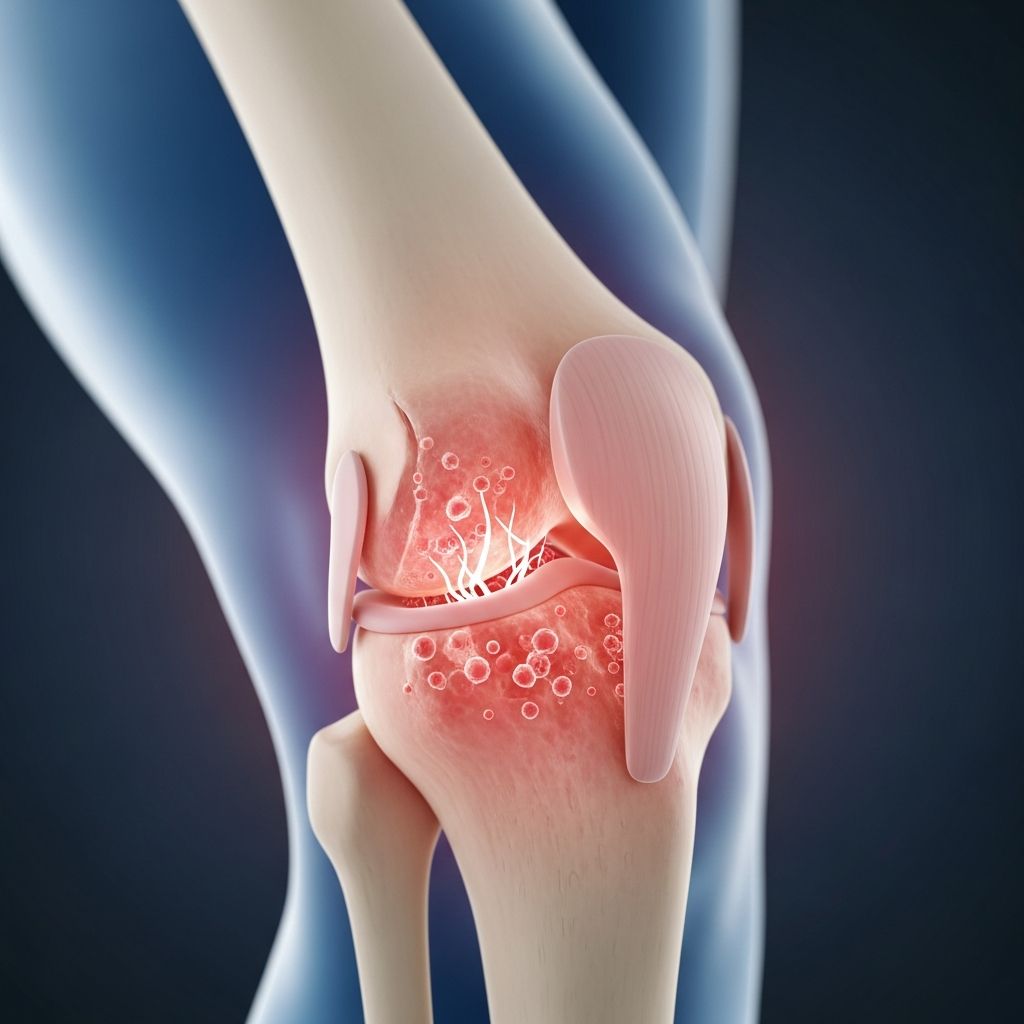
Septic arthritis, also known as acute infectious arthritis, is a serious joint infection that develops when bacteria, fungi, viruses, or other pathogens invade the synovial fluid and joint space. This condition represents a medical emergency that requires prompt diagnosis and aggressive treatment to prevent permanent damage to the joint structures. The infection triggers an inflammatory response that can rapidly destroy cartilage, bone, and surrounding tissues if not addressed quickly. Septic arthritis most commonly affects a single joint, though multiple joints can occasionally be involved, depending on the severity and source of the infection.
Understanding the Causes
Septic arthritis develops when microorganisms enter the joint space through various routes. The most common pathway is through the bloodstream, where an infection from another part of the body spreads to the joint. Bacterial infections account for the majority of cases, with Staphylococcus aureus being the most frequent causative organism, even in otherwise healthy individuals since this bacterium commonly resides on healthy skin.
Common Bacterial Pathogens
Different patient populations are susceptible to different organisms. In adults and children, staphylococcus and streptococcus bacteria commonly cause acute septic arthritis. Among young, sexually active adults, Neisseria gonorrhoeae emerges as the most common pathogen for this condition. Patients with specific risk factors may develop infections from less common organisms. Those receiving immunosuppressive therapy, including tumor necrosis factor inhibitors or corticosteroids, may develop septic arthritis from unusual pathogens such as mycobacteria or fungi. Additionally, Kingella kingae has emerged as a major cause of septic arthritis in young children.
Routes of Infection
Beyond bloodstream transmission, septic arthritis can develop through direct inoculation. Puncture wounds, surgical procedures on or near joints, joint replacement surgery, and injection drug use can introduce organisms directly into the joint space. Healthcare-associated infections may develop following diagnostic or therapeutic joint procedures.
Risk Factors for Septic Arthritis
Certain conditions and circumstances increase the risk of developing this serious infection. Individuals with rheumatoid arthritis face elevated risk due to both the disease itself and immunosuppressive medications used for treatment. Skin conditions that compromise the integrity of the skin barrier, such as psoriasis and eczema, increase susceptibility to septic arthritis, as do infected skin wounds and poor wound healing. People who regularly inject drugs face significantly higher infection risk at injection sites and throughout the body. Recent joint surgery or injection also substantially elevates risk during the immediate post-procedure period. Individuals with compromised immune systems due to medications, chronic illness, or immunosuppressive therapy have diminished ability to fight infections effectively.
Recognizing Symptoms
Septic arthritis classically presents with rapid onset of symptoms that develop over hours or days rather than weeks. The condition typically causes extreme discomfort and difficulty using the affected joint, with symptoms usually appearing suddenly rather than gradually. Patients commonly experience the following manifestations:
Primary symptoms include:
– Acute onset monoarticular joint pain (pain in a single joint)- Fever- Joint swelling and effusion (fluid accumulation)- Reluctance or refusal to move the affected joint- Chills- Restriction of both active and passive range of motion- Joint warmth and redness
The severity and intensity of pain often prevents patients from bearing weight on the affected joint or moving it voluntarily. The swelling may be visible and the joint may feel warm to the touch. Many patients report that even passive movement of the joint (movement performed by another person without the patient’s muscle effort) causes significant discomfort. The presence of fever, combined with acute joint pain and swelling, should raise immediate concern for septic arthritis.
Related Stories



Diagnostic Procedures
Septic arthritis must be considered and promptly diagnosed in any patient presenting with acute atraumatic joint pain, swelling, and fever. Diagnosis requires synovial fluid analysis and culture to definitively identify the infection. The diagnostic process typically begins with clinical assessment but depends critically on laboratory confirmation.
Synovial Fluid Analysis
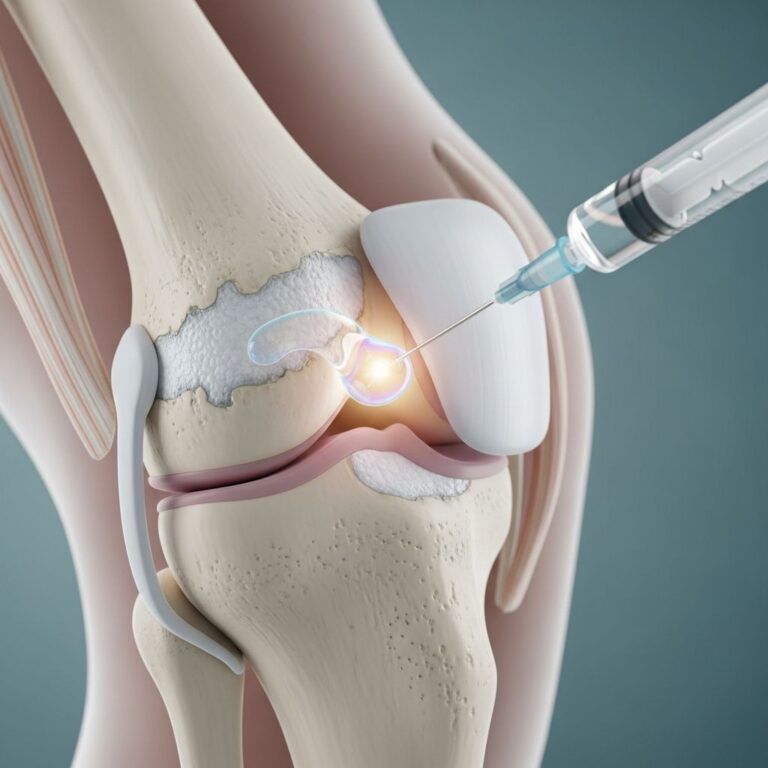
Joint aspiration, also called arthrocentesis, involves inserting a needle into the joint space to withdraw synovial fluid for analysis. This procedure is essential for diagnosis and provides samples for multiple investigations. The obtained fluid undergoes analysis for cell count, glucose levels, protein content, and Gram stain examination. Importantly, blood and synovial fluid cultures and sensitivities should be obtained to direct prolonged antimicrobial treatment. Culture results typically require 24 to 72 hours, so initial treatment often begins based on clinical suspicion before culture results are available.
Imaging Studies
Imaging plays a supportive role in diagnosis and helps identify complications. X-rays may show joint space changes or other findings suggestive of infection. If no improvement is seen within 5-6 days of treatment, imaging studies are needed to rule out osteomyelitis and other complications. Advanced imaging may be necessary in complex cases or when the diagnosis remains unclear.
Treatment and Management
Treatment of septic arthritis comprises two critical components: antimicrobial therapy and joint fluid drainage. Prompt initiation of treatment is essential to prevent permanent joint damage and systemic complications.
Antibiotic Therapy
Empiric intravenous antimicrobial therapy should be initiated promptly after joint aspiration is complete and cultures are obtained. Empiric antibiotic coverage includes antistaphylococcal coverage with nafcillin, oxacillin, or vancomycin for all age and risk categories. Initial antibiotic selection is directed at the most likely pathogens and is adjusted based on culture and susceptibility testing results.
Treatment varies based on the identified organism:
– Nongonococcal septic arthritis: Usually treated with intravenous antibiotics for 2 weeks followed by 1 to 2 weeks of oral antibiotic therapy for a total duration of three to four weeks. Longer antibiotic therapy for 4 to 6 weeks may be reasonable in cases involving certain organisms like Pseudomonas aeruginosa.- Gonococcal arthritis: Responds well to intravenous ceftriaxone, continued for 24 to 48 hours after clinical improvement, then transitioned to oral therapy for the remainder of treatment.- Methicillin-resistant S. aureus (MRSA): Requires three to four weeks of antibiotics with parenteral options including intravenous vancomycin and daptomycin.
Gram stain results guide initial antibiotic selection when available. For gram-positive cocci, vancomycin or daptomycin plus a cephalosporin, carbapenem, or fluoroquinolone is recommended. When gram-negative infection is suspected, empiric treatment includes parenteral antibiotics with antipseudomonal activity.
Joint Drainage
Joint fluid drainage is a critical component of treatment and may be accomplished through arthrotomy, arthroscopy, or daily needle aspiration. The procedure used to drain joint fluid depends on multiple factors and is determined by the orthopedic surgeon. Early involvement by an orthopedic surgeon is essential to determine the most appropriate drainage method for each patient. Surgical drainage is typically required to remove infected fluid and prevent reaccumulation.
Hospital Admission and Administration
Intravenous antibiotics are given, usually requiring admission to the hospital for initial treatment. Treatment, however, may be continued on an outpatient basis at home with assistance from a home health nursing service once the acute phase has been managed and clinical improvement is evident. The duration and intensity of hospitalization depend on the organism involved, joint affected, patient age, and overall health status.
Special Considerations
Different types of infections require tailored treatment approaches. Septic arthritis usually requires treatment with antibiotics, which are often given intravenously to ensure prompt response to therapy. Antibiotics are only effective if the condition is caused by bacteria. If the infection is caused by fungi, antifungal medications are necessary. If a viral infection caused the septic arthritis, the virus will usually need to run its course without specific treatment, although medications can be used to help alleviate pain.
Additional supportive care includes joint splinting for the first few days to reduce pain, followed by passive and active range-of-motion exercises to limit contractures, with muscle strengthening as soon as it can be tolerated. Nonsteroidal anti-inflammatory drugs (NSAIDs) can help decrease pain and inflammation once a diagnosis is confirmed. Opioids can be used for pain control when needed. Intra-articular corticosteroids should be avoided during acute infection.
When to Seek Emergency Care
Septic arthritis represents a medical emergency requiring immediate attention. Patients should seek emergency care if they experience sudden onset of severe joint pain accompanied by fever, particularly if the pain prevents movement of the joint or weight-bearing. Any combination of acute joint pain, swelling, fever, and difficulty moving a joint warrants prompt medical evaluation to rule out this serious infection.
Frequently Asked Questions
Q: How quickly does septic arthritis develop?
A: Septic arthritis typically develops and progresses over hours to days. Symptoms can appear suddenly with acute onset of pain, swelling, and fever. This rapid progression is one reason why prompt diagnosis and treatment are critical to prevent permanent joint damage.
Q: Can septic arthritis affect multiple joints?
A: While septic arthritis most commonly affects a single joint (monoarticular), multiple joints can occasionally be involved depending on the severity of the infection and the patient’s immune status. Most cases present with pain and swelling in one joint.
Q: What is the difference between septic arthritis and rheumatoid arthritis?
A: Septic arthritis is an acute bacterial infection of the joint that develops rapidly over hours to days and requires emergency treatment with antibiotics and drainage. Rheumatoid arthritis is a chronic autoimmune condition that develops gradually over weeks to months. However, patients with rheumatoid arthritis have increased risk of developing septic arthritis due to immunosuppressive medications.
Q: Can septic arthritis cause permanent damage?
A: Yes, septic arthritis can rapidly destroy joint structures including cartilage and bone if not treated promptly. This is why early diagnosis and aggressive treatment with antibiotics and drainage are essential to minimize permanent joint damage and preserve function.
Q: How long does treatment for septic arthritis take?
A: Treatment duration varies based on the organism involved. Most cases require 3 to 4 weeks of total antibiotic therapy, typically starting with 2 weeks of intravenous antibiotics followed by 1 to 2 weeks of oral antibiotics. Some cases with specific organisms may require 4 to 6 weeks of treatment.
Q: Is septic arthritis contagious?
A: Septic arthritis itself is not directly contagious between individuals. However, the underlying infection that spreads to the joint may be contagious depending on the organism involved. Proper infection control measures should be followed when caring for patients with confirmed bacterial infections.
References
- Septic Arthritis — NCBI Bookshelf/StatPearls. 2024. https://www.ncbi.nlm.nih.gov/books/NBK538176/
- Septic Arthritis: Symptoms, Diagnosis, and Treatment — WebMD. 2024. https://www.webmd.com/arthritis/septic-arthritis-symptoms-diagnosis-and-treatment
- Septic Arthritis: Diagnosis and Treatment — American Academy of Family Physicians. 2021-12-00. https://www.aafp.org/pubs/afp/issues/2021/1200/p589.html
- Acute Infectious Arthritis — Merck Manuals Professional Edition. 2024. https://www.merckmanuals.com/professional/musculoskeletal-and-connective-tissue-disorders/infections-of-joints-and-bones/acute-infectious-arthritis
- Septic Arthritis — Children’s Hospital of Philadelphia. 2024. https://www.chop.edu/conditions-diseases/septic-arthritis
- Septic Arthritis — Symptoms & Causes — Mayo Clinic. 2024. https://www.mayoclinic.org/diseases-conditions/bone-and-joint-infections/symptoms-causes/syc-20350755
Similar Articles








Read full bio of Sneha Tete