Septic Arthritis: Causes, Symptoms, and Treatment
Learn about septic arthritis, its symptoms, causes, and how it's treated to prevent serious complications.
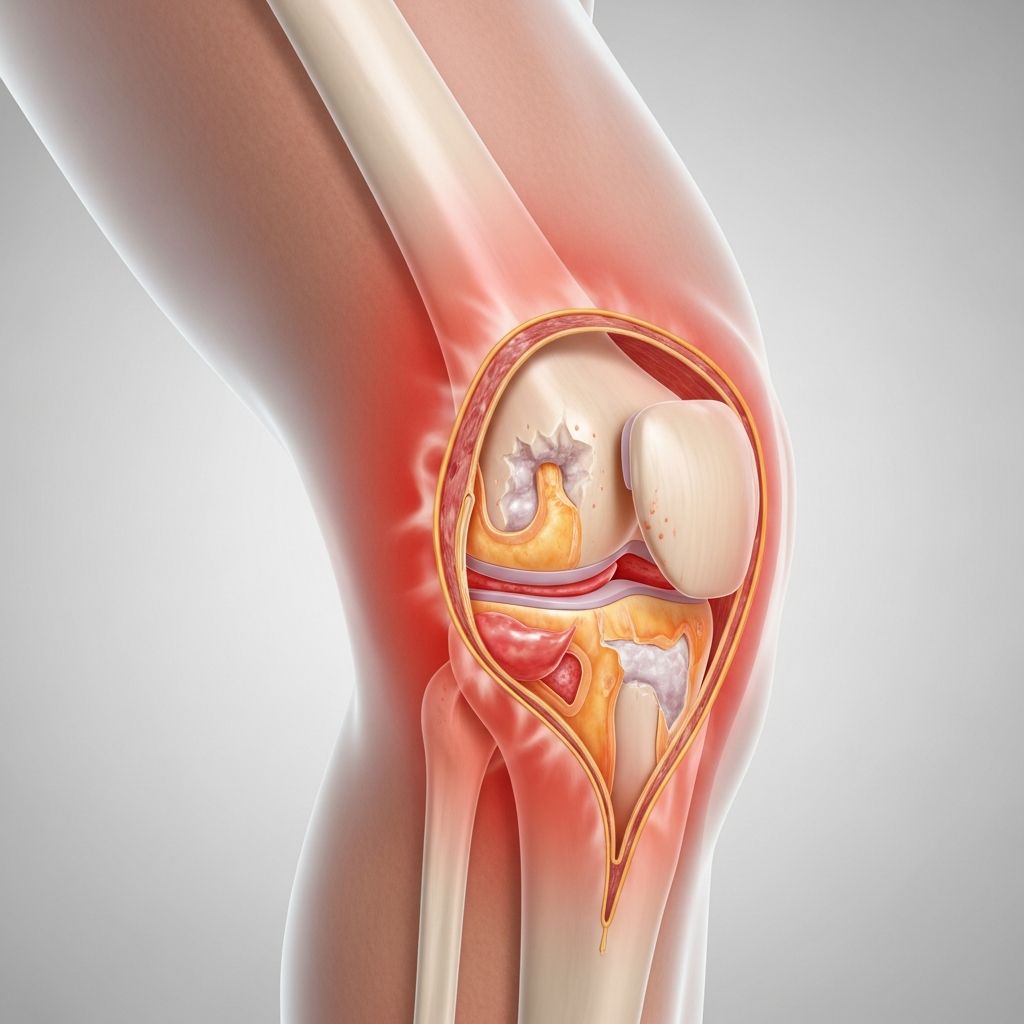
What Is Septic Arthritis?
Septic arthritis is a rare but serious condition characterized by inflammation in one or more joints due to an infection. This infection is usually caused by bacteria, but fungi or viruses can also be responsible. The infection leads to intense pain, swelling, and limited mobility in the affected joint. If left untreated, septic arthritis can cause permanent joint damage and even become life-threatening.
Symptoms of Septic Arthritis
The symptoms of septic arthritis typically develop rapidly and can include:
- Intense pain in the affected joint
- Swelling and redness around the joint
- Warmth in the joint area
- Fever
- Difficulty moving the joint
- General feeling of being unwell
In some cases, especially with prosthetic joint infections, symptoms may be less severe and develop gradually over weeks or months. Signs such as minor pain, swelling, and loosening of the joint may occur, and the pain may go away when the joint is at rest.
Causes of Septic Arthritis
Septic arthritis is most commonly caused by bacteria that enter the joint through the bloodstream, a nearby infection, or direct injury. The most common bacteria involved are:
- Staphylococcus aureus
- Streptococcus species
- Neisseria gonorrhoeae
- Escherichia coli
- Pseudomonas aeruginosa
Fungi and viruses can also cause septic arthritis, but these are less common. Infections can occur in native joints or in prosthetic (artificial) joints.
Risk Factors for Septic Arthritis
Certain factors increase the risk of developing septic arthritis. These risk factors differ slightly between children and adults.
Risk Factors for Children
- Recent infections or illnesses
- Immunodeficiency disorders
- Chronic diseases such as sickle cell anemia
- Joint trauma or injury
Risk Factors for Adults
- Advanced age
- Diabetes
- Rheumatoid arthritis
- Recent joint surgery or prosthetic joint implantation
- Immunosuppressive therapy
- Chronic skin conditions or ulcers
- IV drug use
Diagnosis of Septic Arthritis
Diagnosing septic arthritis involves a combination of clinical evaluation, laboratory tests, and imaging studies. The following tests are commonly used:
- Joint aspiration (arthrocentesis): A sample of synovial fluid is taken from the affected joint and analyzed for the presence of bacteria, white blood cells, and other markers of infection.
- Blood tests: Complete blood count (CBC), erythrocyte sedimentation rate (ESR), and C-reactive protein (CRP) can help confirm the presence of infection.
- Blood cultures: These are used to identify the specific bacteria causing the infection.
- Imaging studies: X-rays, MRI, or ultrasound may be used to assess joint damage and rule out other conditions.
Treatment of Septic Arthritis
Septic arthritis requires prompt and aggressive treatment to prevent joint damage and complications. The main components of treatment include:
Antibiotic Therapy
Antibiotics are the cornerstone of treatment for septic arthritis. The choice of antibiotic depends on the suspected or identified pathogen. Treatment typically involves:
- Intravenous (IV) antibiotics for the first 2 weeks
- Oral antibiotics for an additional 1 to 2 weeks
- Longer courses (4 to 6 weeks) may be needed for certain bacteria, such as Pseudomonas aeruginosa
Joint Drainage
Draining the infected joint is essential to remove pus and reduce pressure. This can be done through:
- Daily needle aspiration
- Arthroscopy
- Open surgical drainage (arthrotomy)
Related Stories



Supportive Care
Supportive care may include pain management, physical therapy, and wound care. Patients may need to stay in the hospital initially and may require ongoing physical therapy after discharge.
Complications of Septic Arthritis
If not treated promptly, septic arthritis can lead to serious complications, including:
- Osteomyelitis (bone infection)
- Chronic pain
- Osteonecrosis (bone death)
- Leg length discrepancies
- Sepsis
- Death
Prevention of Septic Arthritis
While not all cases of septic arthritis are preventable, there are steps you can take to reduce your risk:
- Practice good hygiene and wound care
- Manage chronic conditions such as diabetes and rheumatoid arthritis
- Avoid IV drug use
- Seek prompt medical attention for joint injuries or infections
- Follow post-surgical care instructions after joint replacement surgery
When to Seek Medical Attention
If you experience symptoms of septic arthritis, such as intense pain, swelling, redness, warmth, or limited mobility in your joint, contact your healthcare provider immediately or go to the nearest hospital. Early diagnosis and treatment are crucial to prevent serious complications.
Frequently Asked Questions (FAQs)
Q: Can septic arthritis go away on its own?
A: No, septic arthritis cannot go away on its own. It is an infection that requires treatment with antibiotics and often joint drainage to prevent complications.
Q: How long does it take to recover from septic arthritis?
A: Recovery time depends on the cause of the infection and your overall health. Antibiotic treatment typically lasts a few weeks, but it may take longer for your joint to fully heal if the infection caused damage to the joint and surrounding tissues.
Q: What are the risk factors for septic arthritis?
A: Risk factors include advanced age, diabetes, rheumatoid arthritis, recent joint surgery, immunosuppressive therapy, chronic skin conditions, and IV drug use.
Q: Can septic arthritis affect artificial joints?
A: Yes, septic arthritis can affect both native and prosthetic (artificial) joints. Prosthetic joint infections may have less severe symptoms and develop gradually over time.
Q: What are the complications of untreated septic arthritis?
A: Untreated septic arthritis can lead to osteomyelitis, chronic pain, osteonecrosis, leg length discrepancies, sepsis, and even death.
Q: How is septic arthritis diagnosed?
A: Diagnosis involves joint aspiration, blood tests, blood cultures, and imaging studies to confirm the presence of infection and identify the causative organism.
Q: What is the treatment for septic arthritis?
A: Treatment includes antibiotics (usually IV followed by oral), joint drainage, and supportive care such as pain management and physical therapy.
References
- Septic Arthritis — Cleveland Clinic. 2021-10-05. https://my.clevelandclinic.org/health/diseases/22418-septic-arthritis
- Septic Arthritis — Mayo Clinic. https://www.mayoclinic.org/diseases-conditions/bone-and-joint-infections/symptoms-causes/syc-20350755
- Acute Infectious Arthritis — Merck Manual. https://www.merckmanuals.com/professional/musculoskeletal-and-connective-tissue-disorders/infections-of-joints-and-bones/acute-infectious-arthritis
Similar Articles








Read full bio of Sneha Tete