Septic Emboli: Understanding Causes, Symptoms, and Treatment
Comprehensive guide to septic emboli: bacterial blood clots, clinical presentation, and management strategies.
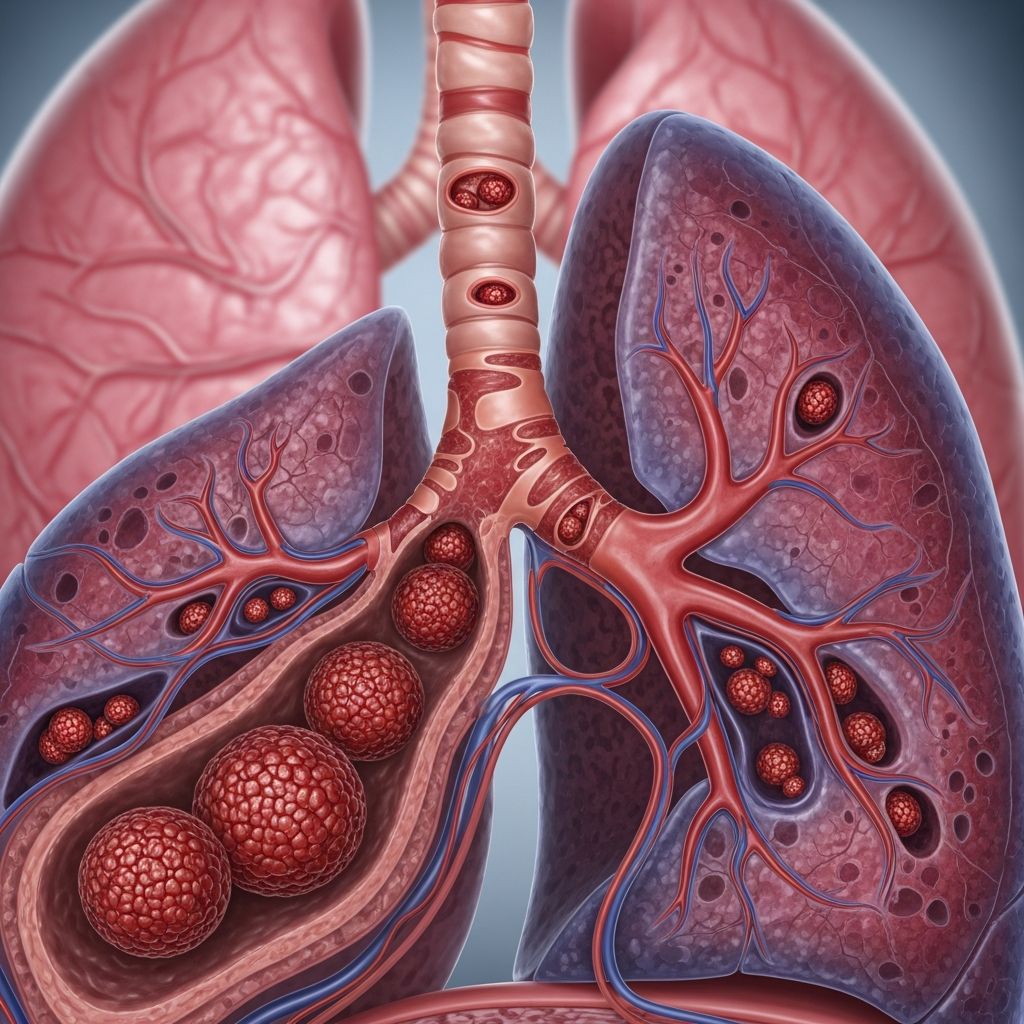
Understanding Septic Emboli
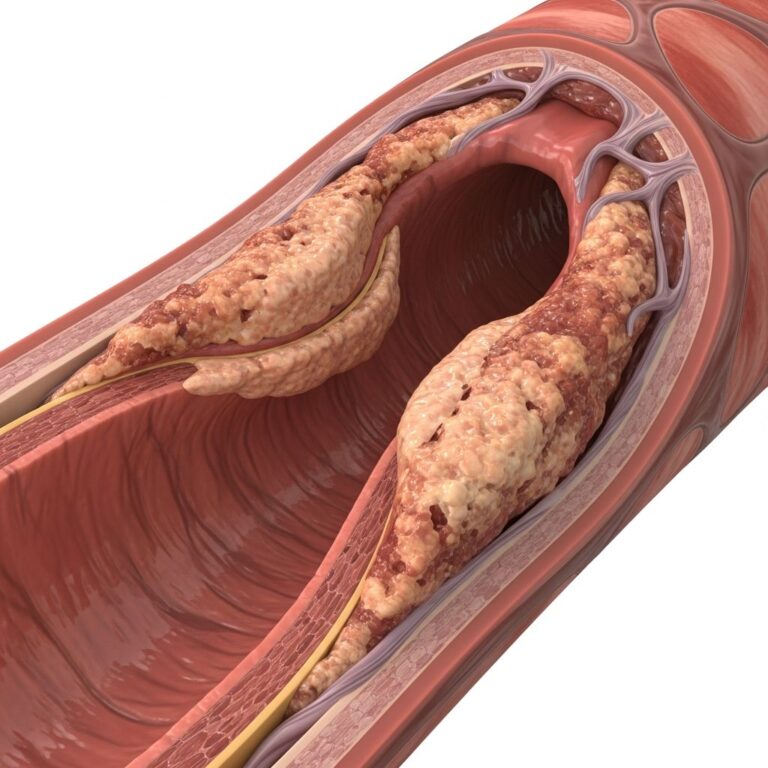
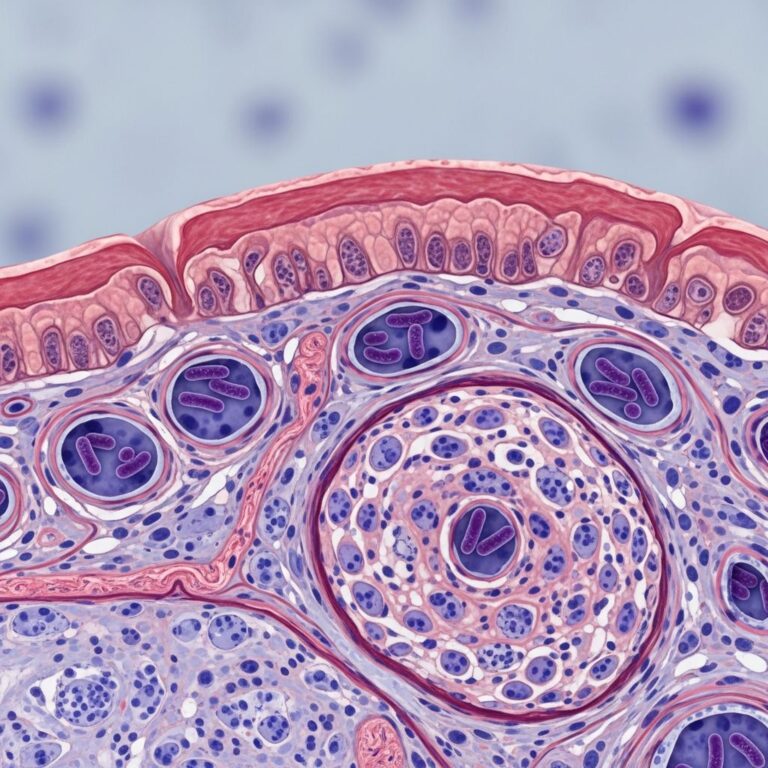
A septic embolus is a blood clot containing bacteria that has become dislodged and travelled through the bloodstream. These infected clots become trapped in small terminal blood vessels, blocking them and causing significant damage to body tissues. Septic emboli represent a serious medical condition requiring prompt recognition and intervention, as they can affect multiple organ systems and lead to life-threatening complications.
The term ‘septic’ indicates a systemic illness caused by infection, while an ’embolus’ refers to any material that moves through blood vessels until it becomes lodged in a vessel too small for it to pass through. When these two conditions combine, the result is a potentially devastating clinical scenario requiring comprehensive medical management.
Mechanisms of Tissue Damage
Septic emboli damage body tissues through two distinct pathological mechanisms:
- Ischaemic insult: The blocked blood vessel prevents adequate oxygen supply to affected tissues, causing damage due to lack of blood flow
- Infectious insult: Bacteria within the clot release inflammatory mediators and infectious agents that cause localized infection, swelling, and potential abscess formation
This dual mechanism makes septic emboli particularly dangerous, as they simultaneously compromise tissue perfusion while introducing active infection into affected areas. The combination of reduced blood flow and ongoing infection creates an environment conducive to tissue necrosis and spread of disease.
Demographics and Risk Populations
Septic emboli occur predominantly in people at increased risk of infections, particularly affecting the heart lining and blood vessels. Several populations face heightened vulnerability:
- Individuals with compromised immune systems
- Patients with indwelling vascular devices or catheters
- People with a history of intravenous drug use
- Those with recent surgical procedures or invasive medical interventions
- Patients with underlying cardiac conditions or valvular disease
- Individuals with active infections at various body sites
Septic embolism is more likely in the presence of underlying immunosuppression, which impairs the body’s ability to contain and eliminate infections. Understanding these risk factors is essential for identifying patients who require heightened clinical vigilance and closer monitoring.
Origins and Causes of Septic Emboli
Septic emboli are a consequence of infection, and their diagnosis should always prompt a search for the primary source. The infected clot or a small fragment becomes dislodged from a site of active infection and comes to rest at a distal location through the bloodstream.
Common sources of septic emboli include:
- Infective endocarditis: Infection of the inner lining of the heart chambers or valves, representing the most frequent cause
- Infected intravascular devices: Pacemakers, implantable cardioverter-defibrillators (ICDs), ventricular assist devices (VADs), central venous lines (CVLs), peripherally inserted central catheters (PICCs), and vascular grafts
- Septic thrombophlebitis: Infection of veins with associated clot formation
- Periodontal disease: Severe dental infections or abscesses
- Perivascular infection: Infection surrounding blood vessels
- Infected deep vein thrombosis (DVT): Blood clots in deep veins that have become infected
- Cardiac myxoma: Tumors of the heart that can harbor bacteria
- Vascular fistulae: Abnormal connections between arteries and veins that may become infected
- Skin or soft tissue infections
- Mouth or gum infections and dental procedures
Related Stories



Infective endocarditis, particularly when caused by Staphylococcus aureus bacteria, is a common precursor to septic embolism. The infection creates an environment of turbulent blood flow and inflammatory activity that increases the likelihood of clot formation. Once formed, these infected clots can fragment, and pieces can travel distally to lodge in various organs.
Clinical Features and Presentation
People with septic emboli tend to exhibit classic but non-specific signs of infection, including fever, fatigue, and an increased heart rate. However, the specific clinical findings depend on where the clot becomes lodged, making presentation highly variable.
General Systemic Symptoms
Patients typically present with features common to systemic infections:
- Fever and chills or sweats
- Fatigue and generalized weakness
- Tachycardia (increased heart rate)
- Body aches and malaise
- Lightheadedness or dizziness
- Sore throat or persistent cough
- Inflammation at various body sites
Notably, there have been reports of asymptomatic primary infection with subsequent septic embolisation, particularly from the spleen. This underscores the importance of maintaining clinical suspicion even in patients without obvious signs of infection.
Organ-Specific Clinical Manifestations
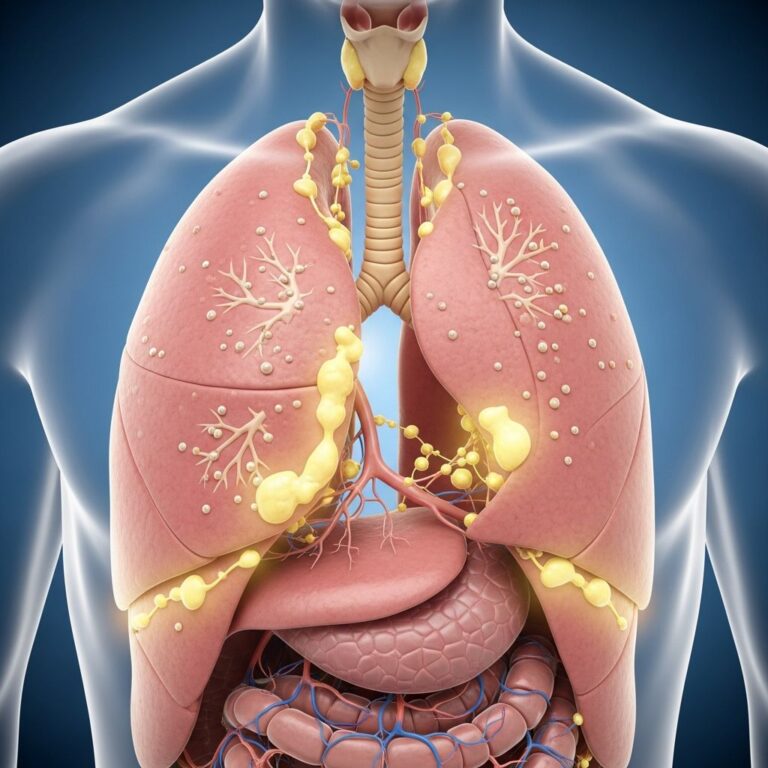
Pulmonary Septic Emboli
When septic emboli lodge in the lungs, typically from right-sided heart infections, patients may present with:
- Pleuritic chest pain (sharp pain worsening with breathing)
- Persistent cough, sometimes productive of sputum
- Haemoptysis (coughing up blood)
- Dyspnea (shortness of breath)
- Tachypnea (rapid breathing)
- Pulmonary abscesses (collections of pus in lung tissue)
- Risk of respiratory failure in severe cases
Pulmonary involvement represents a particularly common manifestation of septic embolism, with studies indicating febrile illness occurring in approximately 85% of cases, accompanied by pleuritic chest pain, cough, and dyspnea.
Cerebral Septic Emboli
Emboli reaching the brain, typically from left-sided heart infections, cause:
- Severe headaches
- Vision changes or visual disturbances
- Confusion or altered mental status
- Speech difficulties (dysphasia)
- Weakness or paralysis on one side of the body (hemiparesis)
- Neurological deficits mimicking stroke
Cerebral involvement carries significant morbidity and mortality risk, requiring emergent neuroimaging and intervention.
Cutaneous and Extremity Manifestations
Septic emboli affecting the skin and extremities produce distinctive clinical findings:
- Red, tender nodules or spots
- Small, dark necrotic lesions
- Osler nodes: tender purple spots or bumps indicating embolisation has occurred
- Pain and swelling in affected areas
- Decreased circulation and potential tissue necrosis
- Possible ulceration or gangrene in severe cases
Osler nodes are particularly important clinical findings, as they directly indicate that embolism has occurred and can facilitate diagnosis of the underlying infection.
Splenic Septic Emboli
When emboli affect the spleen, patients may experience:
- Fever
- Pain or tenderness behind the left ribs
- Splenic infarction
- Splenic abscess formation
- Splenomegaly (enlarged spleen)
Diagnostic Approach
Diagnosis of septic emboli involves multiple complementary investigations to identify both the infection and its complications:
Laboratory Testing
- Blood cultures: Essential for identifying the causative organism and guiding antibiotic therapy
- Complete blood count: May show leukocytosis (elevated white blood cells) and other signs of infection
- Inflammatory markers: Elevated C-reactive protein (CRP) and erythrocyte sedimentation rate (ESR)
- Blood chemistry: Assessment of organ function and metabolic parameters
Imaging Studies
- Computed tomography (CT) scans: Excellent for identifying pulmonary emboli and abscesses in various organs
- Magnetic resonance imaging (MRI): Particularly useful for detecting cerebral involvement and spinal complications
- Chest X-ray: May reveal pulmonary infiltrates, abscesses, or pleural effusions
- Echocardiography: Critical for identifying the cardiac source, particularly vegetations associated with endocarditis
Physical Examination
Clinical examination may reveal characteristic findings such as Osler nodes, splinter haemorrhages, Janeway lesions, and new cardiac murmurs suggestive of underlying endocarditis.
Treatment Strategies
Management of septic emboli involves a multifaceted approach addressing both the infection and its complications:
Antibiotic Therapy
Intensive antibiotic therapy forms the cornerstone of treatment. Empiric broad-spectrum antibiotics are initiated pending culture results, then narrowed based on organism identification and susceptibility testing. The choice of antibiotics depends on the presumed source and likely organisms involved.
Supportive Care
- Fluid resuscitation and electrolyte management
- Oxygen therapy for pulmonary involvement
- Hemodynamic monitoring and support
- Management of complications such as septic shock or organ failure
Management of Underlying Conditions
Treatment must address the primary source of infection, whether this involves:
- Antimicrobial therapy for endocarditis
- Removal or replacement of infected intravascular devices
- Drainage of abscesses or infected collections
- Treatment of source infections (periodontal disease, skin infections, etc.)
Surgical Intervention
Some cases require surgical management, including:
- Removal of infected material or vegetation
- Repair or replacement of damaged heart valves
- Drainage of large abscesses
- Removal of infected prosthetic devices
- Amputation in cases of severe tissue necrosis
Clinical Spectrum and Outcomes
The clinical presentation of septic embolism ranges from asymptomatic, incidental findings on imaging to devastating cardiovascular or cerebral events. Outcomes depend on multiple factors including the organism involved, the site of embolisation, the timeliness of diagnosis, and the adequacy of treatment.
Pulmonary and paradoxical embolisation can result from venous sources, with paradoxical embolisation occurring when emboli bypass normal pulmonary filtration and reach systemic circulation, potentially causing stroke or other arterial infarctions. Any end organ may be affected, making comprehensive evaluation essential in suspected cases.
Frequently Asked Questions
Q: What is a septic embolus and how does it differ from other types of emboli?
A: A septic embolus is an infected blood clot containing bacteria that travels through the bloodstream and lodges in small vessels. Unlike sterile emboli (such as fat or air emboli), septic emboli carry active infection that causes both vascular obstruction and tissue infection at the site where they lodge.
Q: How quickly can septic emboli cause serious complications?
A: Septic emboli can cause complications ranging from rapid and life-threatening (such as stroke or septic shock) to more indolent presentations. The timeline depends on the location of the embolus, the virulence of the organism, and the patient’s immune status. Some patients may remain asymptomatic from their primary infection before developing septic embolisation.
Q: Can septic emboli be prevented?
A: Prevention focuses on reducing the risk of the primary infections that lead to septic emboli. This includes maintaining good dental hygiene, treating skin infections promptly, using proper sterile technique for intravascular procedures, prophylactic antibiotics for certain at-risk populations, and careful management of cardiac conditions. Intravenous drug users should employ harm reduction strategies including sterile needle use.
Q: Why is finding the source of septic emboli so important?
A: Diagnosis of septic emboli should always prompt a search for the primary source because treating only the embolic manifestations without addressing the underlying infection will result in treatment failure and recurrence. The source dictates specific therapeutic interventions, such as device removal or cardiac valve surgery.
Q: What role do blood cultures play in diagnosing septic emboli?
A: Blood cultures are essential for identifying the causative organism and its antibiotic susceptibilities. This information guides selection of targeted antibiotic therapy and helps differentiate septic emboli from sterile emboli. Multiple blood cultures should be obtained before initiating antibiotics to maximize diagnostic yield.
Q: Can septic emboli travel to any organ in the body?
A: Yes, septic emboli can lodge in virtually any organ system, though they most commonly affect the lungs, brain, spleen, and skin. The pattern of embolisation often relates to the source (right-sided heart infections typically cause pulmonary emboli, while left-sided infections cause systemic embolisation), but exceptions occur, particularly with paradoxical embolisation through cardiac defects.
Q: What is the significance of Osler nodes in septic embolism?
A: Osler nodes are tender purple spots or bumps on fingertips or toes that represent septic emboli in the dermis. Their presence indicates that embolisation has occurred and often points to endocarditis as the source. Tissue samples from Osler nodes can be cultured to identify the causative microorganism, providing valuable diagnostic information.
References
- Septic Emboli Symptoms: Causes and Treatment Options — GetLabTest. 2024. https://www.getlabtest.com/news/post/septic-emboli-symptoms-treatment
- Septic emboli – DermNet — DermNet New Zealand. 2024. https://dermnetnz.org/topics/septic-emboli
- Septic Emboli – MD Searchlight — MD Searchlight. 2024. https://mdsearchlight.com/health/septic-emboli/
- Septic emboli • LITFL • CCC Shock — Life in the Fast Lane. 2024. https://litfl.com/septic-emboli/
- Septic embolism: Symptoms, causes, treatment – Medical News Today — Medical News Today. 2024. https://www.medicalnewstoday.com/articles/sepsis-embolism
- Septic Emboli: Causes, Diagnosis, and Treatment – Healthline — Healthline Media. 2024. https://www.healthline.com/health/septic-emboli
- Associations and Outcomes of Septic Pulmonary Embolism — Open Respiratory Medicine Journal, Volume 8. 2024. https://openrespiratorymedicinejournal.com/VOLUME/8/PAGE/28/FULLTEXT/
Similar Articles








Read full bio of medha deb