Septic Shock: Causes, Symptoms & Treatment
Understanding septic shock: Learn about causes, symptoms, diagnosis and emergency treatment options.
What Is Septic Shock?
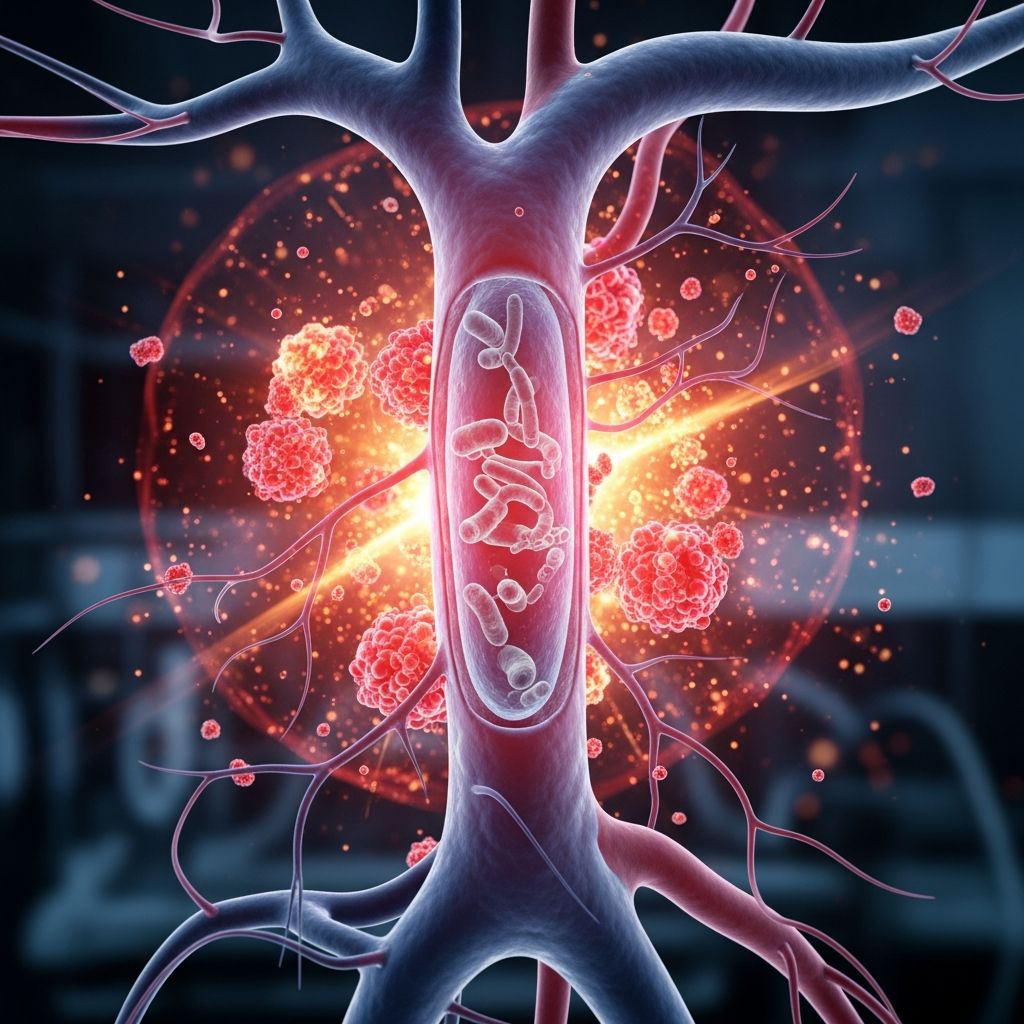
Septic shock is a serious and life-threatening medical condition that represents the most severe stage of sepsis. It occurs when an infection in your body triggers an extreme immune system response, leading to dangerously low blood pressure, reduced blood flow to vital organs, and potential organ failure. Septic shock requires immediate medical intervention and emergency treatment to prevent death.
Sepsis itself begins when your body’s immune system overreacts to an infection, causing widespread inflammation throughout your bloodstream and tissues. This inflammatory cascade causes blood vessels throughout your body to dilate excessively, which reduces blood pressure and impairs the delivery of oxygen and nutrients to critical organs. When this condition progresses and results in fluid-resistant hypotension requiring vasopressor support, it crosses the threshold into septic shock—the final and most severe stage of sepsis.
The progression from initial infection to septic shock can happen rapidly, sometimes within hours. During this progression, blood vessel dilation causes blood pressure to drop significantly, reducing blood flow to the heart, brain, kidneys, liver, and other vital organs. Without prompt and aggressive treatment, this cascade of events leads to multiple organ dysfunction and failure, which can be fatal.
Statistics and Mortality Risk
Septic shock carries an extraordinarily high mortality rate. Patients admitted to the intensive care unit with septic shock have only a 60% chance of survival, meaning that approximately 40% of septic shock patients do not survive their hospitalization. This high mortality rate underscores the critical nature of this condition and the importance of rapid recognition and treatment.
Additionally, among survivors of septic shock, many face prolonged ICU stays and persistent organ dysfunction. Research indicates that survivors often experience what is termed chronic critical illness (CCI), characterized by prolonged ICU stays, persistent organ dysfunction, and extended recovery periods. This means that even for those who survive the acute phase of septic shock, the road to recovery can be long and complicated.
Causes of Septic Shock
Septic shock can develop from infections originating anywhere in the body. Common sources of infection that may progress to septic shock include:
– Bacterial infections in the lungs (pneumonia)- Urinary tract infections- Abdominal infections (peritonitis, appendicitis)- Skin and soft tissue infections- Bloodstream infections (bacteremia)- Infections following surgery or invasive procedures- Fungal infections, particularly in immunocompromised individuals- Viral infections
The organisms most commonly associated with septic shock include gram-negative bacteria (such as E. coli and Pseudomonas), gram-positive bacteria (such as Staphylococcus and Streptococcus), and increasingly, fungal organisms. When these pathogens enter the bloodstream or produce toxins that enter circulation, they trigger the cascade of events leading to sepsis and ultimately septic shock.
Risk Factors for Septic Shock
Certain individuals are at higher risk for developing septic shock from an infection. These risk factors include:
– Weakened immune system (due to HIV/AIDS, chemotherapy, or immunosuppressive medications)- Advanced age (over 65 years old)- Chronic medical conditions (diabetes, heart disease, kidney disease, liver disease)- Recent surgery or invasive medical procedures- Hospitalization or ICU admission- Severe infections or wounds- Alcohol or drug abuse- Pregnancy and postpartum period- Very young age (infants and young children)
Related Stories



Patients with multiple risk factors face compounded danger and may deteriorate more rapidly. Even individuals without obvious risk factors can develop septic shock if an infection goes unrecognized or untreated.
Symptoms and Warning Signs
Recognizing the symptoms of septic shock is critical because early treatment dramatically improves survival rates. The symptoms of septic shock include:
– Fever (or sometimes a dangerously low body temperature)- Chills and shivering- Rapid heart rate (tachycardia)- Rapid breathing (tachypnea) or difficulty breathing- Confusion or altered mental status- Extreme pain or discomfort- Clammy or sweaty skin- Pale or bluish skin tone- Loss of consciousness- Significantly low blood pressure- Reduced urine output- Nausea and vomiting
It is important to note that septic shock can develop very quickly from the initial signs of infection. If you or someone near you experiences these symptoms, especially in conjunction with a known or suspected infection, seek emergency medical care immediately by calling emergency services or going to the nearest emergency department.
Diagnosis of Septic Shock
Healthcare providers use a combination of clinical findings, laboratory tests, and imaging studies to diagnose septic shock. The diagnostic approach includes:
Clinical Assessment
Physicians will evaluate your vital signs, including blood pressure, heart rate, respiratory rate, and body temperature. They will also assess your overall appearance, mental status, and perfusion status (how well your tissues are receiving oxygen and nutrients).
Laboratory Tests
Blood cultures are drawn to identify the causative organism and guide antibiotic selection. A complete blood count (CBC) helps assess infection severity. Blood chemistry panels evaluate organ function, particularly kidney and liver function. Lactate levels are measured because elevated lactate indicates tissue hypoperfusion and is a marker of septic shock severity. The Sequential Organ Failure Assessment (SOFA) score or the quick SOFA score helps clinicians assess the degree of organ dysfunction.
Imaging Studies
Chest X-rays, abdominal ultrasound, CT scans, or other imaging may be performed to identify the source of infection. These studies help localize the infection and guide any necessary surgical interventions.
Treatment of Septic Shock
Treatment for septic shock in the intensive care unit involves a coordinated, aggressive approach combining multiple interventions. Time is critical—delays in treatment significantly increase mortality risk.
Immediate Resuscitation
Initial management within the first three hours focuses on restoring adequate blood pressure and tissue perfusion. Treatment begins with rapid intravenous fluid administration, typically starting with crystalloid solution boluses of 1 to 2 liters to reverse hypoperfusion and restore circulating blood volume. The goals during this rescue phase are to increase blood pressure, restore adequate perfusion to organs, and prevent progression to irreversible organ failure.
Antibiotics
Your healthcare provider will immediately administer broad-spectrum antibiotics to address the infection. These antibiotics are chosen based on the most likely source of infection and local antibiotic sensitivity patterns. Blood cultures are obtained before antibiotics are started to help identify the specific causative organism, allowing for antibiotic de-escalation once the organism is identified and susceptibilities are known. Appropriate antibiotic selection and timely administration are among the most critical determinants of survival in septic shock.
Vasopressor Medications
If fluid resuscitation alone does not restore adequate blood pressure, vasoactive medications (vasopressors) are added to increase blood pressure and maintain tissue perfusion. These medications work by causing blood vessels to constrict, thereby increasing blood pressure and forcing blood flow to vital organs. Common vasopressors include norepinephrine, dopamine, and vasopressin. Research has shown that early response to vasopressor therapy is associated with better clinical outcomes and lower 28-day mortality rates. The choice and combination of vasopressors may be individualized based on the patient’s underlying cardiovascular function and response to initial therapy.
Oxygen Therapy
Supplemental oxygen is provided to maintain adequate oxygenation of the blood. Oxygen may be delivered through a face mask or nasal cannula (a small plastic tube with openings for your nostrils). If you cannot breathe adequately on your own, a breathing tube may be placed in your windpipe (trachea) to connect you to a mechanical ventilator, which takes over the work of breathing and ensures adequate oxygenation and carbon dioxide removal.
Source Control
Identifying and eliminating the source of infection is essential. This may involve surgical drainage of an abscess, removal of an infected device, debridement of infected tissue, or other procedures depending on the infection source. Source control procedures should be performed urgently once the patient has been adequately resuscitated.
Supportive Care and Organ Support
Patients in septic shock often require support for multiple failing organs. This may include dialysis for kidney failure, medications to support heart function, blood transfusions to maintain adequate hemoglobin levels, and nutritional support. Care is individualized based on which organs are failing and the degree of dysfunction.
Recovery and Outcomes
Recovery from septic shock is highly variable. Some patients experience rapid recovery with minimal long-term complications, while others face prolonged ICU stays and persistent organ dysfunction. Among survivors to day 14 of ICU admission, approximately 59% experience chronic critical illness characterized by persistent organ dysfunction and extended recovery times, while 41% achieve rapid recovery without prolonged ICU stay.
Factors influencing recovery include the source of infection, the organisms involved, the timeliness of treatment, the patient’s underlying health status, age, and the presence of multiple organ failures. Medical patients (those admitted for medical rather than surgical reasons) more frequently experience early death or chronic critical illness compared to surgical patients, who more often achieve rapid recovery.
Prevention of Septic Shock
While not all infections can be prevented, several strategies reduce your risk of developing serious infections that could progress to septic shock:
– Keep vaccinations current, including pneumonia and flu vaccines- Practice good hand hygiene- Keep wounds clean and covered- Seek prompt treatment for infections- Take antibiotics exactly as prescribed- Maintain good nutrition and adequate sleep- Avoid smoking and excessive alcohol use- Manage chronic conditions like diabetes- Follow infection prevention protocols in healthcare settings
Frequently Asked Questions
Q: What is the difference between sepsis and septic shock?
A: Sepsis is your body’s extreme inflammatory response to an infection, characterized by two or more systemic inflammatory response syndrome criteria plus suspected infection. Septic shock is the most severe stage of sepsis, characterized by persistent hypotension despite adequate fluid resuscitation, requiring vasopressor support, or elevated lactate levels indicating tissue hypoperfusion and organ dysfunction.
Q: Can septic shock be cured?
A: Septic shock can be treated successfully, but it requires immediate aggressive medical intervention. Early recognition, rapid antibiotic administration, fluid resuscitation, and hemodynamic support significantly improve survival rates. However, even with optimal treatment, approximately 40% of patients with septic shock do not survive, and survivors often face prolonged recovery periods.
Q: How quickly can septic shock develop?
A: Septic shock can develop very rapidly, sometimes within hours of the onset of an infection. This rapid progression underscores the importance of recognizing early signs of infection and seeking immediate medical attention if you develop symptoms such as fever, confusion, rapid heart rate, or difficulty breathing.
Q: What organs are most commonly affected by septic shock?
A: Septic shock can affect any organ system, but the organs most commonly affected include the kidneys, liver, heart, lungs, and brain. Kidney failure requiring dialysis is common in septic shock patients, as are respiratory failure requiring mechanical ventilation and cardiac dysfunction.
Q: Is septic shock contagious?
A: Septic shock itself is not contagious, but the infection that causes sepsis may be contagious depending on the organism involved. For example, bacterial pneumonia or meningitis can spread from person to person, while other infections like those from urinary catheters are not contagious.
Q: What should I do if I suspect someone has septic shock?
A: Call emergency services immediately (911 in the United States) if you suspect someone has septic shock. Do not wait to see if symptoms improve on their own. Describe the symptoms you observe, particularly fever, confusion, rapid breathing, or significantly low blood pressure. Every minute counts in septic shock treatment.
References
- Septic Shock and Hyperdynamic Circulation — Cleveland Clinic Consult QD. Accessed December 2024. https://consultqd.clevelandclinic.org/septic-shock-and-hyperdynamic-circulation
- Vasopressin Response and Clinical Trajectory in Septic Shock — Bauer SR et al. PubMed Central. 2022. https://pmc.ncbi.nlm.nih.gov/articles/PMC10236982/
- Sepsis and Septic Shock: Guideline-Based Management — Cleveland Clinic Journal of Medicine. 2020. https://www.ccjm.org/content/87/1/53
- Septic Shock: Causes, Symptoms & Treatment — Cleveland Clinic. Accessed December 2024. https://my.clevelandclinic.org/health/diseases/23255-septic-shock
- Sepsis: Symptoms, Causes, Treatment & Prevention — Cleveland Clinic. Accessed December 2024. https://my.clevelandclinic.org/health/diseases/12361-sepsis
- Metabolic Chaos Suppresses the Immune System in Severe Sepsis Recovery — Cleveland Clinic Lerner Research Institute. 2024. https://www.lerner.ccf.org/news/article/?title=Metabolic+chaos+suppresses+the+immune+system+in+severe+sepsis+recovery
Similar Articles








Read full bio of medha deb