Septicemia: Understanding Blood Poisoning and Treatment
Learn about septicemia, its causes, symptoms, and life-saving treatment options.
What Is Septicemia?
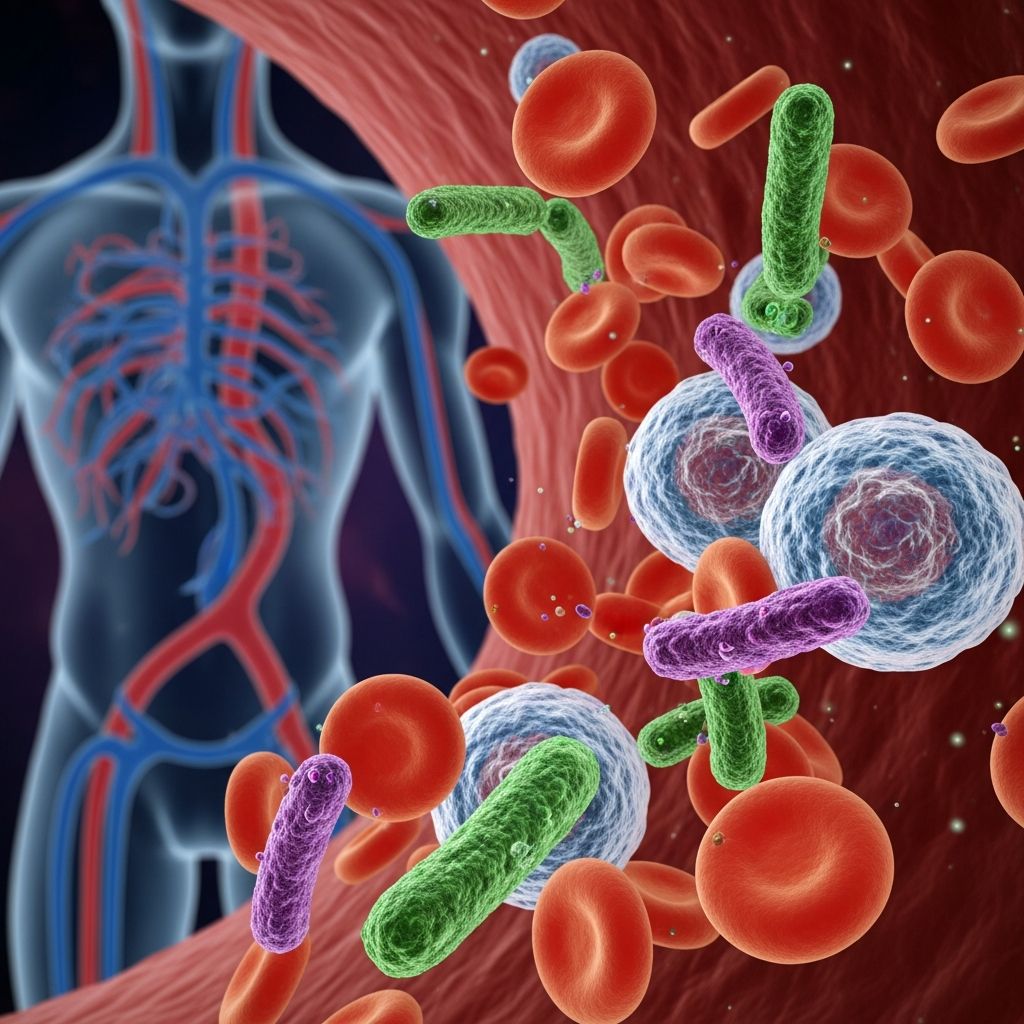
Septicemia, commonly known as blood poisoning, is a serious medical condition that occurs when harmful microorganisms and their toxins enter the bloodstream and spread throughout the body. This infection triggers a severe inflammatory response as the immune system attempts to combat the invading pathogens. Unlike localized infections that remain confined to a specific area, septicemia affects the entire body through circulation, making it a medical emergency that demands immediate medical intervention.
The condition represents a critical progression point where an infection has overcome the body’s localized defenses and entered the systemic circulation. When bacteria, viruses, or fungi penetrate the bloodstream, they can rapidly multiply and disseminate to vital organs, causing widespread inflammation and tissue damage. This systemic infection can quickly deteriorate into sepsis and septic shock if left untreated, conditions characterized by multiple organ dysfunction and potentially fatal outcomes.
Understanding the Difference Between Septicemia and Sepsis
While the terms are often used interchangeably in casual conversation, septicemia and sepsis are distinct medical conditions with important differences. Septicemia specifically refers to the presence of pathogenic microorganisms and their toxins actively multiplying in the bloodstream. Sepsis, by contrast, is the body’s systemic inflammatory response to infection, which may or may not originate from septicemia.
Sepsis can develop from infections at various body sites—including the lungs, urinary tract, skin, or abdominal cavity—without necessarily involving bloodstream contamination. However, septicemia always involves blood infection and represents one potential pathway to developing sepsis. Understanding this distinction is crucial for medical professionals in determining appropriate diagnostic testing and treatment strategies.
Causes of Septicemia
Septicemia can result from various sources of infection that breach the body’s protective barriers and access the circulatory system. Common causes include:
- Pneumonia and lower respiratory tract infections
- Urinary tract infections and kidney infections
- Abdominal infections including appendicitis and peritonitis
- Infections of the liver or gallbladder
- Brain or spinal cord infections (meningitis)
- Wound or burn infections
- Catheter-related infections
- Skin and soft tissue infections
Any infection anywhere in the body potentially can progress to septicemia if bacteria, fungi, viruses, or their toxic byproducts enter the bloodstream. Bacterial infections represent the most common cause, though fungal, viral, and parasitic infections also pose risks. Individuals with compromised immune systems, recent surgeries, invasive medical devices, or chronic medical conditions face elevated risk of developing septicemia from infections that might otherwise remain localized.
Recognizing Symptoms of Septicemia
Early recognition of septicemia symptoms is essential for prompt treatment and improved outcomes. The initial signs often mimic severe infections and include:
- Fever accompanied by chills and shivering
- Rapid heart rate (tachycardia)
- Difficulty breathing or rapid breathing
- Clammy or sweaty skin despite fever
- Extreme pain or general discomfort
- Redness, swelling, or discoloration around wounds or infection sites
- Nausea and vomiting
- Diarrhea
As septicemia progresses toward septic shock, more severe symptoms develop, including severe hypotension, altered mental status, difficulty maintaining alertness, confusion, and signs of organ dysfunction. Some patients may develop a rash that does not blanch when pressed. Any combination of these symptoms in the context of a known infection warrants immediate emergency medical evaluation.
Related Stories



Diagnosis of Septicemia
Accurate and rapid diagnosis of septicemia is critical for initiating life-saving treatment. Healthcare providers employ several diagnostic approaches:
Blood Cultures: Two sets of blood cultures (aerobic and anaerobic) are the gold standard for confirming septicemia. These samples are obtained before starting antibiotics whenever possible to identify the specific causative organism and guide targeted antibiotic selection.
Laboratory Tests: Complete blood counts, metabolic panels, liver function tests, and coagulation studies help assess organ function and severity of illness. Elevated lactate levels indicate tissue hypoxia and organ dysfunction, triggering more aggressive intervention.
Imaging Studies: Depending on the suspected infection source, physicians may order chest X-rays, abdominal imaging, or other studies to identify the primary infection site requiring drainage or surgical intervention.
Additional Cultures: Specimens from respiratory secretions, urine, wounds, cerebrospinal fluid, or catheter insertion sites may be cultured if infections from these sites are suspected.
Treatment Approaches for Septicemia
Septicemia requires immediate, aggressive treatment to prevent progression to sepsis and septic shock. Treatment typically occurs in hospital intensive care units and involves multiple coordinated interventions:
Antibiotic Therapy
Prompt antibiotic administration is the cornerstone of septicemia treatment. Broad-spectrum antibiotics should begin immediately after blood cultures are obtained, without waiting for culture results. Initial therapy typically includes two antimicrobial agents—such as a beta-lactam antibiotic with broad coverage or a carbapenem combined with fluoroquinolones, macrolides, or aminoglycosides. Once culture results and susceptibility testing are available, antibiotics can be narrowed to target the specific organism, reducing unnecessary broad-spectrum exposure.
Fluid and Hemodynamic Support
Intravenous fluid administration helps maintain adequate circulating blood volume and organ perfusion. If fluid resuscitation alone proves insufficient to maintain adequate blood pressure, vasopressor medications that constrict blood vessels and elevate blood pressure become necessary. These medications are carefully titrated to achieve target blood pressure while minimizing tissue damage from excessive vasoconstriction.
Organ Support Measures
Depending on organs affected by septicemia, additional supportive care may include mechanical ventilation for respiratory failure, dialysis for kidney dysfunction, insulin administration for glucose control, and blood product transfusions for coagulation abnormalities or significant blood loss.
Source Control
Identifying and eliminating the infection source is essential. Healthcare providers may drain infected fluid collections, remove infected catheters, debride infected wounds, or perform surgical procedures to remove necrotic tissue or localized infections preventing resolution of septicemia.
Adjunctive Therapies
Depending on clinical circumstances, physicians may prescribe corticosteroids to modulate excessive inflammatory responses, pain relief medications for comfort, medications to prevent stress ulcers and deep vein thrombosis, and nutritional support through enteral or parenteral feeding.
Prognosis and Recovery
Recovery from septicemia depends on the severity of infection, speed of treatment initiation, and overall patient health status. With effective treatment, many patients begin improving within weeks to months. However, severe cases may require extended hospitalization and recovery periods, particularly if significant organ damage occurred.
Importantly, individuals who have survived septicemia face increased risk of recurrent episodes in the future. They should remain vigilant about early infection recognition and maintain appropriate preventive measures, particularly if underlying conditions predispose them to infections. Long-term follow-up care helps address residual complications and monitor for potential sequelae.
Prevention and Risk Reduction
While not all septicemia cases are preventable, several strategies reduce risk:
- Maintaining proper wound care and hygiene to prevent skin and soft tissue infections
- Completing prescribed antibiotic courses fully to prevent treatment failures
- Seeking prompt medical attention for signs of infection
- Ensuring appropriate catheter care and hygiene in hospitalized patients
- Maintaining vaccinations against preventable infections
- Practicing good hand hygiene to reduce transmission of pathogens
- Managing chronic conditions like diabetes to optimize immune function
When to Seek Emergency Care
Septicemia constitutes a medical emergency requiring immediate hospital evaluation. Seek emergency care immediately if you or someone nearby experiences fever with rapid heartbeat, difficulty breathing, confusion, severe pain, signs of infection with systemic symptoms, or any combination of symptoms suggesting septicemia. Rapid treatment dramatically improves survival and reduces complications.
Frequently Asked Questions
Q: How quickly does septicemia develop?
A: Septicemia can develop rapidly, sometimes within hours of bacteria entering the bloodstream. Early recognition and treatment are critical, as delays in initiating antibiotics and supportive care significantly worsen outcomes and increase mortality risk.
Q: Can septicemia be cured?
A: Yes, septicemia can be successfully treated with prompt antibiotic therapy, supportive care, and source control. However, untreated septicemia progresses to sepsis and septic shock, which carry high mortality rates even with aggressive treatment.
Q: What is the mortality rate for septicemia?
A: Mortality rates vary based on infection severity, patient age, underlying health conditions, and treatment speed. Early detection and immediate treatment significantly improve survival rates compared to delayed intervention.
Q: How long does septicemia treatment take?
A: Treatment duration depends on infection severity and patient response. Most patients require several days to weeks of hospitalization with intensive care monitoring, followed by additional outpatient antibiotic therapy to completely eliminate infection.
Q: Are there long-term effects from septicemia?
A: Some septicemia survivors experience long-term complications including chronic pain, persistent weakness, cognitive difficulties, or organ dysfunction. Comprehensive rehabilitation and follow-up care help address these residual effects.
References
- Septicemia (Blood Poisoning): Causes, Management — Cleveland Clinic. 2024. https://my.clevelandclinic.org/health/diseases/21539-septicemia
- Sepsis — Wikipedia. 2025. https://en.wikipedia.org/wiki/Sepsis
- Sepsis: Symptoms, Causes, Treatment, Risks, and More — Healthline. 2024. https://www.healthline.com/health/sepsis
- Sepsis Symptoms and Treatment — WebMD. 2024. https://www.webmd.com/a-to-z-guides/sepsis-septicemia-blood-infection
- Sepsis: Symptoms, Causes, Treatment and More — Medical News Today. 2024. https://www.medicalnewstoday.com/articles/305782
- Sepsis: Symptoms, Causes, Treatment & Prevention — Cleveland Clinic. 2024. https://my.clevelandclinic.org/health/diseases/12361-sepsis
- Sepsis – Symptoms & Causes — Mayo Clinic. 2024. https://www.mayoclinic.org/diseases-conditions/sepsis/symptoms-causes/syc-20351214
Similar Articles








Read full bio of medha deb