Serotonin: How To Boost It Naturally With Expert Tips
Boost your mood naturally: science-backed methods to increase serotonin without medication.
Understanding Serotonin: Nature’s Mood Regulator
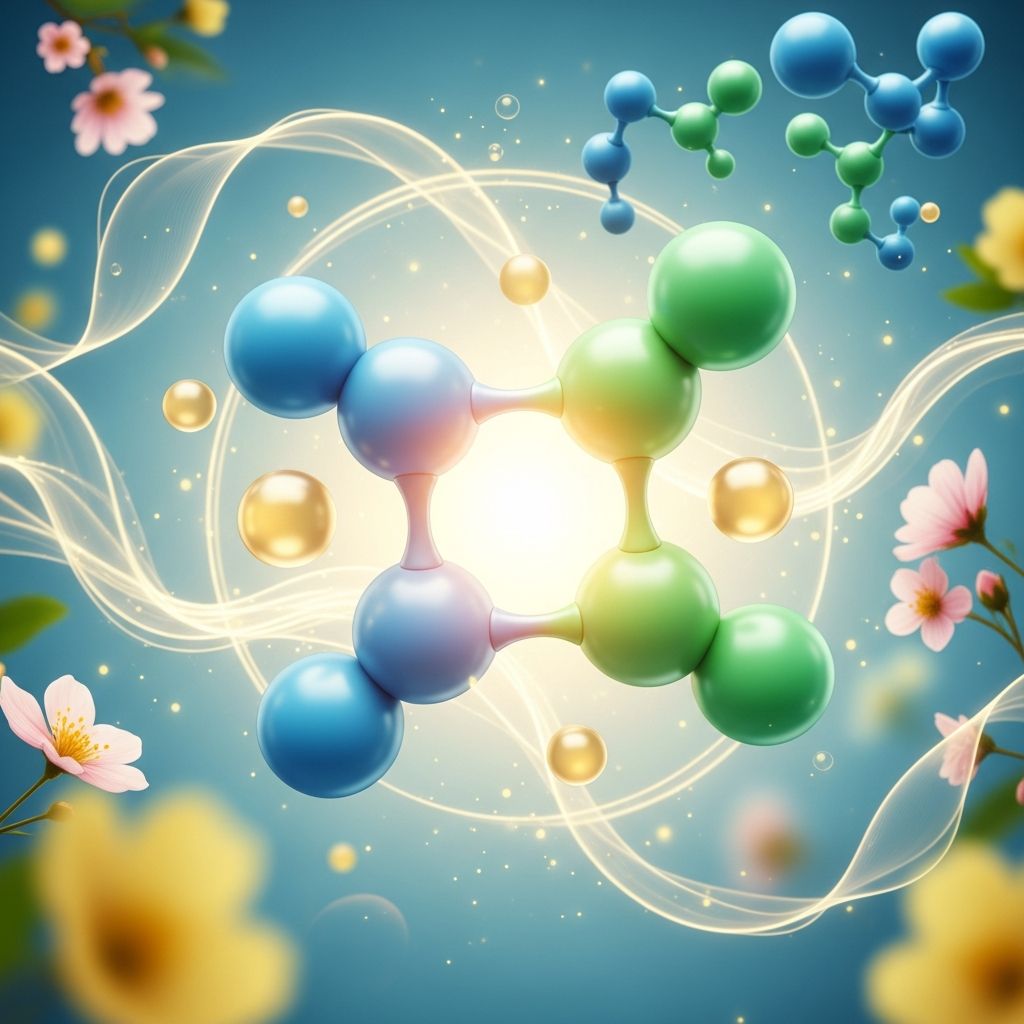
Serotonin is often called the “happiness hormone,” but its role in our bodies extends far beyond simple mood regulation. This powerful neurotransmitter affects virtually every aspect of human behavior and physiology, from sleep and appetite to mood control and even sexual function. While most people associate serotonin with feeling happy, the reality is more complex and fascinating. Understanding how serotonin works and how to naturally boost its levels can be transformative for your mental health and overall well-being.
The brain contains approximately 86 billion neurons, and serotonin acts as a chemical messenger between these nerve cells, transmitting signals throughout the brain and body. Low serotonin levels have been linked to depression, anxiety, and various mood disorders, which is why many pharmaceutical treatments target serotonin receptors. However, there are numerous natural, evidence-based strategies to increase serotonin production without relying on medication.
The Science Behind Serotonin and Mood
Scientists have determined that specific serotonin receptors in the brain are responsible for particular moods and behaviors. These receptors essentially act as locks, with serotonin acting as the key that unlocks various emotional and behavioral responses. Your serotonin levels may dictate how you respond to situations and challenges in your life, influencing your overall emotional resilience and mental flexibility.
Interestingly, the relationship between serotonin and mood appears to be bidirectional. Research using positron emission tomography (PET) scanning has shown that happiness increases serotonin synthesis in the brain’s right anterior cingulate cortex, while sadness decreases it. This suggests that positive thoughts and emotions can actually trigger increased serotonin production, creating a beneficial feedback loop.
The connection between serotonin and physical health is equally important. Low serotonin levels have been associated with metabolic syndrome, a risk factor for heart disease, suggesting that this neurotransmitter influences not just mental health but also physical well-being.
Exercise: Your Body’s Natural Serotonin Factory
Perhaps the most powerful and well-documented method of naturally increasing serotonin is regular physical exercise. A substantial body of scientific evidence demonstrates that exercise, including aerobic activity and strength training, is associated with significant increases in plasma tryptophan—the amino acid precursor to serotonin.
The recommended guidelines suggest 30 minutes of aerobic exercise five times per week, combined with two strength-training sessions per week. This regimen has been shown to improve mood disorders and enhance cardiovascular health simultaneously. The beauty of exercise is that the mood-boosting benefits are enhanced when you engage in activities you genuinely enjoy.
For example, if you love soccer, joining a local community team or scheduling regular games with friends not only increases serotonin but also provides social connection and something to anticipate—additional mood-enhancing benefits. The key is consistency and choosing activities that feel rewarding rather than obligatory, as this amplifies the serotonin-boosting effects.
Harnessing Natural Light for Mental Wellness
Our ancestors lived in sync with natural light cycles, yet modern life often confines us indoors under artificial lighting. Exposure to bright, natural sunlight is a scientifically-proven method to increase serotonin production and activity. Research demonstrates that serotonin synthesis and function increase significantly when the brain is exposed to adequate light, particularly bright, natural daylight.
Related Stories



Light therapy has long been the gold standard treatment for seasonal affective disorder (SAD), the depression many people experience during winter months when daylight is limited. However, emerging research suggests that sunlight exposure may also help with nonseasonal depression and anxiety. Even spending 20-30 minutes in direct sunlight daily can measurably improve serotonin levels.
For those in climates with limited winter sunlight, light therapy boxes that emit bright light similar to natural daylight can provide comparable benefits. The mechanism appears to involve direct stimulation of serotonin-producing neurons in response to light exposure, making this one of the most accessible and free methods of mood enhancement.
Nutrition and the Serotonin Connection
While “eating your way to happiness” sounds appealing, the relationship between diet and serotonin is more nuanced than simply consuming tryptophan-rich foods. Tryptophan is the amino acid precursor needed to synthesize serotonin, and while several foods contain this compound, simply eating these foods doesn’t automatically boost brain serotonin levels.
The process is complex: your body needs adequate carbohydrates to release insulin, which facilitates the absorption of amino acids. Even when tryptophan enters the bloodstream, it must compete with other amino acids to cross the blood-brain barrier and enter the central nervous system. This means context and dietary composition matter significantly.
Foods particularly beneficial for serotonin support include complex carbohydrates such as vegetables, fruits, legumes, and whole grains. These foods provide the carbohydrate environment necessary to help tryptophan reach the brain. Additionally, protein-rich foods containing tryptophan—including turkey, chicken, cheese, nuts, and seeds—should be part of a balanced diet designed to support neurotransmitter production.
Foods That Support Serotonin Production:
– Whole grains and brown rice- Legumes and beans- Nuts and seeds- Fatty fish rich in omega-3s- Eggs- Cheese and dairy products- Dark chocolate (in moderation)- Fruits and vegetables
The Power of Meditation and Mindfulness
An increasingly popular and scientifically-validated approach to increasing serotonin is meditation. Research suggests that regular meditation practice triggers serotonin release, with some studies showing that just 20 minutes of daily meditation can measurably boost serotonin levels in the brain.
The mechanism appears to involve the transition into a meditative state itself. When your mind enters this calm, focused condition, your brain activates neural pathways associated with serotonin production. Unlike exercise, which works through physical exertion, or light exposure, which works through photoreception, meditation works through conscious mental discipline and the cultivation of specific brain states.
Meditation also teaches emotional regulation and perspective-taking, skills that complement the neurochemical benefits of increased serotonin. The practice encourages positive thought patterns, which, as research has shown, can independently increase serotonin synthesis in specific brain regions associated with mood regulation.
Social Connection and Physical Touch
Humans are inherently social creatures, and our social bonds directly influence serotonin production. Positive social interactions, meaningful conversations, and quality time with loved ones all contribute to elevated serotonin levels. This is why loneliness and social isolation are such powerful risk factors for depression.
Physical touch deserves particular mention as a serotonin booster. Hugging, handshakes, and other forms of appropriate physical contact trigger the release of serotonin and related neurotransmitters. Even brief instances of positive physical contact can meaningfully improve mood and create a sense of belonging and security.
Laughter represents another underrated serotonin booster. The act of laughing—whether genuine or even forced—activates neural pathways associated with pleasure and reward, increasing serotonin and endorphin release. This is why spending time with people who make you laugh is genuinely therapeutic.
Beyond Serotonin: Understanding Related Mood Systems
While serotonin deserves its reputation as a mood regulator, it works in concert with other neurotransmitters. Dopamine, another “happy hormone,” works alongside serotonin to influence mood and motivation. While serotonin is associated with happiness, focus, and calmness, dopamine is more closely linked to reward-seeking behavior and motivation.
Endorphins, often called the body’s natural painkillers, are produced by the central nervous system and pituitary gland. They’re released in response to stress, discomfort, exercise, and even laughter. These neurochemicals reduce pain perception and trigger positive feelings, complementing the mood-boosting effects of serotonin.
Regular physical activity stimulates the release of all three—serotonin, dopamine, and endorphins—creating a comprehensive mood-enhancement effect that is difficult to achieve through any single intervention.
Creating Your Natural Serotonin Enhancement Plan
The most effective approach to naturally boosting serotonin involves combining multiple strategies. Here’s how to create a personalized plan:
Week 1-2: Foundation Building Start by establishing one consistent practice, such as a 20-minute daily walk in natural light. This combines exercise and sunlight exposure simultaneously. In the evenings, begin a simple 10-minute meditation practice.
Week 3-4: Adding Layers Introduce dietary adjustments by increasing complex carbohydrates and including more tryptophan-rich foods in your meals. Schedule one social activity weekly that involves people you enjoy.
Week 5+: Optimization Gradually increase exercise duration and intensity as your body adapts. Expand your meditation practice to 20 minutes daily if possible. Consider adding a light therapy box if you live in a region with limited winter sunlight.
When to Seek Professional Help
While these natural strategies are powerful and evidence-based, it’s important to recognize their limitations. If you experience persistent depressive symptoms, severe anxiety, or suicidal thoughts, these natural approaches should complement, not replace, professional mental health treatment. Many cases of clinical depression involve complex neurochemical imbalances that may require pharmaceutical intervention alongside lifestyle modifications.
A healthcare provider can determine whether your mood symptoms warrant medication while also supporting your efforts to implement natural serotonin-boosting strategies. The goal is comprehensive wellness, utilizing all available tools rather than adhering to a false choice between natural and medical approaches.
Frequently Asked Questions
Q: How long does it take to see mood improvements from natural serotonin boosting?
A: Most people notice improvements within 2-4 weeks of consistent practice. Exercise can produce mood benefits within days, while dietary and meditation changes typically take longer to manifest noticeable effects. Individual variation is significant.
Q: Can I overdose on serotonin through natural methods?
A: No. While serotonin syndrome is a concern with certain medications, natural methods of increasing serotonin operate within your body’s regulatory systems and cannot cause dangerous overdose levels.
Q: Is sunlight exposure beneficial in winter?
A: Yes, even winter sunlight contains beneficial wavelengths. However, on particularly cloudy days or in far northern latitudes, a light therapy box mimicking natural daylight can provide comparable benefits.
Q: Can dietary supplements increase serotonin?
A: Several supplements, including 5-HTP and SAMe, have shown promise in research studies for supporting serotonin levels. However, quality varies, and they should be discussed with healthcare providers before use.
Q: How does stress affect serotonin levels?
A: Chronic stress depletes serotonin and other mood-regulating neurotransmitters. All the strategies discussed—exercise, meditation, social connection—are particularly valuable for stress management.
References
- How to increase serotonin in the human brain without drugs — National Institutes of Health, National Center for Biotechnology Information. 2008. https://pmc.ncbi.nlm.nih.gov/articles/PMC2077351/
- Serotonin: What Is It, Function & Levels — Cleveland Clinic. 2024. https://my.clevelandclinic.org/health/articles/22572-serotonin
- What Is Serotonin? — Mental Health America. 2024. https://mhanational.org/resources/what-is-serotonin/
- Natural Mood-Boosters: Elevate Your Feel-Good Hormones Without Substances — PCI Centers. 2024. https://www.pcicenters.com/natural-mood-boosters-elevate-feel-good-hormones-without-substances/
Similar Articles








Read full bio of Sneha Tete