Serum Sickness-Like Reaction: Causes, Symptoms, Treatment Guide
Understanding serum sickness-like reaction: causes, symptoms, diagnosis, and effective management strategies for this immune-mediated condition.
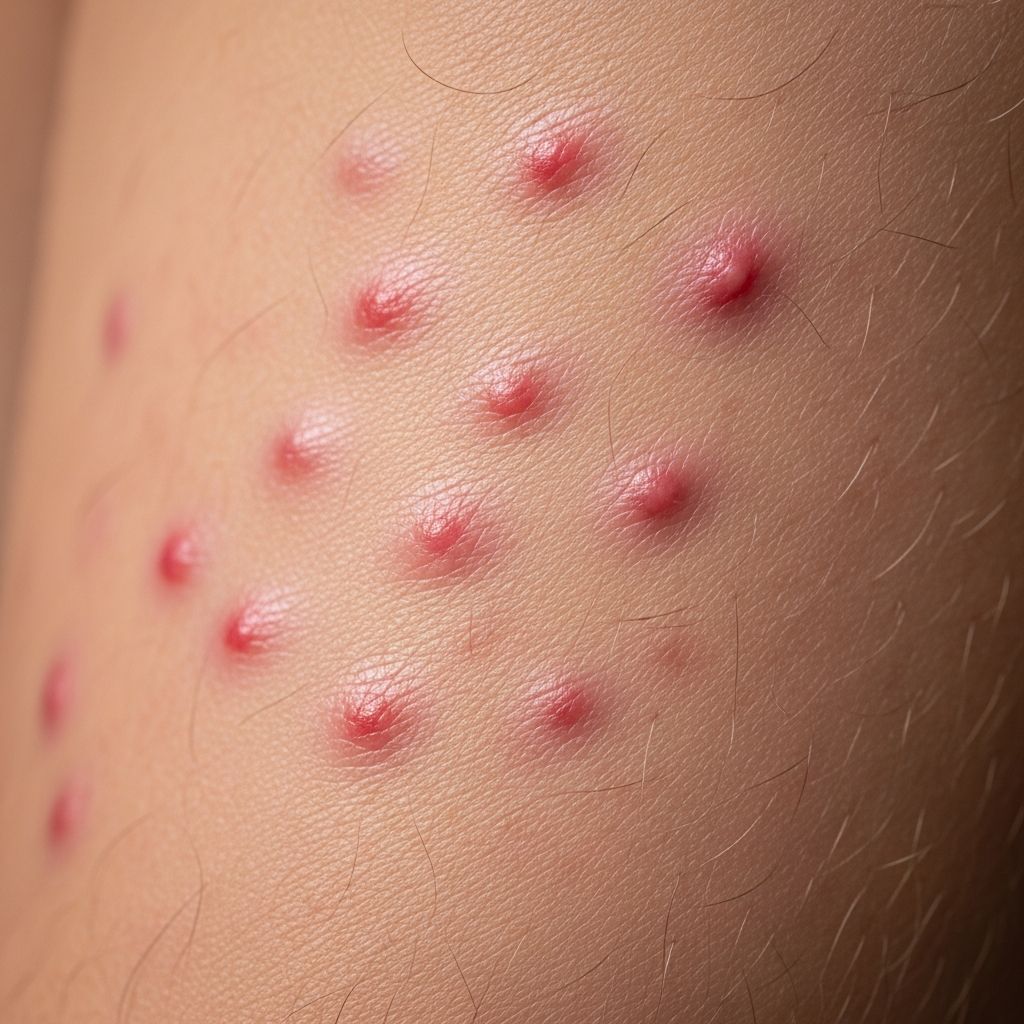
Serum sickness-like reaction (SSLR) is a self-limited hypersensitivity disorder characterized by fever, arthralgias, and a rash resembling urticaria or morbilliform eruptions, typically occurring 1–3 weeks after exposure to certain drugs or infections. Unlike true serum sickness, which involves immune complex deposition from heterologous proteins, SSLR does not demonstrate immune complexes or heterologous protein triggers.
What is the cause of a serum sickness-like reaction?
SSLR is primarily triggered by medications, particularly antibiotics such as cefaclor (the most common culprit), other cephalosporins, penicillins like amoxicillin, and sulfonamides. It may also arise from bacterial infections (e.g., streptococcal infections), viral infections (e.g., hepatitis B), or rarely vaccines like rabies, flu, tetanus, or pneumococcal. Unlike classic serum sickness from antisera or antivenoms, SSLR lacks reproducible immune complex formation and can occur even after completing the medication course or in response to the underlying infection itself.
Children are affected more frequently than adults, with cefaclor historically linked to higher incidence rates. The exact mechanism remains unclear but involves a type III-like hypersensitivity without detectable immune complexes.
Clinical features
Symptoms of SSLR typically emerge 7–14 days after exposure onset, peaking after rash development and resolving over 1–12 weeks. Initial manifestations include an itchy rash resembling hives (urticaria) or evolving into bruised-centered lesions, often on the trunk, extremities, palms, or soles.
- Rash: Polymorphous – urticarial (migratory, pruritic wheals), maculopapular, or purpuric; may migrate slowly and persist 5–7 days per episode.
- Fever: Low-grade common in SSLR (less intense than serum sickness >38.5°C).
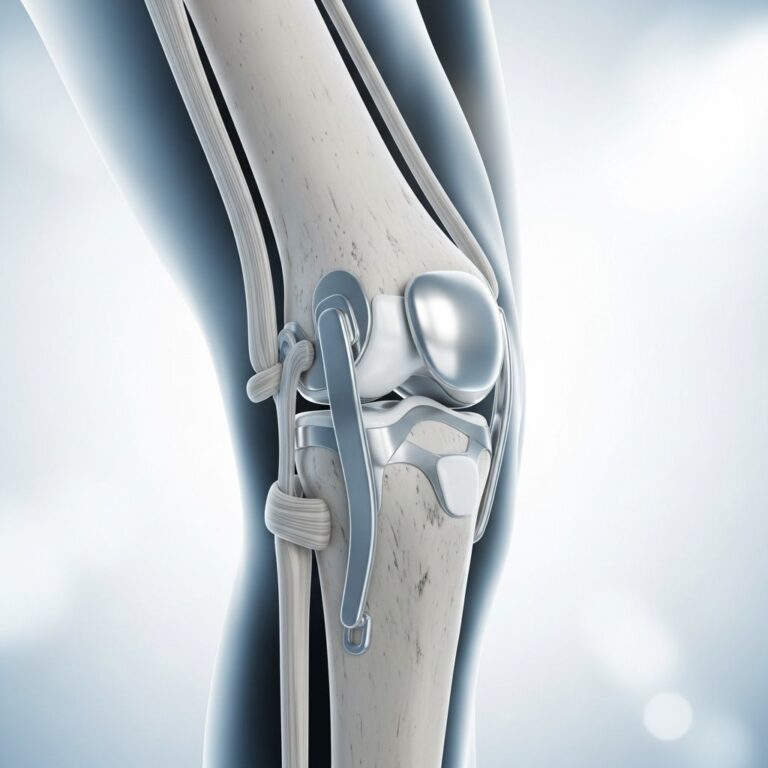
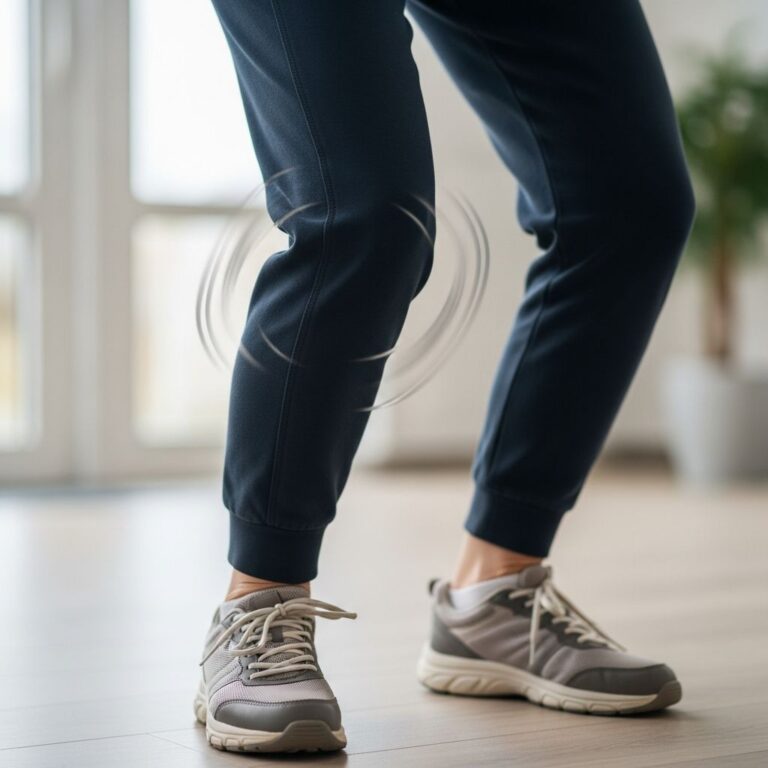
- Arthralgias/Arthritis: Symmetric polyarthritis affecting knees, ankles, wrists, shoulders, MCP joints; up to 2/3 of cases, causing refusal to bear weight in infants.
- Swelling: Facial, extremity edema; red/swollen hands/feet.
- Other: Lymphadenopathy, fatigue, vomiting, rare respiratory distress.
Symptoms may wax and wane, prompting multiple healthcare visits as new features appear sequentially.
Diagnosis
Diagnosis is clinical, based on characteristic timing (1–3 weeks post-exposure), rash morphology, fever, and arthralgias following suspect drugs/infections. History exploration includes events 2 weeks prior: medications, infections, immunizations.
Laboratory tests are nonspecific:
- Elevated ESR/CRP, leukocytosis.
- Negative for immune complexes, heterologous IgG (distinguishing from true serum sickness).
- Skin biopsy rarely needed, shows dermal edema, perivascular infiltrate without vasculitis.
Differential diagnosis
| Condition | Key Distinguishing Features |
|---|---|
| Urticaria/Anaphylaxis | Faster onset (<24h), mucosal involvement, respiratory distress; IgE-mediated. |
| Systemic Juvenile Idiopathic Arthritis | Prolonged daily spiking fevers, salmon evanescent rash, no drug trigger. |
| Kawasaki Disease | Mucosal changes, conjunctivitis, strawberry tongue, coronary risk. |
| Scarlet Fever/Acute Rheumatic Fever | Pharyngitis history, sandpaper rash, carditis, ASO titer elevation. |
| Lyme Disease | Tick exposure, erythema migrans, monoarthritis. |
| Stevens-Johnson Syndrome | Mucocutaneous erosions, severe blistering. |
| Arthus Reaction | Localized, rapid (<24h) post-vaccine/insect bite. |
Treatment of a serum sickness-like reaction
Management is supportive; discontinue offending agent immediately. Symptoms resolve spontaneously in 2–4 weeks without scarring.
- Symptomatic relief: Antihistamines (e.g., cetirizine) for pruritus; NSAIDs/analgesics for arthralgias; short-course oral corticosteroids (e.g., prednisone 1 mg/kg/day for 5–7 days) for severe cases.
- Avoid rechallenge: Permanent avoidance of implicated drug (e.g., cefaclor); record in medical history.
- Hospitalization: Rare, for dehydration or severe symptoms.
Unlike true serum sickness, rechallenge with the same antibiotic may not recur, especially if infection-triggered.
What is the outcome for a serum sickness-like reaction?
SSLR is benign and self-limited, fully resolving without long-term sequelae. Hives may recur intermittently for weeks post-resolution but eventually cease. Rare complications include glomerulonephritis, but this aligns more with true serum sickness. No increased risk of chronic autoimmune disease.
Related Stories



Frequently Asked Questions
Who gets serum sickness-like reaction?
Primarily children following antibiotic use for infections; adults less common. No specific predisposing factors identified.
What causes serum sickness-like reaction?
Most often cefaclor, amoxicillin, other beta-lactams; infections or vaccines rarely.
What are the clinical features of serum sickness-like reaction?
Itchy urticarial rash, fever, joint pains/swelling starting 7–14 days post-exposure.
How is serum sickness-like reaction diagnosed?
Clinical history and exam; exclude mimics via labs/imaging if needed.
How is serum sickness-like reaction treated?
Stop trigger drug; antihistamines, NSAIDs, brief steroids for symptoms.
What is the outcome for serum sickness-like reaction?
Complete resolution in weeks; avoid future exposure to same drug.
How can serum sickness-like reaction be prevented?
Document allergy; consider alternatives to high-risk antibiotics like cefaclor.
This article expands on SSLR comprehensively, drawing from pediatric and clinical guidelines. Early recognition prevents unnecessary interventions. Consult healthcare providers for personalized advice.
References
- Serum Sickness-like Reaction — Cincinnati Children’s Hospital Medical Center. 2023. https://www.cincinnatichildrens.org/health/s/serum-sickness-like-reaction
- Serum Sickness-Like Reaction (SSLR) — UMass Memorial Health. 2024. https://www.ummhealth.org/health-library/serum-sickness-like-reaction-sslr
- Serum Sickness — Osmosis.org. 2023. https://www.osmosis.org/video/Serum_sickness
- Serum Sickness and Serum Sickness-like Reactions (SSLRs) — Royal Children’s Hospital Melbourne. 2024. https://www.rch.org.au/clinicalguide/guideline_index/Serum_Sickness_and_Serum_Sickness_like_reactions_(SSLRs)/
- Serum Sickness: Causes, Symptoms & Treatment — Cleveland Clinic. 2024. https://my.clevelandclinic.org/health/diseases/serum-sickness
- Serum Sickness — StatPearls, NCBI Bookshelf. 2023-10-01. https://www.ncbi.nlm.nih.gov/books/NBK538312/
Similar Articles








Read full bio of Sneha Tete