Serving Size vs. Portion Size: Key Differences
Understand the crucial distinction between serving and portion sizes for better nutrition.
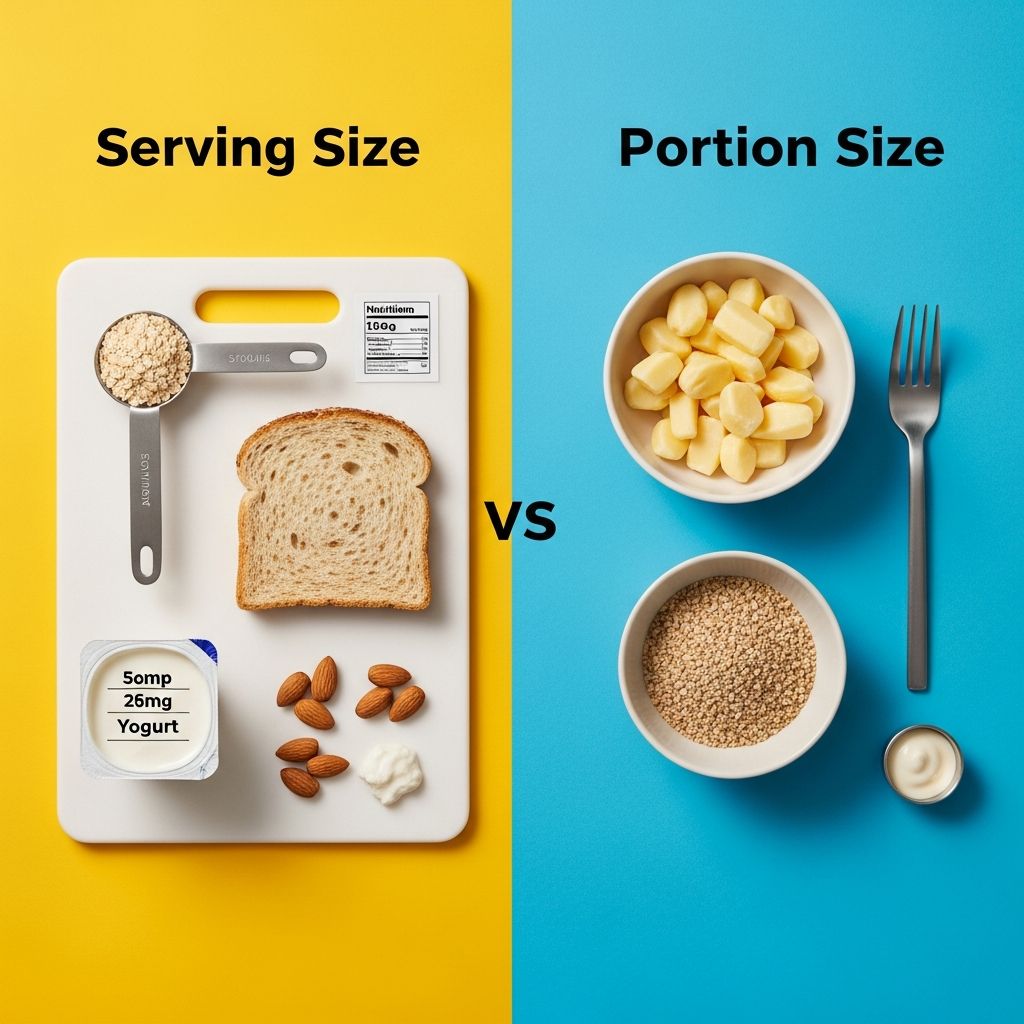
When it comes to making informed decisions about nutrition and maintaining a healthy diet, understanding food measurements is essential. A key part of healthful eating means choosing appropriate amounts of different foods. However, many people use the terms “serving size” and “portion size” interchangeably, assuming they mean the same thing. In reality, these two concepts are distinctly different and play separate roles in nutrition planning and food consumption. Understanding the difference between these terms can help you make better dietary choices and manage your food intake more effectively.
Understanding Serving Size
Serving size is a standardized amount of food established by nutrition experts and regulatory agencies. It serves multiple important functions in the food and nutrition industry. A serving size may be used to indicate the recommended amount of food, as is the case with the MyPlate food groups developed by the U.S. Department of Agriculture. Additionally, serving sizes represent the amount people typically consume and are displayed on Nutrition Facts labels found on packaged food products.
The Food and Drug Administration (FDA) sets serving sizes on nutrition labels to help consumers make informed choices about their food consumption. By law, serving sizes must be based on the amount of food people typically consume, rather than how much they should consume. This ensures that the nutritional information provided on labels reflects real-world eating patterns. Serving sizes are shown as common household measures appropriate for each food, such as cups, tablespoons, pieces, slices, or ounces, followed by the metric amount in grams.
Different products have different serving sizes. The variation exists because foods have different densities and typical consumption patterns. For example, the serving size for cereal might be listed as ½ cup, while the serving size for pasta might be 1 cup. To understand how many servings a container has, you should look at the top of the Nutrition Facts label where “Servings per container” is listed right above “Serving size.” This information is crucial because all the nutritional data on the label is based on one serving of the food.
Understanding Portion Size
Portion size is the amount of a food you choose to eat at one time, which may be more or less than a serving. This is a personal choice and varies from person to person based on individual preferences, appetite, and circumstances. For example, the Nutrition Facts label may indicate ½ cup of cereal for one serving, but if you eat ¾ cup, that ¾ cup is your portion size.
Portion sizes are particularly important to consider because they directly impact your actual calorie and nutrient intake. If you consume two servings of a food, you are also doubling the calories and nutrients listed on the label for one serving. Portion sizes of food prepared outside the home, such as at restaurants, have significantly increased over the years and often exceed federal dietary guidance. The rising popularity of eating food outside the home—whether at restaurants or through takeout and delivery services—has contributed to increasing portion sizes and rising obesity rates.
Key Differences Between Serving and Portion Sizes
Understanding the distinctions between serving size and portion size is fundamental to making informed nutritional choices. Here are the primary differences:
Related Stories



- Definition: A serving size is standardized and based on typical consumption patterns, while a portion size is individual and based on personal choice.
- Source: Serving sizes are determined by the FDA and appear on Nutrition Facts labels, whereas portion sizes are determined by you.
- Purpose: Serving sizes help provide consistent nutritional information for comparison purposes, while portion sizes reflect what you actually eat.
- Consistency: Serving sizes remain the same for a particular product, but portion sizes can vary from person to person and even from meal to meal.
- Impact: Understanding serving sizes helps you interpret nutritional information accurately, while managing portion sizes helps you control your actual food intake and calorie consumption.
Hand Portion Guide: Visual References for Appropriate Amounts
One of the most practical ways to manage portion sizes without constantly measuring is to use your hand as a guide. Your hand is always available and provides a personalized measurement tool that scales with your body size. Here is a comprehensive hand portion guide for common food categories:
| Food Category | Hand Reference | Measurement | Appropriate Portion Size |
|---|---|---|---|
| Vegetables, Fruits & Juices | A baseball or an average-sized fist | About 1 cup | Raw or cooked vegetables, whole fruit, or 100% fruit juice |
| Grains | A tennis ball or small, scooped handful | About ½ cup | 1-ounce equivalent for pasta, rice, and oatmeal |
| Protein | A deck of cards or the palm of the hand | About 3 ounce-equivalents | Fish, chicken, beef, and other meats |
| Nut Spreads | The size of the thumb | About 1 tablespoon | Peanut butter or other nut spreads such as almond butter |
| Oils & Fats | A postage stamp or the tip of the pointer finger to the first joint | About 1 teaspoon | Oils or other fats |
How to Create a Balanced Plate
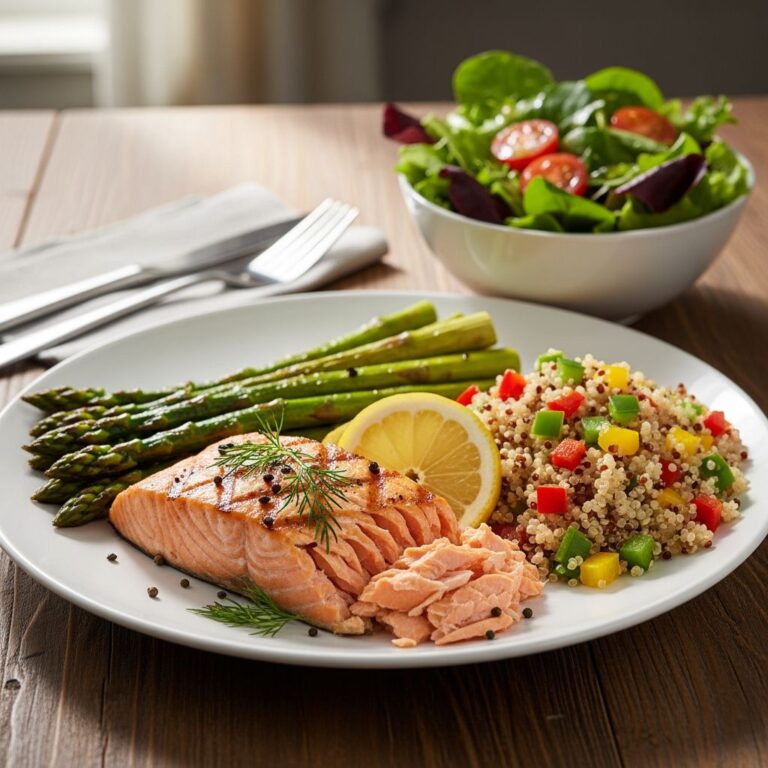
A practical approach to managing portion sizes is to use the plate method, which helps you visualize appropriate proportions of different food groups. When creating a balanced plate, consider these guidelines:
- Vegetables or a combination of vegetables and fruits should make up approximately half of your plate.
- Grains and other starches should occupy about one-quarter of your plate.
- Protein sources should take up approximately one-quarter of your plate.
- Include a source of healthy fats and a beverage such as low-fat or fat-free milk.
This visual approach makes it easier to understand appropriate portion sizes without needing to measure everything precisely.
Practical Tips for Managing Portion Sizes
Always Plate Your Food
One of the simplest yet most effective strategies for managing portion sizes is to plate your food before eating. It is much easier to eat more than you need when eating straight from a bag or box because you are not visually tracking how much you consume. By plating your food, you create a clear boundary for your portion and are more likely to eat a reasonable amount.
Use the Right Tools
Investing in proper measuring tools can significantly help you understand what serving sizes actually look like. Try portioning out foods with measuring cups and spoons to familiarize yourself with serving sizes. Over time, this practice helps you develop an intuitive sense of appropriate portions. Additionally, using smaller plates and bowls can make portion sizes appear larger and leave you feeling more satisfied with less food. This psychological approach to portion control can be surprisingly effective.
Measure Foods Regularly
Make measuring foods a regular practice to develop a visual understanding of what serving sizes look like. It becomes easier to pick the appropriate amount as you grow more accustomed to it. After measuring foods for a while, you will develop better portion awareness and may not need to measure as frequently.
Listen to Your Body
While serving sizes are valuable tools for understanding nutritional information, it is equally important to listen to your body while eating. If you are still hungry after eating one serving, that likely means you need more food. Conversely, if you are full after less than one serving, that is perfectly acceptable. Every person’s nutritional needs are different based on factors such as age, activity level, metabolism, and health status.
Skip Portion Upgrades
When dining out, restaurants often offer the option to upgrade to a larger size for a minimal additional cost, such as 50 cents. While this may seem like a better value, it often leads to consuming significantly more calories than necessary. If you can safely transport extra food home to eat later, an upgrade might be worthwhile. Otherwise, stick to the serving size you know you can eat at one sitting without feeling too full.
Reading and Using Nutrition Facts Labels
To use serving sizes effectively, you need to understand how to read a Nutrition Facts label. The serving size and servings per container are located at the top of the label. All the nutritional information listed—including calories, fat, protein, carbohydrates, and other nutrients—is based on one serving of the food.
Some containers may have dual-column labels, which provide nutritional information both per serving and per entire package. These labels are particularly helpful for understanding your total intake if you consume the entire container. When checking total calories per serving and container, compare how many calories are in one serving to how many servings you actually eat. If you eat two servings, you are consuming double the calories and nutrients.
Frequently Asked Questions
Q: Can my portion size be different from the serving size?
A: Yes, absolutely. Your portion size may be larger or smaller than the serving size listed on the Nutrition Facts label. The serving size is standardized based on typical consumption, but your portion size is based on what you actually choose to eat.
Q: Why are restaurant portion sizes so much larger than serving sizes?
A: Restaurant portion sizes have increased significantly over the years as an industry standard to provide perceived value to customers. These portions often exceed federal dietary guidance and contribute to overconsumption of calories, which is a factor in rising obesity rates.
Q: How can I better control my portion sizes?
A: Use measuring cups and spoons regularly, use smaller plates, plate your food before eating rather than eating from packages, use your hand as a portion guide, and always listen to hunger and fullness cues from your body.
Q: Is the serving size on a label a recommendation of how much I should eat?
A: No, the serving size is not a recommendation of how much you should eat. It is simply a standardized amount used to display nutritional information. Your appropriate portion size depends on your individual needs, which may be more or less than the listed serving size.
Q: What should I do if a package contains multiple servings but I want to know the nutrition for the whole package?
A: Look for the “Servings per container” information at the top of the label. Multiply the nutritional values by the number of servings in the container to determine the total nutrition if you eat the entire package. Some labels include dual-column information that already provides this calculation for you.
References
- Portion Size vs. Serving Size: Do You Know the Difference? — Mississippi State University Extension Service. 2024. https://extension.msstate.edu/blogs/extension-for-real-life/portion-size-vs-serving-size-do-you-know-the-difference
- Food Portions: Choosing Just Enough for You — National Institute of Diabetes and Digestive and Kidney Diseases (NIDDK), U.S. Department of Health and Human Services. 2024. https://www.niddk.nih.gov/health-information/weight-management/just-enough-food-portions
- Serving Size on the Nutrition Facts Label — U.S. Food and Drug Administration. 2024. https://www.fda.gov/food/nutrition-facts-label/serving-size-nutrition-facts-label
- Know the Differences Between Portion Size vs. Serving Size for Your Whole Health — AdventHealth. 2024. https://www.adventhealth.com/blog/know-differences-between-portion-size-vs-serving-size-your-whole-health
Similar Articles








Read full bio of medha deb