Sesame Seeds Benefits: 5 Science-Backed Health Perks
Discover the impressive health benefits of sesame seeds, from heart health to antioxidant protection and more.
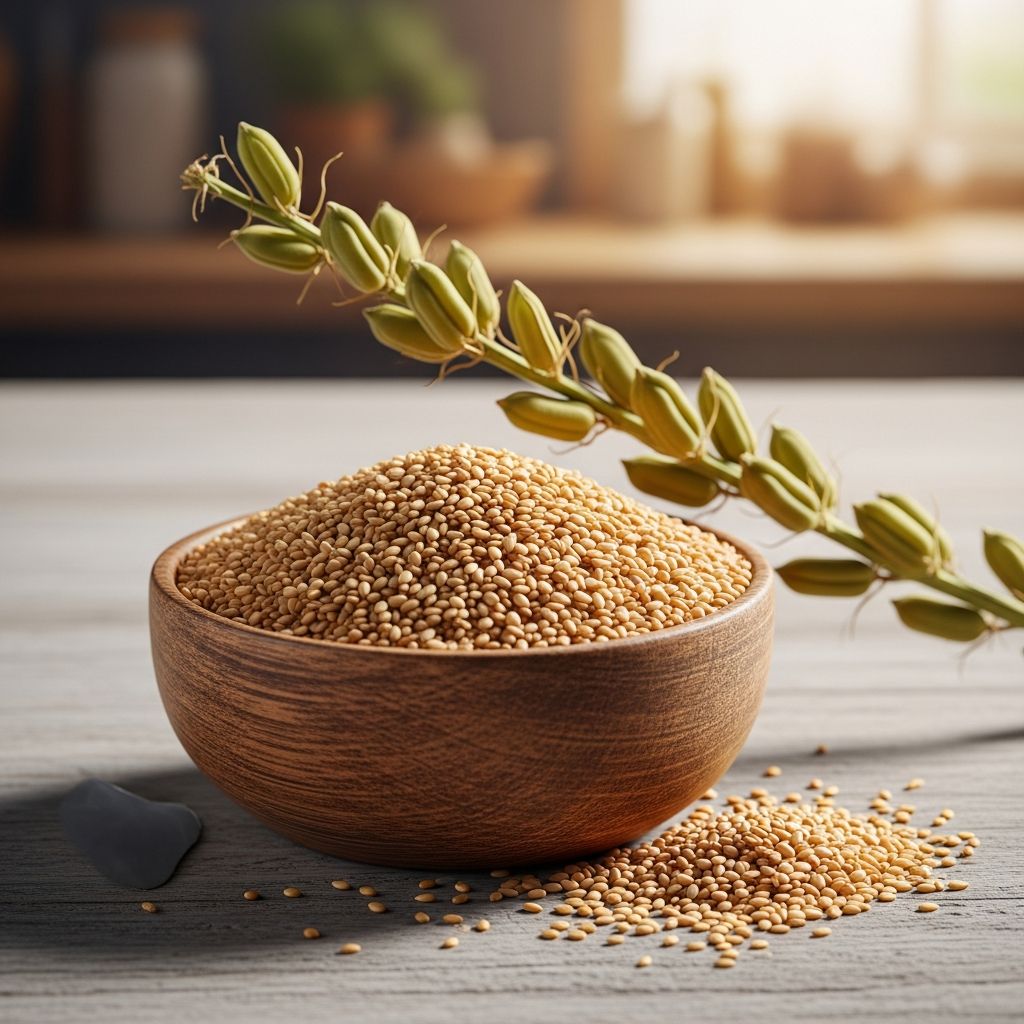
Sesame seeds, tiny but mighty nutritional powerhouses, have been cultivated for thousands of years across cultures for their nutty flavor and impressive health perks. Packed with healthy fats, protein, fiber, vitamins, minerals, and unique antioxidants like lignans, these seeds support heart health, blood sugar control, bone strength, and more. Whether sprinkled on salads, blended into tahini, or used in traditional remedies, sesame seeds deliver benefits grounded in scientific research.
What Are Sesame Seeds?
Sesame seeds (*Sesamum indicum*) are small, oval seeds harvested from the sesame plant, an annual crop native to India and Africa but now grown worldwide. Available in colors like beige, black, brown, and red, they offer a crunchy texture and nutty taste. Black sesame seeds are less processed and may retain more antioxidants, while hulled white varieties are milder.
Historically revered in Ayurvedic and Chinese medicine, sesame seeds feature in dishes from Japanese sushi to Middle Eastern hummus. Their oil, extracted via cold-pressing, is stable for high-heat cooking and used in cosmetics for its emollient properties.
Sesame Seeds Nutrition Facts
A one-ounce (28g) serving of sesame seeds provides about 160 calories, making them energy-dense yet nutrient-rich. Key nutrients include:
- Healthy fats: 14g total, with 44% polyunsaturated (like omega-6) and 38% monounsaturated fats, supporting heart health.
- Protein: 5g, aiding muscle repair and satiety.
- Fiber: 3.3g, promoting digestion and blood sugar stability.
- Minerals: Calcium (22% DV for bone health), magnesium (25% DV for blood pressure), zinc (19% DV for immunity), iron (21% DV for blood), selenium (188% DV for thyroid), copper, and manganese.
- Vitamins: B vitamins (B1, B6 for energy metabolism), vitamin E (gamma-tocopherol form for antioxidant protection).
- Unique compounds: Lignans (sesamin, sesamolin), phytosterols (highest among seeds at 202mg/oz), and sesamol for anti-inflammatory effects.
Soaking, sprouting, or roasting enhances mineral absorption by reducing phytates.
5 Top Sesame Seeds Benefits
1. Packed With Antioxidants
Sesame seeds are antioxidant powerhouses, thanks to lignans like sesamin and sesamolin, sesamol, and gamma-tocopherol. These combat oxidative stress, a driver of chronic diseases like heart disease, cancer, and neurodegeneration. Studies show sesame consumption boosts blood antioxidant levels, protecting cells from damage.
A 2016 review highlighted sesame’s phenolics reducing oxidative stress, potentially preventing cardiovascular issues and Alzheimer’s. Sesamol offers anti-mutagenic, anti-inflammatory, and chemopreventive properties.
2. May Lower Cholesterol and Blood Pressure
Sesame’s phytosterols and lignans block cholesterol absorption. A study of 38 people eating 40g hulled sesame daily for two months saw 10% LDL drop and 8% triglyceride reduction. Phytosterols (202mg/oz) outrank other seeds.
For blood pressure, sesamin lowered systolic readings by 6% in a trial with 2.5g black sesame powder daily. Calcium and magnesium further support vascular health, widening vessels and preventing clots.
3. May Support Blood Sugar Control
Low-carb, high-protein/fat profile stabilizes blood sugar. Pinoresinol inhibits maltase, slowing maltose digestion from starches. Sesame oil enhances type 2 diabetes meds, reducing hyperglycemia via antioxidants.
People with diabetes benefit from target blood sugar levels with regular intake.
4. Promote Heart Health
Combining fats, fiber, antioxidants, and minerals slashes heart disease risks. Polyunsaturated/monounsaturated fats improve lipid profiles; studies link sesame oil to better cardiovascular function and lipid metabolism.
Sesame lignans prevent mutations and support heart protection.
Related Stories



5. Help Reduce Inflammation
Sesamin and sesamolin fight chronic low-grade inflammation tied to obesity, cancer, and kidney disease. A study mixing sesame with other seeds dropped inflammatory markers 51-79% in kidney patients.
For arthritis, 40g sesame powder daily with drugs cut knee pain 63% vs. 22% for drugs alone, improving mobility.
Other Potential Sesame Seeds Benefits
- Bone health: Highest plant calcium source (975mg/100g), plus magnesium/zinc for density.
- Thyroid support: Selenium (188% DV/3 tbsp) aids hormone production; iron, zinc, B6 assist.
- Immune boost: Zinc, selenium, vitamin E enhance response; antibacterial against staph, strep, fungi.
- Cancer prevention: Sesamol’s anti-hepatotoxic, chemopreventive effects; lignans lower risks.
- Oral health: Oil pulling with sesame oil reduces plaque bacteria.
- Hormone balance: Lignans mimic estrogen mildly.
Are There Dangers to Sesame Seeds?
Sesame is safe for most in moderation (1-2 oz/day). Risks include:
- Allergies: Among top 9 allergens; symptoms range from hives to anaphylaxis. Affects 0.1-0.2%.
- High calories: Easy overconsumption; portion control key.
- Oxalates/phytates: May hinder mineral absorption; soak/sprout to mitigate.
- Sesamin toxicity: Rare at high doses in animals, not humans.
Pregnant/nursing: Safe; diabetes meds: Consult doctor for interactions.
How to Add Sesame Seeds to Your Diet
Incorporate easily:
- Sprinkle on yogurt, salads, stir-fries.
- Make tahini for hummus, dressings.
- Toasted in breads, buns, granola.
- Sesame oil for cooking, marinades.
- Sprout/soak for max nutrients.
Recipe ideas:
- Sesame-crusted salmon: Coat fillets, bake at 400°F 12-15 min.
- Tahini smoothie: Blend banana, spinach, tahini, almond milk.
- Stir-fry: Toss veggies/meat with sesame oil/seeds.
FAQ
Are sesame seeds good for you?
Yes, rich in nutrients, antioxidants; support heart, bones, blood sugar.
Can sesame seeds lower cholesterol?
Yes, lignans/phytosterols reduce LDL/triglycerides per studies.
Do sesame seeds cause weight gain?
Calorie-dense; moderation prevents gain, fiber aids satiety.
Black vs. white sesame seeds?
Black unhulled, more antioxidants; white milder.
Safe for diabetes?
Yes, stabilizes blood sugar; enhances meds.
How much sesame seeds daily?
1-2 tbsp (10-20g) for benefits without excess calories.
References
- Health Benefits of Sesame Seeds — WebMD. 2023. https://www.webmd.com/diet/health-benefits-sesame-seeds
- 15 Health and Nutrition Benefits of Sesame Seeds — Healthline. 2025-06-02. https://www.healthline.com/nutrition/sesame-seeds
- Sesame seeds: Benefits, risks, meal ideas, and more — Medical News Today. 2023. https://www.medicalnewstoday.com/articles/sesame-seeds-benefits-risks-meal-ideas-and-more
- Sesame Seeds: A Nutrient-Rich Superfood — PMC – PubMed Central. 2024. https://pmc.ncbi.nlm.nih.gov/articles/PMC11049391/
- 5 Health Benefits of Sesame Seeds — GoodRx. 2024. https://www.goodrx.com/well-being/diet-nutrition/are-sesame-seeds-good-for-you-benefits
Similar Articles








Read full bio of Sneha Tete