Severe Cutaneous Adverse Reactions: 3 Critical Syndromes & Care
Understanding SCARs: Life-threatening drug reactions including SJS/TEN, DRESS, and AGEP, their diagnosis, and management.
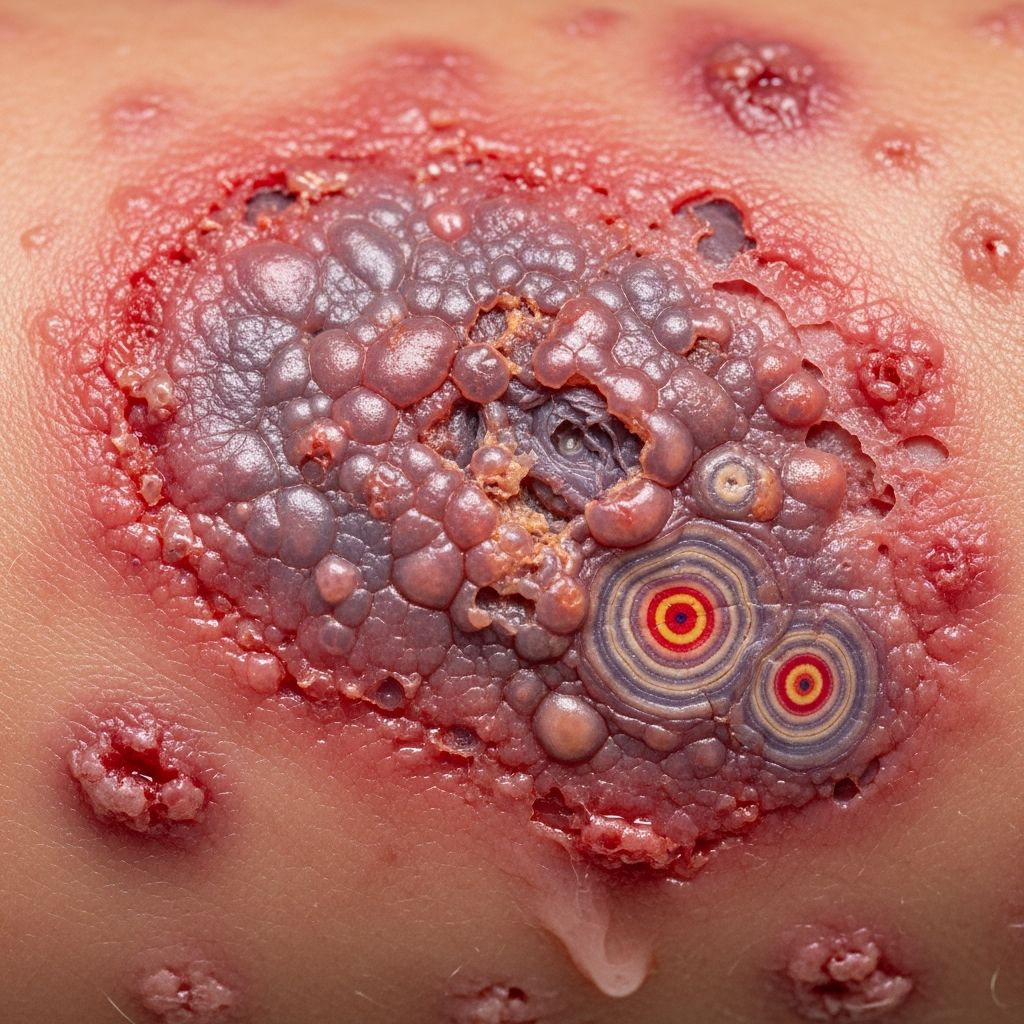
Severe cutaneous adverse reactions (SCARs) encompass a group of life-threatening drug-induced skin disorders, primarily including Stevens-Johnson syndrome/toxic epidermal necrolysis (SJS/TEN), drug reaction with eosinophilia and systemic symptoms (DRESS or DIHS), and acute generalised exanthematous pustulosis (AGEP). These conditions share features that can complicate diagnosis but require prompt recognition and management to reduce morbidity and mortality.
Introduction
Severe cutaneous adverse reactions represent distinct yet overlapping syndromes triggered predominantly by medications. Commonalities such as widespread eruptions, fever, and systemic involvement create diagnostic challenges, with overlaps reported in clinical cases. The RegiSCAR project, a multinational registry, studies these reactions to improve understanding and outcomes. Pathophysiology involves drug-specific T-cell activation and associations with specific HLA alleles, increasing susceptibility in certain individuals. Mortality varies: approximately 4% for AGEP, 5-10% for DRESS, and 10-40% for SJS/TEN. Early intervention is critical, often necessitating hospitalisation.
Demographics
SCARs affect all age groups but show variations. SJS/TEN incidence is higher in adults, particularly those over 50, with females slightly more affected. DRESS often occurs 2-8 weeks post-drug initiation, impacting adults more frequently, while AGEP typically arises within days in any age. Genetic factors like HLA-B*15:02 increase risk in Asian populations for carbamazepine-induced SJS/TEN, and HLA-B*58:01 for allopurinol reactions. Allopurinol, antibiotics, and anticonvulsants are common culprits across demographics. Children may experience milder mucosal involvement in DRESS.
Causes
Over 90% of SCARs are drug-induced, with high-risk medications including allopurinol, aromatic anticonvulsants (carbamazepine, phenytoin, phenobarbital), sulfonamides, lamotrigine, nevirapine, and certain antibiotics. Less common triggers include infections (e.g., Mycoplasma pneumoniae for SJS/TEN) or vaccines, but drugs predominate. Onset timing aids differentiation: AGEP within hours to days, DRESS 2-8 weeks, SJS/TEN 1-4 weeks. Genetic predispositions via HLA alleles heighten risk, emphasising pharmacogenetic screening.
- High-risk drugs for AGEP: Antibiotics (beta-lactams, macrolides), hydroxychloroquine.
- High-risk for DRESS: Anticonvulsants, allopurinol.
- High-risk for SJS/TEN: Allopurinol, carbamazepine, sulfonamides.
Clinical Features
Each SCAR has hallmark features, though prodromal symptoms like fever, malaise, and pharyngitis often precede eruptions.
Acute Generalised Exanthematous Pustulosis (AGEP)
AGEP presents with acute onset of widespread non-follicular sterile pustules on oedematous erythema, starting on face or flexures and spreading to trunk/limbs. Fever (>38°C), neutrophilia, and mild mucosal involvement (e.g., lip erosions) occur. Resolution involves desquamation within 2 weeks post-drug cessation.
Drug Reaction with Eosinophilia and Systemic Symptoms (DIHS/DRESS)
DRESS features erythematous rash, facial oedema, lymphadenopathy, fever, and visceral involvement (liver, kidney, lung). Eosinophilia, atypical lymphocytes, and delayed onset (up to 8 weeks) are typical. Rash may include purpura, plaques, or exfoliation; 30% show pustules, 16% blistering.
Stevens-Johnson Syndrome / Toxic Epidermal Necrolysis (SJS/TEN)
SJS/TEN begins with flu-like prodrome (fever >39°C, sore throat, cough), followed by erythematous/purpuric macules, atypical targets, blisters, and epidermal detachment. Mucosal erosions (oral, ocular, genital) are prominent. Classification: SJS (<10% BSA detachment), overlap (10-30%), TEN (>30%). Positive Nikolsky sign indicates epidermal fragility.
Related Stories



Diagnosis
Diagnosis relies on history (drug exposure, timing), clinical exam, and supportive tests. No single test is definitive; skin biopsy distinguishes patterns.
| Condition | Key Clinical Signs | Laboratory Findings | Biopsy Features |
|---|---|---|---|
| AGEP | Sterile pustules on erythema, fever | Neutrophilia, eosinophilia | Subcorneal pustules, spongiosis |
| DRESS/DIHS | Facial oedema, rash, organ involvement | Eosinophilia, atypical lymphocytes | Lymphocytic infiltrate, oedema |
| SJS/TEN | Blisters, mucosal erosions, detachment | Anaemia, lymphopenia | Full-thickness necrosis |
RegiSCAR scoring algorithms aid validation. Blood tests assess organ function; viral serology (HHV-6 in DRESS) may support. Urgent referral for fever, peeling, mucosal changes, or Nikolsky positivity.
Treatment
Immediate drug cessation is paramount. Supportive care in burn units for SJS/TEN includes fluid management, wound care, infection prevention. Hospitalisation is standard.
- SJS/TEN: IVIG (controversial), ciclosporin (evidence emerging), corticosteroids (risky).
- DRESS: Corticosteroids, monitor reactivation.
- AGEP: Symptomatic, resolves spontaneously.
Avoid systemic corticosteroids in AGEP/SJS/TEN due to infection risk. Ophthalmology input for ocular involvement. Report to pharmacovigilance.
Outcome
Mortality: AGEP low (4%), DRESS 5-10%, SJS/TEN 10-40% (SCORTEN score predicts). Long-term sequelae include scarring, dry eyes, visual loss, chronic pain, PTSD. SJS/TEN survivors face >30% chronic issues; DRESS may reactivate months later.
Overlap between SJS/TEN, DIHS/DRESS and AGEP
Overlaps challenge classification: 30% DRESS cases show pustules (AGEP-like), 16% blistering (SJS-like). Hydroxychloroquine cases exhibit AGEP-SJS overlap with pustules, erosions, vesicles. Biopsy and RegiSCAR data highlight shared T-cell mechanisms. Multinational studies reveal 56% mild mucosal involvement in DRESS, blurring lines. Prompt biopsy differentiates; management mirrors dominant features.
Frequently Asked Questions (FAQs)
What are the first signs of SCARs?
Flu-like symptoms (fever, malaise, sore throat), followed by rash, blisters, or pustules.
Which drugs most commonly cause SCARs?
Allopurinol, carbamazepine, sulfonamides, lamotrigine, antibiotics.
How is SJS/TEN distinguished from other SCARs?
By epidermal detachment extent (<10% SJS, >30% TEN) and mucosal involvement.
Is genetic testing recommended?
Yes, for high-risk drugs in susceptible populations (e.g., HLA-B*58:01 for allopurinol).
What is the role of biopsy in diagnosis?
Essential to identify specific histological patterns and rule out mimics.
References
- Severe cutaneous adverse reaction – DermNet — DermNet NZ. 2023. https://dermnetnz.org/topics/severe-cutaneous-adverse-reaction
- Stevens-Johnson syndrome – Symptoms & causes – Mayo Clinic — Mayo Clinic. 2023-10-19. https://www.mayoclinic.org/diseases-conditions/stevens-johnson-syndrome/symptoms-causes/syc-20355936
- The assessment of severe cutaneous adverse drug reactions — Australian Prescriber. 2023. https://australianprescriber.tg.org.au/articles/the-assessment-of-severe-cutaneous-adverse-drug-reactions.html
- Severe Cutaneous Adverse Reaction (SCAR) Defined — AAAAI. 2024-07-08. https://www.aaaai.org/tools-for-the-public/allergy,-asthma-immunology-glossary/severe-cutaneous-adverse-reaction-(scar)-defined
- Severe cutaneous adverse reactions — PubMed (NIH). 2024. https://pubmed.ncbi.nlm.nih.gov/38664435/
- A Guide on Severe Cutaneous Adverse Reactions — Health Sciences Authority (Singapore). 2023. https://www.hsa.gov.sg/docs/default-source/hprg-vcb/adverse-events/a-guide-on-severe-cutaneous-adverse-reactions.pdf
Similar Articles








Read full bio of Sneha Tete