Sexual Performance Anxiety: Causes, Effects, and Coping Strategies
Understanding sexual performance anxiety: How worry impacts intimacy and proven strategies for relief.
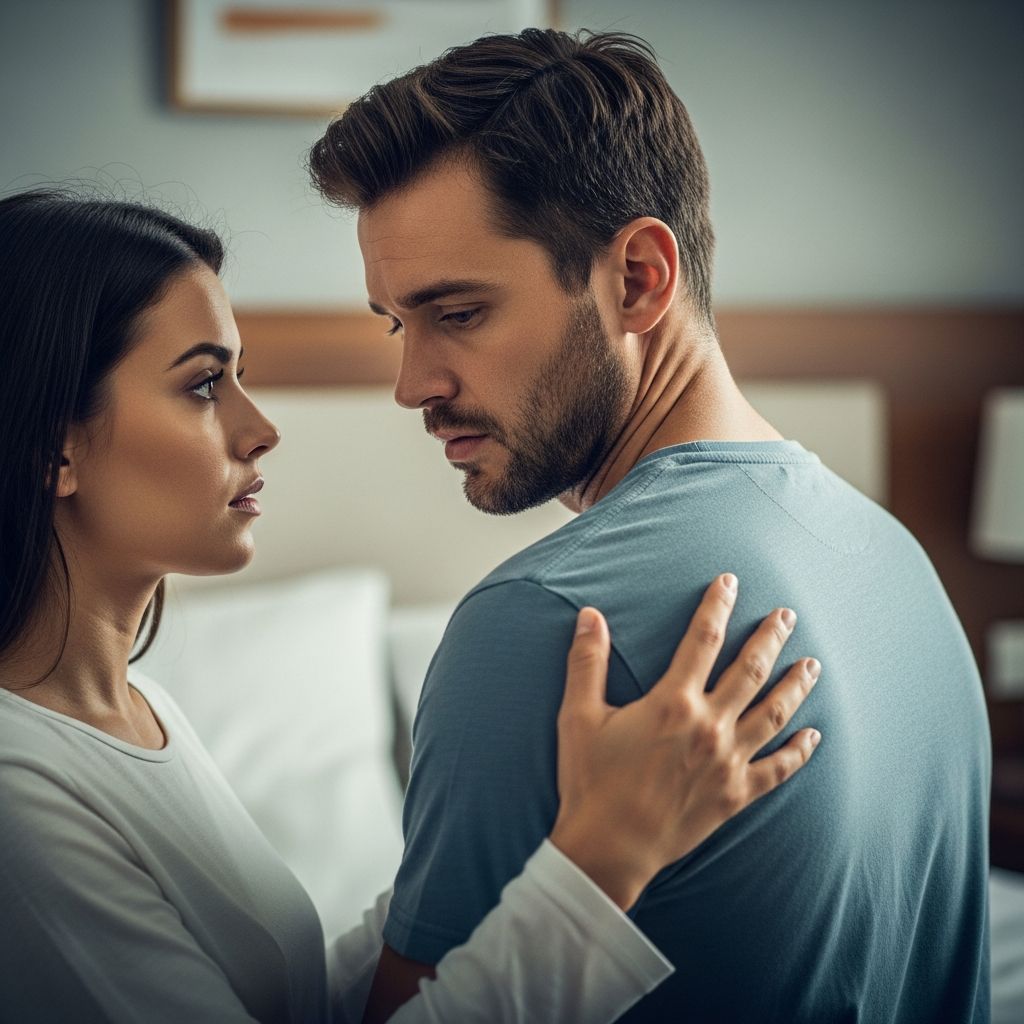
Sexual performance anxiety is a widespread concern affecting millions of people worldwide. Characterized by persistent worry or fear related to sexual activity, sexual performance anxiety can create a destructive cycle in which worries contribute to sexual difficulties, which then amplify future anxiety. Understanding this condition—its causes, psychological mechanisms, and evidence-based coping strategies—is essential for anyone seeking to improve their sexual well-being and relationship satisfaction.
What Is Sexual Performance Anxiety?
Sexual performance anxiety is a term used to describe feelings of worry or fear related to sexual activity. Unlike some clinical diagnoses, sexual performance anxiety is not formally recognized in the Diagnostic and Statistical Manual of Mental Disorders; however, its widespread prevalence and significant impact on sexual function and relationship quality make it an important health concern. Research indicates that sexual performance anxiety affects approximately 9% to 25% of men and 6% to 16% of women, making it a common experience across genders.
The condition typically originates from negative thoughts about one’s ability to perform well during sexual activity. A person experiencing performance anxiety may worry about sexual inadequacy or their inability to please a partner. These concerns often create a feedback loop where anxiety directly contributes to sexual difficulties, which then reinforces the initial worries.
Key Factors Contributing to Sexual Performance Anxiety
Sexual performance anxiety does not develop in isolation. Multiple psychological, social, and relational factors can influence the development and intensity of performance-related sexual concerns:
- Body image concerns: Dissatisfaction with physical appearance or attractiveness can intensify performance anxiety, particularly among women who are socialized to feel valued for their physical appearance.
- Penis size or physiological concerns: Men may worry about genital dimensions or their ability to maintain an erection, reflecting socialization patterns that equate male sexuality with constant physical readiness.
- Perceptions of virility: Internalized cultural messages about what constitutes “masculine” or “feminine” sexuality can fuel performance-related worries.
- Relationship issues: Unresolved conflicts, poor communication, or perceived lack of emotional intimacy with a partner can amplify performance anxiety.
- Exposure to internet pornography: Unrealistic depictions of sex and bodies in adult media may create distorted expectations and comparisons.
- External stressors: Financial concerns, family problems, or workplace stress can elevate overall anxiety levels and spill into sexual interactions.
The Psychological and Physiological Mechanisms
Sexual performance anxiety operates through both psychological and physiological pathways. Psychologically, individuals with performance anxiety experience intrusive negative thoughts during sexual activity, struggle to remain present, and engage in excessive self-monitoring rather than enjoying sensory experiences. These cognitive patterns—sometimes called “critical self-talk”—interrupt arousal and diminish sexual pleasure.
Physiologically, anxiety activates the hypothalamic-pituitary-adrenal (HPA) axis, the body’s primary stress response system. When the HPA axis is activated, cortisol levels rise. Elevated cortisol increases blood sugar and blood pressure while inhibiting the immune system and, critically, suppressing testosterone—the primary male sex hormone responsible for sex drive and erectile function. This physiological response directly undermines sexual capability, creating a self-fulfilling prophecy where anxiety produces the very sexual dysfunction it fears.
Related Stories



How Sexual Performance Anxiety Affects Sexual Function
Sexual performance anxiety is linked to multiple sexual difficulties beyond general dissatisfaction. Research demonstrates clear associations between performance anxiety and specific sexual problems:
- Erectile dysfunction (ED): Men experiencing performance anxiety may have difficulty getting or maintaining an erection. This creates a bidirectional cycle: anxiety causes erectile difficulties, which then amplify future anxiety during subsequent sexual encounters.
- Premature ejaculation: Anxiety about sexual performance can trigger early ejaculation, intensifying feelings of sexual inadequacy.
- Difficulty reaching orgasm: Women experiencing high performance anxiety report less consistent orgasms and, in some cases, resort to faking orgasm to manage their partner’s expectations.
- Loss of sexual desire: The stress and worry associated with performance anxiety can erode interest in sexual activity altogether.
One research study involving 157 men found that sexual performance anxiety was the only unique predictor of sexual dysfunction, even when accounting for stress levels, communication patterns, and sexual attitudes. This finding underscores performance anxiety’s central role in sexual difficulties.
The Impact on Relationships and Overall Well-Being
Sexual performance anxiety does not affect only the individual experiencing it; it significantly influences both partners and the relationship as a whole. Research using the Actor-Partner Interdependence Model found that higher sexual performance anxiety in one partner was linked to higher sexual distress and lower sexual and relationship satisfaction in both that individual and their partner.
Individuals with sexual performance anxiety tend to report more negative sexual attitudes and, in some cases, seek sexual experiences outside of their primary relationship. Women with performance anxiety report poorer relationship quality and lower sexual satisfaction overall, while men often describe increased conflict within their relationships. Furthermore, performance anxiety can prevent genuine presence and enjoyment during intimate moments, detaching individuals from authentic sexual responses and diminishing pleasure for both partners.
Cognitive and Emotional Patterns in Performance Anxiety
Research into the subjective experiences of those with sexual performance anxiety reveals consistent emotional and cognitive themes:
- Feelings of inadequacy: The most common response involves feeling unattractive, sexually unskilled, embarrassed, or comparing oneself unfavorably to a partner’s past lovers.
- Physiological and arousal concerns: Anxious preoccupation with maintaining physical arousal and reaching climax can paradoxically inhibit both.
- Distraction and lack of presence: Racing thoughts, difficulty staying “in the moment,” and intrusive worries about home, work, or personal life disrupt sexual engagement.
Notably, men and women tend to focus on different aspects of performance anxiety. Men often concentrate on physiological performance—particularly erectile capability—while women tend to emphasize their attractiveness and ability to sexually satisfy their partners. These differing focal points reflect broader cultural scripts around gender and sexuality.
Evidence-Based Coping Strategies and Solutions
Fortunately, multiple evidence-based approaches can help individuals manage performance anxiety and restore sexual enjoyment:
Cognitive and Mindfulness Approaches
Shifting attention away from performance concerns toward sensory experiences is particularly effective. During sexual activity, consciously focus on touch, sight, smell, taste, and sound rather than evaluative thoughts about performance. Mindfulness practices—including meditation and body awareness exercises—train the mind to remain present rather than caught in anxious rumination. This shift reduces anxiety by anchoring attention in immediate sensory experience rather than fears about the future.
Stress-Reducing Practices
Regular exercise, meditation, and relaxation techniques lower overall stress levels and cortisol production, supporting both psychological well-being and sexual function. Even moderate physical activity can improve mood, reduce anxiety, and enhance sexual desire and performance.
Open Communication with Partners
One of the most powerful coping mechanisms is honest conversation with a sexual partner. Discussing fears, desires, and expectations openly reduces the secrecy and shame that often intensify performance anxiety. Partners who understand underlying worries can provide emotional support, reassurance, and a judgment-free environment that facilitates genuine intimacy rather than performance-focused sex.
Professional Support
If performance anxiety persists or significantly impairs sexual function and relationship quality, seeking help from a therapist, sex therapist, or healthcare provider is advisable. Cognitive-behavioral therapy (CBT), specifically adapted for sexual concerns, has strong evidence supporting its effectiveness. Professionals can address underlying beliefs, teach coping strategies, and help couples rebuild sexual confidence together.
Distinguishing Performance Anxiety from Medical Conditions
While sexual performance anxiety is primarily psychological, it can coexist with or be confused with medical conditions affecting sexual function. Erectile dysfunction, for example, can result from vascular disease, hormonal imbalances, medication side effects, or other health conditions independent of anxiety. A healthcare provider can help determine whether sexual difficulties stem primarily from performance anxiety or from underlying medical issues—often both factors are present and require integrated treatment approaches.
Frequently Asked Questions
Q: Can sexual performance anxiety be cured?
A: While “cure” implies complete elimination, sexual performance anxiety can be substantially reduced and managed through cognitive restructuring, mindfulness, communication, stress management, and professional therapy. Most people experience significant improvement with consistent effort and appropriate support.
Q: Does performance anxiety affect only men?
A: No. While historically more research focused on men, contemporary studies confirm that 6% to 16% of women also experience sexual performance anxiety. Women’s anxiety often centers on attractiveness and ability to satisfy partners, while men’s tends to focus on physiological performance.
Q: How can I discuss performance anxiety with my partner?
A: Choose a calm, private moment outside the bedroom. Use “I” statements to express your feelings (“I feel anxious about…”) rather than blaming language. Focus on your shared goal of intimate connection and invite your partner’s support and understanding. Many couples find this conversation strengthens emotional intimacy.
Q: Are there medications to treat sexual performance anxiety?
A: While medications like phosphodiesterase-5 inhibitors (e.g., sildenafil) can help with erectile dysfunction, they address the symptom rather than the underlying anxiety. Combining medication with psychological approaches—therapy, mindfulness, communication—addresses root causes and provides more sustainable improvement.
Q: How long does it take to overcome performance anxiety?
A: Timeline varies based on severity, individual factors, and treatment engagement. Some people notice improvement within weeks of adopting new coping strategies, while others benefit from longer-term therapy. Consistency and patience are key; progress is often gradual rather than immediate.
Key Takeaways
- Sexual performance anxiety—characterized by persistent worry about sexual capability—affects 9-25% of men and 6-16% of women, creating cycles where anxiety produces the very sexual difficulties it fears.
- Multiple factors contribute to performance anxiety, including body image concerns, relationship issues, external stressors, and cultural scripts about sexuality.
- The condition operates through psychological mechanisms (intrusive thoughts, self-monitoring) and physiological pathways (cortisol elevation, testosterone suppression), both undermining sexual function.
- Performance anxiety affects both the individual and their partner, reducing sexual satisfaction, relationship satisfaction, and overall well-being for both.
- Evidence-based coping strategies—mindfulness, sensory focus, stress reduction, open communication, and professional therapy—can substantially reduce anxiety and restore sexual enjoyment.
References
- Sexual Performance Anxiety — PubMed/National Center for Biotechnology Information. 2019. https://pubmed.ncbi.nlm.nih.gov/31447414/
- Under Pressure: Men’s and Women’s Sexual Performance Anxiety in the Sexual Interactions of Adult Couples — Taylor & Francis Online. 2024. https://www.tandfonline.com/doi/full/10.1080/00224499.2024.2357587
- Performance Anxiety and Erectile Dysfunction — Medical News Today. 2024. https://www.medicalnewstoday.com/articles/320574
- Stress, Anxiety and Sexual Performance in Men — Healthy Male (Andrology Australia). 2024. https://healthymale.org.au/health-article/how-do-stress-and-anxiety-affect-sexual-performance-and-erectile-dysfunction/
Similar Articles








Read full bio of medha deb