Sexually Acquired Human Papillomavirus: Symptoms, Treatment & Prevention
Comprehensive guide to sexually transmitted HPV: understand symptoms, treatment options, and prevention strategies.
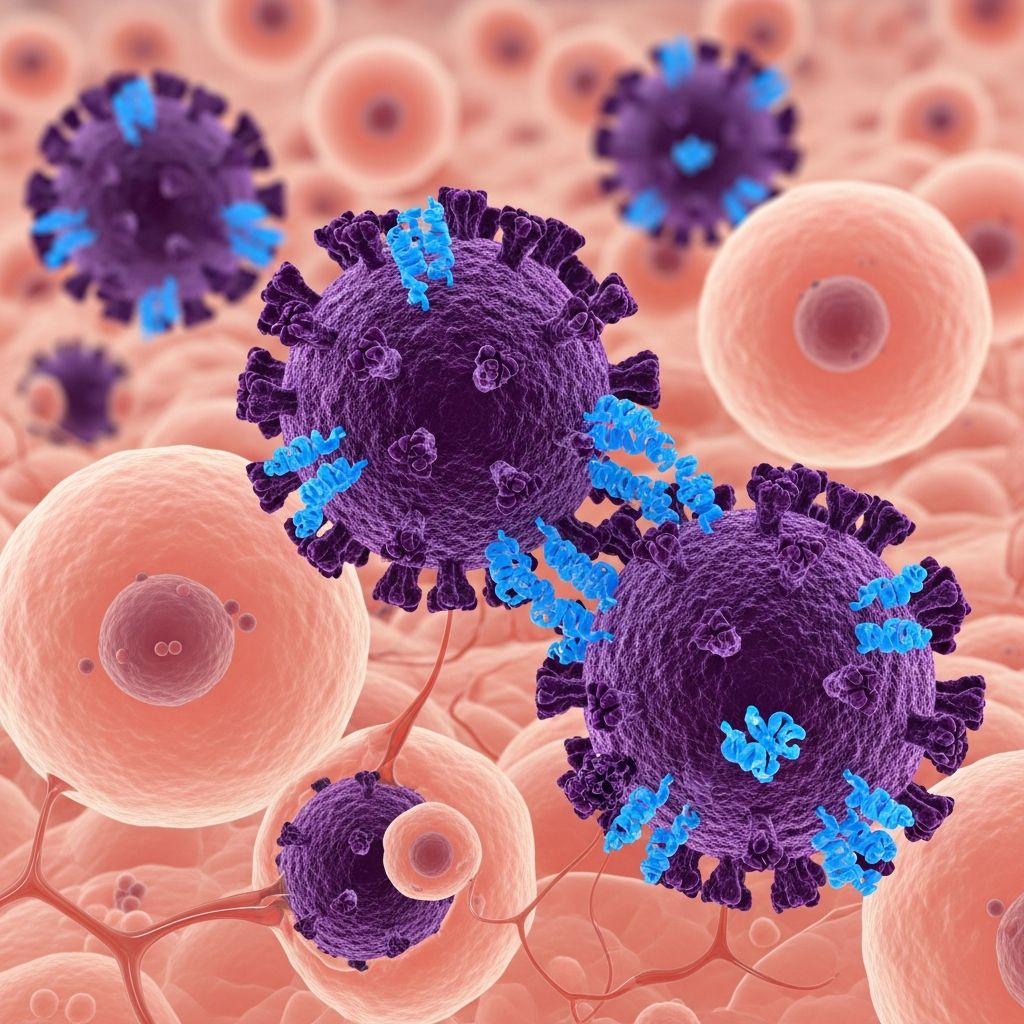
What Is Sexually Acquired Human Papillomavirus?
Human papillomavirus (HPV) is one of the most common sexually transmitted infections worldwide. More than 30 strains of HPV can affect the genital area, with some strains being considered low-risk and others classified as high-risk due to their potential to cause serious health complications. While many people associate HPV exclusively with cervical cancer, the virus can affect both men and women in various ways and locations on the body.
HPV is primarily transmitted through sexual contact, including vaginal, anal, and oral intercourse. The virus infects the cells of the genital tract and can remain in the body for extended periods. Understanding the nature of this infection is crucial for recognizing symptoms, seeking appropriate treatment, and taking preventive measures.
Transmission and Epidemiology
HPV is transmitted through direct sexual contact with an infected partner. The virus can be passed even when an infected person has no visible symptoms, making it particularly challenging to prevent transmission. An asymptomatic person with HPV can still infect another person, which is why healthcare providers emphasize the importance of preventive measures regardless of symptom status.
The infection is extremely common, with many individuals contracting HPV at some point in their lives. The good news is that most HPV infections are naturally cleared by the body’s immune system within one to two years. However, certain high-risk strains can persist and cause significant health problems if left untreated.
Symptoms in Women
Many women infected with HPV experience no symptoms at all, which is why regular screening is essential. However, when symptoms do appear, they can include:
- Genital warts: Small bumps that are typically brown or pink in color, appearing on the vulva, vaginal walls, anus, or cervix. These warts can also develop in the mouth or throat.
- Itching and discomfort: Genital warts can cause persistent itching and general discomfort in the affected areas.
- Bleeding during intercourse: Some women may experience abnormal bleeding associated with warts or precancerous lesions.
- Abnormal bleeding or discharge: Changes in menstrual bleeding or unusual vaginal discharge may indicate HPV-related changes.
High-risk HPV strains can cause precancerous changes in the cervix, which may progress to cervical cancer if untreated. The virus can also cause cancer of the oropharynx, vagina, anus, and vulva. Early signs of precancerous lesions include itching and bleeding, which is why any unusual symptoms warrant medical evaluation.
Symptoms in Men
Men can develop genital warts similar to those seen in women, though men are often asymptomatic and may not realize they are infected. When symptoms do appear in men, they typically include:
- Genital warts: Rough, cauliflower-like lumps that may appear on the penis, scrotum, anus, mouth, or throat. These warts may resemble skin tags.
- Itching and irritation: Warts can cause discomfort and itching in the genital area.
- Visible lesions: Flat or raised lesions may develop on affected areas.
Related Stories



Men with high-risk HPV also face cancer risk. Left untreated over a long period, the virus can modify cells and develop into penile, anal, or oropharyngeal cancer. Many men remain unaware of their HPV infection because there is no routine screening for men, unlike the cervical cancer screening available for women.
Diagnosis and Detection
Diagnosing HPV involves several methods depending on the patient’s sex and the presence of symptoms:
For Women
- Pap smear: A sample of cells from the cervix or vagina is collected and examined in a laboratory to identify changes that could lead to cancer. This remains one of the most effective screening tools for cervical cancer prevention.
- HPV DNA test: Testing cells from the cervix can identify the specific types of HPV present, particularly those linked to genital cancers. The DNA test is recommended for women 30 years and older, often performed alongside a Pap smear for better detection of high-risk strains.
- Vinegar (acetic acid) solution test: When applied to HPV-infected genital areas, vinegar solution turns affected tissue white, helping to reveal flat lesions that might otherwise be difficult to see.
- Visual inspection: Healthcare providers can visually examine genital warts and other lesions during a physical examination.
For Men
Unlike women, men do not have routine screening for HPV. Diagnosis typically occurs when visible warts or symptoms appear. Healthcare providers may use visual inspection and sometimes apply vinegar solution to help identify lesions. Men with partners diagnosed with HPV should consider consulting with a healthcare provider to discuss potential infection and monitoring.
Treatment Options
General Treatment Principles
It is important to understand that there is no direct treatment for the HPV virus itself. The virus cannot be cured with medications or procedures. However, treatment is available for the health problems that develop as a result of HPV infection, including genital warts and precancerous cell changes. Most HPV infections do not cause any problems and are naturally cleared by the body’s immune system within two years.
Treatment for Genital Warts
Topical Medications: For genital warts, healthcare providers can prescribe several topical treatments:
- Imiquimod (Aldara, Zyclara): A prescription cream that helps the immune system fight HPV. It works by stimulating the body’s immune response to clear the warts. Common side effects include swelling at the application site.
- Sinecatechins (Veregen): Another prescription medication commonly used for treating genital warts.
- Podofilox (Condylox): A prescription treatment applied to the skin that works by killing genital wart tissue. Side effects may include burning and itching at the application site.
- Salicylic acid: Over-the-counter treatments containing salicylic acid work by removing layers of a wart gradually. However, salicylic acid can irritate skin and should not be used on the face.
- Trichloroacetic acid: A chemical treatment that burns off warts on the palms, soles, and genitals. It may cause irritation at the application site.
Surgical and Procedural Treatments: If medications do not effectively remove warts, several surgical options are available:
- Cryotherapy: Freezing warts with liquid nitrogen is an effective method for removing genital warts.
- Electrocautery: Burning warts with an electrical current can destroy wart tissue.
- Surgical removal: Direct surgical excision of warts may be performed for larger or stubborn lesions.
- Laser surgery: High-powered lasers can vaporize wart tissue.
It is worth noting that some healthcare providers discourage early treatment of warts because they can disappear on their own. Additionally, since new warts may appear over time, early treatment may necessitate additional procedures later.
Treatment for Precancerous Lesions
Precancerous lesions caused by high-risk HPV require removal to prevent progression to cancer. Available options include:
- Cryosurgery: Freezing precancerous tissue to remove it.
- Laser surgical removal: Using laser technology to remove affected tissue.
- Loop Electrosurgical Excision Procedure (LEEP): A thin looped wire charged with electric current removes a thin layer of cervical tissue containing precancerous cells.
- Cold knife conization: A surgical procedure that removes a cone-shaped piece of the cervix containing abnormal cells.
Treatment for HPV-Related Cancers
When HPV progresses to cancer, treatment becomes more complex. Anal cancer, for example, can be treated with radiation therapy, chemotherapy, and surgery. The specific treatment approach depends on the cancer stage, including tumor size and the extent of spread.
The Role of HPV Vaccination in Treatment
Emerging evidence suggests that HPV vaccination may benefit individuals who have already been exposed to the virus. Women who have experienced HPV-related symptoms or precancerous changes may benefit from vaccination, which can significantly decrease the risk of recurrent precancerous cells. Studies show that vaccinating individuals after prior HPV exposure boosts the immune system’s ability to more effectively clear the virus and prevent recurrence of precancerous lesions.
This approach represents an important development in managing HPV infection, as it provides an additional tool beyond traditional wart removal and lesion treatment.
Prevention Through Vaccination
HPV vaccines are among the most effective preventive measures available. The vaccines are most effective when administered before sexual activity begins, but can provide benefits to individuals with prior exposure. Like all vaccines, HPV vaccines may cause certain side effects, though most are mild:
- Pain, swelling, or redness at the injection site
- Nausea
- Dizziness
- Fainting (more common in adolescents)
- Headache
Healthcare providers recommend discussing HPV vaccination with individuals of appropriate ages to determine if vaccination is suitable for their situation.
Prognosis and Natural History
The outlook for HPV is generally very good. Most HPV infections (approximately 90 percent) are naturally cleared by the body within one to two years. The prognosis depends on the HPV strain and the individual’s immune system’s ability to fight the infection.
Individuals with lower-risk HPV strains and good overall health have excellent chances of clearing the infection naturally. Those with high-risk strains require ongoing monitoring and testing to prevent progression to cancer. Early detection of high-risk strains combined with frequent screening and appropriate follow-up care can effectively prevent HPV from causing cervical cancer.
Important Considerations About Contagiousness
A critical point to understand is that contagiousness is not determined by the presence or absence of symptoms. An individual is contagious for as long as the HPV virus remains in the body, regardless of whether visible warts are present. For example, even if genital warts have disappeared, a person can still transmit the virus to sexual partners if the infection has not been completely cleared by the immune system.
Frequently Asked Questions
Q: Can HPV be completely cured?
A: There is no cure for HPV itself; however, most infections are naturally cleared by the immune system within one to two years. Treatments are available for the health problems caused by HPV, such as genital warts and precancerous lesions.
Q: Can I still transmit HPV if I have no symptoms?
A: Yes. An asymptomatic person with HPV can still transmit the virus to sexual partners. Contagiousness depends on the presence of the virus in the body, not on the presence of symptoms.
Q: Is the HPV vaccine only for young people?
A: While the vaccine is most effective when administered before sexual activity begins, it can provide benefits to older individuals with prior HPV exposure by boosting immune system response and reducing risk of recurrence.
Q: What is the difference between low-risk and high-risk HPV?
A: Low-risk HPV strains typically cause genital warts but rarely lead to cancer. High-risk strains can cause precancerous changes and cancer if left untreated. Regular screening helps identify high-risk strains early.
Q: How often should women be screened for cervical cancer?
A: Regular cervical cancer screenings are recommended for women to enable early detection of high-risk HPV and precancerous changes. Healthcare providers should be consulted about appropriate screening intervals.
Q: Can genital warts come back after treatment?
A: Yes, warts may recur if the underlying HPV infection has not been completely cleared by the immune system. Some individuals may require multiple treatment sessions over time.
Conclusion
Sexually acquired human papillomavirus is a common infection with highly variable outcomes depending on the strain and individual immune response. While most infections clear naturally, some can cause significant health complications including genital warts and cancers. Understanding transmission, recognizing symptoms, and seeking appropriate medical care are essential for managing HPV infection. Regular screening for women, consideration of HPV vaccination, and open communication with healthcare providers about exposure and symptoms are key components of preventing serious HPV-related complications. Individuals concerned about potential HPV exposure should consult with healthcare providers for personalized guidance on testing, treatment, and prevention strategies.
References
- HPV Infection – Diagnosis & Treatment — Mayo Clinic. 2024. https://www.mayoclinic.org/diseases-conditions/hpv-infection/diagnosis-treatment/drc-20351602
- Human Papillomavirus (HPV) — NHS. 2022-05-27. https://www.nhs.uk/conditions/human-papilloma-virus-hpv/
- HPV: What It Is, Symptoms In Men Vs. Women & Treatment — Franciscan Health. 2024. https://www.franciscanhealth.org/community/blog/hpv-symptoms-men-women-treatment
- HPV (Human Papillomavirus): Causes, Symptoms & Treatment — Cleveland Clinic. 2024. https://my.clevelandclinic.org/health/diseases/11901-hpv-human-papilloma-virus
- HPV | Human Papillomavirus | Pap Smear — MedlinePlus. 2024. https://medlineplus.gov/hpv.html
- Treatment of HPV Virus Infection | Warts May Disappear — HPV Foundation New Zealand. 2024. https://www.hpv.org.nz/hpv-treatment/treatment-hpv-virus-infection
Similar Articles








Read full bio of Sneha Tete