Sexually Transmitted Infections: Symptoms, Testing, Prevention
Comprehensive insights into STIs: causes, symptoms, prevention strategies, and modern treatment options for better sexual health awareness.
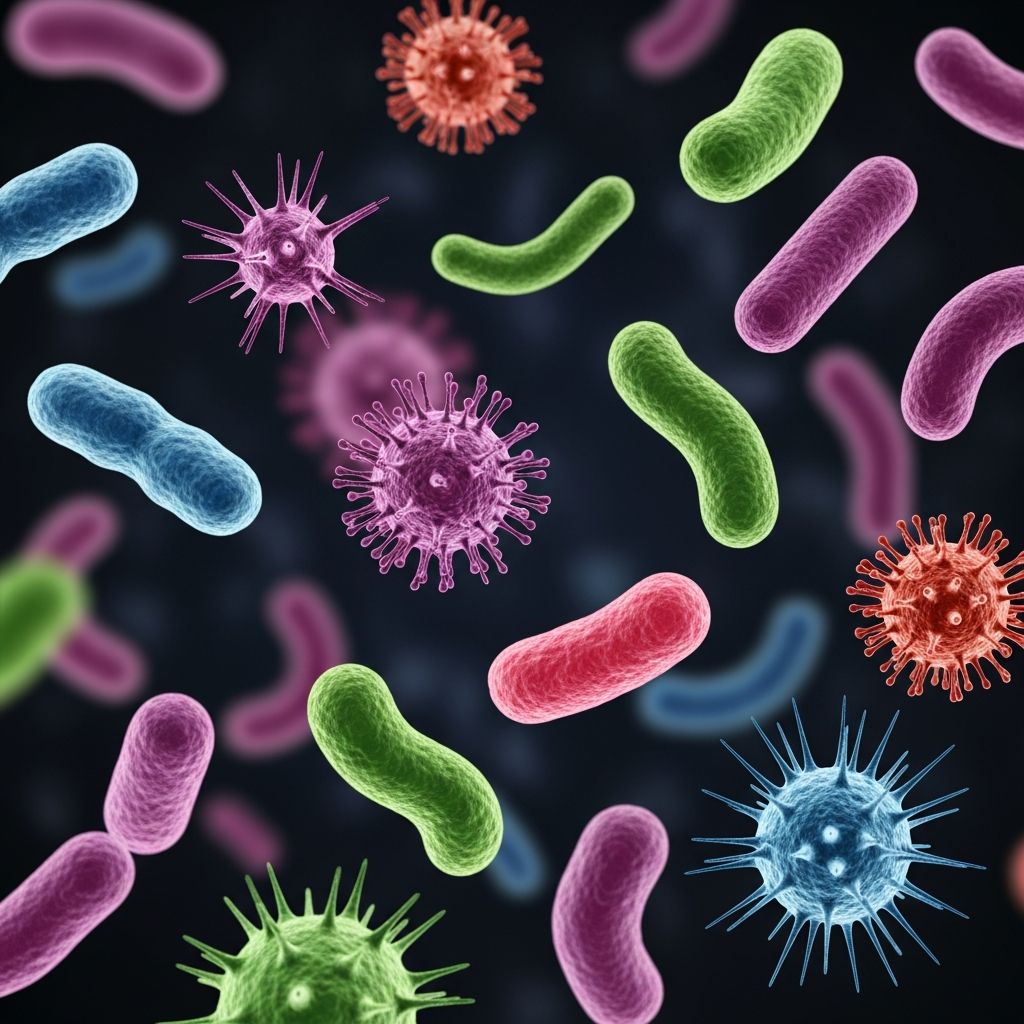
Sexually transmitted infections (STIs) represent a major global health challenge, affecting millions annually through various forms of sexual contact. These conditions, caused by bacteria, viruses, and parasites, can lead to severe complications if not addressed promptly. Understanding their scope helps individuals make informed choices for protection and early intervention.
Global Burden and Key Statistics
Every day, over 1 million curable STIs are acquired worldwide among people aged 15-49, with many cases showing no symptoms. In 2020 alone, approximately 374 million new infections occurred from four main curable types: chlamydia (129 million), gonorrhea (82 million), syphilis (7.1 million), and trichomoniasis (156 million). Viral STIs add to this burden, with over 520 million people living with genital herpes and 300 million women affected by HPV, a leading cause of cervical cancer.
Hepatitis B affects 254 million people chronically as of 2022, contributing to 1.1 million deaths that year, primarily from liver cirrhosis and cancer. These figures highlight the urgent need for widespread education and access to testing.
How STIs Spread: Transmission Pathways
STIs primarily spread through sexual activities involving the genitals, mouth, or rectum, via bodily fluids like semen, vaginal secretions, or blood. Vaginal, anal, and oral sex are common routes, but some, like herpes and syphilis, can transmit via skin-to-skin contact or saliva during kissing, especially with open sores.
- Bloodborne transmission: HIV and hepatitis B via shared needles or transfusions.
- Mother-to-child: During pregnancy, birth, or breastfeeding, risking neonatal issues like stillbirth or congenital defects.
- Non-sexual spread: Rare cases through contaminated objects, but sexual contact remains dominant.
Certain STIs facilitate HIV transmission by causing genital inflammation or ulcers, amplifying risks during unprotected encounters.
Common Types of STIs: Bacterial, Viral, and Parasitic
Over 30 pathogens cause STIs, categorized by type for targeted management.
Bacterial Infections
These are often curable with antibiotics if detected early.
| STI | Key Features | Complications |
|---|---|---|
| Chlamydia | Often asymptomatic; causes discharge, pain during urination. | Pelvic inflammatory disease, infertility. |
| Gonorrhea | Similar symptoms to chlamydia; throat infections possible. | Infertility, increased HIV risk. |
| Syphilis | Progresses in stages; painless sores initially. | Neurological damage, congenital issues. |
Viral Infections
These persist lifelong, managed but not cured.
- Herpes (HSV): Painful blisters; recurrent outbreaks.
- HPV: Warts or asymptomatic; cancer risk (cervical, anal).
- HIV: Weakens immunity; progresses to AIDS without treatment.
- Hepatitis B: Liver inflammation; vaccination prevents.
Parasitic and Other Infections
- Trichomoniasis: Itching, discharge; curable with medication.
- Scabies/Pubic Lice: Intense itching from mites/lice; skin contact.
- Molluscum Contagiosum: Harmless skin lumps; self-resolves.
Recognizing Symptoms: What to Watch For
Many STIs are silent, but signs include genital sores, unusual discharge, burning urination, pelvic pain, or warts. Women may notice irregular bleeding, men testicular swelling. Systemic effects like fever or rash signal advanced stages. Asymptomatic cases drive spread, emphasizing routine checks.
Related Stories



High-risk groups—sex workers, MSM, adolescents, pregnant women—benefit from regular screening.
Diagnosis: Testing and Screening Essentials
Diagnosis begins with sexual history and symptom review, followed by lab tests: urine samples, swabs, blood work. Molecular assays detect gonorrhea, chlamydia, trichomoniasis accurately. Two-step serology confirms herpes; syphilis needs specific protocols.
CDC recommends annual chlamydia/gonorrhea screening for women under 25, HIV for all adolescents, expanded syphilis tests for pregnant women.
Treatment Approaches: Curable vs. Manageable
Curable STIs respond to antibiotics: doxycycline/azithromycin for chlamydia, ceftriaxone for gonorrhea, benzathine penicillin for syphilis.
Viral STIs require antivirals: acyclovir for herpes outbreaks, antiretrovirals for HIV, HPV vaccines prevent warts/cancer. Hepatitis B vaccines and treatments manage chronic cases.
Partner notification and treatment prevent reinfection. Resistance in gonorrhea/Mycoplasma genitalium demands updated regimens.
Prevention: Empowering Safe Practices
Consistent condom use slashes risks. Vaccines protect against HPV, hepatitis B. PrEP reduces HIV acquisition; routine screening catches silent infections.
- Dental dams for oral sex.
- Avoid sharing needles.
- Limit partners; mutual testing.
- Pregnancy screening.[10]
Impact on Reproductive Health and Beyond
Untreated STIs cause infertility, ectopic pregnancies, cancers. Neonatal risks include sepsis, blindness. STIs heighten HIV vulnerability; economic burdens strain healthcare.
FAQs on STIs
What increases STI risk?
Unprotected sex, multiple partners, substance use impairing judgment.
Can STIs be asymptomatic?
Yes, up to 80% of chlamydia cases show no signs, enabling spread.
Is there a cure for all STIs?
Bacterial/parasitic yes; viral managed lifelong.
How often should I test?
Annually or more for active individuals; pregnant women routinely.
Do condoms prevent all STIs?
Highly effective against fluid-transmitted; less for skin-contact like herpes.
STI Prevention Checklist
- Use condoms/dams consistently.
- Get vaccinated (HPV, Hep B).
- Test regularly with partners.
- Communicate openly about history.
- Seek prompt care for symptoms.
Empowering knowledge transforms sexual health outcomes, reducing global STI prevalence through vigilance and access.
References
- Sexually transmitted infections (STIs) — World Health Organization. 2025-05-29. https://www.who.int/news-room/fact-sheets/detail/sexually-transmitted-infections-(stis)
- Sexually Transmitted Diseases (STD): Complete Guide — Ada Health. 2023. https://ada.com/sexual-health/
- Overview of Sexually Transmitted Infections — Merck Manuals. 2024. https://www.merckmanuals.com/professional/infectious-diseases/sexually-transmitted-infections-stis/overview-of-sexually-transmitted-infections
- Sexually Transmitted Infections Treatment Guidelines, 2021 — PubMed/CDC. 2021-07-23. https://pubmed.ncbi.nlm.nih.gov/34292926/
- Sexually Transmitted Infections (STIs) — Cleveland Clinic. 2024. https://my.clevelandclinic.org/health/diseases/9138-sexually-transmitted-diseases–infections-stds–stis
- STI Treatment Guidelines — Centers for Disease Control and Prevention. 2024. https://www.cdc.gov/std/treatment-guidelines/default.htm
Similar Articles








Read full bio of medha deb