Sexually Transmitted Infections: Prevention & Treatment Guide
Comprehensive guide to STIs: causes, symptoms, transmission, diagnosis, treatment, and prevention strategies for sexual health.
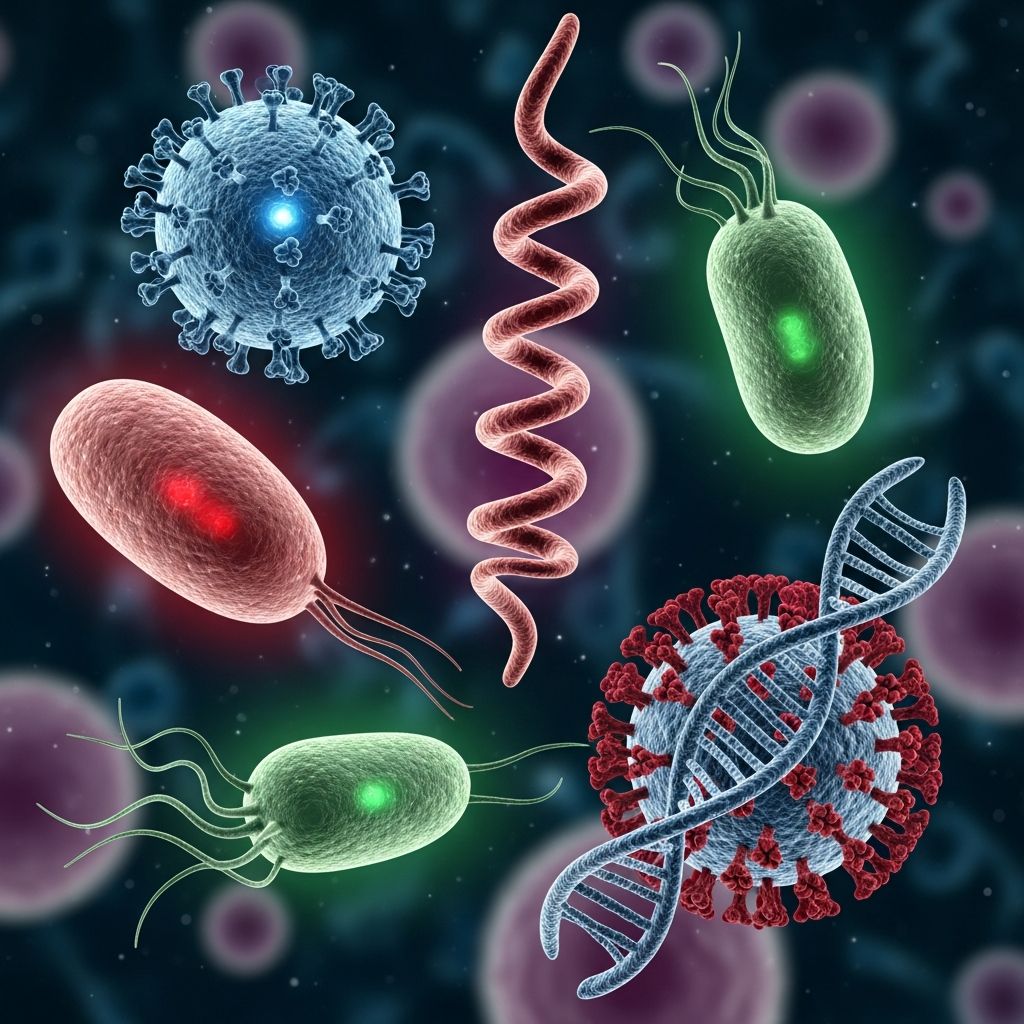
Sexually transmitted infections (STIs), also known as sexually transmitted diseases (STDs), are infections primarily spread through sexual contact, including vaginal, anal, and oral sex. Over 30 bacteria, viruses, and parasites cause STIs, affecting millions globally with profound impacts on reproductive health.
What are sexually transmitted infections?
STIs occur when pathogens such as bacteria, viruses, or parasites pass from an infected person to another during sexual activity. Common transmission routes include bodily fluids like semen, vaginal secretions, and blood, as well as skin-to-skin contact. Some STIs, like HIV and hepatitis B, spread via blood, while others like herpes can transmit through saliva or kissing if sores are present.
Key pathogens include four curable bacterial infections—chlamydia, gonorrhea, syphilis, and trichomoniasis—and four viral ones: hepatitis B, herpes simplex virus (HSV), HIV, and human papillomavirus (HPV). Parasitic STIs like trichomoniasis add to the burden.
Who gets sexually transmitted infections?
Anyone engaging in sexual activity can contract an STI, but prevalence is highest among ages 15–49. In 2020, WHO estimated 374 million new curable STI cases: 129 million chlamydia, 82 million gonorrhea, 7.1 million syphilis, and 156 million trichomoniasis. Over 520 million live with genital herpes, 300 million women with HPV, and 254 million with chronic hepatitis B.
High-risk groups include sex workers, men who have sex with men, adolescents in high-burden areas, and pregnant women. Many infections are asymptomatic, facilitating silent spread.
Scope of the problem
STIs pose a massive global health challenge. More than 1 million curable STIs are acquired daily among 15–49-year-olds, mostly asymptomatically. Complications extend beyond the infection: herpes, gonorrhea, and syphilis heighten HIV risk; mother-to-child transmission causes stillbirths, neonatal deaths, low birth weight, sepsis, and deformities; HPV drives cervical and anal cancers; hepatitis B led to 1.1 million deaths in 2022 from cirrhosis and liver cancer; chlamydia and gonorrhea cause pelvic inflammatory disease (PID) and infertility.
Transmission of sexually transmitted infections
STIs transmit via:
- Vaginal, anal, or oral sex with an infected partner.
- Skin-to-skin contact (e.g., herpes, HPV, syphilis sores).
- Blood exposure (shared needles for HIV, hepatitis B/C).
- Mother-to-child during pregnancy, birth, or breastfeeding.
- Rarely, non-sexual routes like contaminated blood transfusions.
Inflammation or ulcers from STIs like gonorrhea, chlamydia, herpes, or syphilis increase HIV transmission risk by disrupting mucosal barriers.
Signs and symptoms of sexually transmitted infections
Many STIs are asymptomatic, but when present, symptoms include:
- Urethral or vaginal discharge.
- Dysuria (painful urination).
- Genital itching, soreness, or irritation.
- Genital ulcers, blisters, warts, or rashes.
- Pelvic or testicular pain.
- Lymphadenopathy (swollen glands).
Symptoms vary by pathogen. Bacterial STIs like chlamydia may cause mucopurulent discharge; viral ones like HSV produce painful vesicles; parasitic trichomoniasis leads to frothy discharge.
Clinical features table
| STI | Key Features |
|---|---|
| Chlamydia | Mucopurulent discharge, dysuria, often asymptomatic. |
| Gonorrhea | Purulent discharge, PID risk. |
| Syphilis | Chancre (painless ulcer), later rash. |
| Herpes (HSV) | Painful vesicles, ulcers. |
| HPV | Warts, often asymptomatic; cancer risk. |
| Trichomoniasis | Frothy discharge, itching. |
Sexually acquired infections — Bacterial
Chlamydia
Caused by Chlamydia trachomatis, the most common bacterial STI. Often asymptomatic; symptoms include discharge, dysuria. Complications: PID, infertility, ectopic pregnancy.
Gonorrhoea
Neisseria gonorrhoeae causes purulent discharge, dysuria. Increasing antibiotic resistance noted. Leads to PID, disseminated infection.
Related Stories



Syphilis
Treponema pallidum progresses through primary (chancre), secondary (rash), latent, and tertiary stages. Congenital syphilis risks severe outcomes.
Chancroid
Haemophilus ducreyi causes painful ulcers, inguinal buboes.
Lymphogranuloma venereum
Chlamydia trachomatis serovars L1-3 cause ulcerative lesions, lymphadenopathy.
Sexually acquired infections — Viral
Herpes simplex
HSV-1/2 causes recurrent painful genital ulcers. Lifelong, increases HIV risk.
Human papillomavirus
Over 200 types; low-risk cause warts, high-risk lead to cancers (cervical, anal). Vaccines available.
Hepatitis B
HBV causes liver inflammation; chronic cases risk cirrhosis, cancer. Vaccine-preventable.
HIV
Attacks immune system, progresses to AIDS if untreated. Antiretrovirals manage effectively.
Sexually acquired infections — Parasitic and other
Trichomoniasis
Trichomonas vaginalis protozoan causes vaginitis, discharge. Curable with metronidazole.
Scabies
Sarcoptes scabiei mites cause intense itching, burrows. Spread by skin contact.
Pubic lice
Phthirus pubis lice infest pubic hair, cause itching.
Molluscum contagiosum
Poxvirus causes pearly papules. Self-limiting.
Diagnosis
Diagnosis combines history, exam, and tests: NAAT for chlamydia/gonorrhea, serology for syphilis/HSV/HIV, microscopy for trichomonas/scabies. CDC recommends screening high-risk groups.
Treatment of sexually transmitted infections
Curable STIs use antibiotics: doxycycline/azithromycin for chlamydia, ceftriaxone for gonorrhea, benzathine penicillin for syphilis, metronidazole for trichomoniasis. Viral STIs managed symptomatically (antivirals for HSV/HIV/hepatitis). Partner notification essential.
Prevention of sexually transmitted infections
Prevention strategies:
- Condoms: Reduce risk significantly.
- Vaccination: HPV, hepatitis B.
- PrEP/PEP: For HIV.
- Screening/testing: Regular for at-risk groups.
- Monogamy/abstinence.
- Partner treatment.
Doxy-PEP (post-exposure doxycycline) emerging for bacterial STI prevention.
Frequently asked questions
Q: How common are STIs?
A: Over 1 million curable STIs daily; 374 million new cases in 2020.
Q: Can STIs be asymptomatic?
A: Yes, most are, enabling spread.
Q: Are all STIs curable?
A: No, bacterial/parasitic yes; viral like HIV/HSV managed lifelong.
Q: Can STIs affect pregnancy?
A: Yes, risking stillbirth, congenital defects.
Q: How to prevent STIs?
A: Condoms, vaccines, screening, PrEP.
References
- Sexually transmitted infections (STIs) — World Health Organization. 2025-05-29. https://www.who.int/news-room/fact-sheets/detail/sexually-transmitted-infections-(stis)
- Sexually Transmitted Diseases (STD): Complete Guide — Ada Health. Accessed 2026. https://ada.com/sexual-health/
- Overview of Sexually Transmitted Infections — Merck Manuals Professional Edition. Accessed 2026. https://www.merckmanuals.com/professional/infectious-diseases/sexually-transmitted-infections-stis/overview-of-sexually-transmitted-infections
- Sexually Transmitted Infections (STIs) — Cleveland Clinic. Accessed 2026. https://my.clevelandclinic.org/health/diseases/9138-sexually-transmitted-diseases–infections-stds–stis
- Sexually Transmitted Infections: Updated Guideline From the CDC — American Academy of Family Physicians. 2022-05-00. https://www.aafp.org/pubs/afp/issues/2022/0500/p553.html
- STI Treatment Guidelines — Centers for Disease Control and Prevention. 2021. https://www.cdc.gov/std/treatment-guidelines/default.htm
- Sexually Transmitted Infections Treatment Guidelines, 2021 — CDC/PMC. 2021. https://pmc.ncbi.nlm.nih.gov/articles/PMC8344968/
Similar Articles








Read full bio of medha deb