Sézary Syndrome: Key Insights Into Diagnosis And Management
Rare leukemic cutaneous T-cell lymphoma marked by erythroderma, lymphadenopathy, and malignant Sézary cells in skin, blood, and nodes.
Sézary syndrome is a rare
leukaemic variant
ofcutaneous T-cell lymphoma (CTCL)
, defined by the classic triad oferythroderma
,lymphadenopathy
, and the presence ofatypical malignant Sézary cells
in the skin, blood, and lymph nodes.Introduction
Sézary syndrome (SS) represents an aggressive form of non-Hodgkin lymphoma originating from skin-tropic memory
CD4+ T-cells
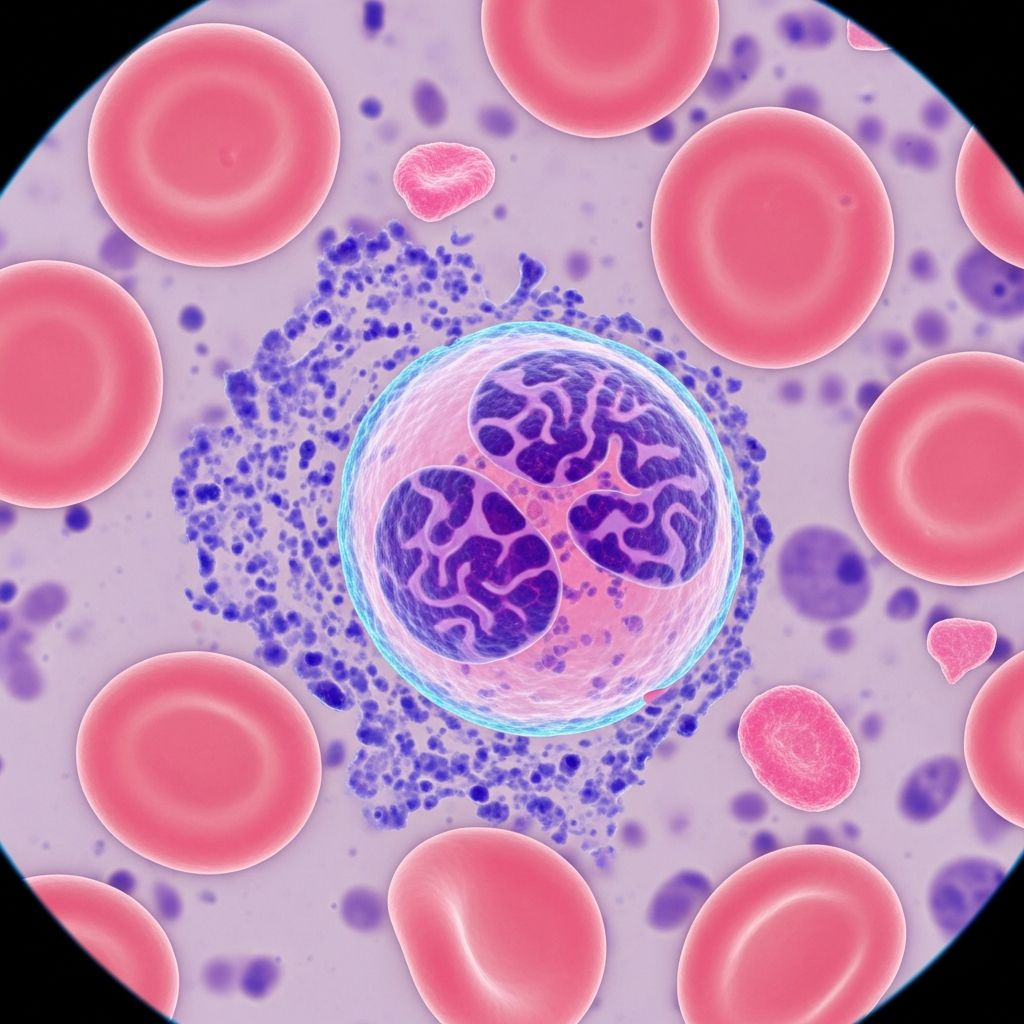
. First described in 1938 by French dermatologist Albert Sézary, it is characterized by the accumulation of malignant T-cells with cerebriform nuclei, known asSézary cells
, leading to widespread skin involvement, blood infiltration, and lymph node enlargement. Unlike mycosis fungoides (MF), its more indolent counterpart, SS is leukemic and rapidly progressive, with an incidence of approximately 0.8–0.9 per 1,000,000 in the United States, translating to about 300 new cases annually. The disease primarily affects older adults, with a median age at diagnosis of 60–65 years, and shows a slight male predominance.The pathogenesis involves clonal expansion of T-cells, potentially driven by chronic antigen stimulation or
Staphylococcus aureus
superantigens. Genomic studies reveal complex chromosomal anomalies affecting multiple pathways, including TP53 mutations, NF-κB signaling dysregulation, and epigenetic alterations, offering insights into novel therapeutic targets.Demographics
Sézary syndrome predominantly occurs in adults over 60 years, with rare cases in younger patients. It has a male-to-female ratio of approximately 2:1. Racial distribution shows higher incidence in Caucasians, though data are limited due to the rarity of the condition. Incidence rates remain stable at 0.3–1 per million population globally, underscoring its status as an orphan disease.
- Age: Median 60–65 years; peak in elderly.
- Sex: Male predominance (M:F ≈ 2:1).
- Incidence: 0.8–0.9/1,000,000 annually in the US.
- Risk factors: No strong genetic predisposition identified; possible environmental triggers like infections.
Causes
The exact etiology of Sézary syndrome remains unclear, but it arises from malignant transformation of mature, skin-homing
CD4+ memory T-cells
. Key proposed mechanisms include:- Chronic antigen stimulation: Persistent exposure to antigens may drive oligoclonal T-cell expansion.
- Staphylococcus aureus superantigens: Bacterial toxins could promote T-cell activation and clonal dominance.
- Genetic mutations: Large-scale sequencing identifies recurrent alterations in TP53, DNMT3A, FAS, and chromatin remodeling genes, leading to genomic instability and immune evasion.
- Epigenetic changes: Hypermethylation of tumor suppressors contributes to progression.
No specific viral or hereditary causes have been definitively linked, distinguishing SS from other lymphomas like HTLV-1-associated adult T-cell leukemia/lymphoma.
Clinical Features
The hallmark of Sézary syndrome is the clinical triad:
erythroderma
(>80% body surface erythema),generalized lymphadenopathy
(nodes ≥1.5 cm), andSézary cells
in circulation. Patients present with severe, intractable pruritus, often leading to sleep disturbance and reduced quality of life.Skin manifestations:
- Erythroderma: Diffuse red, scaly rash covering most of the body; infiltrated and warm to touch.
- Plaques and tumors: May develop later; hypo/hyperpigmented or ulcerated lesions.
- Palmoplantar keratoderma: Thickened, fissured skin on palms/soles, prone to secondary infections.
- Onychodystrophy: Nail thickening, yellowing, subungual hyperkeratosis (up to 40% of cases).
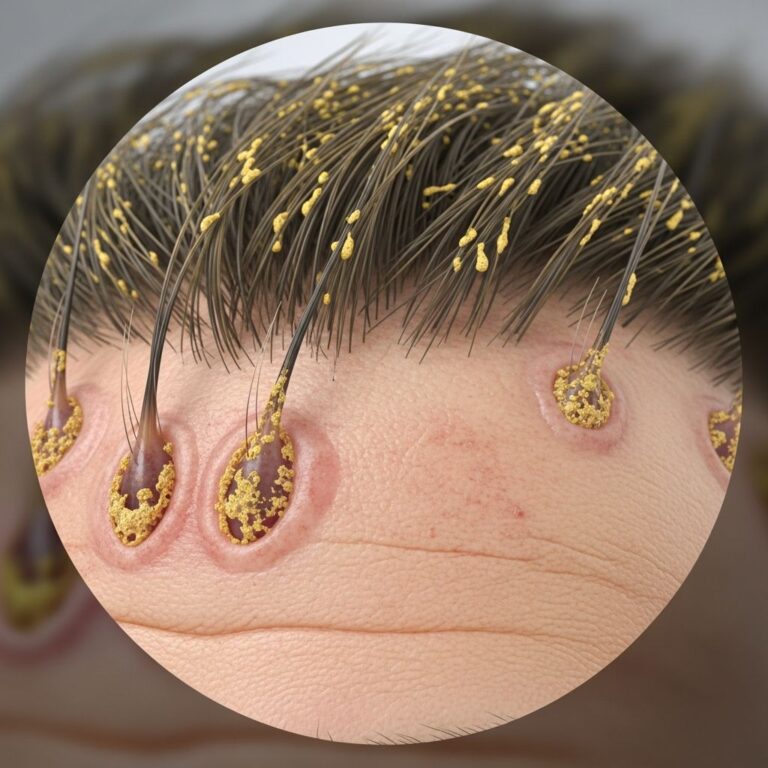
- Alopecia: Non-scarring hair loss in 10–20%; due to perifollicular Sézary cell infiltration.
Systemic features:
- Lymphadenopathy: Painless, generalized enlargement.
- Ectropion: Eyelid eversion from skin thickening.
- Edema: Facial or peripheral swelling.
- Thermoregulatory dysfunction: Impaired temperature control.
In early stages, SS may mimic benign erythrodermic conditions, delaying diagnosis.
Complications
SS carries significant morbidity due to its aggressive nature:
- Secondary infections: Bacterial (e.g., S. aureus cellulitis via keratoderma fissures), viral (herpes zoster), fungal.
- Sepsis: Common cause of death.
- Hyperkeratosis and fissures: Painful, infection-prone.
- Malnutrition and cachexia: From chronic inflammation and poor intake.
- Transformation: Risk of high-grade lymphoma or visceral involvement (liver, spleen, lungs).
- Psychosocial impact: Severe pruritus leads to depression, isolation.
Overall 5-year survival is 15–40%, with median survival of 2–4 years.
Related Stories



Diagnosis
Diagnosis requires integration of clinical, histological, immunophenotypic, and molecular findings per ISCL/EORTC criteria (2005, updated 2018).
Key diagnostic elements:
| Category | Features |
|---|---|
| Skin | Biopsy: Atypical lymphocytes in epidermis (epidermotropism), Pautrier microabscesses; perivascular dermal infiltrate with cerebriform cells. |
| Blood | Sézary cell count ≥1,000/μL; flow cytometry: CD4+CD7−, CD4/CD8 >10:1. |
| Lymph nodes | Excisional biopsy: Effacement by atypical cells. |
| Molecular | Clonal TCR gene rearrangement (PCR). |
Staging (TNMB): SS typically presents as IVA1–IVB.
- IVA1: High blood tumor burden, no visceral disease.
- IVB: Visceral involvement.
Differential Diagnoses
SS must be distinguished from other erythrodermic states:
- Drug eruptions or contact dermatitis: Acute onset, resolves with discontinuation.
- Psoriasis or
pityriasis rubra pilaris
: Sharper borders, no Sézary cells. - Adult T-cell leukemia/lymphoma**: HTLV-1 positive.
- Other CTCL: MF without leukemic phase.
- Paraneoplastic erythroderma**.
Skin biopsy and T-cell clonality studies are pivotal.
Treatment
Treatment is palliative and multidisciplinary, focusing on symptom control and tumor burden reduction. No curative therapy exists.
Skin-directed:
- Topical corticosteroids, nitrogen mustard, retinoids.
- Phototherapy (NB-UVB, PUVA).
Systemic:
- Bexarotene (retinoid): FDA-approved for CTCL.
- Interferon-alpha, low-dose methotrexate.
- **Extracorporeal photopheresis (ECP)**: Reduces circulating Sézary cells; first-line for erythroderma.
Advanced/targeted:
- Mogamulizumab (anti-CCR4 monoclonal Ab): Improves progression-free survival.
- Brentuximab vedotin (anti-CD30): For CD30+ cases.
- Checkpoint inhibitors (pembrolizumab): Emerging for PD-L1+ disease.
- HDAC inhibitors (vorinostat).
Stem cell transplant: Allogeneic SCT offers potential cure in select young/fit patients, but high risks.
Supportive care: Emollients, antihistamines, antibiotics for infections, pruritus management.
Outcome
Sézary syndrome has a poor prognosis: 5-year survival ~24–40%, median ~3 years. Adverse factors include high Sézary count, visceral involvement, advanced age. Early ECP and novel agents improve quality of life and modestly extend survival. Ongoing trials target molecular drivers (e.g., JAK inhibitors).
Frequently Asked Questions
What is Sézary syndrome?
A rare, aggressive leukemic CTCL with erythroderma, lymphadenopathy, and Sézary cells.
Is Sézary syndrome curable?
No standard cure; treatments are palliative. Allogeneic transplant may offer long-term remission in select cases.
How is Sézary syndrome diagnosed?
Via skin/lymph node biopsy, blood flow cytometry, and TCR clonality.
What causes the intense itching in SS?
Cytokine release by malignant T-cells infiltrating skin.
Can SS be prevented?
No known prevention; early detection improves management.
References
- Sézary’s syndrome: Review of the clinical, histomorphological and diagnostic aspects of a rare cutaneous lymphoma — Probiologists. 2023. https://www.probiologists.com/article/sezary-syndrome-review-of-the-clinical-histomorphological-and-diagnostic-aspects-of-a-rare-cutaneous-lymphoma
- Sézary syndrome — MedlinePlus Genetics (U.S. National Library of Medicine). 2024-01-23. https://medlineplus.gov/genetics/condition/sezary-syndrome/
- Sézary Syndrome Overview — MD Anderson Cancer Center (YouTube). 2022. https://www.youtube.com/watch?v=jcmsifqtPD8
- Sézary syndrome — DermNet NZ. 2021-05. https://dermnetnz.org/topics/sezary-syndrome
- CTCL: Mycosis Fungoides and Sézary Syndrome — CheckRare. 2023. https://checkrare.com/ctcl-mycosis-fungoides-and-sezary-syndrome/
- Mycosis Fungoides (Including Sézary Syndrome) Treatment – NCI — National Cancer Institute (.gov). 2025-10-10. https://www.cancer.gov/types/lymphoma/patient/mycosis-fungoides-treatment-pdq
- Mycosis fungoides and Sézary syndrome: clinical presentation, histopathological features and treatment — Frontiers in Oncology. 2023-03-23. https://www.frontiersin.org/journals/oncology/articles/10.3389/fonc.2023.1141108/full
Similar Articles








Read full bio of Sneha Tete