SGLT2 Inhibitors: A Comprehensive Guide To Benefits And Risks
Discover how SGLT2 inhibitors help manage type 2 diabetes, protect heart and kidney health, and what to watch for.
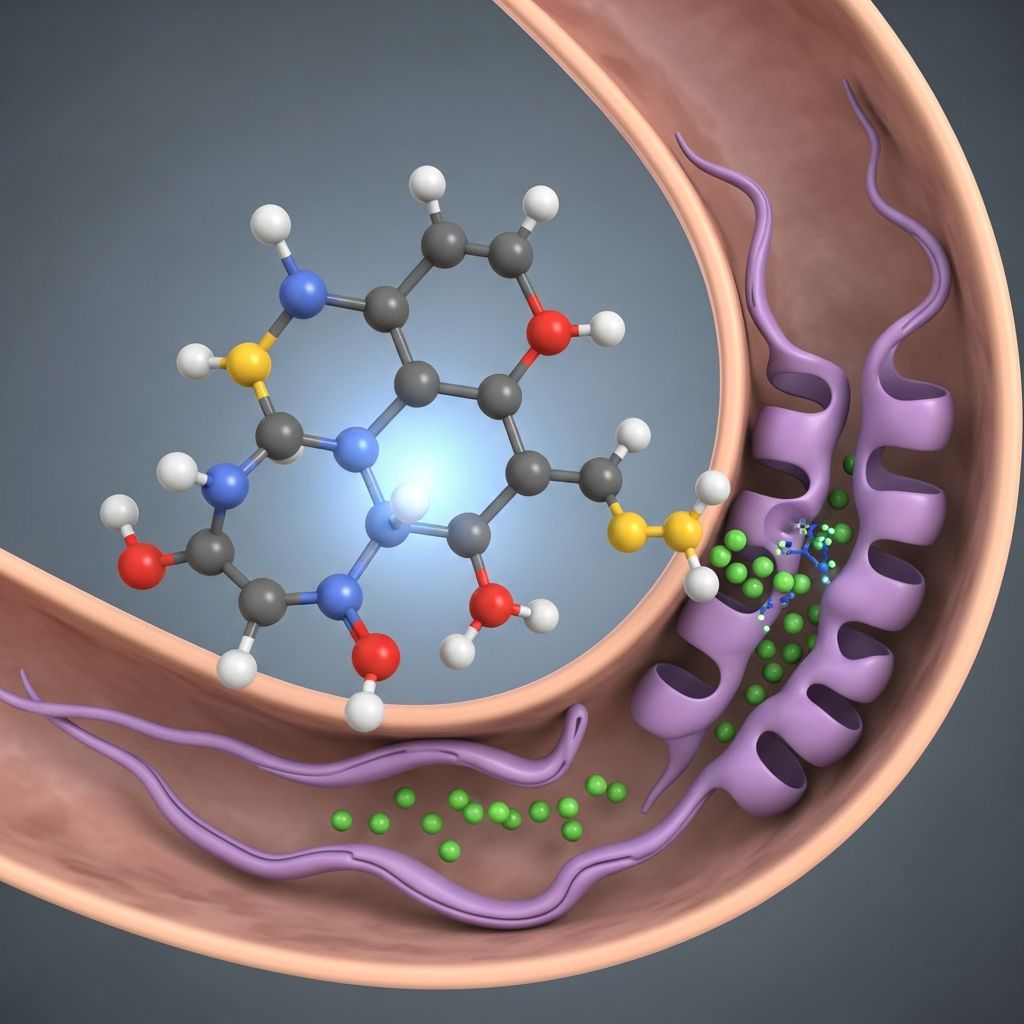
SGLT2 inhibitors are a class of oral diabetes medications that help control blood glucose levels in adults with type 2 diabetes by blocking the kidneys’ reabsorption of glucose, leading to its excretion in urine. These tablets also provide significant cardiovascular and renal protection, making them a cornerstone in modern diabetes management.
What are SGLT2 inhibitors?
SGLT2 stands for sodium-glucose co-transporter 2, a protein in the kidneys responsible for reabsorbing about 90% of filtered glucose back into the bloodstream. In people with type 2 diabetes, this process is overactive, contributing to high blood sugar levels.
SGLT2 inhibitors, often called ‘gliflozins’ or ‘flozins’, work by reversibly blocking this protein in the proximal convoluted tubules of the kidneys. This action prevents glucose reabsorption, promoting glycosuria (glucose in urine) and lowering blood glucose independently of insulin production or action. Their insulin-independent mechanism makes them suitable across all stages of type 2 diabetes, including cases with insulin resistance or beta-cell dysfunction.
Approved by the FDA for use with diet and exercise, these drugs were initially developed for glycemic control but have shown broader benefits in reducing heart failure hospitalizations, slowing kidney disease progression, and lowering cardiovascular risks.
How do SGLT2 inhibitors work?
The primary mechanism involves inhibiting SGLT2 in the kidneys, reducing the renal threshold for glucose reabsorption from around 220 mg/dL in diabetes to nearer the normal 180 mg/dL. This results in 50-90g of daily glucose excretion, depending on blood sugar levels, leading to modest HbA1c reductions of 0.5-1.0%.
Beyond glucose control, SGLT2 inhibitors induce several beneficial physiological effects:
- Weight loss: Caloric loss from glycosuria (200-300 kcal/day) promotes 2-3kg weight reduction, mainly from fat mass.
- Blood pressure reduction: Mild natriuresis (sodium excretion) and improved vascular function lower systolic BP by 3-5 mmHg.
- Cardiorenal protection: Reduced intraglomerular pressure, afferent arteriolar vasoconstriction, and lower uric acid levels slow eGFR decline and prevent heart failure events.
- Metabolic shifts: Increased ketone production and erythropoietin stimulation enhance energy efficiency and oxygen delivery.
Clinical trials like EMPA-REG OUTCOME, CANVAS, and DECLARE-TIMI demonstrate 14-38% reductions in heart failure hospitalizations, 23% in cardiovascular death or HF, and slower renal disease progression regardless of baseline ASCVD.
Who can be prescribed SGLT2 inhibitors?
SGLT2 inhibitors are recommended for adults with type 2 diabetes as first- or second-line therapy (often after metformin), particularly those with:
- Established cardiovascular disease (ASCVD) or high CV risk.
- Chronic kidney disease (CKD) or albuminuria.
- Heart failure with reduced ejection fraction (HFrEF).
- Need for weight loss or BP control.
Guidelines from NICE, ADA, and ESC prioritize them in patients with cardiorenal comorbidities. They can be used as monotherapy if metformin is contraindicated or in combination with other agents like GLP-1 agonists for enhanced effects (greater HbA1c reduction, weight loss, and BP lowering).
Not suitable for type 1 diabetes (except limited off-label use), severe renal impairment (eGFR <20-30 mL/min), or those prone to ketoacidosis. Emerging data support use in CKD without diabetes and HFrEF/HFpEF.
Related Stories



SGLT2 inhibitors available in the UK
The following SGLT2 inhibitors are licensed in the UK:
| Brand name | Active ingredient | Dose |
|---|---|---|
| Forxiga | Dapagliflozin | 10mg once daily |
| Invokana | Canagliflozin | 100mg or 300mg once daily |
| Jardiance | Empagliflozin | 10mg or 25mg once daily |
| Steglatro | Ertugliflozin | 5mg or 15mg once daily |
Fixed-dose combinations exist with metformin (e.g., Xigduo) or DPP-4 inhibitors. Doses are typically taken once daily with or without food; no titration needed.
Benefits of SGLT2 inhibitors
These medications offer multifaceted benefits:
- Glycemic control: HbA1c reduction of 0.6-0.9%, sustained over years.
- CV risk reduction: 14% lower MACE in ASCVD patients; 23-36% reduction in HF hospitalization across populations.
- Renal protection: 30-40% slower eGFR decline; reduced progression to end-stage kidney disease.
- Weight management: 2-4kg loss, sustained with continued use.
- Low hypoglycemia risk: Insulin-independent action minimizes hypo episodes.
Combination with GLP-1 RAs amplifies benefits: meta-analyses show superior HbA1c lowering (-0.74%), weight loss (-1.61kg), and SBP reduction (-3.32 mmHg).
Possible side effects
Common side effects (5-10% incidence):
- Genitourinary infections (thrush, UTIs) due to glycosuria – more common in women.
- Dehydration/volume depletion from osmotic diuresis.
- Mild initial eGFR dip (3-4 mL/min), which stabilizes.
Rare but serious:
- Euglycemic DKA: pH <7.3 with ketones; risk higher in T1D, illness, surgery.
- Fournier’s gangrene: Necrotizing infection of perineum (very rare).
- Lower limb amputation (canagliflozin-specific, monitor feet).
- Bone fractures (class effect, variable).
Hypoglycemia risk low unless combined with insulin/sulphonylureas.
Precautions when taking SGLT2 inhibitors
- Sick day rules: Stop if vomiting, fever, or surgery; monitor ketones.
- Fluid intake: Drink adequately to prevent dehydration, especially in elderly or diuretic users.
- Hygiene: Good genital hygiene to reduce infection risk.
- Monitoring: Regular eGFR, foot checks, ketones if unwell.
- Contraindications: eGFR <20-45 mL/min (drug-specific), recurrent UTIs, pregnancy.
Patient education is crucial for safe use.
Medication interactions
- Diuretics/insulin: Increased dehydration/hypo risk – dose adjust.
- NSAIDs: Worsen renal function.
- Antihypertensives: Potentiate BP lowering.
- No significant CYP interactions; UGT inducers (rifampicin) may reduce efficacy.
Alcohol and SGLT2 inhibitors
Moderate alcohol is generally safe but increases dehydration and DKA risk. Avoid excess, stay hydrated, and monitor blood glucose/ketones during heavy intake or illness.
Key messages
- SGLT2 inhibitors lower glucose via urinary excretion and protect heart/kidneys.
- Ideal for type 2 diabetes with CV/renal disease.
- Watch for dehydration, infections, and DKA – follow sick day guidance.
- Discuss with your diabetes team for personalized advice.
Frequently asked questions
Do SGLT2 inhibitors cause weight loss?
Yes, typically 2-4kg through calorie loss in urine, beneficial for overweight patients.
Can I take SGLT2 inhibitors if I have kidney problems?
Yes, if eGFR above threshold; they protect kidneys and are approved for CKD.
Will SGLT2 inhibitors cause low blood sugar?
Rare alone; risk rises with insulin/sulphonylureas – monitor closely.
How do I prevent thrush on SGLT2 inhibitors?
Maintain genital hygiene, urinate after intercourse, treat promptly.
Should I stop SGLT2 inhibitors before surgery?
Yes, hold 24-48 hours pre-op and resume when eating/drinking normally.
References
- Navigating the therapeutic landscape of SGLT2 inhibitors in T2DM — Exploration of Medicine. 2023. https://www.explorationpub.com/Journals/em/Article/1001255
- The role of SGLT-2 inhibitors in managing type 2 diabetes — Cleveland Clinic Journal of Medicine. 2020-01-01. https://www.ccjm.org/content/88/1/47
- SGLT2 Inhibitors — Endocrinology Advisor. 2024. https://www.endocrinologyadvisor.com/ddi/sglt2-inhibitors/
- SGLT2 Inhibitors — National Kidney Foundation. 2024. https://www.kidney.org/kidney-topics/sglt2-inhibitors
- Prescribing pearls: A guide to SGLT2 inhibitors — Diabetes on the Net. 2023. https://diabetesonthenet.com/diabetes-primary-care/prescribing-pearls-sglt2-inhibitors/
- SGLT2 Inhibitors: What They Are, Uses & Side Effects — Cleveland Clinic. 2023-11-30. https://my.clevelandclinic.org/health/treatments/sglt2-inhibitors
- Sodium-glucose Cotransporter-2 (SGLT2) Inhibitors — FDA. 2024. https://www.fda.gov/drugs/postmarket-drug-safety-information-patients-and-providers/sodium-glucose-cotransporter-2-sglt2-inhibitors
Similar Articles








Read full bio of Sneha Tete