Sheehan Syndrome: Causes, Symptoms & Treatment
Understanding Sheehan syndrome: A rare postpartum condition affecting the pituitary gland.
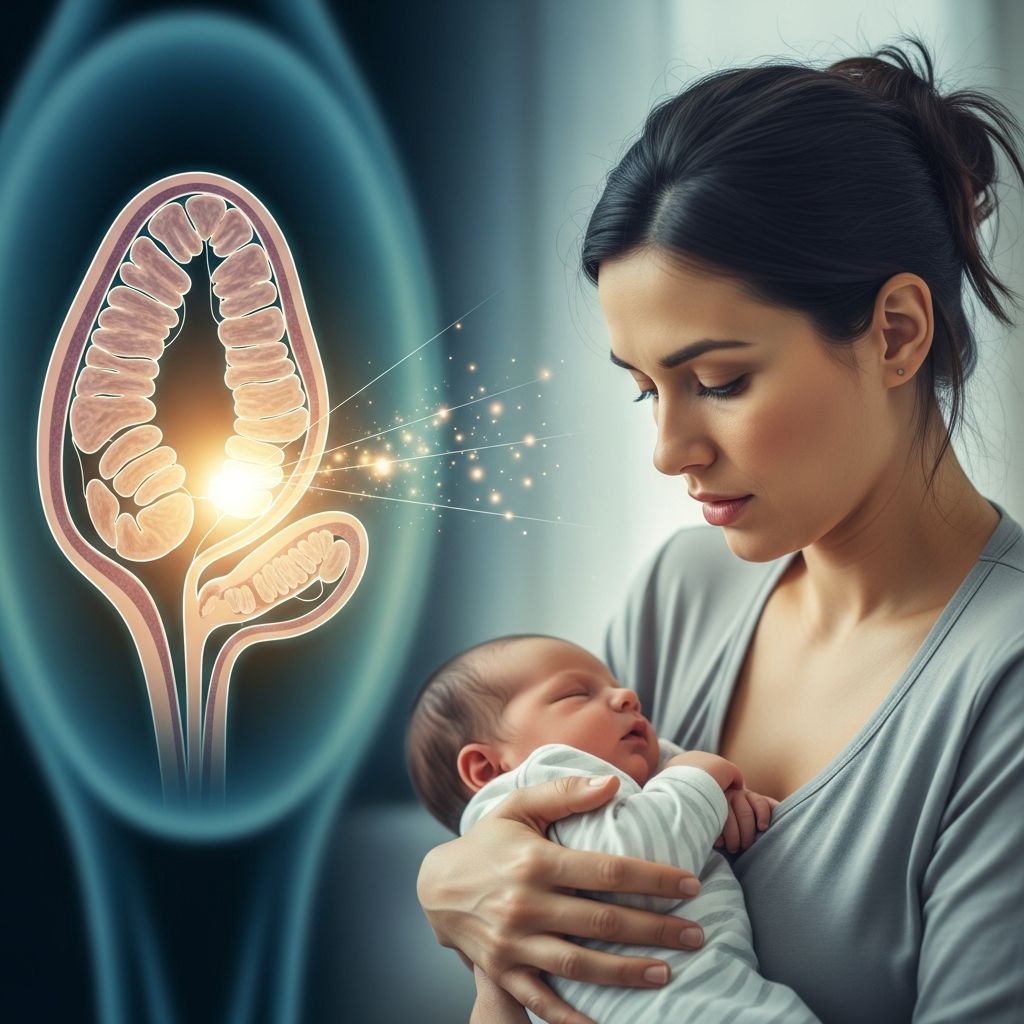
Sheehan syndrome is a rare but serious condition that affects the pituitary gland, a critical endocrine structure in the brain responsible for producing multiple hormones essential for bodily functions. This condition develops specifically when a woman experiences severe blood loss during or after childbirth, leading to a dramatic drop in blood pressure. When the pituitary gland is deprived of oxygen due to this hypovolemic shock, cells in the anterior pituitary begin to die, a process known as postpartum pituitary necrosis. While medical advances in developed countries have significantly reduced the incidence of Sheehan syndrome, it remains an important consideration in obstetric care and a significant cause of morbidity in less developed regions.
What is Sheehan Syndrome?
Sheehan syndrome represents a form of hypopituitarism, a condition characterized by insufficient hormone production from the pituitary gland. The syndrome occurs exclusively in the postpartum period when severe hemorrhage causes prolonged hypotension and shock. The pituitary gland, despite its small size, controls the production of numerous hormones that regulate metabolism, reproduction, growth, and stress responses throughout the body.
When severe blood loss occurs during childbirth, the body’s blood volume drops dramatically. This reduction in circulating blood volume compromises perfusion to vital organs, including the pituitary gland. The anterior pituitary, which is particularly vulnerable to ischemic injury due to its relatively precarious blood supply, undergoes necrosis when deprived of adequate oxygen. This cellular death results in permanent loss of hormone-producing capacity, leading to chronic hormonal deficiencies that require lifelong management.
How Common is Sheehan Syndrome?
The prevalence of Sheehan syndrome has declined dramatically in developed countries due to modern obstetric practices, including better management of postpartum hemorrhage, blood transfusions, and intensive care support. However, it remains relatively common in regions with limited access to advanced obstetric care. The condition typically affects women of reproductive age, specifically those who have recently given birth and experienced complications during delivery.
Causes and Risk Factors
Sheehan syndrome occurs exclusively following severe postpartum hemorrhage. The primary mechanism involves blood loss that is substantial enough to cause significant hypovolemia and shock. Several maternal and obstetric conditions increase the risk of severe bleeding during childbirth and subsequently increase the likelihood of developing Sheehan syndrome.
Risk Factors for Severe Postpartum Hemorrhage:
– Placental abruption (premature separation of the placenta)- Placenta previa (low-lying placenta covering the cervix)- Uterine rupture or uterine atony (inability of the uterus to contract properly)- Coagulopathy or bleeding disorders- Multiple gestation (twins, triplets, or more)- Operative delivery requiring cesarean section or forceps delivery- Maternal age extremes- Previous history of postpartum hemorrhage- Retained placental fragments- Infection or sepsis during delivery
When these conditions lead to blood loss exceeding the body’s compensatory mechanisms, hypotension becomes severe and prolonged. The combination of hypovolemia and shock creates an environment where the pituitary gland experiences critical oxygen deprivation, initiating the cascade of cellular necrosis that characterizes Sheehan syndrome.
Related Stories



Symptoms of Sheehan Syndrome
The presentation of Sheehan syndrome varies considerably among affected women. Some experience symptoms almost immediately after the hemorrhagic event, while others may not notice manifestations for months or even years. This delayed presentation often makes diagnosis challenging, as the connection between the postpartum hemorrhage and subsequent symptoms may not be immediately apparent.
Acute Symptoms:
In the immediate postpartum period, acute Sheehan syndrome may present with:
– Persistent hypotension refractory to fluid resuscitation- Tachycardia unresponsive to standard treatments- Hyponatremia (low sodium levels)- Persistent hypoglycemia (low blood sugar)- Altered mental status or confusion- Signs of shock that don’t improve with blood transfusion
Chronic Symptoms:
Most women develop chronic Sheehan syndrome with symptoms emerging gradually over time. Common manifestations include:
– Inability to breastfeed or insufficient milk production- Irregular or absent menstrual periods (amenorrhea or oligomenorrhea)- Fatigue and general weakness- Weight gain despite appropriate dietary intake- Loss of pubic and underarm (axillary) hair- Fine wrinkles around the eyes and lips- Breast tissue atrophy and shrinkage- Dry, thin skin- Cold intolerance and difficulty maintaining body temperature- Bradycardia (slow heart rate)- Decreased libido and sexual dysfunction- Slowed mental function and difficulty concentrating- Memory problems- Joint pain- Hair loss and changes in hair texture- Depression or mood changes
These symptoms reflect the cumulative effects of multiple hormone deficiencies. The loss of growth hormone causes metabolic changes and fat accumulation. Thyroid hormone deficiency produces fatigue, cold intolerance, and weight gain. Gonadotropin deficiency leads to reproductive dysfunction and loss of secondary sexual characteristics. Adrenocorticotropic hormone (ACTH) deficiency results in adrenal insufficiency with its associated fatigue and potential for life-threatening crisis.
Adrenal Crisis:
One particularly dangerous manifestation of untreated Sheehan syndrome is an adrenal crisis. This medical emergency may occur when a woman with undiagnosed Sheehan syndrome experiences a significant physiologic stressor such as surgery, infection, or major injury. During normal circumstances, the body increases cortisol production in response to stress. However, women with ACTH deficiency from Sheehan syndrome cannot mount this appropriate cortisol response. The result is an acute adrenal crisis characterized by:
– Severe hypotension- Profound shock- Altered consciousness or loss of consciousness- Severe electrolyte abnormalities- Cardiovascular collapse- Death if untreated
Recognition of this risk has led to recommendations for medical alert identification in women with known Sheehan syndrome to ensure they receive appropriate stress-dose steroids during medical emergencies.
Diagnosis of Sheehan Syndrome
Diagnosis of Sheehan syndrome requires a high index of clinical suspicion, particularly in women presenting with symptoms consistent with hypopituitarism following postpartum hemorrhage. The diagnostic approach combines clinical history, physical examination findings, and laboratory confirmation.
Clinical Evaluation:
The history should include detailed information about the postpartum period, specifically the amount of blood loss, degree of hypotension, need for transfusions, and the timing of symptom onset. A timeline of symptoms—such as when menstruation ceased, when lactation failed, or when fatigue began—helps establish the diagnosis. Physical examination may reveal signs consistent with hypopituitarism, including hypotension, bradycardia, loss of body hair, thin or atrophic breast tissue, and various signs of thyroid and adrenal insufficiency.
Laboratory Testing:
Comprehensive hormonal evaluation is essential for diagnosis. Blood tests should measure levels of the following hormones:
– Thyroid stimulating hormone (TSH) and thyroid hormones (Free T3, Free T4)- Follicle-stimulating hormone (FSH) and luteinizing hormone (LH)- Prolactin- Growth hormone- Cortisol and adrenocorticotropic hormone (ACTH)- Estrogen
Additional laboratory studies may reveal:
– Anemia (low hemoglobin and hematocrit)- Hyponatremia (low sodium)- Hypoglycemia (low blood glucose)- Abnormal lipid profiles
The pattern of hormone deficiencies in Sheehan syndrome typically follows a characteristic sequence. Growth hormone is usually lost first, followed by prolactin, FSH, LH, ACTH, and finally TSH—though TSH deficiency is often the last to develop.
Imaging Studies:
Magnetic resonance imaging (MRI) of the pituitary gland provides valuable confirmatory evidence. MRI findings vary depending on the timing of imaging:
– In acute Sheehan syndrome, MRI may show hemorrhage within an enlarged pituitary gland or acute infarction- In chronic cases, MRI typically demonstrates pituitary gland atrophy- Approximately 70% of patients with chronic Sheehan syndrome show an “empty sella”—complete loss of pituitary tissue- About 30% of patients demonstrate a “partially empty sella”
Computed tomography (CT) scanning can also be used to evaluate pituitary structure, though MRI provides superior soft tissue resolution and is preferred when available.
Treatment and Management
Sheehan syndrome is a treatable condition, but treatment requires lifelong hormone replacement therapy. The goal of treatment is to restore adequate hormone levels to support normal bodily functions and prevent potentially life-threatening complications.
Hormone Replacement Therapy:
Estrogen and Progesterone Replacement: Women of reproductive age require estrogen and progesterone replacement therapy. These hormones are typically continued at least until the normal age of menopause, at which point the need for replacement may be reassessed.
Thyroid Hormone Replacement: Levothyroxine is the standard treatment for thyroid hormone deficiency, with dosing adjusted based on TSH and free T4 levels to maintain normal thyroid function.
Adrenal Hormone Replacement: Hydrocortisone or prednisone is prescribed to replace deficient cortisol. Dosing must be carefully managed to prevent both inadequate replacement (leading to adrenal insufficiency symptoms) and excessive replacement (causing iatrogenic Cushing’s syndrome). Patients should receive education on stress-dosing protocols, where they increase their corticosteroid dose during periods of physical or emotional stress.
Growth Hormone Replacement: Growth hormone replacement may be considered in some patients, though it is not always initiated immediately and depends on various factors.
Monitoring and Follow-up:
Patients with Sheehan syndrome require lifelong medical follow-up with regular monitoring of hormone levels. Thyroid function should be assessed periodically, with adjustments to levothyroxine dosing as needed. Cortisol and ACTH levels should be monitored to ensure adequate adrenal replacement. Reproductive hormone levels guide adjustments in estrogen and progesterone therapy. Regular clinical assessment helps identify any new symptoms or complications requiring intervention.
Complications
If Sheehan syndrome is not recognized and treated appropriately, serious complications can develop:
– Addisonian crisis or acute adrenal insufficiency- Severe hypothyroidism- Severe hyponatremia- Hypoglycemic episodes- Cardiac arrhythmias- Death (if adrenal crisis is not treated emergently)
With appropriate diagnosis and lifelong treatment, most complications can be prevented or managed effectively.
Prognosis and Life Expectancy
The prognosis for Sheehan syndrome depends critically on timely diagnosis and appropriate hormone replacement therapy. Women who are diagnosed promptly and maintain compliance with lifelong hormone replacement have an excellent prognosis and normal life expectancy. The condition does not shorten life when properly managed. However, if Sheehan syndrome goes undiagnosed and a woman experiences an acute adrenal crisis during a period of physiologic stress, the outcome can be grave without emergency treatment.
Prevention
Sheehan syndrome cannot be prevented directly, as it is an inherent risk of severe postpartum hemorrhage. However, the incidence can be significantly reduced through:
– Careful antenatal care to identify risk factors for hemorrhage- Active management of the third stage of labor- Prompt recognition and aggressive treatment of postpartum hemorrhage- Availability of blood products and transfusion services- Access to surgical intervention for uncontrolled hemorrhage- Intensive care support for hemodynamically unstable patients
Modern obstetric practices have successfully minimized the occurrence of Sheehan syndrome in developed countries through these preventive measures.
When to Seek Emergency Care
Women with known or suspected Sheehan syndrome should seek immediate emergency medical attention if they experience symptoms of adrenal crisis, including:
– Severe hypotension or orthostatic syncope- Severe abdominal or flank pain- Persistent vomiting or severe nausea- Altered mental status or confusion- Loss of consciousness- Severe electrolyte abnormalities- Signs of shock
Wearing a medical alert bracelet or carrying identification documenting the diagnosis ensures that emergency responders provide appropriate treatment, including stress-dose corticosteroids.
Frequently Asked Questions
Q: Can Sheehan syndrome affect life expectancy?
A: No. With appropriate diagnosis and lifelong hormone replacement therapy, women with Sheehan syndrome have normal life expectancy. The key is recognizing the condition early and maintaining consistent treatment throughout life.
Q: Is Sheehan syndrome preventable?
A: Sheehan syndrome itself cannot be prevented, as it results from severe postpartum hemorrhage. However, modern obstetric care significantly reduces the risk of severe hemorrhage through careful monitoring, active labor management, and prompt treatment of bleeding complications.
Q: How long after childbirth might symptoms appear?
A: Symptoms can appear immediately after delivery or develop gradually over months to years. This delayed presentation often makes diagnosis challenging, which is why maintaining awareness of postpartum hemorrhage history is important.
Q: What is an adrenal crisis?
A: An adrenal crisis occurs when the body cannot produce enough cortisol to respond to physical stress (surgery, infection, injury). In women with Sheehan syndrome, this can be life-threatening without emergency treatment including high-dose corticosteroids.
Q: Does Sheehan syndrome affect fertility?
A: Yes. The hormonal deficiencies associated with Sheehan syndrome, particularly loss of FSH and LH, result in infertility. However, with hormone replacement therapy, menstrual function may be restored, and pregnancy may be possible with appropriate treatment.
Q: How often should hormone levels be monitored?
A: Women with Sheehan syndrome require lifelong monitoring. The frequency of testing depends on individual circumstances, but regular periodic assessment helps ensure adequate hormone replacement and allows adjustment of therapy as needed.
References
- Sheehan Syndrome – StatPearls — National Center for Biotechnology Information (NCBI). 2024. https://www.ncbi.nlm.nih.gov/books/NBK459166/
- Sheehan Syndrome: Causes, Symptoms & Treatment — Cleveland Clinic. Last reviewed 2024-03-12. https://my.clevelandclinic.org/health/diseases/24173-sheehan-syndrome
- Sheehan Syndrome: Treatment, Symptoms, and Diagnosis — Healthline. Updated 2017-10-19. https://www.healthline.com/health/sheehan-syndrome
- Sheehan Syndrome – Symptoms, Causes, Treatment — National Organization for Rare Disorders (NORD). https://rarediseases.org/rare-diseases/sheehan-syndrome/
- Sheehan Syndrome Information — Mount Sinai Health System. https://www.mountsinai.org/health-library/diseases-conditions/sheehan-syndrome
- Sheehan’s Syndrome — Pituitary Network Association. https://pituitary.org/disorders/sheehan-s-syndrome/
Similar Articles








Read full bio of Sneha Tete