Undefined Shelf-Stable Proteins: 12 Pantry Staples
Stock your pantry with these long-lasting protein sources to stay fueled during emergencies, travel or busy weeks without refrigeration.
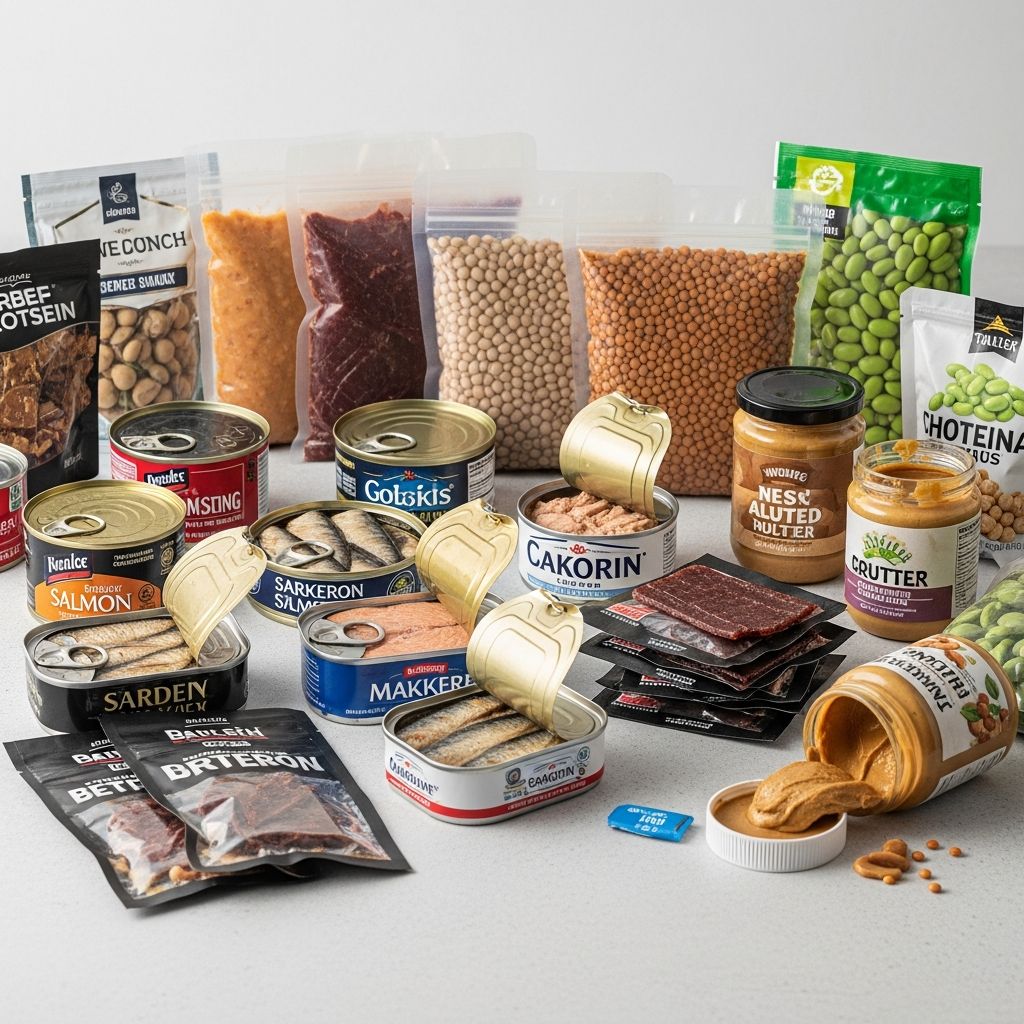
Building a pantry stocked with
shelf-stable protein foods
ensures you’re prepared for emergencies, power outages, travel, or simply busy weeks when fresh groceries aren’t feasible. These non-perishable options provide essential amino acids for muscle repair, satiety, and energy without needing refrigeration. From canned fish packed with omega-3s to versatile powdered eggs and nut butters, these foods offer 10-30 grams of protein per serving while lasting months to years when stored properly.According to dietary guidelines from the USDA, adults need about 46-56 grams of protein daily, and these staples make it easy to meet that goal. They also deliver bonus nutrients like iron, zinc, and B vitamins. Below, we explore 12 top choices, their protein content, shelf life, and creative ways to use them.
What Are Shelf-Stable Protein Foods?
Shelf-stable proteins are foods processed to resist spoilage through canning, drying, freezing, or powdering. They maintain nutritional integrity for extended periods in cool, dry conditions. Unlike fresh meats or dairy, they don’t require a fridge, making them ideal for camping, hiking, or disaster preparedness. Key benefits include portability, affordability, and versatility in meals—from quick snacks to hearty stews.
- High protein density: Many pack 15+ grams per ounce.
- Long shelf life: Up to 25 years for some freeze-dried items.
- No cooking needed: Eat straight from the package or rehydrate simply.
12 Best Shelf-Stable Protein Foods
These selections prioritize variety, nutrition, and ease of use, drawing from expert recommendations for emergency kits and everyday pantries.
1. Canned Tuna and Salmon
Canned fatty fish like tuna and salmon top the list for their complete protein profile—containing all nine essential amino acids—plus heart-healthy omega-3 fatty acids. A 5-ounce can delivers 20-30 grams of protein with minimal prep. Opt for low-sodium, water-packed varieties to control intake. Shelf life: 3-5 years.
- Uses: Salads, pasta mixes, or straight from the can.
- Pro tip: Pair with rice for a balanced meal.
2. Other Canned Fish (Sardines, Mackerel)
Smaller oily fish like sardines offer similar benefits in compact tins. They’re rich in calcium from edible bones and vitamin D. About 25 grams of protein per can, lasting 3-5 years unopened.
3. Canned Meats (Chicken, Beef, Turkey)
Canned chicken or beef provides ready-to-eat protein (20-25 grams per serving) for quick meals. Choose low-sodium options to avoid excess salt during storage. Versatile in soups, casseroles, or sandwiches; shelf life up to 5 years.
4. Nuts and Seeds (Almonds, Peanuts, Chia)
A handful of almonds yields 6 grams of protein, plus healthy fats and fiber. Peanuts and chia seeds add more. Store in airtight jars for 1-2 years. Portable and calorie-dense for energy.
- Daily serving: 1 ounce = 160 calories, 7g protein.
5. Nut Butters (Peanut, Almond)
Creamy or crunchy nut butters pack 7-8 grams of protein per 2 tablespoons. Natural versions without added sugar last 1 year opened. Spread on crackers or mix into oatmeal.
Related Stories



6. Powdered Peanut Butter
De-fatted for longer life (up to 2 years), this powder rehydrates to nutty spread with 5-8 grams protein per serving. Low-calorie and versatile for shakes.
7. Jerky and Meat Sticks
Beef, turkey, or salmon jerky delivers 10 grams protein per ounce. High in zinc and B12, it lasts 1-2 years. Choose low-sugar types; rehydrate for recipes.
8. Dried or Canned Beans and Lentils
Dried lentils cook quickly (20g protein per cup cooked) and store indefinitely if dry. Canned versions are ready-to-eat, lasting 2-5 years. Fiber-rich for gut health.
9. Textured Vegetable Protein (TVP)
A soy-based meat substitute with 12-20 grams protein per half-cup dry. Rehydrates like ground beef for vegan chili or tacos. Shelf life: 1-2 years.
10. Powdered Eggs
Rehydrate for scrambles or baking; 6 grams protein per serving. Lasts 5-10 years sealed. Essential for breakfasts in emergencies.
11. Powdered Milk
8 grams protein per serving, fortifies drinks or recipes. Stores 20+ years; great calcium source.
12. Freeze-Dried Meats
Lightweight beef or chicken dices offer 20 grams protein, rehydrate in minutes. 10-25 year shelf life.
Nutritional Comparison Table
| Food | Protein (per serving) | Shelf Life | Key Nutrients |
|---|---|---|---|
| Canned Tuna (5oz) | 25g | 3-5 years | Omega-3s, Selenium |
| Almonds (1oz) | 6g | 1-2 years | Vitamin E, Magnesium |
| Peanut Butter (2 tbsp) | 8g | 1 year | Healthy Fats, Niacin |
| Jerky (1oz) | 10g | 1-2 years | Zinc, B12 |
| Dried Lentils (1/2 cup dry) | 20g cooked | Indefinite | Fiber, Iron |
| Powdered Eggs (1 serving) | 6g | 10 years | Choline, Vitamin D |
How to Store Shelf-Stable Proteins
Proper storage maximizes longevity and safety.
- Airtight containers: Use Mylar bags or vacuum seals for powders and dried goods.
- Cool, dry, dark place: Below 70°F; avoid garages or humid areas.
- First in, first out (FIFO): Rotate stock every 6-12 months.
- Check dates: Many last beyond “best by” if unopened and stored well.
Recipe Ideas and Meal Prep
Incorporate these into balanced meals:
- Trail mix: Nuts, jerky, dried fruit (15g protein).
- Bean chili: Canned beans + TVP + canned tomatoes.
- Protein shake: Powdered milk, peanut butter powder, chia.
- Breakfast scramble: Powdered eggs + freeze-dried meat.
For emergencies, aim for 2,000 calories/day with 50g+ protein. Combine with carbs like rice or pasta.
Frequently Asked Questions (FAQs)
What is the longest-lasting shelf-stable protein?
Freeze-dried meats and powdered eggs can last 10-25 years when sealed properly.
Are canned proteins healthy for daily use?
Yes, in moderation—watch sodium. They provide complete proteins comparable to fresh.
Can vegetarians use these?
Absolutely: beans, nuts, TVP, and spirulina offer plant-based options.
How much protein do I need in an emergency?
0.8g per kg body weight daily; stock 50-70g/day per person.
Is jerky a complete protein?
Animal-based jerky yes; pair plant jerky with grains.
References
- Best Protein Sources for Breakfast Storage — Augason Farms. 2023. https://augasonfarms.com/blogs/emergency-preparedness-journal/breakfast-essentials-best-protein-sources
- 14 High-Protein Foods To Stock For Emergencies — Tasting Table. 2024-10-15. https://www.tastingtable.com/1863744/high-protein-foods-emergency/
- 12 Nutrient Dense, Shelf-Stable Foods — National CACFP Association. 2024-01-29. https://www.cacfp.org/2024/01/29/12-nutrient-dense-shelf-stable-foods/
- Shelf-Stable Foods: Nutritional Value — GWAR. 2023. https://gwaar.org/api/cms/viewFile/id/2005748
Similar Articles








Read full bio of Sneha Tete