Shellac Contact Allergy: Causes, Symptoms, and Treatment
Understanding shellac-induced contact dermatitis: identification, diagnosis, and management strategies.
Shellac Contact Allergy: Understanding the Condition
Shellac is a naturally occurring resinous substance commonly used in cosmetics and dental products as a binding agent and glossy finish component. This widespread ingredient can trigger allergic contact dermatitis in sensitized individuals, resulting in inflammation, redness, and discomfort at sites of product application. Understanding shellac allergies is essential for consumers and healthcare providers alike, as this contact allergy affects a notable segment of the population and can significantly impact quality of life if the allergen is not identified and avoided.
What is Shellac and Where is it Found?
Shellac is a resinous coating derived from lac beetle secretions, traditionally used in woodworking finishes and increasingly incorporated into cosmetic and personal care formulations. The substance provides durability, shine, and protective properties that make it valuable in multiple product categories.
Products containing shellac include:
- Mascara and eyeliner formulations
- Lipstick and lip glosses
- Nail varnishes and nail polish products
- Dental care products including mouthguards
- Hair care and styling products
- Skin care preparations
- Dentures and dental prosthetics
The ubiquity of shellac in consumer products means that individuals with a shellac allergy must carefully review product ingredients before purchase or use. Many individuals remain unaware that shellac is present in their regularly used products, leading to prolonged exposure and continued allergic reactions.
Prevalence and Reaction Rates
The prevalence of shellac contact allergy varies depending on the population studied and testing methodology employed. Patch testing, the gold standard for diagnosing contact allergies, reveals reaction rates between 2–10%. It is important to note that when shellac is tested in 20% alcohol solution—the standard testing concentration—some reactions observed may be irritating in nature rather than true allergic responses. This distinction is clinically significant, as irritant reactions do not represent sensitization and may not recur upon future exposure to the same concentration in different products.
Clinical Presentation and Symptoms
Individuals with shellac contact allergy typically present with dermatitis localized to areas of product exposure. The clinical manifestations vary depending on the product source and individual sensitivity levels.
Common presentation patterns include:
- Eyelid dermatitis from mascara or eyeliner application
- Lip inflammation (cheilitis) from lipstick or lip gloss use
- Perioral dermatitis around the mouth area
- Labial and buccal mucosal inflammation from dental products
- Nail bed and periungual dermatitis from nail polish
- Generalized facial or neck dermatitis from product transfer
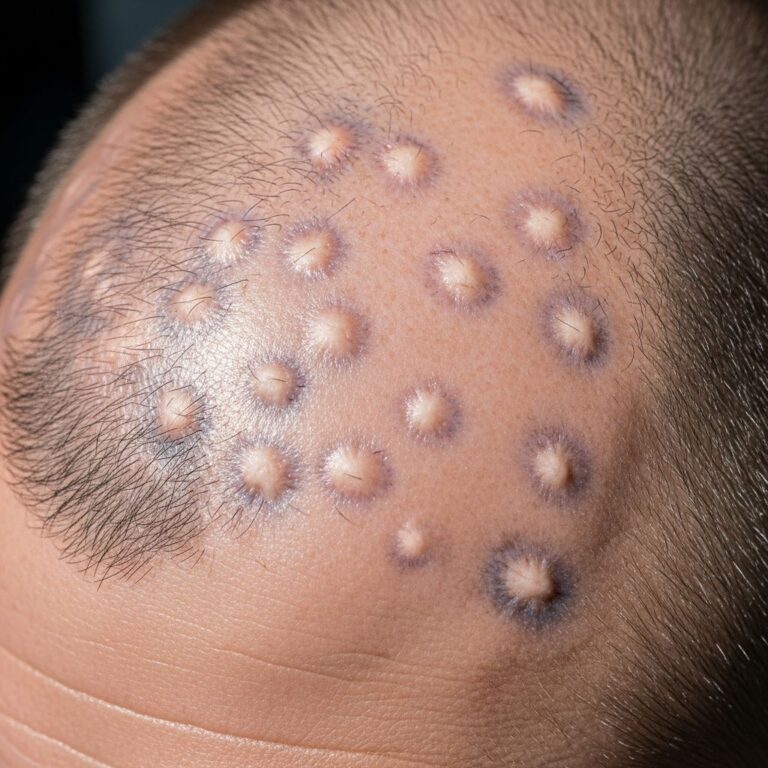
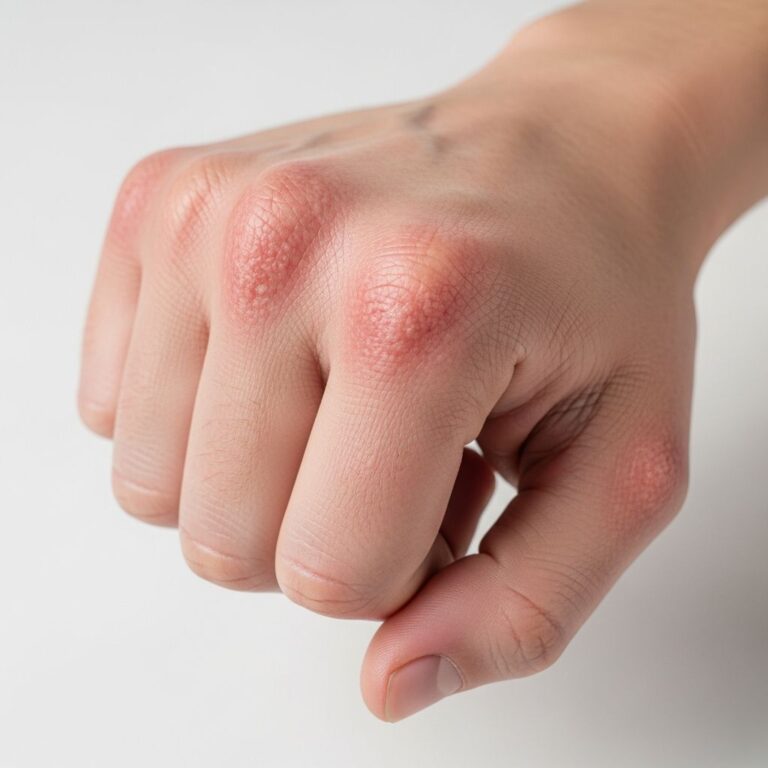
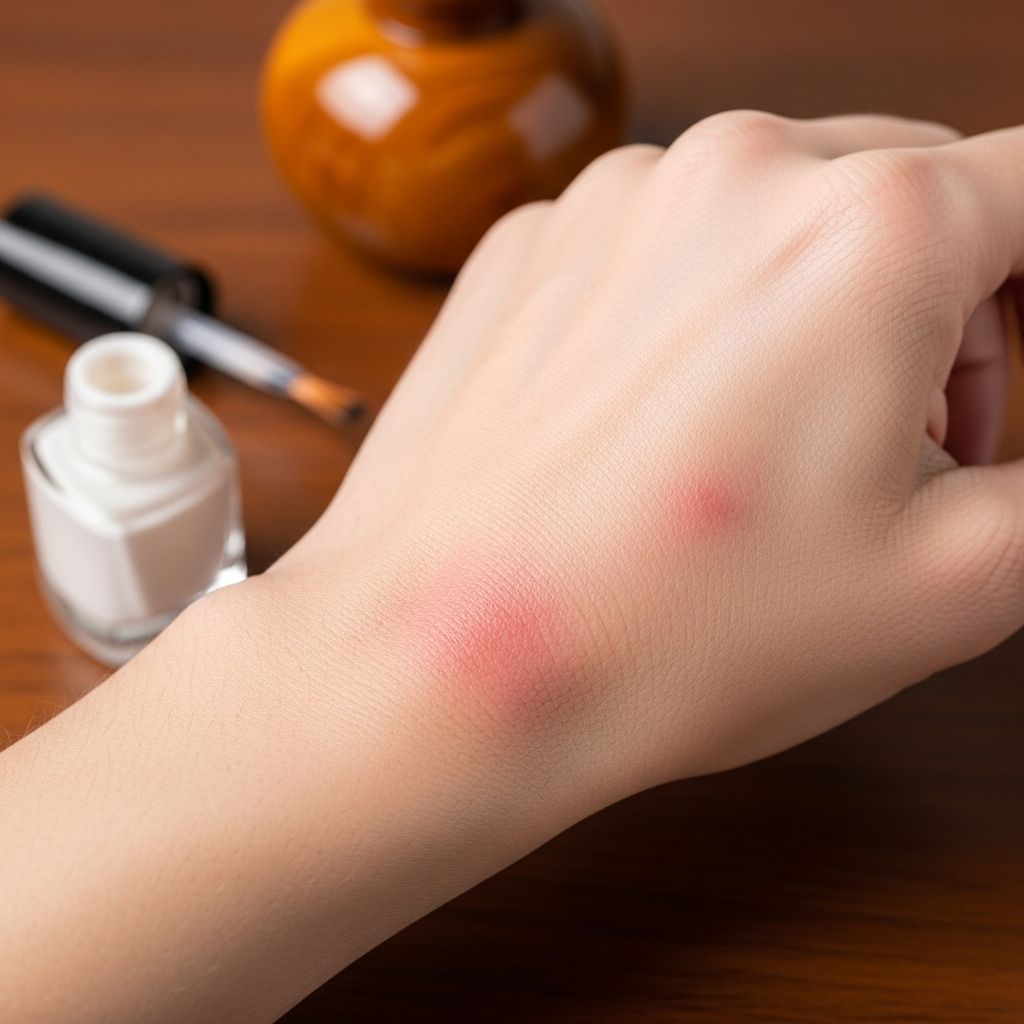
The allergic contact dermatitis commonly manifests as erythema (redness) and swelling at the site of contact. In mild cases, patients may experience subtle redness and minor itching. However, the condition can progress to more severe presentations, including the development of blisters, vesiculation, exudation, and scaling in cases involving significant allergic sensitization. The delayed nature of allergic contact dermatitis means symptoms typically appear 48 to 96 hours after exposure to the allergen, making it challenging for patients to immediately correlate symptoms with product use.
Related Stories



Diagnosis of Shellac Contact Allergy
Accurate diagnosis of shellac contact allergy requires a comprehensive approach combining clinical examination, detailed history taking, and confirmatory testing.
Clinical Assessment
The diagnostic process begins with thorough examination of affected skin areas and careful documentation of the distribution pattern. Healthcare providers evaluate the morphology of the dermatitis, noting characteristics such as erythema, edema, vesiculation, scaling, and secondary changes. A detailed history is essential, including the timeline of symptom onset, correlation with product use, products currently in use, and occupational or environmental exposures. Patients should provide information about when symptoms began, whether symptoms improve with product avoidance, and any previous allergic reactions to cosmetics or personal care products.
Patch Testing
Patch testing represents the gold standard diagnostic method for confirming shellac contact allergy. In this procedure, shellac (typically in 20% alcohol concentration) is applied to adhesive patches placed on the patient’s back or arm. The patches remain in place for 48 hours, after which they are removed and the skin is evaluated for reactions. A critical reading occurs at 48 hours (D2), with a second assessment at 96 hours (D3) to capture delayed reactions that may appear later.
A positive patch test reaction at the shellac test site appears as erythema and/or edema localized to the exact area where shellac was applied. The presence of a clear demarcated reaction at the 48-hour or 96-hour reading strongly supports the diagnosis of shellac contact allergy, distinguishing true allergic sensitization from irritant reactions or background skin reactivity.
Treatment Strategies
Treatment of shellac contact dermatitis follows established principles for managing allergic contact dermatitis, focusing on allergen avoidance and symptom management.
Primary Treatment: Strict Avoidance
Strict avoidance of products containing shellac is necessary to prevent further reactions. This represents the most effective long-term treatment strategy, as continued exposure perpetuates inflammation and prevents healing. Complete elimination of the allergen allows the skin barrier to repair and prevents sensitization from intensifying. Patients must carefully inspect ingredient lists of all current and potential future products, as shellac may be listed under various nomenclature on product labels.
Symptomatic Management
During the acute inflammatory phase, several therapeutic interventions help manage symptoms and promote healing:
- Emollients and moisturizers: Frequent application of fragrance-free emollients protects the skin barrier and reduces transepidermal water loss, accelerating healing and reducing discomfort
- Topical corticosteroids: Application of appropriate-strength topical corticosteroids reduces inflammation, erythema, pruritus, and edema. The potency should match the severity of inflammation and site of application, with lower-potency formulations preferred for thin-skinned areas such as the eyelids
- Oral antihistamines: For patients with significant pruritus, oral antihistamines provide itch relief, particularly helpful when itching interferes with sleep or daily function
- Cool compresses: Application of cool water compresses provides soothing relief and may reduce swelling in acute presentations
- Avoidance of irritants: Patients should avoid harsh soaps, frequent hand washing with hot water, and contact with other potential irritants during the healing phase
The duration of dermatitis resolution varies depending on severity and individual healing capacity. Most mild to moderate cases resolve within 2–4 weeks with appropriate treatment and allergen avoidance, though severe cases may require 6–8 weeks for complete resolution.
Prevention and Practical Recommendations
Preventing shellac contact allergy requires vigilance in product selection and awareness of potential sources of exposure.
Product Selection
It is essential to carefully inspect the ingredients list of any products currently being used or prior to purchase to identify products containing shellac. When shopping for cosmetics and personal care products, consumers should:
- Check ingredient labels for “shellac” or related terms
- Contact manufacturers directly if ingredient information is unclear
- Choose products specifically formulated without shellac
- Opt for hypoallergenic and dermatologically tested alternatives
- Consider patch testing new products on a small area before full application
Sources Beyond Cosmetics
Beyond traditional cosmetic products, shellac appears in unexpected sources. Dental products including custom mouthguards, dentures, and orthodontic retainers may contain shellac as a coating or bonding agent. Individuals with shellac allergy should inform their dentist of the condition so that shellac-free alternatives can be prescribed. This is particularly important for athletes requiring protective mouthguards and individuals with extensive dental prosthetics.
Special Considerations and Clinical Notes
Shellac contact allergy represents a clinically significant but often underrecognized cause of allergic contact dermatitis. While traditional presentations involve cosmetic products causing eyelid dermatitis and cheilitis, emerging case reports document shellac-containing dental devices as unusual sources of prolonged lip dermatitis. Patients presenting with unexplained, chronic lip inflammation unresponsive to conventional treatments should undergo patch testing including shellac, particularly if dental prosthetics are worn.
The delayed nature of allergic contact dermatitis—with reactions typically appearing 48 to 96 hours after exposure—makes identification of the causative product challenging without systematic investigation. Patients may incorrectly attribute reactions to recently introduced products while missing the true culprit that has been used chronically.
When to Seek Professional Help
Individuals should consult a dermatologist or allergist if they experience:
- Persistent dermatitis despite product avoidance
- Severe reactions with significant swelling or blistering
- Dermatitis affecting sensitive areas such as eyelids or lips
- Uncertainty about which product is causing the reaction
- Symptoms not responding to home treatment within one week
- Signs of secondary infection including warmth, drainage, or tenderness
Frequently Asked Questions
Q: How can I tell if my dermatitis is caused by shellac?
A: Diagnosis requires patch testing performed by a dermatologist or allergist. You should provide a detailed history of product use, and the location of dermatitis often provides clues (eyelid dermatitis suggests mascara or eyeliner, lip dermatitis suggests lipstick or dental products). Patch testing with shellac in 20% alcohol will show a positive reaction at the 48-hour or 96-hour reading if shellac is the cause.
Q: What products should I avoid if I’m allergic to shellac?
A: You should avoid mascara, eyeliner, lipstick, lip gloss, nail polish, some hair care products, dental products and mouthguards, dentures, and any other cosmetics that list shellac as an ingredient. Always read ingredient lists carefully, and contact manufacturers if you’re uncertain whether their products contain shellac.
Q: Can shellac allergy develop suddenly after years of using shellac products?
A: Yes, contact allergies can develop at any time, even after years of uneventful product use. This occurs through a process called sensitization, where repeated exposure eventually triggers an allergic immune response. Some individuals may use shellac-containing products for years before developing an allergy.
Q: How long does allergic contact dermatitis from shellac take to clear?
A: Mild cases typically resolve within 2–4 weeks with appropriate treatment and complete allergen avoidance. More severe cases may require 6–8 weeks for full resolution. The key is strict avoidance of the allergen; symptoms will not resolve if exposure continues.
Q: Is there a cure for shellac allergy?
A: There is no cure for shellac contact allergy once sensitization has occurred. However, the condition is entirely manageable through lifelong avoidance of shellac-containing products. Once you avoid the allergen, dermatitis will not occur, and symptoms will resolve completely.
Q: Can I use alternative products if I’m allergic to shellac?
A: Yes, many brands offer shellac-free cosmetics and personal care products. Look for products labeled as “shellac-free,” “hypoallergenic,” or dermatologically tested. When purchasing, always verify that the product does not contain shellac by checking the ingredient list.
Q: Should I get patch tested even if I suspect shellac allergy?
A: Yes, formal patch testing is recommended to confirm the diagnosis. This ensures you’re avoiding the correct allergen and helps identify any other contact allergens you may be sensitized to. Patch testing guides your avoidance strategy and prevents unnecessary elimination of products you tolerate well.
References
- Shellac: Contact Allergic Dermatitis — DermNet. 2024. https://dermnetnz.org/topics/contact-allergy-to-shellac
- Contact allergy to a shellac-containing mouthguard — National Center for Biotechnology Information, National Library of Medicine. 2022. https://pmc.ncbi.nlm.nih.gov/articles/PMC9311161/
- Understanding and Managing Contact Dermatitis — Allergy & Asthma Network. 2024. https://allergyasthmanetwork.org/webinars-updates/understanding-and-managing-contact-dermatitis/
- Gel Nail Allergy: Treatment and Prevention — AllerMi. 2024. https://www.allermi.com/blogs/allergy-101/gel-nail-allergy
- Allergic reactions to manicures, shellac nails, and hair dye — Doctor Katta. 2017. https://www.doctorkatta.com/post/2017/01/07/the-monday-morning-beauty-hangover-allergic-reactions-to-manicures-shellac-nails-and-hair
Similar Articles








Read full bio of medha deb