Shield Your Eyes From Sun Damage: Essential Protection Tips
Discover proven strategies to protect your vision from harmful UV rays and prevent long-term eye conditions with expert-backed tips.
Ultraviolet radiation from the sun poses a serious threat to eye health, contributing to conditions like cataracts, macular degeneration, and photokeratitis. Implementing simple protective measures can significantly reduce these risks and preserve clear vision over a lifetime.
The Hidden Dangers of UV Rays to Your Vision
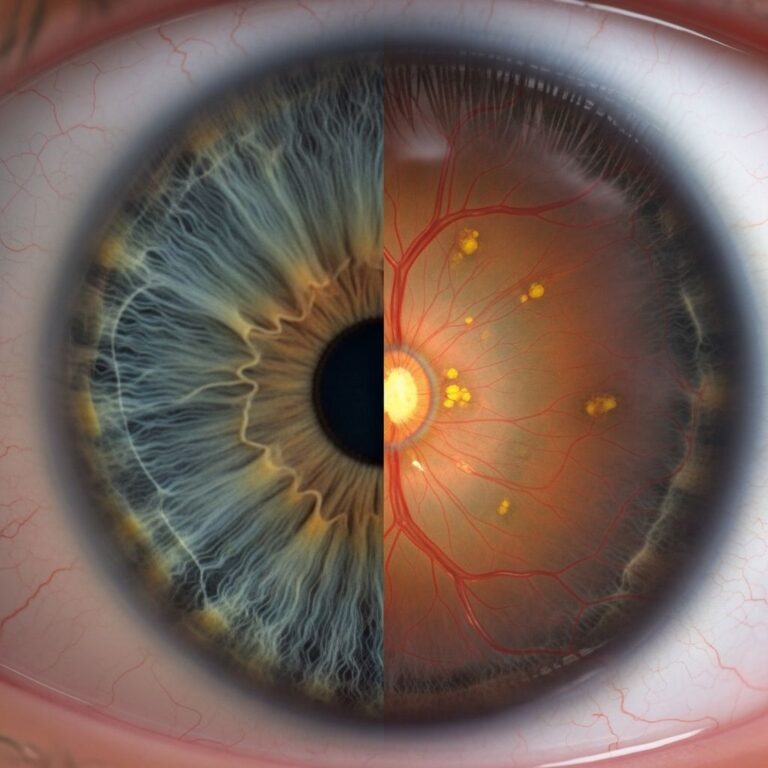
Sunlight contains invisible ultraviolet (UV) rays, divided into UVA and UVB types, both capable of penetrating the eye and causing cumulative damage. UVA rays penetrate deep into the eye, affecting the lens and retina, while UVB rays primarily harm the cornea and lens surface. Prolonged exposure accelerates aging of eye tissues, leading to opacity in the lens known as cataracts and degeneration of the central retina called macular degeneration.
Photokeratitis, often termed snow blindness or welder’s flash, results from intense short-term UV exposure, causing temporary pain, tearing, and light sensitivity. Reflections from snow, water, sand, or concrete amplify UV intensity, increasing risks during outdoor activities. Skin cancer around the eyelids is another concern from chronic exposure.
Children face heightened vulnerability since their clearer lenses transmit more UV to the retina. Individuals post-cataract surgery or on photosensitizing medications, such as certain antibiotics or diuretics, require extra caution.
Selecting the Best Sunglasses for UV Defense
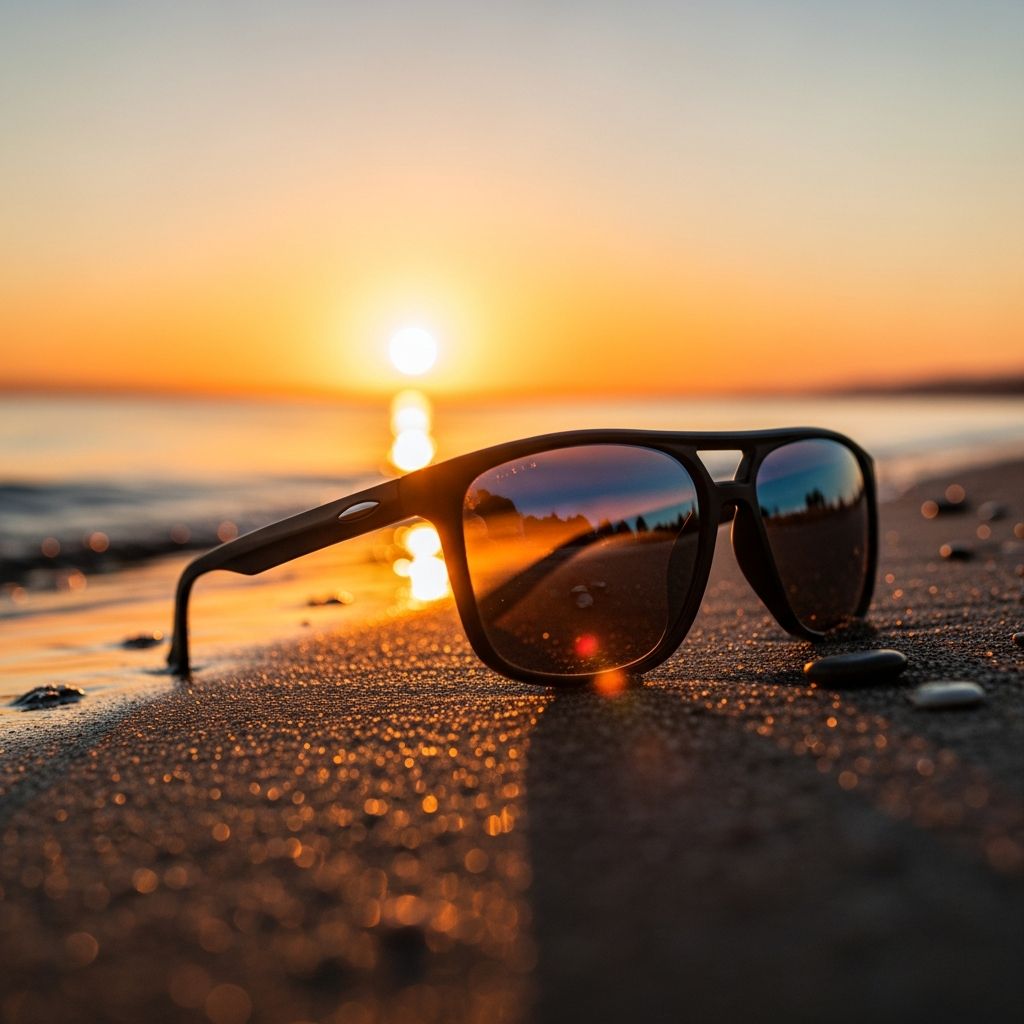
Not all sunglasses provide adequate protection; prioritize those labeled to block 100% of UVA and UVB rays or UV400 rated, filtering over 99% of harmful radiation. Dark tints alone do not guarantee UV blocking—pupils dilate behind non-UV lenses, allowing more rays in.
Ideal features include:
- Polycarbonate or glass lenses with built-in UV absorption, not just coatings.
- Gray, green, amber, or brown tints for natural color perception and 75-90% visible light reduction.
- Wraparound styles to block side-entry rays.
- Photochromic lenses that darken automatically in UV light for versatile indoor-outdoor use.
Verify labels or consult an eye care professional, as even clear lenses can offer UV protection. For prescription wearers, ensure UV-blocking materials in glasses or contacts.
Enhancing Protection with Hats and Clothing
A wide-brimmed hat with at least a 3-inch brim blocks about 50% of UV rays reaching the eyes and face, complementing sunglasses by shielding from overhead and peripheral light. Tight-weave clothing and high-SPF fabrics add further defense during prolonged exposure.
For high-reflection environments like beaches or snowy slopes, combine hats with UV goggles featuring side panels to minimize bounced rays.
Timing Your Outdoor Activities Wisely
UV intensity peaks between 10 a.m. and 4 p.m., when the sun’s angle allows maximum penetration. Limit direct exposure during these hours, seeking shade and monitoring UV index forecasts. Sun angles at dawn, dusk, or winter also pose risks due to direct entry past the brow.
Even cloudy days transmit up to 80% of UV, so consistent protection is essential regardless of weather.
Specialized Gear for Sports and Water Activities
Activities amplifying UV exposure demand targeted eyewear. Skiers and swimmers should use polarized goggles blocking glare and UV, as snow reflects up to 80% of rays and water scatters them.
| Activity | Recommended Protection | UV Risk Factor |
|---|---|---|
| Beach/Swimming | Polarized wraparound sunglasses, hat | High (water reflection) |
| Skiing/Snowboarding | UV goggles with side shields | Very High (snow reflection) |
| Hiking/Fishing | UV400 sunglasses, brimmed hat | Moderate to High |
| Daily Walking | Standard UV sunglasses, cap | Moderate |
Lifestyle Choices for Stronger Eye Resilience
Beyond gear, nutrition supports eye defense. Antioxidants in leafy greens, citrus fruits, nuts, and fish rich in vitamins C, E, zinc, and omega-3s combat oxidative UV damage. Hydration prevents dry eyes, which worsen under sun stress.
Related Stories



Avoid smoking, as it heightens cataract and macular degeneration risks, compounding UV effects. Schedule annual eye exams to detect early changes and receive tailored advice.
Protecting Children’s Developing Eyes
Young eyes absorb 70-80% more UV due to thinner lenses. Start habits early with fun, fitted UV sunglasses, hats, and shade play. Limit midday sun and use sunscreen cautiously on infants under 6 months, consulting pediatricians.
Medication Awareness and Post-Surgery Care
Photosensitive drugs like tetracyclines, sulfa drugs, birth control, or blood pressure meds increase UV vulnerability—discuss with providers. Post-cataract patients need UV-absorbing implant lenses or extra eyewear.
Common Myths About Sun Protection Debunked
- Myth: Dark lenses are enough. Fact: UV protection is specified on labels, not tint level.
- Myth: Only summer sun harms eyes. Fact: Year-round exposure accumulates damage.
- Myth: Clouds block UV. Fact: Up to 80% penetrates.
Frequently Asked Questions
Do I need UV sunglasses on overcast days?
Yes, UV rays pass through clouds, so wear them consistently.
Can contact lenses replace sunglasses?
No, they lack side protection; pair with UV glasses.
How do I check if my sunglasses block UV?
Look for ‘UV400’ or ‘100% UVA/UVB’ labels, or test at an optometrist.
Are expensive sunglasses better?
Not necessarily; focus on UV specs over brand.
Does sunscreen protect eyes?
It helps skin but not eyes directly; use with eyewear.
Building a Daily UV Protection Routine
Incorporate these steps: Check UV index apps morningly, don UV sunglasses and hat before outings, adjust for activities, hydrate and eat eye-boosting foods, and book eye exams. Consistency prevents irreversible damage.
By prioritizing these practices, individuals across ages can mitigate UV threats, ensuring sustained visual acuity and comfort.
References
- NIOSH Fast Facts: Protecting Yourself from Sun Exposure — CDC (NIOSH). 2010-01-01. https://www.cdc.gov/niosh/docs/2010-116/default.html
- Ultraviolet (UV) protection — American Optometric Association (AOA). 2023-01-01. https://www.aoa.org/healthy-eyes/caring-for-your-eyes/uv-protection
- Tips to Stay Safe in the Sun: From Sunscreen to Sunglasses — FDA. 2024-06-01. https://www.fda.gov/consumers/consumer-updates/tips-stay-safe-sun-sunscreen-sunglasses
- Protect Your Eyes from the Sun — Prevent Blindness. 2023-05-01. https://preventblindness.org/protect-your-eyes-from-the-sun/
- Top 5 UV Protection Tips for Your Eyes — 20/20 Eye Care Center. 2024-01-01. https://www.2020eyecarecenter.com/top-5-uv-protection-tips-for-your-eyes/
Similar Articles








Read full bio of Sneha Tete