Shifts in Iris Pigmentation: Causes and Concerns
Discover why your eye color might evolve over time, from benign shifts to signals of underlying health issues requiring prompt attention.
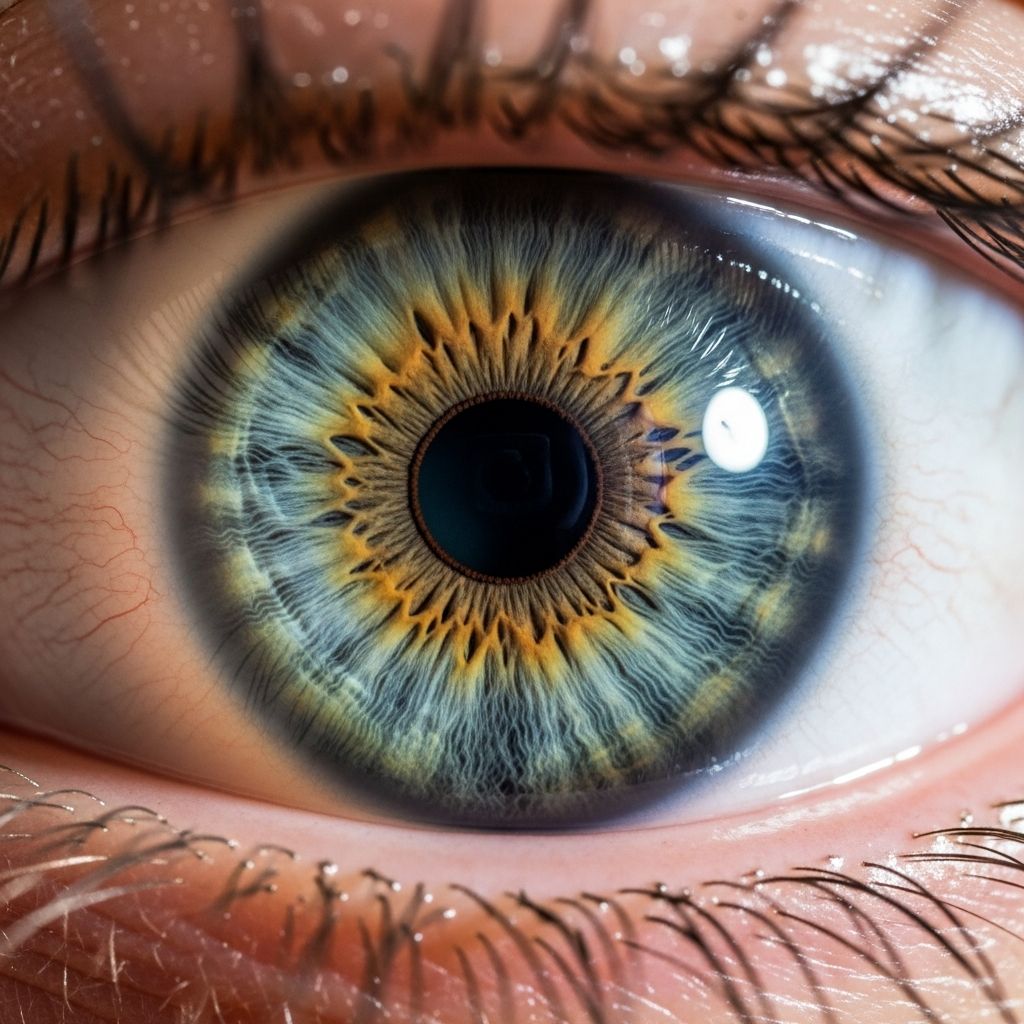
The human iris, that vibrant ring around the pupil, defines our eye color through its melanin content and structural features. While most people notice their eye shade remains constant from infancy, subtle or sudden changes can occur, sparking curiosity or worry. These shifts might stem from harmless daily fluctuations or point to deeper health issues. Understanding the spectrum of causes empowers individuals to discern normal variations from those needing medical evaluation.
Everyday Factors Influencing Eye Appearance
Not all perceived color changes signify pathology. Everyday elements can temporarily alter how eyes look without affecting the iris itself.
- Lighting and Environment: Natural or artificial light scatters differently across the iris, making blue eyes appear greener in sunlight or hazel eyes shift tones indoors. This optical illusion arises from Rayleigh scattering, similar to sky hues.
- Pupil Dilation: Emotions, low light, or arousal cause pupils to expand or contract, revealing more or less of the iris. A dilated pupil exposes the darker peripheral iris, mimicking a deeper color.
- Age-Related Thinning: As we age, the iris stroma thins, allowing more light to reflect off the retina, which can lend a bluish tint to lighter eyes.
These benign shifts reverse quickly and affect both eyes symmetrically. If changes persist or localize to one eye, further scrutiny is warranted.
Environmental and Lifestyle Contributors
Prolonged exposure to external elements can prompt gradual pigment modifications.
- Ultraviolet Radiation: Cumulative sun exposure boosts melanin production in the iris, potentially darkening light eyes or forming freckle-like spots (iris nevi). Protective eyewear mitigates this.
- Medication Side Effects: Prostaglandin analog drops for glaucoma, like latanoprost, stimulate melanocyte activity, darkening iris pigmentation over months. This effect is usually permanent and more noticeable in lighter eyes.
Table 1: Common Non-Medical Color Shifts
| Cause | Effect on Color | Duration | Reversibility |
|---|---|---|---|
| Lighting Changes | Temporary hue shift | Immediate | Fully reversible |
| Pupil Size Variation | Apparent darkening/lightening | Minutes to hours | Fully reversible |
| Sun Exposure | Darkening or spots | Weeks to years | Partially reversible |
| Glaucoma Drops | Progressive browning | Months+ | Permanent |
Such alterations, while common, underscore the importance of routine eye exams to track baseline pigmentation.
Trauma and Its Lasting Imprint on Iris Color
Physical damage to the eye disrupts pigmentation and structure, leading to visible changes.
- Blunt or Penetrating Injuries: Bruising causes blood leakage into the iris, tinting it reddish-brown temporarily. Scarring or pigment dispersal can yield permanent heterochromia, where one sector or eye differs in shade.
- Chemical Burns: Corrosive agents deposit iron or calcium, staining the iris heterogeneously.
- Surgical Interventions: Procedures like cataract removal occasionally trigger pigment loss if inflammation ensues.
Post-trauma, the affected eye may lighten due to melanin shedding or darken from hemosiderin buildup. Immediate ophthalmologic assessment prevents complications like secondary glaucoma.
Medical Conditions Altering Pigmentation
Several pathologies directly impact iris melanin, often unilaterally, signaling urgency.
Pigment Dispersion Syndrome and Glaucoma
In pigment dispersion syndrome, iris pigment flakes from the posterior layer, dispersing into the anterior chamber. This clogs trabecular meshwork, elevating intraocular pressure and fostering pigmentary glaucoma. Affected iris areas lighten patchy.
Fuchs Heterochromic Iridocyclitis
This chronic, low-grade uveitis inflames the iris and ciliary body, eroding pigment gradually. Typically unilateral, it lightens the iris, often with cataracts and glaucoma risks. Subtle onset delays diagnosis until vision falters.
Related Stories



Horner’s Syndrome
Nerve disruption (from stroke, tumor, or trauma) impairs sympathetic innervation, causing miosis and iris hypopigmentation in lighter eyes. Ptosis and anhidrosis accompany it.
Rare Syndromes: ICE and Wilson’s Disease
Iridocorneal endothelial (ICE) syndrome involves corneal endothelium migrating to the iris, forming spotted discolorations and glaucoma. Predominantly in middle-aged females.
Wilson’s disease, a copper metabolism disorder, manifests as a Kayser-Fleischer ring—a golden-brown corneal rim visible against the iris, demanding systemic treatment.
Table 2: Key Medical Causes Comparison
| Condition | Color Change | Associated Risks | Demographics |
|---|---|---|---|
| Pigment Dispersion | Patchy lightening | Glaucoma | Young adults, myopes |
| Fuchs Heterochromic | Uniform lightening | Cataracts, glaucoma | Any age, unilateral |
| Horner’s Syndrome | Lightening, miosis | Underlying neurology | All ages |
| ICE Syndrome | Spots/irregularities | Glaucoma (surgical) | Middle-aged women |
| Wilson’s Disease | Orange ring | Liver/brain damage | Teens-adults |
Age-Specific Considerations
Elderly individuals face unique risks. Arcus senilis, a lipid ring, frames the iris without altering it, but cataracts cloud the lens, veiling iris color in grayish haze. Scleral discoloration from jaundice or calcification also mimics iris shifts.
In children, congenital heterochromia is often innocuous, tied to genetics or Waardenburg syndrome. Acquired changes post-infection or trauma merit investigation.
When to Consult an Eye Specialist
Monitor for red flags: unilateral changes, rapid onset, pain, vision loss, or spots evolving. Comprehensive exams include slit-lamp biomicroscopy, gonioscopy, and intraocular pressure measurement. Early intervention averts irreversible damage.
Preventive Strategies for Eye Color Stability
- Wear UV-protective sunglasses outdoors.
- Adhere to prescribed eye drop regimens; discuss color change risks.
- Report injuries immediately.
- Schedule annual dilated exams, especially post-40 or with family glaucoma history.
Frequently Asked Questions (FAQs)
Can stress change eye color?
Indirectly, via pupil dilation from adrenaline, but not permanently.
Do colored contact lenses cause real changes?
No, they overlay artificially; remove for true assessment.
Is heterochromia always problematic?
Congenital often benign; acquired needs evaluation.
How do glaucoma meds darken eyes?
They upregulate melanin in stromal melanocytes.
Can diet influence iris color?
No direct link; systemic diseases like Wilson’s indirectly affect via deposits.
Armed with this knowledge, individuals can better interpret iris shifts, prioritizing health vigilance over cosmetic concerns.
References
- Why do Eyes Change Colour? — Dr. Jiwani & Associates. 2023-05-15. https://drjiwani.ca/why-do-eyes-change-colour/
- The Mystery Behind Eye Color Changes — Dr. Jeffrey Porter. 2024-02-10. https://drjeffreyporter.com/the-mystery-behind-eye-color-changes/
- Can Your Eyes Change Color? — Nationwide Vision. 2024-08-20. https://www.nationwidevision.com/eye-care-resources/eye-health/can-your-eyes-change-color
- Can Your Eyes Change Color? — The EyeDoctors Optometrists. 2023-11-05. https://www.theeyedoctors.net/eye-care-resources/eye-health/can-your-eyes-change-color
- Can Your Eyes Change Color? — Eyecare Center. 2024-01-12. https://www.eyecarecenter.com/eye-care-resources/eye-health/can-your-eyes-change-color
- Can Your Eyes Change Color? — WebECA. 2023-09-18. https://www.webeca.com/eye-care-resources/eye-health/can-your-eyes-change-color
- The Science of Eye Color — Fort Lauderdale Eye Institute. 2024-03-22. https://flei.com/the-science-of-eye-color/
Similar Articles








Read full bio of medha deb