Shiitake Mushroom Benefits: 7 Science-Backed Reasons
Discover the powerful health benefits of shiitake mushrooms, from immune support to heart health and cancer risk reduction.
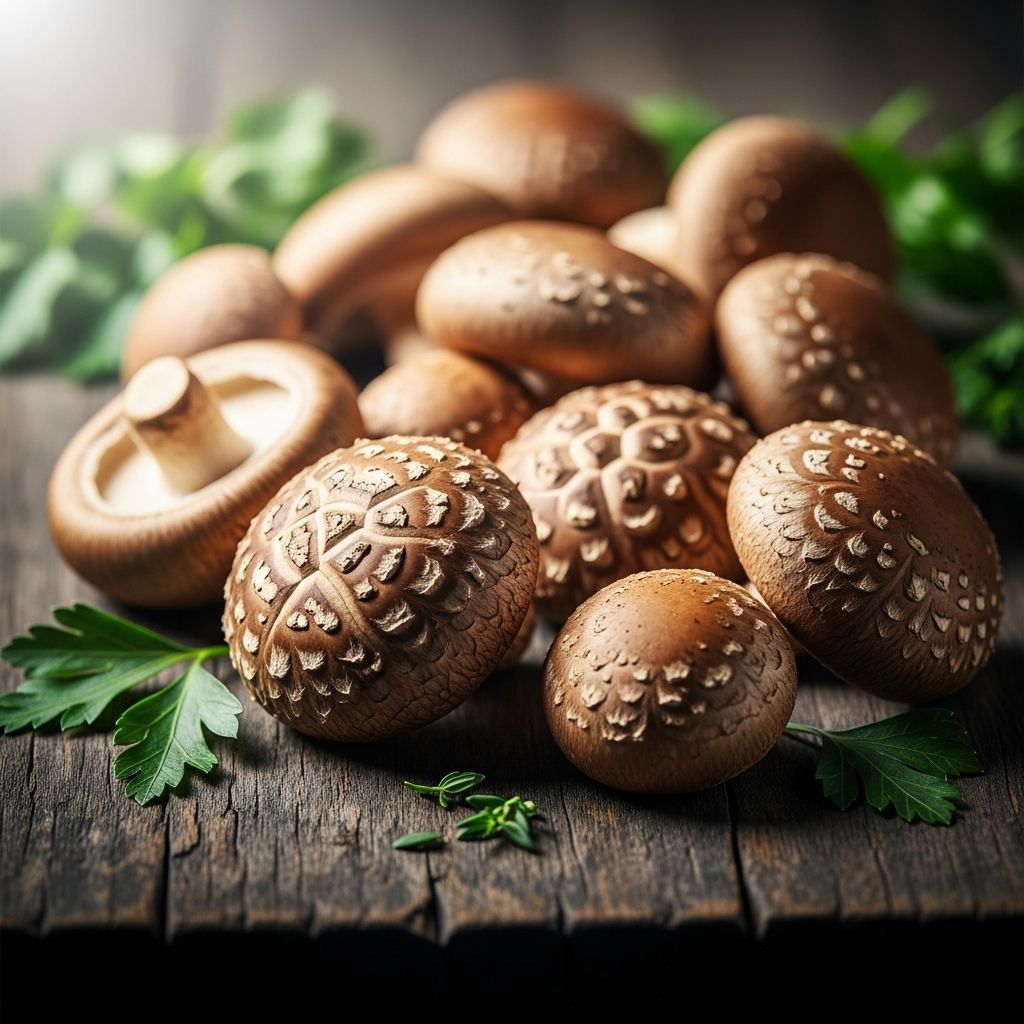
Shiitake mushrooms (Lentinula edodes) are a popular edible fungus native to East Asia, prized for their rich, savory flavor and impressive nutritional profile. These mushrooms have been used in traditional medicine for centuries and are now backed by modern research for their potential health benefits, including immune support, heart health improvement, and cancer risk reduction. Unlike many vegetables, shiitakes provide unique compounds like beta-glucans and polysaccharides that contribute to their therapeutic effects. This article dives into the science-supported advantages, nutrition details, culinary uses, and safety considerations for incorporating shiitake mushrooms into your diet.
What Are Shiitake Mushrooms?
Shiitake mushrooms, known scientifically as Lentinula edodes, originated in the mountainous regions of Japan, China, and Korea. The name ‘shiitake’ comes from the Japanese words ‘shii’ (a type of chestnut tree on which they grow) and ‘take’ (mushroom). Today, they are cultivated worldwide on hardwood logs or sawdust blocks, making them widely available fresh, dried, or powdered. Unlike wild varieties, commercial shiitakes are grown in controlled environments for consistency and safety. They feature a distinctive umbrella-shaped cap with a marbled cream-colored underside and a tough stem that’s typically removed before cooking. Shiitakes are versatile in cuisine, adding an umami depth to stir-fries, soups, and risottos. Beyond taste, their bioactive compounds—such as lentinan, eritadenine, and ergothioneine—drive their health-promoting properties. Research highlights their role in traditional Asian medicine for boosting vitality and longevity, with contemporary studies confirming benefits for modern health concerns like immunity and cholesterol management.
Shiitake Mushroom Nutrition Facts
Shiitake mushrooms are nutrient-dense, low in calories, and packed with essential vitamins, minerals, and fiber. A half-cup serving (about 70 grams) of raw shiitake mushrooms provides approximately 34 calories, making them an excellent addition to weight-conscious diets. They are particularly rich in copper, delivering 72% of the daily recommended intake (DRI) in just half a cup, which supports healthy blood vessels, bones, and immune function. Selenium content is also notable, offering 33% of DRI to aid antioxidant defense.
Key nutrients include B vitamins like B6, which assists in red blood cell formation and protein metabolism, and vitamin D when exposed to UV light during growth. They contain polysaccharides that act as prebiotics for gut health. Here’s a breakdown of the nutritional profile per half-cup raw serving:
| Nutrient | Amount | % Daily Value |
|---|---|---|
| Calories | 34 | 2% |
| Protein | 2.5 g | 5% |
| Fat | 0.5 g | 1% |
| Carbohydrates | 7 g | 3% |
| Fiber | 3 g | 11% |
| Sugar | 2 g | – |
| Sodium | 9 mg | 0% |
| Copper | 0.65 mg | 72% |
| Selenium | 24 mcg | 33% |
This profile positions shiitakes as a low-sodium alternative to salt-heavy seasonings, helping reduce overall sodium intake while enhancing flavor. Their high fiber content supports digestion, and low fat/cholesterol makes them heart-friendly.
Health Benefits of Shiitake Mushrooms
1. Boost Immune Function
Shiitake mushrooms are renowned for their immune-modulating effects, primarily due to polysaccharides like lentinan and beta-glucans. These compounds stimulate white blood cell production, enhance natural killer cell activity, and protect against cellular damage. Studies show they reduce inflammation and help fight microbes, making shiitakes a natural immune booster. The Mushroom Council notes shiitake’s high vitamin B6 content aids immune cell formation, while selenium supports antioxidant enzymes. Regular consumption may lower infection risk, especially during cold seasons.
2. Support Heart Health
Compounds like eritadenine in shiitakes actively lower cholesterol by inhibiting its production and absorption in the intestines. Beta-glucans further reduce inflammation and prevent cholesterol uptake. Research confirms shiitakes keep blood cholesterol low, promoting cardiovascular health. They also provide copper for vessel integrity. Animal studies reinforce this, showing reduced triglycerides and fat deposition with high-dose shiitake supplementation.
Related Stories



3. May Reduce Cancer Risk
Shiitakes are rich in ergothioneine, an antioxidant amino acid that slows cellular damage. A review of 17 studies found that just 18 grams daily (about two medium mushrooms) may cut cancer risk by up to 45%. Varieties like shiitake excel in this protective role, with polysaccharides showing anti-tumor potential in lab settings.
4. Promote Brain Health
Emerging research links mushroom intake to lower mild cognitive impairment (MCI) risk, a precursor to Alzheimer’s. In a Singapore study, over two cups weekly reduced MCI odds by 50%, with shiitake among effective types. Antioxidants like ergothioneine likely protect neurons.
5. Aid Weight Management and Fat Reduction
High-dose shiitake powder in high-fat diets significantly lowered body weight gain, fat deposition (by 35%), and triglycerides (by 55%) in rats, with negative correlations to dosage. This suggests a threshold effect for obesity prevention, potentially via lowered energy efficiency. Human estimates propose 90g daily powder equivalent.
6. Enhance Gut Health
Mushroom polysaccharides act as prebiotics, passing undigested to the colon to stimulate beneficial bacteria growth, fostering a healthier microbiome linked to better mood and immunity.
7. Low Sodium for Blood Pressure Control
Naturally low in sodium (5mg per cup for similar mushrooms), shiitakes replace salt, cutting intake by 25% in recipes while maintaining flavor.
How to Use Shiitake Mushrooms
Incorporate shiitakes fresh, dried, or powdered. Soak dried ones for 20-30 minutes to rehydrate, reserving liquid for broth. Sauté stems for stock. Recipes include:
- Stir-Fried Shiitake with Greens: Sauté sliced shiitakes with bok choy and garlic.
- Shiitake Miso Soup: Simmer rehydrated shiitakes in dashi with miso and tofu.
- Stuffed Shiitakes: Fill caps with quinoa and herbs, bake.
- Shiitake Fried Rice: Add chopped shiitakes for umami boost.
Use 1-2 cups weekly. Powder form suits smoothies or supplements.
Shiitake Mushroom Risks and Side Effects
Raw shiitakes contain agaritine, a potential carcinogen broken down by cooking—always cook thoroughly. Digestive upset or shiitake dermatitis (skin rash from raw handling) may occur. Those with mushroom allergies or on blood thinners should consult doctors due to vitamin K and anticoagulant effects. Moderation is key; excessive intake unstudied in humans.
Related Topics
- Mushrooms provide unique antioxidants not found in plants.
- Shiitake extracts like AHCC show immune benefits in clinical trials.
- Combine with vitamin D sources for synergy.
Frequently Asked Questions (FAQs)
Are shiitake mushrooms good for you?
Yes, shiitake mushrooms offer immune support, heart health benefits, and more due to beta-glucans and nutrients.
Can you eat shiitake mushrooms raw?
No, cook them fully to neutralize agaritine and improve digestibility.
How much shiitake mushroom should I eat daily?
18-50g (a few mushrooms) daily for benefits; consult a doctor for higher doses.
Do shiitake mushrooms lower cholesterol?
Yes, eritadenine and beta-glucans reduce cholesterol production and absorption.
Are shiitake mushrooms keto-friendly?
Yes, low-carb (7g per half-cup) with high fiber.
References
- Shiitake Mushrooms: Health Benefits, Nutrition, and Uses — WebMD. 2023. https://www.webmd.com/diet/health-benefits-shiitake-mushrooms
- Shiitake Mushroom Prevents Fat & Lowers Triglyceride in Rats — PMC (PubMed Central). 2011-10-05. https://pmc.ncbi.nlm.nih.gov/articles/PMC3199106/
- 7 Health Benefits of Mushrooms — UCLA Health. 2023. https://www.uclahealth.org/news/article/7-health-benefits-of-mushrooms
- Shiitake Mushrooms Must Be Fully Cooked Before Eating. Here’s Why — Mayo Clinic. 2023. https://www.mankatoclinic.com/shiitake-mushrooms-must-be-fully-cooked-before-eating-heres-why/
Similar Articles








Read full bio of Sneha Tete