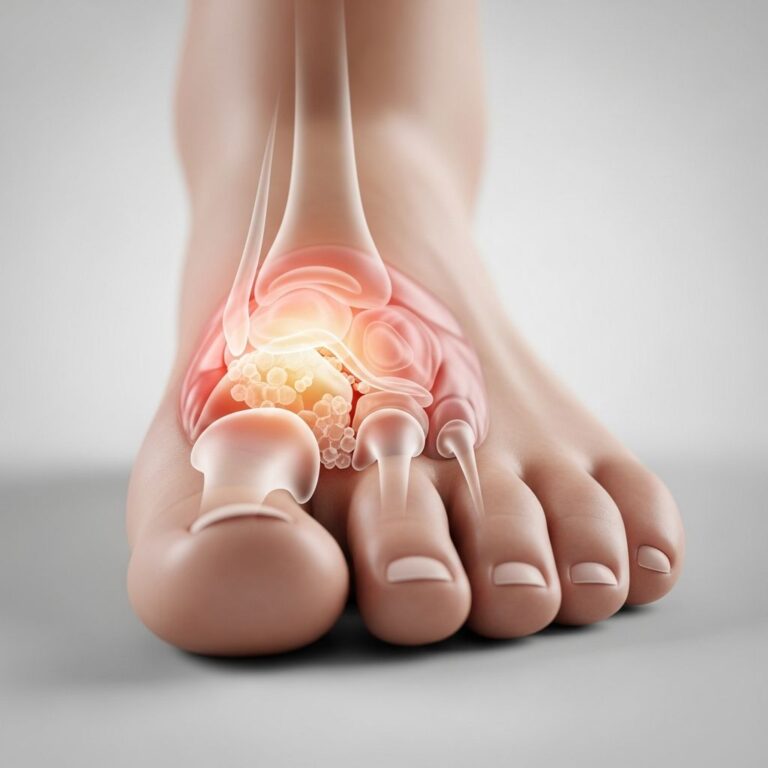
Shin Splints: Causes, Symptoms, Treatment & Prevention
Complete guide to understanding shin splints, their causes, and effective treatment strategies for athletes.
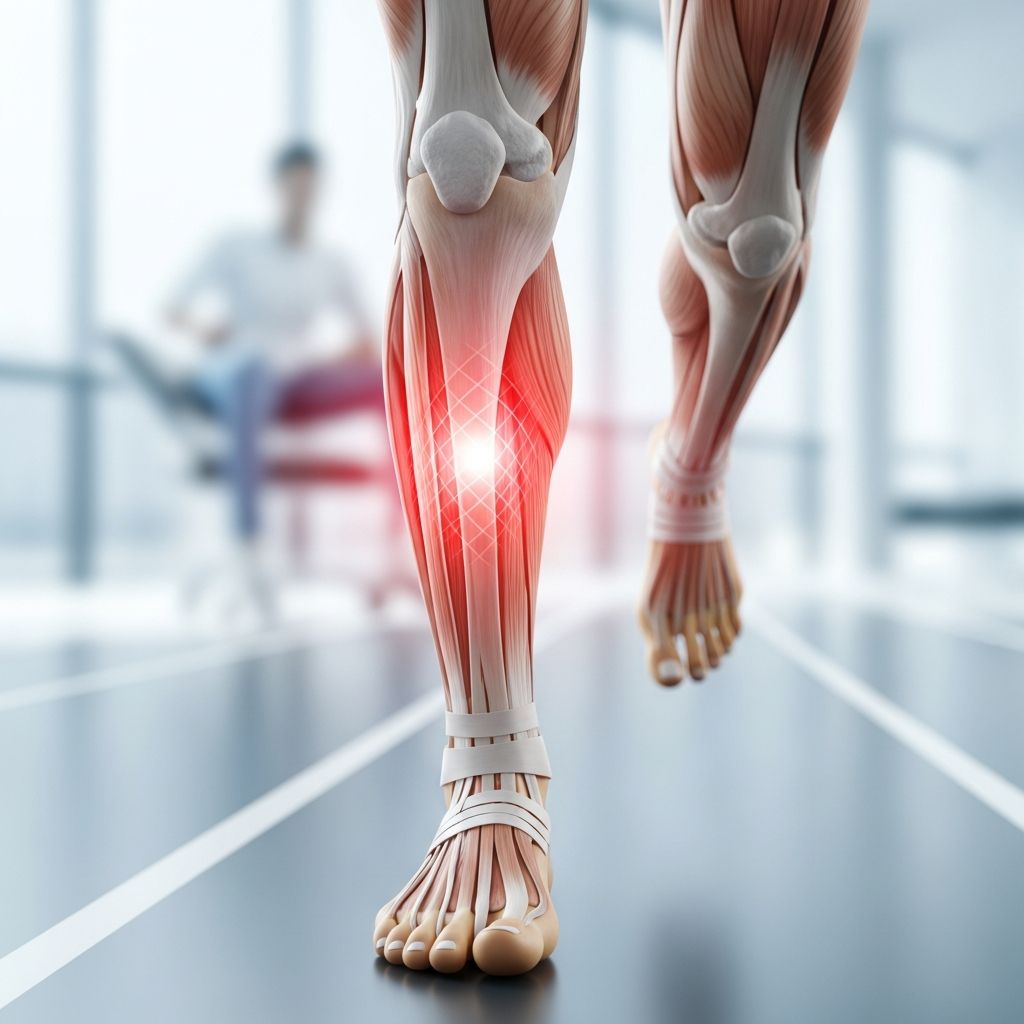
What Are Shin Splints?
Shin splints, medically known as medial tibial stress syndrome (MTSS), represent one of the most common overuse injuries affecting athletes and active individuals. This condition involves inflammation of the tissues surrounding the tibia, the large bone located in the front of your lower leg. When muscles, tendons, and bone tissue around your tibia become overworked, they cannot adequately handle the repeated stress placed upon them. This results in inflammation and pain that typically develops along the inner (medial) part of your shin, though some individuals experience discomfort on the front or outside of their lower leg.
The pain associated with shin splints usually begins as a dull ache and can progress to sharp, stabbing sensations if left untreated. Understanding this condition is essential for athletes who want to maintain their training regimen while minimizing injury risk.
Causes and Risk Factors
Shin splints develop due to a combination of factors that place excessive stress on the lower leg structures. Identifying these risk factors is crucial for both prevention and effective treatment.
Training-Related Causes
The most common cause of shin splints is doing too much, too soon. Rapidly increasing your mileage, intensity, or frequency of training puts excessive stress on your lower legs before your muscles and bones have adapted to increased demands. Running on hard surfaces like concrete or asphalt significantly increases your risk, as these surfaces provide minimal shock absorption, forcing your legs to absorb more impact.
Environmental factors also play a role in shin splint development. Track runners who train exclusively on synthetic surfaces may develop shin splints due to the repetitive nature of their training on consistent surfaces.
Biomechanical Issues
Poor running form contributes significantly to shin splint development. Overstriding, landing heavily on your heels, and excessive inward rolling of your feet create additional stress on the shin muscles. These movement patterns force your shin muscles to work harder to control leg motion throughout your running stride.
Structural foot variations also increase susceptibility to shin splints. Flat feet or high arches can alter your foot mechanics during running, changing how forces travel up your leg and placing additional strain on the tibial structures.
Additional Risk Factors
A variety of physiological factors can increase your susceptibility to shin splints:
– Muscular imbalances at the ankle- Overtight or weak triceps surae muscles (calf muscles)- Imbalances at the thoracolumbar complex- Body mass index (BMI) above 30- Vitamin D deficiency- Osteoporosis- Poor footwear choices
Proper footwear selection plays a critical role in shin splint prevention. Choosing running shoes appropriate for your foot type and running style, obtained through a professional gait analysis at a specialty running store, can significantly reduce your injury risk. Additionally, regularly replacing worn-out shoes before they lose their protective qualities and rotating between two pairs of running shoes may help reduce injury susceptibility.
Symptoms and Diagnosis
Recognizing Shin Splint Symptoms
Related Stories



Shin splint pain presents in various ways depending on the specific cause and location of the injury. Lower medial tibial pain may be caused by periostitis (inflammation of the periosteum), while upper lateral tibial pain may result from raised compartment pressure. Common symptoms include:
– Pain along the inner (medial) side of your tibia- Pain on the front of your lower leg- Pain on the outside of your lower leg- Dull aching sensation that may progress to sharp pain- Pain that worsens with running or high-impact activities- Discomfort that may persist during rest in severe cases
Professional Diagnosis
Medical professionals typically diagnose shin splints through medical history and physical examination. Your healthcare provider will review your training history, ask about your symptoms, and perform a thorough physical assessment of your leg and foot mechanics.
In some cases, additional imaging studies may be necessary. X-rays, magnetic resonance imaging (MRI), or bone scans can help detect potential complications such as stress fractures or other underlying conditions causing your pain. For long-term situations, plain radiographs and non-contrast CT scans can reveal focal increased cortical thickening or exostosis.
Treatment Options
Conservative Treatment Approaches
The main objectives of shin splint treatment are to relieve pain and enable the patient to return to normal activities without discomfort. Most shin splints respond well to conservative (non-surgical) treatment when implemented properly.
Rest and Activity Modification
Rest remains one of the most fundamental components of shin splint treatment. Taking time off from high-impact activities allows your tissues to heal and reduces inflammation. This doesn’t necessarily mean complete cessation of all physical activity; rather, it involves avoiding activities that exacerbate your pain.
Anti-inflammatory Medication
Nonsteroidal anti-inflammatory drugs (NSAIDs), such as aspirin, ibuprofen, or naproxen, can help manage pain and reduce swelling associated with shin splints. However, these medications can have side effects, including increased risk of bleeding and ulcers, so they should be used as directed by your healthcare provider.
Ice Therapy
Applying ice to the affected area can reduce inflammation and provide pain relief. Ice therapy is most effective when applied in the acute stages of injury and should be used for 15-20 minutes several times daily.
Supportive Insoles and Orthotics
Supportive insoles ensure that your feet and legs operate in proper alignment and aid in the treatment of shin splints. These devices help prevent problems that place excessive strain on the muscles that stabilize your ankles, allowing your shin splints to recover more effectively. Custom orthotics may help some runners with foot structure abnormalities by correcting excessive pronation or providing additional arch support.
Physical Therapy and Stretching
Physiotherapy and stretching exercises are frequently used both to prevent and treat medial tibial stress syndrome. Physical therapy is often beneficial for runners with recurrent shin splints, as therapists can address muscle imbalances, improve running form, and provide specific strengthening exercises. Flexibility exercises and compression bandages are among the interventions evaluated for their effectiveness in relieving shin splint symptoms.
Advanced Treatment Approaches
Gait Analysis
Gait analysis by a sports medicine specialist or physical therapist can identify biomechanical problems contributing to your injury. This evaluation helps guide treatment for runners and informs prevention strategies going forward.
Massage Therapy
Massage and myofascial release techniques may help reduce soreness and speed up recovery in shin splints.
Surgical Treatment
Surgery is only occasionally necessary for shin splints. In cases that are extremely severe and when nonsurgical treatment proves ineffective, surgery may be performed. The most successful surgical methods involve the deep posterior compartment, which includes a soleus sling and a strip of posteromedial tibia periosteum. However, the overall effectiveness of surgery remains unclear, and it should only be considered after exhaustive conservative treatment efforts.
Prevention Strategies
Preventing shin splints is significantly easier than treating them, making prevention strategies essential for athletes at all levels. To prevent shin splints, repetitive stress should be avoided, and awareness of risk factors should guide your training decisions.
Training Modifications
– Increase your mileage, intensity, or frequency gradually—no more than 10% per week- Avoid sudden changes in training routines- Incorporate variety in your training surfaces- Allow adequate recovery time between intense workouts- Cross-train with low-impact activities like swimming or cycling
Footwear and Equipment
– Choose running shoes appropriate for your foot type- Obtain a professional gait analysis at a specialty running store- Replace worn-out shoes regularly before they lose protective qualities- Consider rotating between two pairs of running shoes to allow full decompression
Physical Conditioning
– Perform regular stretching and flexibility exercises- Maintain strong calf and shin muscles through targeted strengthening- Address muscular imbalances through corrective exercises- Improve overall running form and technique
Lifestyle Factors
– Maintain a healthy body weight- Ensure adequate vitamin D intake- Stay hydrated during training- Allow proper recovery time between training sessions
Signs of Healing
You’ll know your shin splints are fully healed when:
– Your injured leg is as flexible as your other leg- Your injured leg feels as strong as your other leg- You can push hard on spots that used to be painful without discomfort- You can jog, sprint, and jump without pain
When to Seek Medical Attention
While many shin splints resolve with conservative treatment, certain situations warrant professional medical evaluation. Consult a healthcare provider or sports medicine specialist if:
– Pain persists despite rest and conservative treatment for several weeks- Pain interferes with daily activities or training goals- You suspect a stress fracture or other serious injury- Swelling becomes severe or accompanied by other concerning symptoms- You need guidance on returning to training safely
Frequently Asked Questions
Q: How long does it take to recover from shin splints?
A: Recovery time varies depending on severity and treatment adherence. Mild cases may resolve in 2-4 weeks with appropriate rest and conservative treatment, while more severe cases may require 6-12 weeks or longer.
Q: Can I continue running with shin splints?
A: It’s best to avoid running that exacerbates your pain. Cross-training with low-impact activities allows you to maintain fitness while your shin heals. Gradually return to running as pain resolves.
Q: Are shin splints preventable?
A: Yes, shin splints are both preventable and treatable through proper training progression, appropriate footwear, physical conditioning, and awareness of risk factors.
Q: What’s the difference between shin splints and a stress fracture?
A: Shin splints involve inflammation of tissues surrounding the tibia, while stress fractures involve actual breaks in the bone. Imaging studies like X-rays or MRI can help distinguish between these conditions.
Q: Do I need orthotics for shin splints?
A: Orthotics are not necessary for all runners with shin splints. They may help runners with specific foot structure abnormalities, but should only be prescribed after professional evaluation.
Q: Can shin splints return after healing?
A: Yes, shin splints can recur if you return to training too quickly or don’t address underlying biomechanical issues. Following proper prevention strategies significantly reduces recurrence risk.
References
- Shin Splint: A Review — National Center for Biotechnology Information (NCBI), National Institutes of Health. 2023. https://pmc.ncbi.nlm.nih.gov/articles/PMC9937638/
- Shin Splints in Runners: Causes, Prevention, and Best Treatments — Maryland Orthopedic Specialists. 2025. https://www.mdorthospecialists.com/2025/09/05/shin-splints-in-runners-causes-prevention-and-best-treatments/
- Shin Splints: Causes, Symptoms, and Treatment — WebMD. https://www.webmd.com/fitness-exercise/shin-splints
Similar Articles








Read full bio of medha deb