Shin Splints Symptoms: 3 Essential Signs, Causes And Treatments
Recognize shin splints symptoms early: pain, tenderness, and swelling along the shinbone from overuse in runners and athletes.
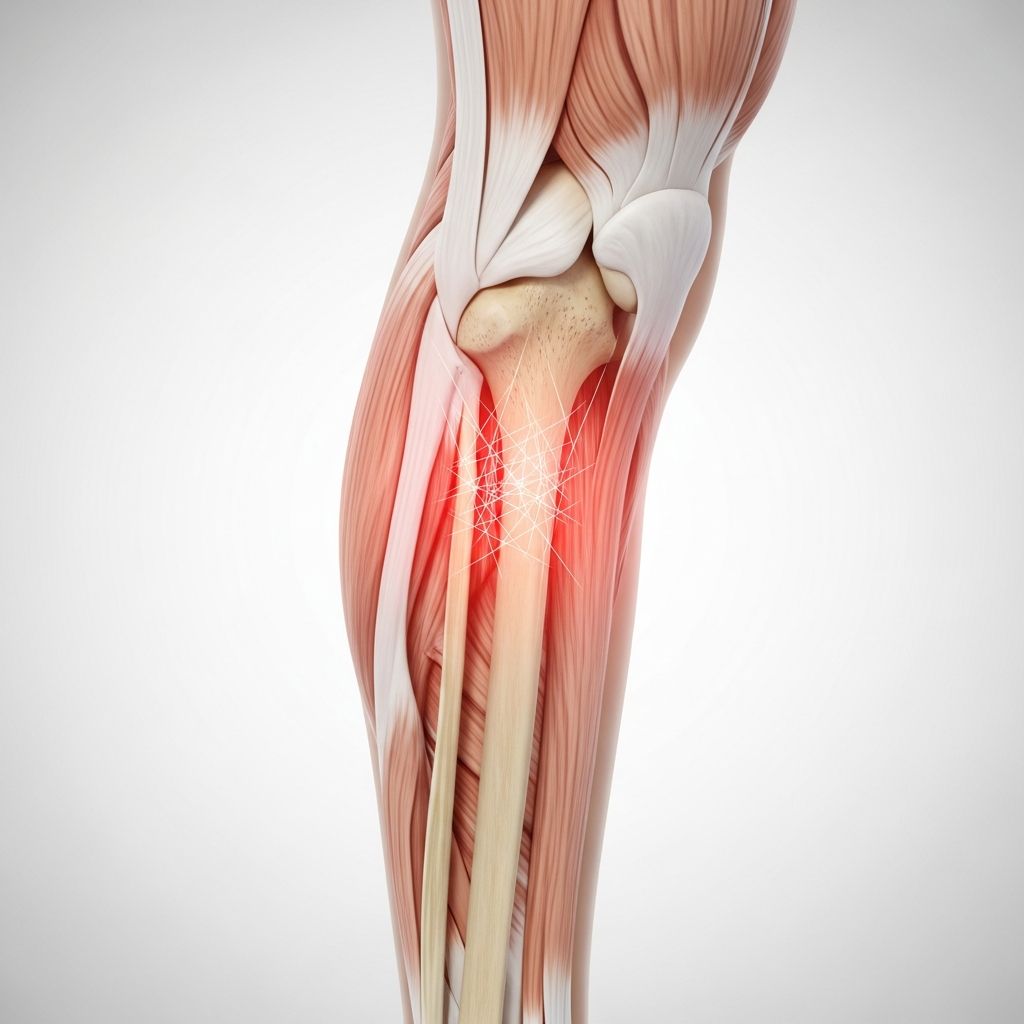
Shin splints, medically known as medial tibial stress syndrome (MTSS), refer to pain along the inner edge of the shinbone (tibia) caused by inflammation of muscles, tendons, and bone tissue. This common overuse injury affects runners, dancers, and athletes engaging in high-impact activities, with symptoms typically worsening with continued activity.
What Are Shin Splints?
Shin splints occur when repetitive stress irritates the muscles and tendons attaching to the tibia, leading to inflammation around the bone. Unlike a stress fracture, which involves a crack in the bone, shin splints primarily affect soft tissues but can progress if ignored. The condition is prevalent in individuals suddenly increasing exercise intensity, such as new runners or those returning to training.
There are two main types: medial tibial stress syndrome (MTSS), causing pain along the inner shin, and anterior tibial stress syndrome, affecting the front of the lower leg. MTSS is the most common, often linked to traction forces from calf and posterior tibialis muscles pulling on the bone’s periosteum.
Shin Splints Symptoms
The hallmark symptom of shin splints is pain along the border of the tibia, often described as dull, aching, throbbing, or sharp and razor-like. Pain typically develops during or after exercise, worsens with touching the area, and may improve with rest but recur upon resuming activity.
- Aches and pains felt anywhere along the shinbone from knee to ankle.
- Tenderness and soreness to touch, especially on the inner edge.
- Mild swelling or redness over the skin.
- Pain at the start of activity that may ease during exercise but intensifies afterward.
- In severe cases, pain at rest or with daily activities like walking.
Patients may notice pain during hopping or percussion on the posteromedial tibia border, with possible mild edema or subcutaneous thickening. Differentiating from stress fractures is key, as shin splint pain is diffuse rather than focal.
Shin Splints Causes and Risk Factors
Shin splints result from overuse, where repetitive impact strains shin muscles and bone attachments. Sudden increases in training volume, intensity, or frequency overload tissues unaccustomed to stress.
| Risk Factor | Description |
|---|---|
| Biomechanical Issues | Flat feet, high arches, excessive pronation, or leg length discrepancies. |
| Footwear | Worn-out or unsupportive shoes lacking cushioning or stability. |
| Training Errors | Running on hard/uneven surfaces, inadequate warm-up, or rapid mileage increases. |
| Muscle Imbalances | Weak hips, core, or tight calves. |
| High-Risk Groups | Runners, dancers, military recruits. |
These factors create microtrauma at muscle-bone interfaces, leading to inflammation. For instance, runners with poor form experience greater tibial stress.
How Are Shin Splints Diagnosed?
Diagnosis begins with a history of activity-related shin pain and physical exam revealing tenderness along the tibia. Doctors assess pain provocation via hopping or palpation. Imaging like X-rays rules out stress fractures, while MRI may show bone edema in advanced MTSS.
Related Stories



Chronic exertional compartment syndrome mimics symptoms but involves muscle compartment pressure buildup, diagnosed via pre/post-exercise pressure tests. Blood tests exclude infection or other causes.
Shin Splints Treatment
Most cases resolve with conservative measures: RICE protocol (Rest, Ice, Compression, Elevation). Rest from aggravating activities for 2-4 weeks allows healing.
- Ice: Apply 15-20 minutes several times daily to reduce inflammation.
- Compression: Use wraps to minimize swelling.
- Pain Relief: NSAIDs like ibuprofen for short-term use.
- Physical Therapy: Stretching, strengthening (calves, hips), and gait retraining.
- Orthotics: Custom inserts for biomechanical issues.
Gradual return to activity prevents recurrence. Severe cases may need immobilization or, rarely, surgery for compartment issues.
Shin Splints Prevention
Prevent shin splints by addressing risk factors proactively.
- Follow the 10% rule: Increase weekly mileage by no more than 10%.
- Wear proper, cushioned shoes; replace every 300-500 miles.
- Incorporate cross-training (swimming, cycling) to reduce impact.
- Strengthen lower body: Calf raises, hip abductions, core exercises.
- Warm up dynamically and stretch post-workout.
- Choose soft surfaces and monitor form.
Those with flat feet benefit from stability shoes or orthotics.
When to See a Doctor for Shin Splints
Seek medical help if pain persists >2 weeks despite rest, worsens at rest, or includes severe swelling, redness, or inability to bear weight—signs of stress fracture or compartment syndrome. Night pain or fever warrants urgent evaluation.
Frequently Asked Questions (FAQs)
What do shin splints feel like?
Shin splints feel like dull aches or sharp pain along the inner shinbone, tender to touch, worsening with activity.
How long do shin splints last?
With proper rest and treatment, shin splints resolve in 2-4 weeks; ignoring them prolongs recovery.
Can shin splints lead to stress fractures?
Yes, untreated shin splints increase stress fracture risk due to ongoing bone stress.
Are shin splints the same as compartment syndrome?
No; compartment syndrome involves dangerous muscle pressure, diagnosed via specific tests.
What’s the fastest way to heal shin splints?
RICE, rest from running, PT exercises, and proper footwear speed recovery.
This comprehensive guide empowers athletes to identify, treat, and prevent shin splints effectively. Early intervention minimizes downtime and supports long-term performance.
References
- Shin splints | Better Health Channel — Better Health Channel, Victoria Government. 2023. https://www.betterhealth.vic.gov.au/health/conditionsandtreatments/shin-splints
- Dr. Sean Duggan Discusses Shin Splints with First for Women — Confluent Health. 2023. https://confluenthealth.com/resources/dr-sean-duggan-discusses-shin-splints-with-first-for-women/
- Shin Splints – OrthoInfo – AAOS — American Academy of Orthopaedic Surgeons. 2023-10-17. https://orthoinfo.aaos.org/en/diseases–conditions/shin-splints/
- What are shin splints? Causes, treatment, and exercises to feel better — Hinge Health. 2024. https://www.hingehealth.com/resources/articles/shin-splints/
- Shin splints – symptoms, causes, treatment and diagnosis — healthdirect.gov.au. 2023. https://www.healthdirect.gov.au/shin-splints
- Shin Splints: Causes, Symptoms and Treatment — Balance Health. 2023. https://balancehealth.com/resources/shin-splints/bay-area-foot-care/
- Shin Splint: A Review — National Center for Biotechnology Information (PMC). 2023-02-23. https://pmc.ncbi.nlm.nih.gov/articles/PMC9937638/
Similar Articles








Read full bio of medha deb