Shingles Causes And Risk Factors: 8 Key Triggers To Watch
Understand what causes shingles and the key risk factors that increase your chances of developing this painful rash condition.
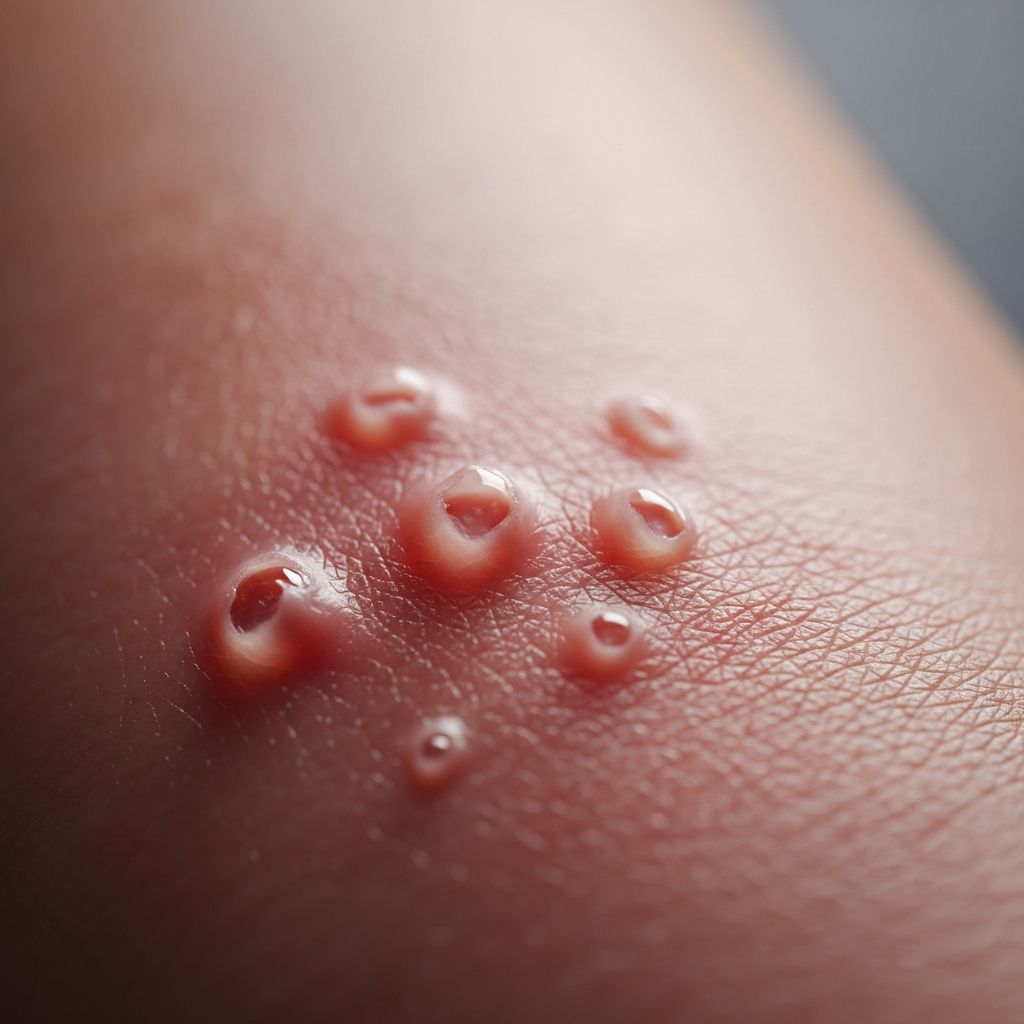
Shingles, medically known as herpes zoster, is a painful rash caused by the reactivation of the varicella-zoster virus (VZV), the same virus responsible for chickenpox. After recovering from chickenpox, the virus lies dormant in nerve tissues and can reactivate later in life, leading to shingles in about one in three people over their lifetime. This condition typically presents as a unilateral blistering rash with severe nerve pain, but understanding its causes and risk factors is crucial for prevention and early intervention.
What Causes Shingles?
The root cause of shingles is the varicella-zoster virus, which enters the body during a chickenpox infection, usually in childhood. Once the active chickenpox infection resolves, VZV retreats to the dorsal root ganglia of the spinal cord and cranial nerves, remaining latent indefinitely. Reactivation occurs when the immune system weakens, allowing the virus to travel along nerve pathways to the skin, producing the characteristic rash and pain.
Not everyone who has had chickenpox develops shingles; the exact trigger for reactivation is not fully understood but is linked to declining cell-mediated immunity over time. Unlike chickenpox, which spreads through respiratory droplets or contact, shingles transmission is limited: a person with active shingles can transmit VZV to those who never had chickenpox or the vaccine, causing chickenpox in them, but not directly shingles. According to the CDC, prior to widespread chickenpox vaccination, most U.S. adults carried the latent virus, setting the stage for potential shingles later.
Primary Risk Factor: Prior Chickenpox Infection
Having had chickenpox is the prerequisite for shingles, as only those infected with VZV harbor the latent virus. Before the chickenpox vaccine’s introduction in 1995, nearly all adults over 40 had natural immunity from childhood infection, making them susceptible. Today, vaccination reduces chickenpox incidence, potentially lowering future shingles rates, though breakthrough cases still occur. The Mayo Clinic notes that anyone with a history of chickenpox—or even subclinical infection—carries this risk.
Age as the Leading Risk Factor
Age is the most significant risk factor for shingles, with incidence rising sharply after age 50 and peaking in those over 60. The Cleveland Clinic reports that shingles affects about 1 in 3 unvaccinated people in their lifetime, with older adults facing higher severity and complications like postherpetic neuralgia (PHN). This age-related vulnerability stems from immunosenescence, the natural decline in T-cell immunity that controls VZV latency. Data shows risk doubles every decade after 50, with over 50% of cases in those over 60.
- Increased incidence: 1,000 per 100,000 in ages 50-59; up to 10 per 1,000 annually in those over 80.
- Severity: Older patients experience longer pain duration and higher PHN rates (10-18% in 60+, up to 30% in 80+).
Weakened Immune System
Conditions and treatments that suppress immunity substantially elevate shingles risk. Diseases like HIV/AIDS, cancer (especially hematologic malignancies), and organ transplants compromise T-cell function, allowing VZV reactivation. Chemotherapy, radiation, and immunosuppressive drugs (e.g., for rheumatoid arthritis or post-transplant) further heighten vulnerability by mimicking age-related immune decline.
The American Medical Association highlights that bone marrow or organ transplant recipients on immunosuppressants face elevated risks, as do those with autoimmune diseases on biologics. NIH studies confirm immunocompromised states as a key trigger, independent of age.
Related Stories



Medications That Increase Risk
Certain drugs directly impair immunity:
- Steroids: Long-term corticosteroids like prednisone suppress T-cells.
- Immunosuppressants: Used post-transplant or for autoimmune conditions (e.g., TNF inhibitors for Crohn’s or RA).
- Chemotherapy: Targets rapidly dividing cells, including immune cells.
These medications can trigger shingles even in younger patients, underscoring the need for vaccination prior to therapy.
History of Shingles or Family History
A prior bout of shingles increases recurrence risk by up to 82%, per NIH research, due to further immune strain on affected nerves. Family history also plays a role: those with first-degree relatives who had shingles face 1.87 times higher odds, rising to 3.08 with multiple relatives, suggesting genetic factors in immune response to VZV. This dose-response relationship highlights heritability, though environment interacts with genetics.
Stress and Psychological Factors
Physical and emotional stress weakens immunity via cortisol elevation, promoting VZV reactivation. NIH case-control studies found stress associated with 2.8 times higher odds (aOR=2.80), alongside depression (aOR=3.81) and sleep disturbances (aOR=2.52). AMA experts note stress from illness, injury, or trauma as common triggers, particularly in older adults. Managing stress through lifestyle may mitigate risk.
Recent Physical Trauma, Especially Head Trauma
Head trauma correlates with higher shingles risk in older adults, possibly due to localized immune disruption or nervous system stress. NCOA reports falls—the top cause of elder head trauma—link to elevated odds. AMA physicians observe this pattern, though causation remains correlative. Preventive fall measures could indirectly reduce shingles incidence.
Other Potential Risk Factors
Emerging data explores additional links:
| Risk Factor | Association Strength | Source |
|---|---|---|
| Recent weight loss | aOR=1.95 | NIH |
| Smoking/Secondhand smoke | Not significant | NIH |
| Pesticide exposure | Not associated | NIH |
| Tonsillectomy/Trauma | No link | NIH |
While family history and stress hold strong evidence, factors like smoking or diet lack consistent ties. Ongoing research probes genetics and epidemiology amid rising U.S. rates.
Prevention: Vaccination is Key
The Shingrix vaccine, recommended by CDC for ages 50+, is over 90% effective against shingles and PHN, even in immunocompromised adults. Two doses reduce reactivation risk dramatically. Early vaccination, especially before immunosuppression, is advised. Lifestyle measures—stress reduction, healthy immunity support—complement protection.
Frequently Asked Questions (FAQs)
Who is most at risk for shingles?
Adults over 50, especially 60+, those with weakened immunity from disease or drugs, and individuals with family history or prior shingles.
Can stress really cause shingles?
Stress doesn’t directly cause it but significantly raises risk by suppressing immunity, with studies showing 2-3x higher odds.
Does having shingles once mean I’ll get it again?
Yes, recurrence risk is about 1.8-5%, higher with immune compromise; vaccination lowers this.
Is shingles contagious?
Shingles itself isn’t, but the rash can transmit chickenpox virus to non-immune people via direct contact.
How effective is the shingles vaccine?
Shingrix is 90-97% effective in preventing shingles and complications across age groups.
References
- Shingles: Symptoms, Risks, and Why the Vaccine Matters — National Council on Aging. 2023-10-15. https://www.ncoa.org/article/what-is-shingles-and-how-long-can-it-last/
- Risk Factors for Herpes Zoster Among Adults — National Institutes of Health (PMC). 2016-06-01. https://pmc.ncbi.nlm.nih.gov/articles/PMC4929487/
- Shingles – Symptoms & Causes — Mayo Clinic. 2024-05-22. https://www.mayoclinic.org/diseases-conditions/shingles/symptoms-causes/syc-20353054
- What Doctors Wish Patients Knew About Shingles Virus — American Medical Association. 2023-08-10. https://www.ama-assn.org/public-health/prevention-wellness/what-doctors-wish-patients-knew-about-shingles-virus
- Shingles (Herpes Zoster): Causes, Symptoms & Treatment — Cleveland Clinic. 2024-02-14. https://my.clevelandclinic.org/health/diseases/11036-shingles
Similar Articles








Read full bio of Sneha Tete