Shingles Diagnosis: 5 Tests To Confirm Herpes Zoster
Learn how shingles is diagnosed, from symptoms and tests to when to seek medical help for timely treatment.
Shingles, medically known as herpes zoster, is a painful rash caused by reactivation of the varicella-zoster virus (VZV), the same virus responsible for chickenpox. Affecting up to 1 million Americans annually, accurate and timely diagnosis is crucial to initiate antiviral therapy within 72 hours of rash onset, reducing severity and complications like postherpetic neuralgia (PHN). This guide covers the diagnostic process, from initial symptoms to confirmatory tests, empowering patients and healthcare providers alike.
What Are the Symptoms of Shingles?
Shingles typically begins with prodromal symptoms—pain, tingling, or burning in a specific dermatome (skin area supplied by one spinal nerve)—days before the rash appears. This unilateral pain can mimic other conditions like heart attack or kidney stones, complicating early recognition.
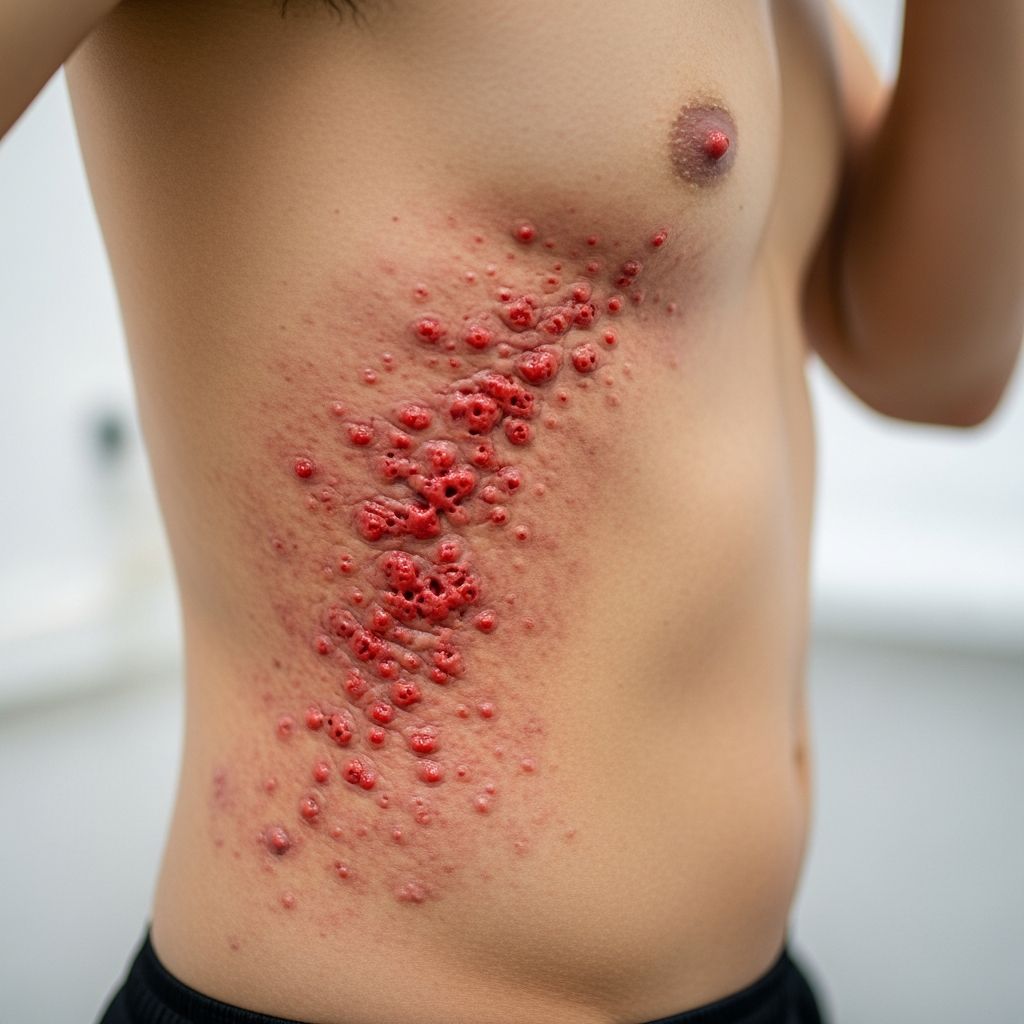
The hallmark is a vesicular rash following a dermatomal pattern, most commonly on the torso (T3-L3 dermatomes), but it can affect the face (trigeminal nerve, risking eye involvement), neck, or limbs. The rash evolves from red macules to grouped vesicles on an erythematous base, crusting over 7-10 days. Additional symptoms include:
- Fever and fatigue
- Headache
- Sensitive skin (hyperesthesia)
- Lymphadenopathy
In immunocompromised individuals, shingles may present atypically as disseminated lesions or zoster sine herpete (pain without rash), affecting 20-30% of cases per CDC data.
When to See a Doctor for Suspected Shingles
Seek immediate medical attention if the rash involves the eye (herpes zoster ophthalmicus, occurring in 10-20% of cases), ear (Ramsay Hunt syndrome), or if you’re immunocompromised. Early evaluation is vital: antivirals like acyclovir, valacyclovir, or famciclovir are most effective within 72 hours. Contact your doctor promptly upon noticing unilateral pain followed by rash, especially if over 50 or with risk factors like HIV or chemotherapy.
Physical Exam for Shingles Diagnosis
Diagnosis is primarily clinical, relying on history and exam. Providers assess:
- Dermatomal distribution: Unilateral rash respecting midline
- Rash morphology: Vesicles on erythematous base, evolving to pustules/crusts
- Pain quality: Neuropathic (burning, shooting)
- Associated signs: Hutchinson’s sign (tip of nose) indicates ocular involvement
In ambiguous cases (e.g., zosteriform herpes simplex), further testing is warranted.
Lab Tests to Confirm Shingles
When clinical diagnosis is uncertain—such as in early stages, atypical presentations, or immunocompromised patients—lab confirmation is essential. Polymerase chain reaction (PCR) is the gold standard, detecting VZV DNA from vesicle fluid with >95% sensitivity/specificity.
| Test | Description | Sensitivity/Specificity | Best Use Case |
|---|---|---|---|
| PCR (gold standard) | Detects VZV DNA in lesion fluid/swab | >95% / >95% | Confirmation, immunocompromised pts |
| Tzanck smear | Microscopy shows multinucleated giant cells | 60-70% / Variable | Rapid bedside test |
| Viral culture | Grows VZV from lesion | Low (<30%) | Historical, rarely used |
| Direct fluorescent antibody (DFA) | Antigen detection in lesion scrapings | 88% / 98% | Quick results |
| Serology (IgM/IgG) | Antibody detection in blood | Low for acute diagnosis | Epidemiologic, not acute |
PCR from lesion swabs yields results in hours, guiding therapy per IDSA guidelines.
Imaging and Other Tests for Shingles Complications
While not routine for diagnosis, imaging evaluates complications:
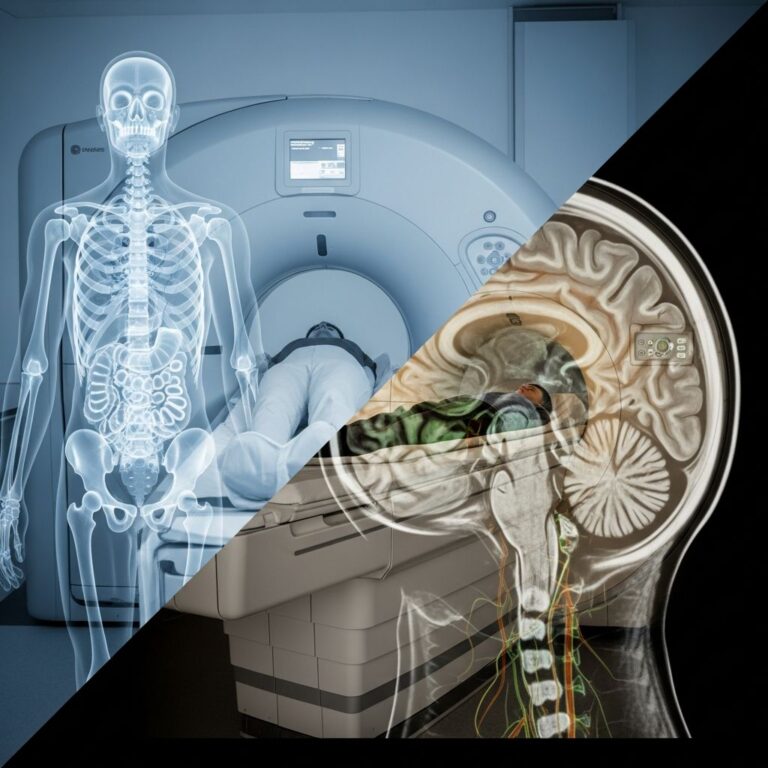
- MRI: For motor paresis (segmental zoster paresis, 3-5% of cases) or encephalitis
- Ophthalmologic exam: Slit-lamp for ocular zoster
- Audiometry: For Ramsay Hunt syndrome
- CSF analysis: In suspected VZV meningitis/encephalitis (PCR on CSF)
Disseminated zoster in immunocompromised patients may require chest X-ray or CT to rule out visceral involvement.
Differential Diagnosis of Shingles
Shingles rash can resemble:
- Contact dermatitis
- Herpes simplex (often bilateral)
- Impetigo/bullous pemphigoid
- Zosteriform metastasis
- Pyoderma gangrenosum
Key differentiators: dermatomal distribution, neuropathic pain, and VZV confirmation distinguish true zoster.
Related Stories



Shingles Diagnosis in Special Populations
Immunocompromised Patients
HIV, transplant recipients, or chemotherapy patients experience higher incidence (10x risk) and dissemination (20-50% of visceral zoster). PCR is critical; threshold for testing is lower.
Pregnancy
Rare but serious: disseminated maternal zoster risks congenital VZV syndrome in fetus. Consult ID specialist; PCR guides IV acyclovir.
Children
Exogenous reinfection or vaccine-strain zoster post-varicella vaccine. Milder course but PCR differentiates wild-type vs. vaccine VZV.
Vaccine-Prevented Shingles
Shingrix (recombinant zoster vaccine) reduces risk by 97% in adults 50+. Breakthrough zoster is milder, PCR-positive.
Treatment After Shingles Diagnosis
Confirmed diagnosis prompts:
- Antivirals: Valacyclovir 1g TID x7 days (preferred)
- Pain management: Gabapentinoids, lidocaine patches, opioids
- Corticosteroids: For severe acute pain (controversial)
- Eye care: Ophthalmologist referral
PHN prophylaxis under study; early antivirals reduce risk by 50%.
Prevention Following Diagnosis
Post-diagnosis, recommend Shingrix vaccination 6-12 months later for future episodes (possible in 1-6%). Household contacts over 50 should vaccinate. Isolation until crusting prevents VZV transmission to susceptibles.
Frequently Asked Questions (FAQs)
Can a doctor diagnose shingles without a rash?
Yes, zoster sine herpete presents with dermatomal pain sans rash. PCR from blister fluid if vesicles develop, or empirical antivirals if high suspicion.
How long does it take to get shingles test results?
PCR: 1-2 days; Tzanck/DFA: same-day. Culture: 1-3 weeks (obsolete).
Is shingles contagious before diagnosis?
VZV spreads via vesicle fluid to chickenpox-naive contacts. Cover lesions; diagnosis doesn’t alter transmission precautions.
Does shingles diagnosis require blood tests?
Rarely for acute diagnosis; serology confirms immunity but not active infection.
What if shingles test is negative?
Consider alternative diagnoses; repeat PCR or biopsy if persistent.
This comprehensive overview ensures timely shingles recognition and management, minimizing pain and complications. Consult healthcare providers for personalized advice.
References
- Clinical Overview of Herpes Zoster (Shingles) — Centers for Disease Control and Prevention (CDC). 2024-08-15. https://www.cdc.gov/shingles/hcp/clinical-overview.html
- Herpes Zoster Clinical Practice Guidelines — Infectious Diseases Society of America (IDSA). 2023-01-12. https://www.idsociety.org/practice-guideline/herpes-zoster/
- Shingles (Herpes Zoster) — Mayo Clinic. 2025-06-20. https://www.mayoclinic.org/diseases-conditions/shingles/diagnosis-treatment/drc-20353060
- Varicella Zoster Virus Laboratory Testing — National Institute of Allergy and Infectious Diseases (NIAID). 2024-03-10. https://www.niaid.nih.gov/diseases-conditions/varicella-zoster-virus
- Recombinant Zoster Vaccine (Shingrix) Efficacy and Safety — Advisory Committee on Immunization Practices (ACIP), CDC. 2024-11-05. https://www.cdc.gov/mmwr/volumes/73/rr/rr7304a1.htm
Similar Articles








Read full bio of Sneha Tete