Shingles and Eye Health: Understanding Ocular Complications
Learn how shingles affects vision and eye health with expert guidance
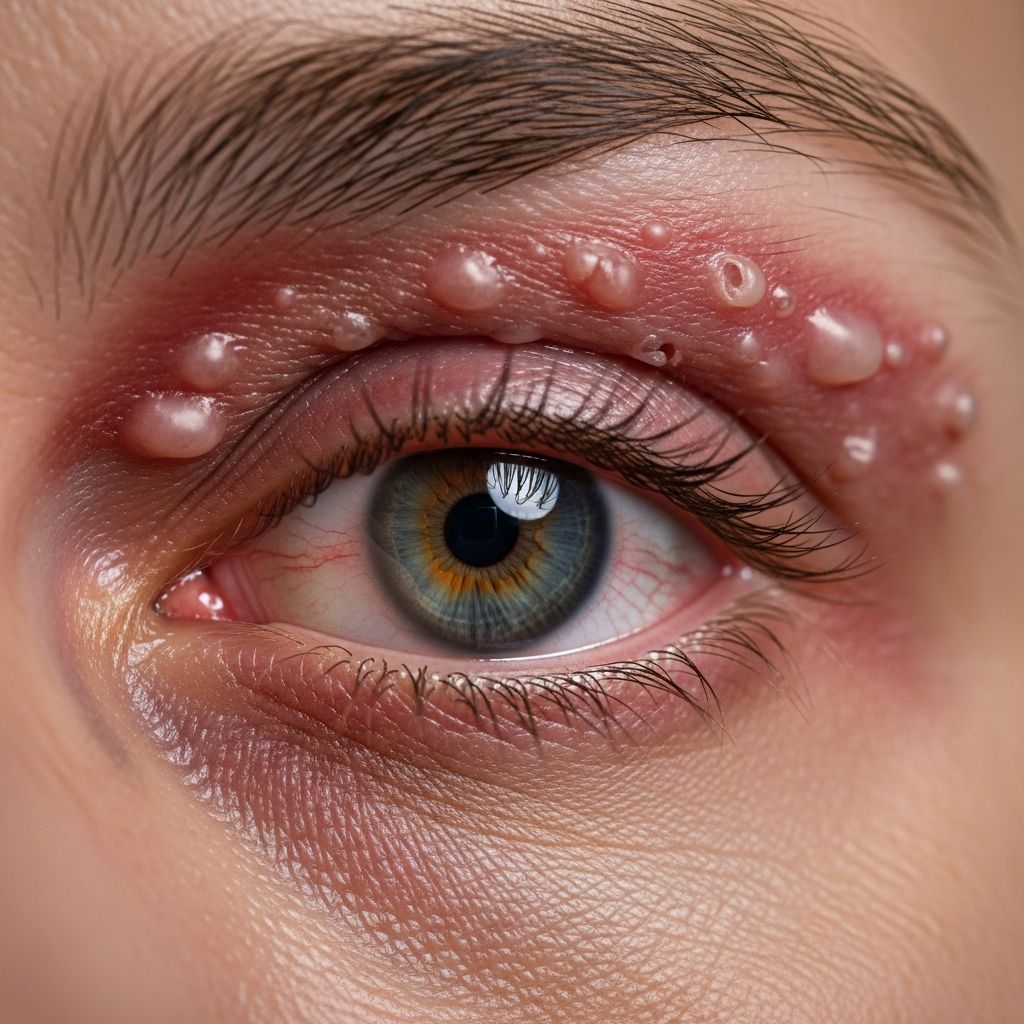
What Is Shingles and Its Connection to Vision
Shingles, medically known as herpes zoster, is a viral infection that develops from the reactivation of the varicella-zoster virus (VZV), the same pathogen responsible for chickenpox. After a person recovers from chickenpox, the virus remains dormant within nerve tissue, potentially reactivating years or decades later to cause shingles. When the virus reactivates along the ophthalmic division of the trigeminal nerve—the pathway that supplies sensation to the eyes and surrounding facial structures—it can lead to significant ocular manifestations and complications affecting vision.
The relationship between shingles and eye health is particularly important because the facial region, including the eyes, represents one of the most common sites for shingles outbreak. The virus travels along specific nerve pathways called dermatomes, and when it affects the trigeminal nerve’s ophthalmic branch, the resulting condition is termed herpes zoster ophthalmicus (HZO). This particular manifestation can pose serious risks to visual function and requires prompt medical attention to prevent long-term complications.
Understanding the Disease Process and Risk Factors
The development of shingles follows a predictable biological pattern. Anyone who has experienced chickenpox is at risk for developing shingles, though the condition most commonly affects adults over 50 years of age. The reactivation of the virus is not fully understood, but several factors increase the likelihood of shingles manifestation:
- Advanced age, particularly individuals over 60 years old
- Immunosuppression from medical conditions or treatments
- Significant physical or emotional stress
- Recent illness or infections that temporarily weaken immune response
- Exposure to radiotherapy or chemotherapy
- Trauma to the affected area
- Certain medications that suppress immune function
The incidence of shingles increases substantially with age, with approximately half of all cases occurring in individuals older than 60 years. For those whose immune systems are compromised—whether through age-related decline, medical conditions like HIV/AIDS, or immunosuppressive medications—the risk escalates significantly. Understanding these risk factors is crucial for eye health professionals and patients to identify individuals who may benefit from preventive vaccination or heightened clinical vigilance.
Recognizing Symptoms and Progression
Shingles typically presents with characteristic symptoms that follow a predictable progression. The main symptom is a painful rash that appears on one side of the body, often as a single stripe of blisters. Before the rash becomes visible, patients frequently experience prodromal symptoms that can be mistaken for other serious conditions. These warning signs include pain, tingling, burning sensations, and numbness along the distribution of the affected nerve.
In cases affecting ocular structures, symptoms may include:
- Pain or burning in the eye and surrounding tissues
- Light sensitivity (photophobia)
- Redness and inflammation
- Blurred vision or visual disturbances
- Skin lesions on the eyelid, forehead, or nose
- Conjunctivitis or corneal involvement
- Anterior uveitis (inflammation inside the eye)
The rash progresses through distinct stages over approximately 7 to 10 days, beginning as red macules and papules that evolve into fluid-filled vesicles, then pustules, and eventually crusts. Complete healing may require more than four weeks, and during this period, ocular complications can develop or worsen. The presence of prodromal pain can lead to misdiagnosis, as the symptoms may initially resemble other conditions such as myocardial infarction, biliary colic, or even glaucoma.
Related Stories



Eye Complications Associated with Shingles
When shingles affects the eye region, various ocular complications can emerge, ranging from minor discomfort to vision-threatening conditions. The most common eye-related complications include:
| Complication | Description | Potential Impact |
|---|---|---|
| Herpes Zoster Ophthalmicus (HZO) | Involvement of the ophthalmic division of the trigeminal nerve affecting eye and surrounding structures | Can cause significant visual disturbance and multiple secondary complications |
| Postherpetic Neuralgia (PHN) | Persistent pain continuing more than three months after the rash heals | Debilitating chronic pain affecting quality of life and mental health |
| Anterior Uveitis | Inflammation of the iris and anterior chamber of the eye | Risk of vision loss if untreated |
| Corneal Scarring | Permanent damage to the corneal surface | Can result in chronic pain and vision reduction |
| Acute Retinal Necrosis | Viral infection affecting the retina | Potentially serious, requires aggressive treatment to preserve vision |
Postherpetic neuralgia represents one of the most debilitating long-term consequences of shingles. Defined as pain persisting more than three months after the rash has healed, PHN is a difficult-to-manage condition that can significantly impact quality of life. The incidence of PHN increases substantially with age, making elderly patients particularly vulnerable to this complication. Early recognition and treatment of acute shingles can reduce the risk of developing PHN.
Diagnostic Approaches for Ocular Shingles
Diagnosis of shingles affecting the eye typically relies on clinical assessment combined with supportive testing when necessary. Herpes zoster is usually diagnosed clinically based on prodromal pain, characteristic rash appearance, and distinctive distribution. However, healthcare providers must differentiate shingles from other conditions that may present similarly.
The diagnostic process includes:
- Detailed patient history including recent chickenpox exposure and previous episodes
- Visual examination of the rash distribution and characteristic appearance
- Assessment of pain patterns and nerve distribution
- Eye examination to detect ocular involvement or complications
- PCR testing or viral culture of blister fluid when clinical diagnosis is uncertain
- Assessment for vision changes or reduced visual acuity
Conditions that may mimic shingles and must be ruled out include herpes simplex virus infection, impetigo, candidiasis, contact dermatitis, insect bites, autoimmune blistering diseases, and drug eruptions. The distinctive unilateral dermatomal distribution of the rash typically facilitates accurate diagnosis, but atypical presentations or cases involving the eye region may require confirmatory testing.
Treatment Strategies for Ocular Shingles
Effective management of shingles affecting the eye region requires a multifaceted approach designed to control acute symptoms, prevent complications, and reduce the risk of long-term sequelae such as postherpetic neuralgia.
Antiviral Therapy
The primary treatment for shingles involves antiviral medications such as acyclovir, valacyclovir, or famciclovir. These medications work by inhibiting viral replication and are most effective when initiated early in the disease course. Antiviral medications are most effective if started within 72 hours of the rash appearing. When initiated promptly, antivirals can:
- Reduce the severity and duration of the acute illness
- Decrease the risk of serious complications
- Lower the probability of developing postherpetic neuralgia
- Minimize ocular tissue damage
Although the 72-hour window represents the ideal treatment initiation period, evidence suggests that antiviral treatment should still be considered even in patients presenting more than 72 hours after rash onset, particularly when new vesicle formation or complications are present.
Pain Management
Acute pain associated with shingles requires targeted management beyond antiviral therapy alone. Treatment options include:
- Over-the-counter pain relievers such as ibuprofen or acetaminophen (paracetamol)
- Topical treatments including calamine lotion or cool compresses to soothe affected skin
- Prescription-strength pain medications for severe cases
- Nerve pain medications (neuropathic agents) when pain follows a specific nerve distribution
- Opioid medications when other analgesics prove insufficient
Nonsteroidal anti-inflammatory drugs are often ineffective for shingles pain, necessitating alternative approaches. For ocular shingles specifically, careful pain management is essential to prevent patients from avoiding eye care due to discomfort, which could delay recognition of serious complications.
Supportive and Topical Care
Beyond systemic treatment, local care of affected tissues is important:
- Maintaining proper hygiene and keeping the rash clean and dry to prevent secondary bacterial infections
- Using cool compresses to provide symptomatic relief and reduce inflammation
- Applying protective dressings when necessary to prevent contamination
- Avoiding irritating substances that may aggravate the rash or eye inflammation
For ocular involvement, eye drops may be prescribed to manage inflammation and infection, and protective measures such as sunglasses may help with light sensitivity.
Prevention Through Vaccination
A safe and effective vaccine is available to prevent shingles and its complications. Vaccination represents a crucial preventive strategy, particularly for individuals at increased risk for serious complications. The shingles vaccine significantly reduces the likelihood of developing shingles and, in cases where breakthrough infection occurs, substantially decreases the severity and duration of illness.
Vaccination is particularly important for individuals who:
- Are age 50 or older
- Have weakened immune systems
- Have a personal or family history of shingles
- Are concerned about ocular complications
- Work in high-stress environments
Vaccination not only reduces personal risk but may also prevent transmission to susceptible individuals who have never had chickenpox, as unvaccinated shingles patients can transmit the varicella-zoster virus to non-immune contacts, causing chickenpox in those individuals.
Managing Postherpetic Neuralgia and Long-Term Effects
For patients who develop postherpetic neuralgia or other chronic complications, long-term management strategies become necessary. Treatment approaches may include:
- Topical agents such as lidocaine patches or capsaicin cream applied directly to affected areas
- Anticonvulsant medications that modulate nerve activity
- Tricyclic antidepressants that provide pain relief independent of mood effects
- Nerve blocks or other interventional pain management procedures
- Physical therapy and rehabilitation when appropriate
- Psychological support to address the emotional impact of chronic pain
The burden of postherpetic neuralgia extends beyond physical symptoms, often affecting psychological wellbeing, sleep quality, and overall quality of life. Comprehensive management addressing both physical and psychological aspects yields better outcomes.
When to Seek Professional Eye Care
Immediate professional evaluation is warranted when:
- Shingles rash appears on or near the eye or eyelid
- Vision changes or blurring occurs
- Severe eye pain develops
- Light sensitivity worsens significantly
- Redness or discharge from the eye increases
- Symptoms do not improve within several days of starting treatment
Early intervention by an eye care professional can identify complications such as anterior uveitis, corneal involvement, or retinal disease that require specialized treatment to preserve vision.
Frequently Asked Questions
Can shingles cause permanent vision loss?
While most cases of ocular shingles resolve without permanent vision loss, serious complications such as corneal scarring, acute retinal necrosis, or chronic anterior uveitis can potentially lead to vision impairment if not promptly and appropriately treated.
Is shingles contagious to others?
Shingles is not contagious, but the virus can be spread to someone who has never had chickenpox, causing chickenpox. Therefore, individuals with active shingles should avoid contact with infants, pregnant women, and immunocompromised individuals who have not had chickenpox.
How long does it take for shingles affecting the eye to heal?
The acute rash typically heals within two to four weeks, but complications such as postherpetic neuralgia or chronic eye inflammation may persist longer, requiring extended treatment and management.
Who should receive the shingles vaccine?
Adults age 50 and older are generally recommended to receive the shingles vaccine, as well as younger individuals with specific risk factors such as immunosuppression or previous shingles episodes. Consultation with a healthcare provider can determine individual vaccination recommendations.
Can shingles recur after vaccination?
While the vaccine significantly reduces the risk of recurrence, breakthrough infections can occur, typically with milder symptoms than would occur in unvaccinated individuals.
References
- Shingles (Herpes Zoster) — World Health Organization (WHO). 2024. https://www.who.int/news-room/fact-sheets/detail/shingles-(herpes-zoster)
- Herpes Zoster (Shingles) and Postherpetic Neuralgia — National Institutes of Health, National Center for Biotechnology Information. https://pmc.ncbi.nlm.nih.gov/articles/PMC2664599/
- About Shingles (Herpes Zoster) — Centers for Disease Control and Prevention (CDC). https://www.cdc.gov/shingles/about/index.html
- Shingles: Treatments, Symptoms and Causes — Healthdirect Australia. https://www.healthdirect.gov.au/shingles
- Shingles – Symptoms & Causes — Mayo Clinic. https://www.mayoclinic.org/diseases-conditions/shingles/symptoms-causes/syc-20353054
Similar Articles








Read full bio of medha deb