Shingles: Symptoms, Treatment, Prevention, And Vaccine Guide
Understand shingles symptoms, causes, treatment, prevention, and complications from this painful rash caused by the chickenpox virus reactivation.
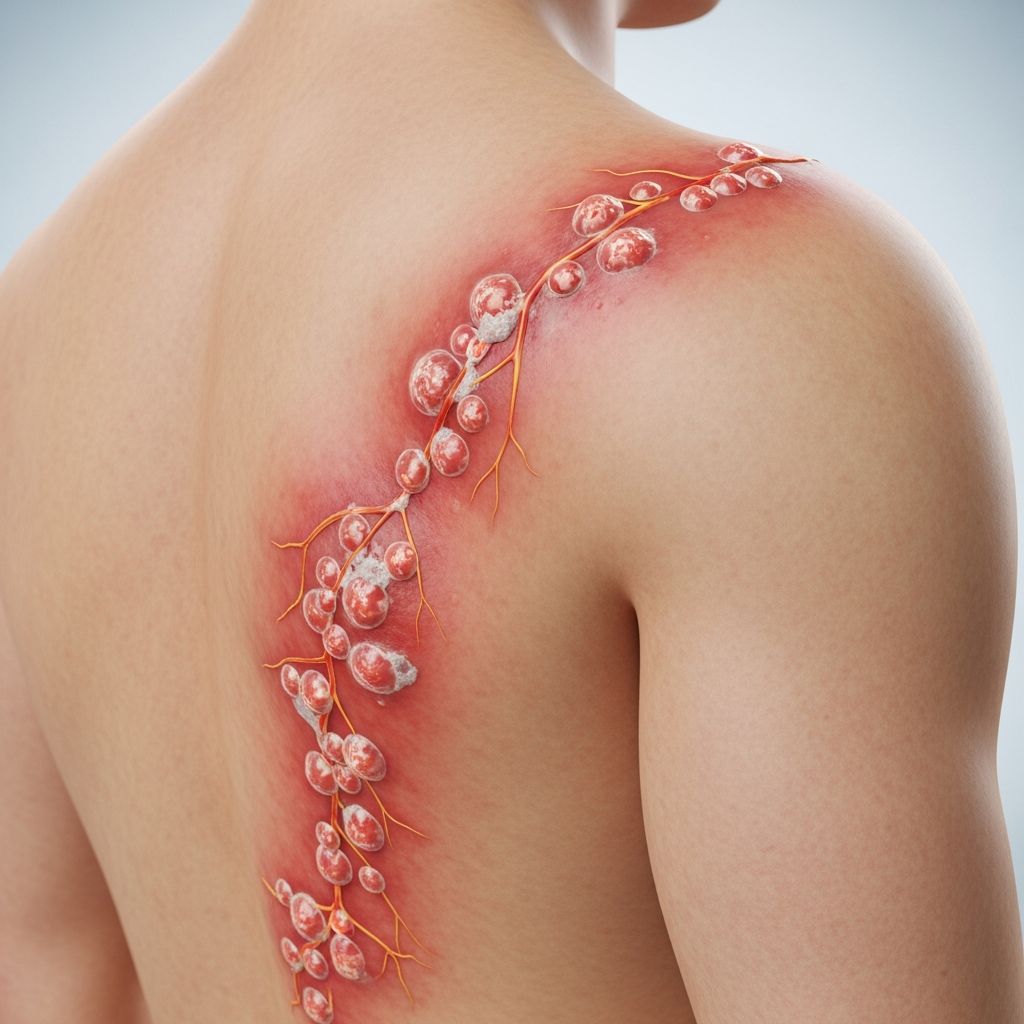
Shingles, medically known as herpes zoster, is a viral infection that causes a painful rash. It results from the reactivation of the varicella-zoster virus, the same virus responsible for chickenpox. After an initial chickenpox infection, the virus remains dormant in the body’s nerve tissues and can reactivate later in life, leading to shingles. This condition most commonly affects people over the age of 50, though it can occur in younger individuals with weakened immune systems.
What Is Shingles?
Shingles typically presents as a band-like rash on one side of the body, often wrapping around the torso, chest, or face. The rash is accompanied by intense pain, burning, or stinging sensations. Unlike chickenpox, which spreads widely, shingles rash is dermatomal, meaning it follows the path of a specific nerve. The disease is not usually life-threatening in healthy adults but can lead to significant discomfort and complications, particularly in older individuals or those with compromised immunity.
The incubation period for reactivation isn’t fixed, as the virus lies dormant for years or decades. Triggers include aging, stress, illness, or immunosuppression. Globally, about one in three people will develop shingles in their lifetime, with higher incidence in populations without prior vaccination against chickenpox.
Symptoms of Shingles
Shingles symptoms often begin with prodromal signs before the rash appears. Individuals may feel fatigued, have a mild fever, headache, or sensitivity to light. Tingling, itching, or burning pain in a specific area signals the impending rash, typically 1-5 days prior.
The hallmark symptom is the rash, which starts as red patches, progresses to clusters of fluid-filled blisters, and eventually crusts over. Key characteristics include:
- Pain intensity: Ranges from moderate to severe, described as burning, stabbing, or electric shock-like.
- Location: Usually unilateral (one side), forming a band; common sites are torso, but can affect face, eyes, ears, or limbs.
- Duration: Rash evolves over 5 days to blisters, dries in 2-10 days, with full healing in 2-4 weeks.
- Other signs: Itching, hypersensitivity, fever, chills, or upset stomach.
In severe cases, blisters may cover larger areas or disseminate. Facial shingles risks eye involvement (herpes zoster ophthalmicus), potentially causing vision issues. Pain can persist beyond rash healing as postherpetic neuralgia (PHN), a chronic complication.
Causes and Risk Factors
Shingles stems from the varicella-zoster virus (VZV), which after chickenpox hides in dorsal root ganglia along the spinal cord or cranial nerves. Weakened cell-mediated immunity allows viral replication, travel along nerves to skin, causing inflammation and rash.
Primary risk factors include:
- Age: Risk rises sharply after 50 due to natural immune decline.
- Previous chickenpox: Nearly all cases follow prior infection; unexposed individuals risk chickenpox from blister fluid contact.
- Immunosuppression: Conditions like HIV, cancer, organ transplants, or medications (steroids, chemotherapy).
- Stress or illness: Acute stressors can trigger reactivation.
Vaccinated individuals (chickenpox or shingles vaccine) have lower risk, though breakthrough cases occur mildly. Unlike chickenpox, shingles isn’t directly contagious as shingles but can transmit VZV to non-immune contacts, causing chickenpox.
Related Stories



How Does Shingles Spread?
Shingles spreads via direct contact with blister fluid. Contagious period spans from blister formation until all scabs fall off (typically 7-10 days). Airborne spread is minimal compared to chickenpox.
Vulnerable groups include unvaccinated children, pregnant women, and immunocompromised people. Preventive measures: Cover rash, wash hands, avoid contact until crusted. Vaccinated contacts are protected.
Diagnosis
Diagnosis relies on clinical presentation: unilateral dermatomal rash with pain. History of chickenpox confirms likelihood. If atypical, tests include:
- Viral culture or PCR from blister fluid.
- Tzanck smear showing multinucleated giant cells.
- Serology for VZV IgM/IgG antibodies.
Differential diagnoses: herpes simplex, contact dermatitis, zoster sine herpete (pain without rash). Early diagnosis aids timely antiviral therapy.
Treatment for Shingles
Treatment focuses on reducing severity, duration, and complications. Start antivirals within 72 hours of rash onset:
| Medication | Purpose | Duration |
|---|---|---|
| Acyclovir, Valacyclovir, Famciclovir | Antiviral: Inhibits VZV replication | 7 days |
| Analgesics (acetaminophen, opioids) | Pain relief | Symptomatic |
| Topical calamine, lidocaine patches | Soothe rash and numb pain | As needed |
| Corticosteroids (prednisone) | Reduce nerve inflammation (select cases) | Short course |
Supportive care: Cool compresses, oatmeal baths, rest. For PHN, gabapentin, tricyclic antidepressants, or nerve blocks. Hospitalization rare, for disseminated disease or ocular involvement.
Complications
Most resolve without issue, but complications affect 10-18% over 60:
- Postherpetic neuralgia (PHN): Persistent nerve pain >90 days post-rash; riskier in elderly.
- Bacterial superinfection: From scratching blisters.
- Ocular/auditory: Keratitis, uveitis, hearing loss, facial palsy (Ramsay Hunt syndrome).
- Neurological: Meningitis, encephalitis (immunocompromised).
Scarring, pigmentation changes possible. Early treatment mitigates risks.
Prevention: Shingles Vaccine
Two vaccines: Zostavax (live, older adults) and Shingrix (recombinant, preferred). CDC recommends Shingrix for ages 50+, two doses 2-6 months apart, 90%+ effective against shingles/PHN. Immunocompromised from 19+. Boosts VZV immunity without reactivation risk.
Living with Shingles
Recovery varies: 3-5 weeks typical. Pain management key; join support groups. Monitor for PHN. Healthy lifestyle (stress reduction, sleep, nutrition) aids immunity.
Shingles recurrence rare (~4-6%), higher in immunocompromised. Consult doctor for new episodes.
Frequently Asked Questions (FAQs)
Can I get shingles more than once?
Yes, though uncommon. About 1-6% experience recurrence, especially if immunocompromised.
Is shingles contagious?
Not as shingles, but blister fluid can cause chickenpox in non-immune people. Isolate until crusted.
How long does shingles pain last?
Rash pain 2-4 weeks; PHN can persist months/years in 10-20% cases.
Who should get the shingles vaccine?
Adults 50+, or 19+ immunocompromised. Shingrix preferred.
Can children get shingles?
Rare, but possible post-chickenpox. Milder usually.
References
- Overview: Shingles – InformedHealth.org — NCBI Bookshelf / InformedHealth.org. 2023 (updated). https://www.ncbi.nlm.nih.gov/books/NBK279624/
- Shingles (Herpes Zoster) Clinical Overview — Centers for Disease Control and Prevention (CDC). 2024-10-01. https://www.cdc.gov/shingles/hcp/clinical-overview.html
- Shingrix Vaccine Recommendations — CDC. 2025-01-15. https://www.cdc.gov/vaccines/vpd/shingles/hcp/shingrix/recommendations.html
- Varicella Zoster Virus — World Health Organization (WHO). 2023-05-20. https://www.who.int/news-room/fact-sheets/detail/varicella-and-herpes-zoster-(shingles)
- Postherpetic Neuralgia: Prevention and Management — National Institute of Neurological Disorders and Stroke (NINDS). 2024-08-12. https://www.ninds.nih.gov/health-information/disorders/postherpetic-neuralgia
Similar Articles








Read full bio of medha deb