Shingles Prevention: Vaccines, Risk Factors, and Protection
Complete guide to preventing shingles through vaccination and lifestyle strategies.
Shingles Prevention: A Comprehensive Guide to Protecting Your Health
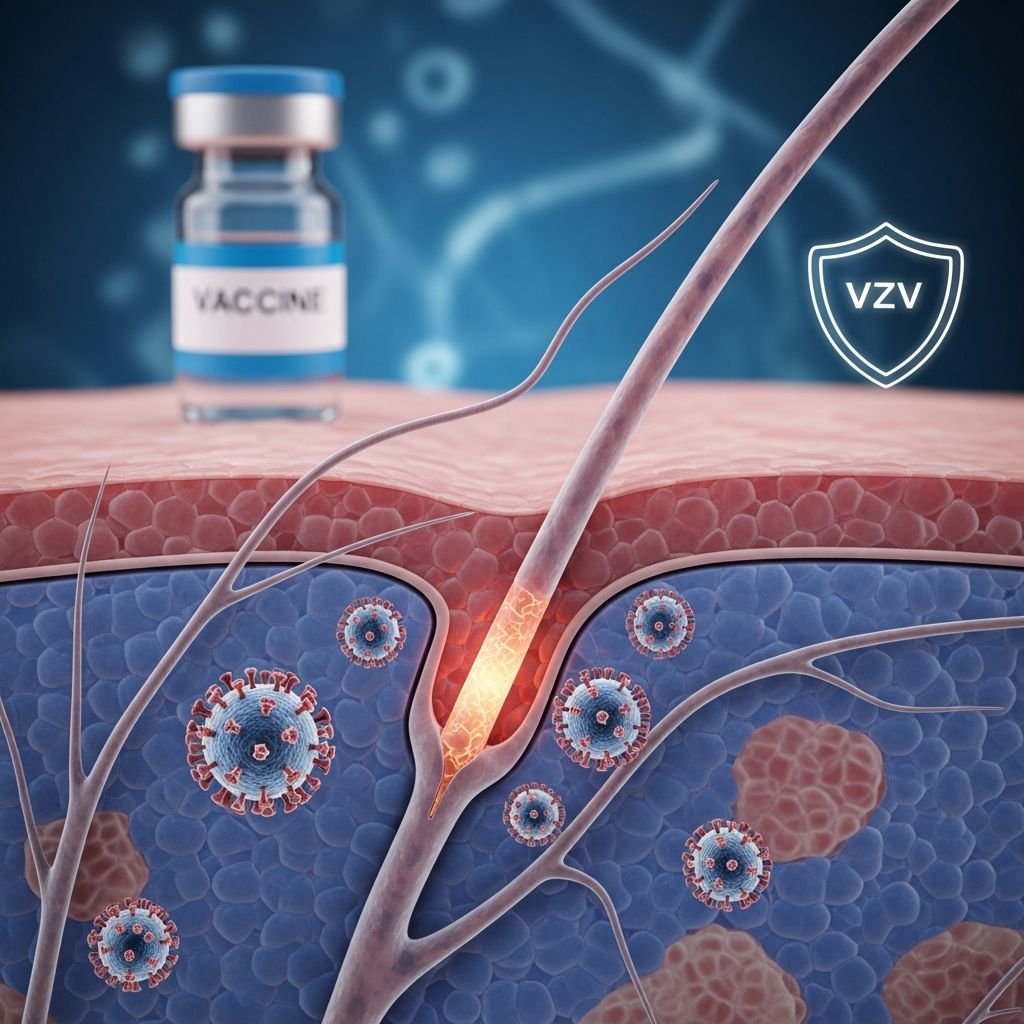
Shingles, medically known as herpes zoster, is a viral infection caused by the reactivation of the varicella-zoster virus (VZV)—the same virus responsible for chickenpox. Anyone who has had chickenpox can develop shingles later in life, typically causing a painful rash that appears in a band or stripe pattern on one side of the body. Fortunately, effective prevention strategies exist, with vaccination being the most reliable approach to reduce your risk of developing this debilitating condition.
Understanding Shingles and Your Risk
Shingles risk increases significantly with age, with the condition being most common in people over age 50. Before the first shingles vaccine became available in 2006, shingles rates in the United States were steadily climbing. In 1998, approximately four cases per 1,000 adults aged 30 and older were reported, rising to nearly six cases per 1,000 people by 2016. Since the introduction of vaccination programs, overall incidence rates have declined, particularly among older adults.
Key Risk Factors for Developing Shingles
Your risk of developing shingles depends on several interconnected factors. The primary driver is declining immunity, which occurs naturally with aging. However, multiple other factors can significantly weaken your immune system and increase susceptibility:
- Immunosuppressive medications prescribed for various conditions
- Organ transplant recipients taking anti-rejection medications
- Cancer diagnoses and chemotherapy treatments
- Diseases affecting immunity, such as HIV/AIDS
- Chronic stress, which research indicates may trigger shingles development
- Other pharmaceutical treatments that compromise immune function
People with weakened immune systems face substantially higher risks compared to the general population, making prevention strategies even more critical for this vulnerable group.
The Shingrix Vaccine: Your Primary Defense
The most effective way to prevent shingles is through vaccination with Shingrix, the currently recommended shingles vaccine. This vaccine represents a significant advancement in shingles prevention, offering superior protection compared to earlier vaccine options.
Vaccine Effectiveness and Efficacy
Clinical data demonstrates impressive protection rates across age groups. According to the Centers for Disease Control and Prevention (CDC), Shingrix is 97% effective at preventing shingles in healthy adults aged 50 to 69 and maintains 91% effectiveness for adults aged 70 and older. The Department of Health & Human Services confirms that Shingrix provides over 90% protection against shingles overall. These effectiveness rates represent a substantial improvement over the older Zostavax vaccine, which provided only 50 to 60% protection.
Beyond preventing the disease itself, Shingrix also protects against post-herpetic neuralgia (PHN), a debilitating complication characterized by persistent nerve pain that can last for months or even years after the rash disappears.
Vaccination Schedule and Administration
The CDC recommends that adults aged 50 and older receive two doses of Shingrix, regardless of whether they have previously had chickenpox or shingles. The doses should be administered between two and six months apart to ensure optimal immune response. This two-dose regimen is crucial for achieving maximum protection.
For adults aged 19 and older with compromised immune systems, Shingrix is also recommended, provided they have a prior history of chickenpox or chickenpox vaccination. Additionally, adults who have already experienced shingles should still receive the vaccine, as recurrent shingles is possible, particularly among immunocompromised individuals.
Related Stories



Who Should Receive the Shingrix Vaccine
Vaccination recommendations vary based on age and immune status. The CDC provides clear guidelines to help determine whether you need protection:
| Population Group | Vaccination Recommendation | Special Considerations |
|---|---|---|
| Healthy adults 50+ | Strongly recommended | Two doses, 2-6 months apart |
| Adults 19+ with weakened immunity | Recommended if prior chickenpox exposure | Consult healthcare provider |
| People with prior shingles | Recommended | Reduces recurrence risk |
| Zostavax recipients | Can receive Shingrix | Timing determined by provider |
| Pregnant individuals | Not recommended during pregnancy | Defer until after pregnancy |
Vaccination Uptake in the United States
Despite the vaccine’s proven effectiveness, adoption rates have been uneven. According to the CDC, nearly 35% of adults aged 60 and older received the Shingrix vaccine by 2018, representing significant growth from approximately 7% in 2008. However, vaccination disparities persist among certain demographic groups. Older adults who identify as Black or Hispanic are approximately 50% less likely to be vaccinated for shingles compared with non-Hispanic white adults in the United States. Addressing these disparities remains an important public health priority.
Prevention Beyond Vaccination
While vaccination is the cornerstone of shingles prevention, additional strategies can strengthen your immune system and reduce overall disease risk:
Lifestyle and Immune Support Strategies
- Maintain a nutritious, balanced diet rich in vitamins and minerals that support immune function
- Stay physically active through regular exercise, which boosts immune response
- Manage stress through meditation, yoga, or other relaxation techniques, as stress can trigger viral reactivation
- Ensure adequate sleep to allow your immune system to function optimally
- Avoid smoking and limit alcohol consumption, both of which can impair immunity
Preventing Transmission to Others
If you develop shingles despite vaccination efforts, protecting vulnerable people around you becomes essential. The virus in shingles blisters can cause chickenpox in people who have never had the disease or its vaccine. Take these precautions:
- Keep the rash covered at all times with clothing or sterile dressing
- Avoid touching or scratching the affected area
- Wash your hands frequently, especially after touching the rash
- Stay away from people with weakened immune systems
- Keep distance from pregnant individuals and unvaccinated people
- Avoid contact with premature or low birth weight babies
- Do not share personal items like towels, clothing, or bedding
The Varicella Vaccine as Prevention
For individuals who have never had chickenpox, the varicella vaccine (chickenpox vaccine) provides another layer of protection against eventual shingles development. Since shingles stems from reactivation of the chickenpox virus, preventing the initial infection eliminates the source. The varicella vaccine is recommended for children and adults aged 13 and above who have no prior history of chickenpox. It consists of two doses administered four weeks apart for people aged 13 years and above.
Understanding Recurrent Shingles
While most people experience shingles only once in their lifetime, recurrence is possible. According to recent research, approximately 1 in 10 people with shingles will experience a recurrence, though rates vary depending on study populations and methods. Recurrent shingles is significantly more common among people with compromised immune systems.
Risk factors for recurrent episodes include immunosuppressant medications, underlying health conditions such as diabetes or cancer, and potential reexposure to the virus. Vaccination provides protection against recurrence, making it valuable even for those with a previous shingles history.
Treatment vs. Prevention
It is important to understand that while Shingrix vaccine is designed for prevention, treatment approaches differ once shingles develops. Treatment typically combines self-care measures with medications:
- Self-care strategies: lukewarm oatmeal baths, calamine lotion application, and wet compresses to reduce discomfort
- Over-the-counter pain relief: standard analgesics to manage pain
- Antiviral medications: prescription antivirals such as acyclovir that may shorten disease duration and severity when started early
- Prescription pain medication: for severe pain that does not respond to over-the-counter options
Antiviral medications must be initiated close to the onset of the rash to be most effective, highlighting the importance of seeking medical care quickly if symptoms develop.
Frequently Asked Questions About Shingles Prevention
Q: Can I get shingles if I have never had chickenpox?
A: No, shingles can only develop in people who have previously had chickenpox, as the virus must be present in your nerve tissue to reactivate. However, people who have never had chickenpox can contract chickenpox from someone with shingles, which is why vaccination against chickenpox is recommended for unvaccinated adults.
Q: Is it safe to receive Shingrix if I have already had shingles?
A: Yes, the CDC recommends vaccination even for people with a prior history of shingles. The vaccine can reduce the risk of recurrent shingles and its complications, making it valuable for protection despite previous infection.
Q: How long does Shingrix protection last?
A: Studies demonstrate that protection from Shingrix remains strong for at least seven years, with ongoing research evaluating long-term durability. Most experts anticipate that protection lasts for a decade or longer.
Q: Can I receive Shingrix if I am immunocompromised?
A: Yes, Shingrix is an inactivated (non-live) vaccine, making it safe for immunocompromised individuals aged 19 and older who have prior chickenpox exposure. Healthcare providers should be consulted to determine the appropriate timing of vaccination.
Q: What are the side effects of Shingrix?
A: Common side effects are typically mild and temporary, including arm soreness at the injection site, muscle aches, and fatigue. Serious side effects are rare. Most people experience only minor discomfort that resolves within a few days.
Q: Should I get Shingrix if I am pregnant?
A: Shingrix is not recommended during pregnancy. Healthcare providers typically recommend deferring vaccination until after pregnancy and completion of breastfeeding to ensure safety for both mother and baby.
Taking Action: Your Path to Shingles Prevention
Shingles prevention through Shingrix vaccination represents one of the most effective health decisions adults over 50 can make. With efficacy rates exceeding 90%, the vaccine substantially reduces your risk of developing this painful condition and its serious complications. Coupled with healthy lifestyle practices that support immune function and stress management, vaccination provides comprehensive protection.
If you are aged 50 or older, have never received Shingrix, or have questions about whether vaccination is appropriate for your health situation, schedule a consultation with your healthcare provider. They can assess your individual risk factors, discuss the vaccine’s benefits and any potential concerns, and administer the two-dose series according to CDC recommendations. Taking this proactive step today can help you avoid the significant pain and complications of shingles for years to come.
References
- Shingles Overview: Types, Causes, Symptoms, and Treatment — Pfizer. Accessed January 2026. https://www.pfizer.com/disease-and-conditions/shingles
- Shingles (Herpes Zoster) — MedlinePlus, National Library of Medicine. Accessed January 2026. https://medlineplus.gov/shingles.html
- Everything You Need to Know About Shingles and How to Avoid It — E7 Health. Accessed January 2026. https://www.e7health.com/post/209/everything-you-need-to-know-about-shingles-and-how-to-avoid-it/
- Recurrent Shingles: Symptoms, Causes, and Treatment — Medical News Today. Accessed January 2026. https://www.medicalnewstoday.com/articles/recurrent-shingles
- What is Shingles and How is it Prevented? — National Centre for Infectious Diseases, Singapore. Accessed January 2026. https://www.ncid.sg/News-Events/News/Pages/What-is-shingles-and-how-is-it-prevented.aspx
Similar Articles








Read full bio of medha deb