Shingles Symptoms: Photos and Early Signs
Recognize shingles symptoms early with photos, from rash stages to pain and complications for timely treatment.
Shingles, also known as herpes zoster, is a painful viral infection caused by the reactivation of the varicella-zoster virus, the same virus responsible for chickenpox. It typically presents as a distinctive rash accompanied by intense pain, affecting one side of the body in a band-like pattern. Early recognition is crucial as antiviral treatments work best when started within 72 hours of symptom onset.
What Is Shingles?
Shingles occurs when the dormant varicella-zoster virus, which remains in nerve tissues after chickenpox infection, reactivates. This reactivation is often triggered by factors like aging, stress, weakened immunity, or illness. Nearly one in three adults will develop shingles in their lifetime, with risk increasing significantly after age 50. The condition is not contagious in the same way as chickenpox, but a person with active shingles can transmit the virus to those who haven’t had chickenpox or the vaccine, potentially causing chickenpox in them.1
Understanding shingles begins with its viral origin. After chickenpox resolves, the virus hides in dorsal root ganglia—clusters of nerve cells near the spinal cord. Years later, immune decline allows it to travel along nerves to the skin, causing inflammation and the characteristic symptoms. Unlike chickenpox, which spreads widely, shingles rash follows specific dermatomes, the skin areas supplied by single spinal nerves.
Early Symptoms of Shingles
Shingles often starts subtly, days before the rash appears. Initial signs mimic other conditions, making diagnosis tricky without progression. Common early symptoms include:
- Pain, burning, or tingling: Described as electric shocks, deep aches, or hypersensitivity in the affected area, often on the torso, face, or limbs.
- Itching or numbness: Skin may feel prickly or hypersensitive to touch.
- Headache, fever, chills, or fatigue: General flu-like malaise can accompany localized nerve pain.
- Sensitivity to light or upset stomach: Especially if the face or eyes are involved.
These prodromal symptoms last 1-5 days. Pain intensity varies; some feel mild discomfort, while others experience severe agony rated among the worst medical pains. Nighttime worsening is common due to reduced distractions and circadian pain cycles.
Shingles Rash: Appearance and Photos
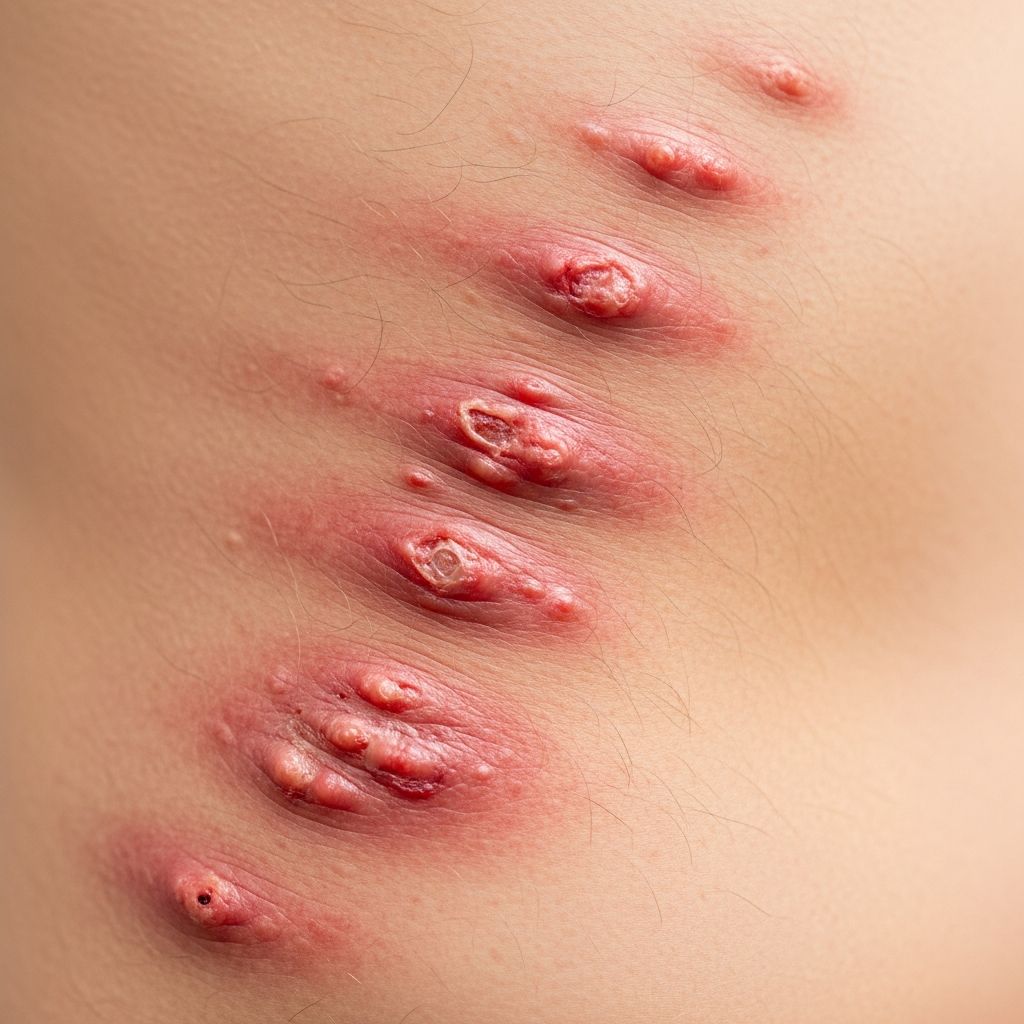
The hallmark of shingles is a unilateral rash following a dermatome. It begins as red or pink blotches or patches, evolving into clusters of fluid-filled blisters within hours to days. Here’s a visual progression:
- Day 1-3 (Early rash): Red macules or papules, like small raised spots, often painful but without blisters. Imagine sunburn-like redness confined to one side of the chest or back.
- Blister stage (Days 3-5): Clear vesicles form, resembling clusters of dew drops on red skin. Blisters may weep fluid, increasing contagion risk.
- Ulceration (Days 5-7): Blisters burst, forming shallow ulcers that crust over.
- Crusting and healing (Weeks 2-4): Scabs form, dry, and flake off, leaving pink skin that fades over months. Full healing takes 2-4 weeks in uncomplicated cases.
Related Stories



Note on photos: Visuals typically show a stripe of vesicles on the torso, e.g., wrapping from the spine around the right ribcage, sparing the midline. Facial rashes appear on forehead, scalp, or ears, with eye involvement (herpes zoster ophthalmicus) showing eyelid swelling and corneal risks.
Where Does the Shingles Rash Appear?
The rash rarely crosses the body’s midline, forming a “girdle”—hence the name from Latin cingulum. Common sites include:
| Location | Frequency | Risks |
|---|---|---|
| Torso (chest, back, abdomen) | 50-60% | Postherpetic neuralgia (PHN) |
| Face (including eyes, ears) | 20% | Vision loss, hearing issues |
| Neck, shoulders | 10-15% | Chronic pain |
| Arms, legs (rare) | <10% | Muscle weakness if motor nerves involved |
Facial involvement demands immediate care; ophthalmic shingles affects 10-20% of cases and can cause permanent blindness without prompt antiviral therapy.
Stages of a Shingles Rash
Shingles progresses predictably over 3-5 weeks:
- Prodrome (1-5 days): Nerve pain without visible changes.
- Active rash (Days 1-10): Erythema to vesicles; most contagious here.
- Resolution (Weeks 2-4): Crusting, scabbing; pain may linger.
- Post-acute (Months+): Skin heals, but 10-18% develop PHN.
Immunocompromised individuals may see disseminated rashes, covering multiple dermatomes or widespread like chickenpox.
How Painful Is Shingles?
Shingles pain stems from viral nerve invasion, causing neuritis. Described as stabbing, throbbing, or burning, it can be excruciating—worse than kidney stones or cluster headaches for some. Triggers include light touch (allodynia), wind, or clothing. Severity factors:
- Age: Over 60 heightens intensity and PHN risk.
- Prodrome duration: Longer pain predicts worse rash.
- Immune status: HIV or cancer patients suffer more.
Pain disrupts sleep, appetite, and mood, sometimes leading to depression or isolation.
Shingles Complications
Beyond acute pain, complications affect 10-20%:
- Postherpetic neuralgia (PHN): Persistent burning pain lasting months/years; risk 10-18% overall, 50% over 80.
- Ocular issues: Keratitis, uveitis, glaucoma from eye involvement.
- Neurological: Facial paralysis (Ramsay Hunt syndrome), hearing loss, encephalitis (rare).
- Bacterial superinfection: From scratching blisters.
- Systemic: Pneumonia or stroke in severe cases.
Annual U.S. cases exceed 1 million; fatalities are rare (<100/year) but higher in frail elderly.
When to See a Doctor for Shingles
Seek care immediately if rash appears with pain, especially near eyes, in immunocompromised states, or if over 50. Diagnosis is clinical but may include PCR swab or Tzanck smear. Antivirals (acyclovir, valacyclovir, famciclovir) reduce duration/severity if started early. Pain management includes gabapentinoids, opioids, or lidocaine patches. Keep rash covered to prevent spread.
Shingles Prevention: The Vaccine
Two vaccines—Shingrix (preferred, 90%+ efficacy) and Zostavax—prevent shingles and PHN. CDC recommends two-dose Shingrix for ages 50+, even post-shingles. It boosts cell-mediated immunity, reducing reactivation. Side effects are mild (arm soreness, fatigue).
Frequently Asked Questions (FAQs)
What causes shingles?
Reactivation of varicella-zoster virus dormant in nerves after chickenpox.
Is shingles contagious?
Not directly, but active blisters can spread chickenpox virus to unexposed individuals.
How long does shingles last?
Rash heals in 2-4 weeks; pain may persist longer in PHN cases.
Can you get shingles twice?
Rare (4%), but possible with waning immunity.
Who is at highest risk for shingles?
Adults over 50, immunocompromised, or those with prior chickenpox.
References
- Shingles (Herpes Zoster) Clinical Overview — Centers for Disease Control and Prevention (CDC). 2024-01-10. https://www.cdc.gov/shingles/hcp/clinical-overview.html
- Shingles: Symptoms, Risks, and Why the Vaccine Matters — National Council on Aging (NCOA). 2023-11-15. https://www.ncoa.org/article/what-is-shingles-and-how-long-can-it-last/
- Herpes Zoster (Shingles) — American Academy of Dermatology (AAD). 2024-05-20. https://www.aad.org/public/diseases/a-z/shingles-overview
- Shingles Vaccination Recommendations — Advisory Committee on Immunization Practices (ACIP), CDC. 2025-02-01. https://www.cdc.gov/vaccines/vpd/shingles/hcp/shingrix/recommendations.html
- Postherpetic Neuralgia: Epidemiology and Burden — Centers for Disease Control and Prevention (CDC). 2023-08-12. https://www.cdc.gov/shingles/about/transmission.html
Similar Articles








Read full bio of medha deb