Shingles Symptoms: Early Signs, Rash Stages And Pain
Recognize shingles symptoms early—from pain and rash to serious complications—and learn when to seek immediate medical help.
Shingles, medically known as herpes zoster, is a viral infection triggered by the reactivation of the varicella-zoster virus (VZV), the same virus responsible for chickenpox. After recovering from chickenpox, the virus remains dormant in nerve tissues, potentially reactivating later in life due to factors like aging, stress, or weakened immunity. This leads to a distinctive painful rash and a range of symptoms that can significantly impact quality of life. Recognizing shingles symptoms early is crucial for timely treatment with antivirals, which can reduce severity and duration if started within 72 hours of rash onset.
Affecting approximately 1 in 3 people in their lifetime, shingles is most common in adults over 50, with risk increasing with age. The condition typically presents unilaterally—a single stripe or band on one side of the body—earning its name from the Latin word ‘cingulum,’ meaning girdle, due to its belt-like torso appearance. While the rash is the hallmark sign, prodromal symptoms like pain or tingling often precede it by days, making awareness essential for prompt intervention.
Early Symptoms of Shingles
Shingles often begins subtly before the rash emerges. The initial phase, known as the prodrome, can last 1-5 days and includes:
- Pain, burning, or tingling: Described as an ‘electrical sensation’ or deep ache in the affected dermatome (nerve pathway), commonly on the torso, but also face, neck, or limbs.
- Itching or numbness: Skin hypersensitivity where even light touch provokes discomfort.
- Flu-like symptoms: Low-grade fever, chills, headache, fatigue, or upset stomach, mimicking other illnesses.
These early shingles symptoms are frequently overlooked or misattributed to muscle strain or minor irritation. However, their dermatomal pattern—confined to one side without crossing the midline—is a key clue. For instance, a 88-year-old patient described initial ‘red blotches with small bubbles’ on his chest, progressing mildly but lasting 4-5 weeks. If symptoms localize to the face or eye area, seek emergency care immediately to prevent vision loss.
Shingles Rash: Appearance and Location
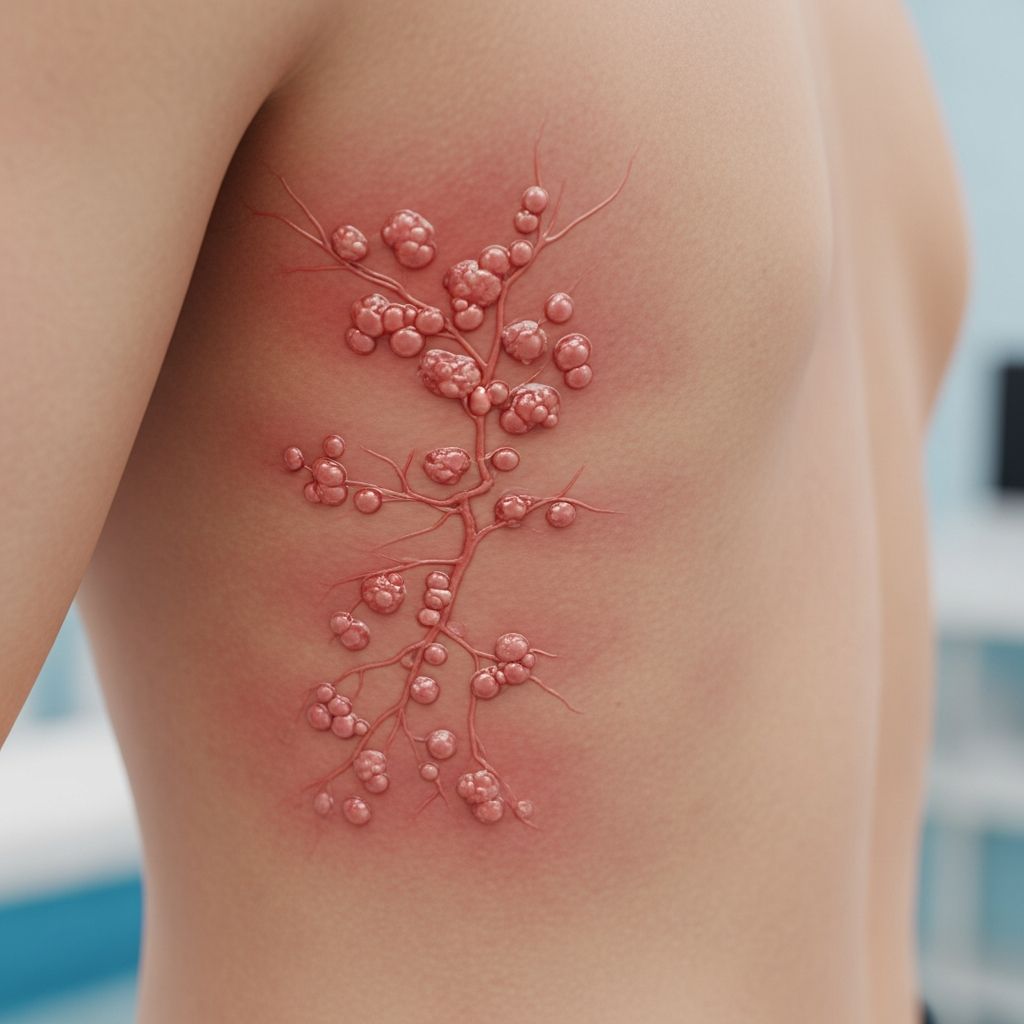
The shingles rash typically appears 2-5 days after prodromal symptoms, starting as red or pink macules (flat spots) that evolve into clustered, fluid-filled blisters on an erythematous (reddened) base. It rarely crosses the body’s midline, forming a stripe from the spine around to the front, often wrapping the torso like a belt—hence the name. Common locations include:
- Torso (most frequent, chest, back, or abdomen)
- Face, neck, or scalp
- One eye (herpes zoster ophthalmicus, a medical emergency)
- Arms, legs, or buttocks (less common)
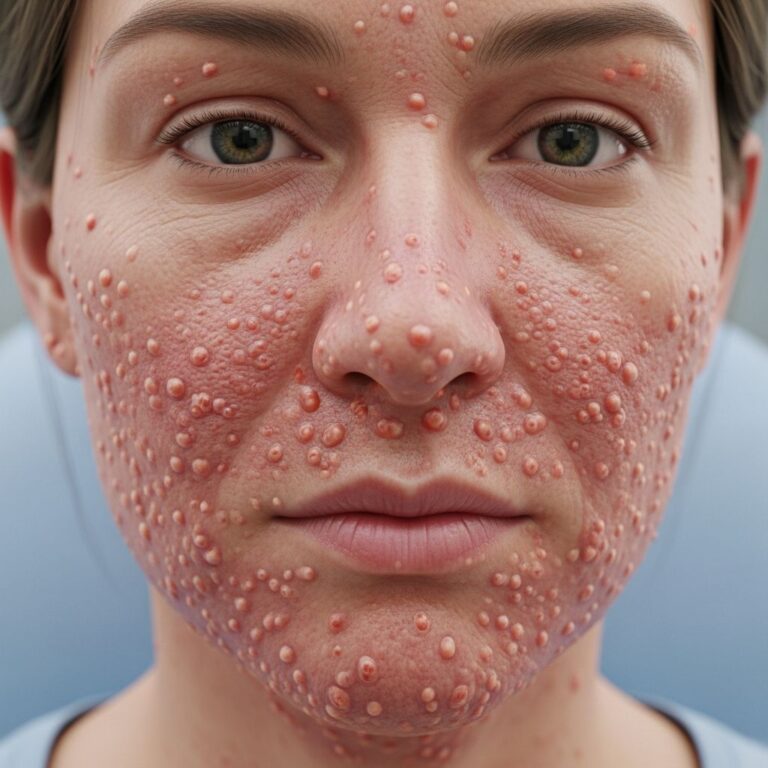
In the case of facial involvement, the rash may affect the forehead, eyelids, or tip of the nose (Hutchinson’s sign), signaling ocular risk requiring ophthalmologist evaluation. Blisters are contagious, containing VZV, so cover the rash and avoid contact with pregnant people, newborns, or immunocompromised individuals until crusted over.
Stages of a Shingles Rash
The shingles rash progresses through distinct stages over 2-4 weeks in most cases:
- Red patches (days 1-2): Erythematous macules or papules appear.
- Blister formation (days 3-5): Clear vesicles cluster, filling with fluid; may seem to spread as new blisters form.
- Oozing and crusting (days 7-10): Blisters rupture, leak, and form moist ulcers that scab over.
- Healing (2-4 weeks): Scabs dry, itch, and fall off, leaving temporary pigmentation changes or scarring.
Related Stories



Factors like immune status influence progression; immunocompromised individuals may experience disseminated rash or prolonged healing. Monitor for secondary bacterial infection signs like increased pus, swelling, or fever.
How Painful Is Shingles?
Shingles pain varies widely but is notoriously severe, sometimes ranked among the most painful conditions. It stems from viral nerve inflammation (neuritis), manifesting as:
- Acute pain: Burning, stabbing, or electric shocks in the rash area, worsened by touch, clothing, or wind (allodynia).
- Nocturnal worsening: Pain intensifies at night, disrupting sleep.
- Mild cases: Itching or tenderness without extreme agony.
Pain can precede, accompany, or outlast the rash. Over-the-counter pain relievers (acetaminophen, ibuprofen), cool compresses, calamine lotion, and prescription options like gabapentin or lidocaine patches provide relief. Severe cases may require opioids or nerve blocks.
When to See a Doctor for Shingles
Consult a healthcare provider immediately upon suspecting shingles, ideally within 72 hours of rash onset for optimal antiviral efficacy (e.g., acyclovir, valacyclovir, famciclovir). These drugs shorten duration by 1-2 days and halve PHN risk. Urgent care is needed if:
- Rash involves eye, ear, or face.
- High fever (>101°F), confusion, or severe headache (possible encephalitis).
- Intense pain unresponsive to OTC meds.
- Immunocompromised status or rash spreads widely.
Diagnosis is clinical but may involve PCR swab or Tzanck smear for confirmation.
Shingles Complications
While most recover fully in 3-5 weeks, 10-18% develop postherpetic neuralgia (PHN)—chronic nerve pain lasting months or years, especially in those over 60. Other complications include:
- Ocular issues: Keratitis, uveitis, or vision loss (20% of facial cases).
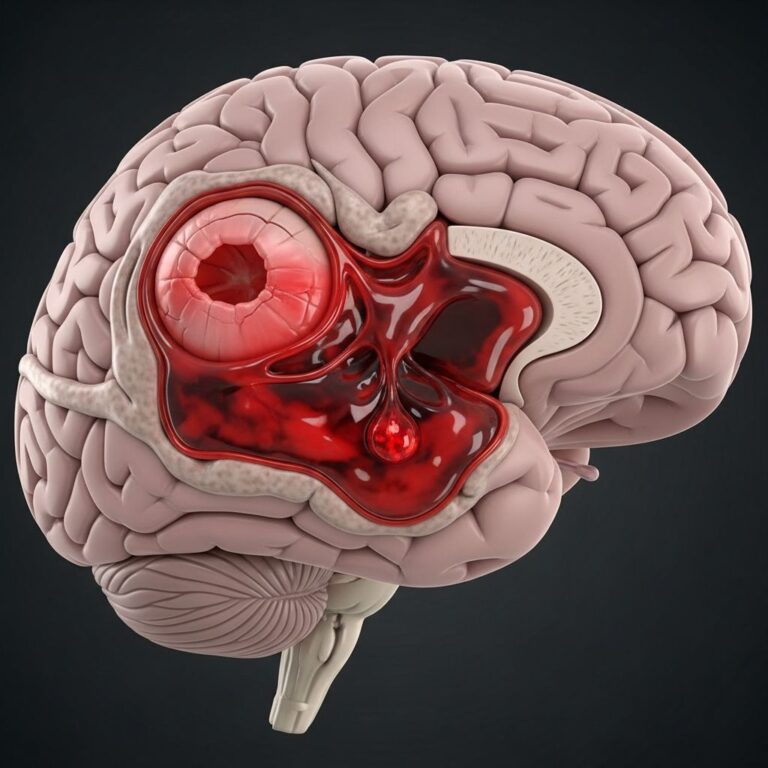
- Neurological: Facial paralysis (Ramsay Hunt syndrome), hearing loss, or meningitis.
- Systemic: Pneumonia, hepatitis (rare, in immunocompromised).
Fewer than 100 U.S. deaths occur annually, mostly in vulnerable groups.
Shingles Prevention: The Vaccine
Recombinant zoster vaccine (Shingrix) is 90%+ effective in preventing shingles and PHN, recommended for adults 50+ in two doses. Zostavax (older live vaccine) is less effective and discontinued in many places. Vaccination post-shingles reduces recurrence risk by 70%.
Frequently Asked Questions (FAQs)
What causes shingles?
Shingles results from varicella-zoster virus reactivation after prior chickenpox infection.
Is shingles contagious?
The rash can transmit VZV to chickenpox-susceptible people, causing chickenpox, not shingles. Avoid contact until crusted.
How long does shingles last?
Rash heals in 2-4 weeks; pain may persist longer, with PHN in 10-18%.
Can I get shingles more than once?
Yes, though rare (4-10% recurrence); vaccine lowers risk.
Who is at highest risk for shingles?
Adults 50+, immunocompromised individuals, and those with recent stress or illness.
References
- Shingles: Symptoms, Risks, and Why the Vaccine Matters — National Council on Aging (NCOA). 2023-10-15. https://www.ncoa.org/article/what-is-shingles-and-how-long-can-it-last/
- Shingles (Herpes Zoster) — Centers for Disease Control and Prevention (CDC). 2024-08-01. https://www.cdc.gov/shingles/about/index.html
- Herpes Zoster Clinical Overview — CDC. 2024-05-20. https://www.cdc.gov/shingles/hcp/clinical-overview.html
- Shingles (Herpes Zoster) — Mayo Clinic. 2025-01-10. https://www.mayoclinic.org/diseases-conditions/shingles/symptoms-causes/syc-20353054
- Herpes Zoster — American Academy of Dermatology (AAD). 2024-03-12. https://www.aad.org/public/diseases/a-z/shingles-overview
Similar Articles








Read full bio of Sneha Tete