Shingles Treatment: Options, Timeline, and Recovery
Complete guide to treating shingles: antivirals, pain management, and prevention strategies.
Understanding Shingles and the Need for Treatment
Shingles, medically known as herpes zoster, is a viral infection caused by the reactivation of the varicella-zoster virus (VZV)—the same virus responsible for chickenpox. Once you recover from chickenpox, the virus remains dormant in nerve tissue and can reactivate years or decades later as shingles. This painful condition affects thousands of people annually, particularly those over 50 years old or with compromised immune systems.
The infection typically presents as a painful rash that appears in a band-like pattern on one side of the body, following the path of affected nerves. Early recognition and prompt treatment are crucial for minimizing pain, reducing complications, and preventing long-term effects such as postherpetic neuralgia (PHN), a condition characterized by persistent nerve pain that can last for months or years after the rash heals.
Early Recognition: When to Seek Treatment
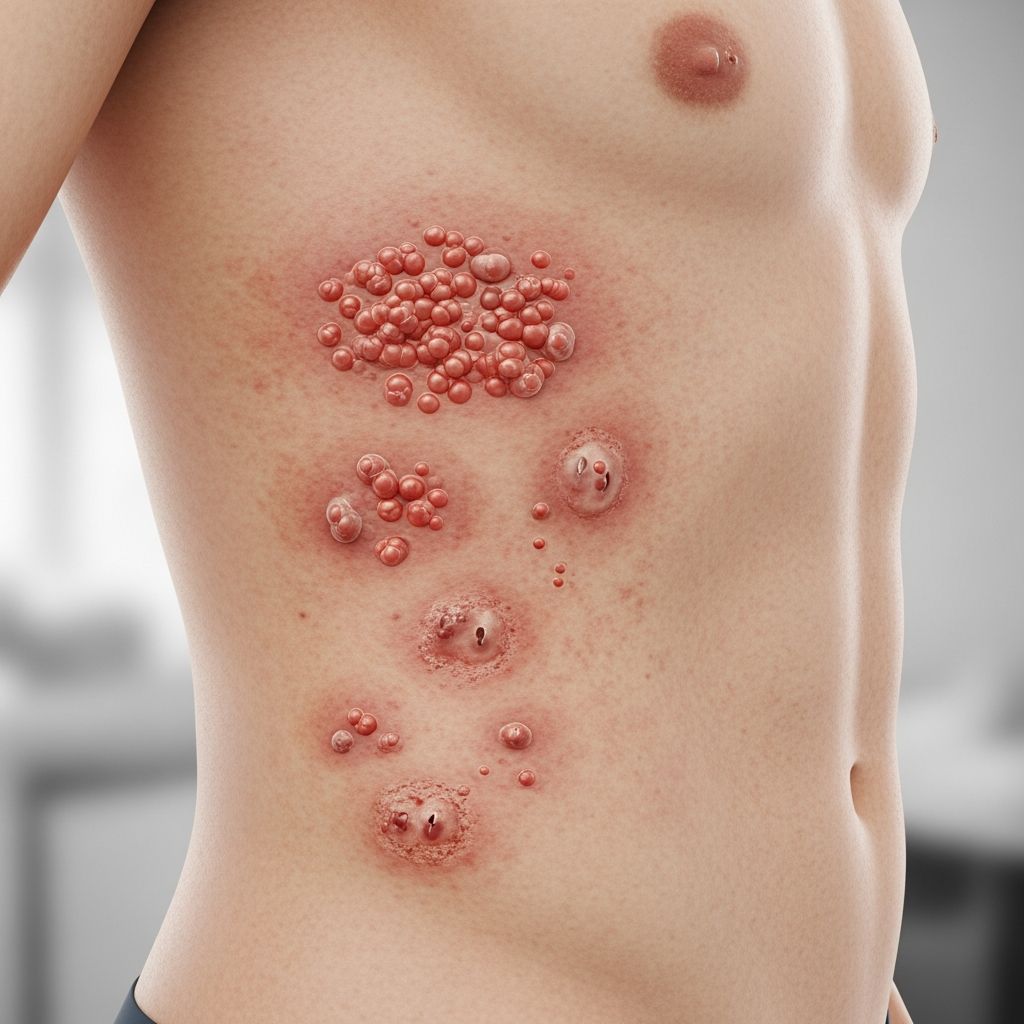
The first signs of shingles often include tingling, burning, or shooting pain in a localized area, which may precede the visible rash by several days. Within 3 to 5 days of initial symptoms, a characteristic rash develops, appearing as clusters of fluid-filled blisters on reddened, inflamed skin. The rash typically appears on the chest, back, side, or face—always on one side of the body and never crossing the midline.
Recognizing these early symptoms is essential because antiviral therapy is most effective when started within 48 to 72 hours of symptom onset. The window for maximum effectiveness is narrow, making prompt medical attention vital. If you experience sudden onset pain, tingling, or a characteristic rash in a dermatomal (nerve-distributed) pattern, contact your healthcare provider immediately.
Antiviral Medications: The Foundation of Treatment
Antiviral drugs form the cornerstone of shingles treatment, significantly reducing the severity and duration of the viral infection. Three oral antiviral agents have proven most effective:
- Acyclovir (Zovirax) — Traditionally the first-line antiviral, typically prescribed as 800 mg five times daily for 7–10 days.
- Valacyclovir (Valtrex) — Often preferred due to better bioavailability and less frequent dosing, typically 1,000 mg three times daily for 7 days.
- Famciclovir (Famvir) — An alternative option that clinical trials have shown to be equivalent to acyclovir in preventing new lesion formation.
These medications work by inhibiting viral replication, helping the body’s immune system control the infection more effectively. Studies demonstrate that antiviral therapy reduces the severity and duration of herpes zoster infection while also decreasing the risk of viral dissemination to other parts of the body.
For patients with severely compromised immunity—such as those with AIDS, lymphoproliferative malignancies, organ transplant recipients, or those on systemic corticosteroids—intravenous (IV) acyclovir administered at 10 mg/kg every 8 hours is the treatment of choice. Once the infection is controlled, treatment can transition to oral therapy.
It is important to note that topical antiviral agents are ineffective for treating shingles and are not recommended by medical professionals, despite their common use for other herpes infections.
Managing Acute Pain During the Rash Phase
Pain during the acute phase of shingles can be severe and debilitating. The goals of comprehensive pain management include reducing immediate discomfort, preventing complications, and minimizing the development of chronic pain conditions like PHN.
Related Stories



Non-Opioid Pain Relievers: Over-the-counter medications such as acetaminophen or ibuprofen can help manage mild to moderate pain. However, many patients require stronger analgesics for adequate relief.
Prescription Medications: Depending on pain severity, healthcare providers may prescribe:
- Stronger analgesic medications for moderate to severe acute pain
- Topical anesthetics to numb the affected area
- Medications targeting neuropathic pain
Research indicates that appropriate antiviral therapy started within 72 hours may help reduce acute pain, though some patients will still experience significant discomfort. The choice of pain management therapy depends on individual pain severity and response to treatment.
Preventing Postherpetic Neuralgia (PHN)
One of the most significant complications of shingles is postherpetic neuralgia, a chronic pain condition that persists long after the rash heals. PHN affects approximately 10–18% of shingles patients, with higher rates in those over 60 years old.
The most effective strategy for preventing PHN is early antiviral therapy. Starting antiviral medications within 72 hours of symptom onset, ideally within 48 hours, significantly reduces the likelihood of developing this debilitating complication. While some patients treated with antivirals may still develop PHN, the incidence and severity are substantially lower than in untreated patients.
Corticosteroids have been studied as potential preventive agents for PHN, but literature reviews have found little support for their use in preventing this complication. Therefore, antiviral therapy remains the primary evidence-based prevention strategy.
Treatment for Chronic Pain (PHN)
For patients who develop postherpetic neuralgia despite early treatment, several management options are available:
Topical Treatments: Topical capsaicin, derived from chili peppers, has been approved as a patch (Qutenza) for relieving neuropathic pain associated with PHN. Up to four patches may be applied for 60 minutes every 3 months. Some patients experience stinging and burning at the application site, which may limit its use, particularly in elderly populations.
Oral Medications: Various oral medications designed to treat neuropathic pain may be prescribed by healthcare providers to manage chronic PHN symptoms.
The treatment approach for chronic pain should be individualized based on patient response, tolerability, and specific pain characteristics.
The Rash Healing Timeline
Understanding the natural progression of shingles helps patients set realistic expectations for recovery:
- Days 0–3: Prodromal symptoms including pain, tingling, or burning sensation appear before any visible rash.
- Days 3–5: The characteristic erythematous (red) maculopapular rash emerges in a dermatomal distribution.
- Days 7–10: The rash progresses to pustules (pus-filled blisters) and ulceration, developing crusts and scabbing.
- Up to 30 days: Crusts and scabs persist during the acute healing phase.
- Post-healing: Altered pigmentation (either hyperpigmentation or hypopigmentation) may develop along the affected area.
Antiviral treatment can accelerate this healing process and reduce the overall duration of symptoms, making early intervention particularly valuable.
Treatment Considerations for Special Populations
Elderly Patients: Older adults are at higher risk for developing shingles and experiencing severe complications. They require prompt antiviral therapy and careful pain management, as they may be more sensitive to medication side effects.
Immunocompromised Individuals: Patients with weakened immune systems, including those with HIV/AIDS, cancer patients, and transplant recipients, face increased risk for severe herpes zoster and require more aggressive treatment, typically with IV antivirals.
Pregnant Women: While shingles itself is not directly harmful to pregnancy, treatment decisions must carefully balance maternal and fetal considerations. Consultation with obstetric care is essential.
Prevention: The Varicella-Zoster Vaccine
Beyond treating active shingles, prevention through vaccination is a crucial strategy, particularly for older adults. The Zostavax vaccine, administered as a single subcutaneous injection, has demonstrated remarkable effectiveness in preventing shingles and its complications.
In the Shingles Prevention Study, Zostavax significantly reduced:
- The incidence of herpes zoster (P < 0.001)
- The burden of illness (P < 0.0001)
- The incidence of postherpetic neuralgia (P < 0.001)
The vaccine has been shown to be both safe and cost-effective. For eligible candidates—typically adults 50 years and older—vaccination represents an important preventive health measure that can substantially reduce the risk of developing shingles and its serious complications.
Key Treatment Goals and Outcomes
The comprehensive goals of shingles treatment include:
- Hastening the healing of skin lesions
- Decreasing the risk of viral dissemination to other body areas
- Limiting the severity and duration of acute pain
- Preventing chronic pain (postherpetic neuralgia)
- Minimizing other potential complications such as encephalitis, myelitis, cranial and peripheral nerve damage, and ocular involvement
Achieving these goals requires prompt recognition, early antiviral therapy, and comprehensive pain management tailored to individual patient needs.
Frequently Asked Questions About Shingles Treatment
Q: How quickly does antiviral treatment work?
A: Antiviral medications begin working immediately to slow viral replication, but visible improvements typically appear within 48–72 hours. Maximum effectiveness occurs when treatment is started within 48 hours of symptom onset.
Q: Can shingles be treated without antiviral medication?
A: While some cases may resolve without antivirals, early antiviral therapy significantly reduces severity, duration, pain, and the risk of complications. Medical treatment is strongly recommended.
Q: How long does the shingles rash typically last?
A: The acute phase, from rash appearance to crusting, typically lasts 7–30 days. Complete healing and resolution of any pigmentation changes may take several weeks longer.
Q: Who should receive the shingles vaccine?
A: Adults 50 years and older are generally eligible for the Zostavax vaccine. Those with severe immunocompromise should consult their healthcare provider about vaccine eligibility.
Q: Is postherpetic neuralgia permanent?
A: PHN is not always permanent, but it can persist for months or longer. Early antiviral treatment significantly reduces the risk of developing this complication.
Q: Are topical treatments effective for shingles?
A: Topical antiviral creams are not effective for treating active shingles. However, topical capsaicin patches may help manage chronic pain from postherpetic neuralgia after the rash heals.
References
- Presentation and Management of Herpes Zoster (Shingles) in the Elderly — National Center for Biotechnology Information (NCBI/PMC). 2013-07-15. https://pmc.ncbi.nlm.nih.gov/articles/PMC3684190/
- Varicella-Zoster Virus Infection — Centers for Disease Control and Prevention (CDC). 2024. https://www.cdc.gov/chickenpox/about/overview.html
- Herpes Zoster Epidemiology and Prevention — World Health Organization (WHO) vaccine information. 2024. https://www.who.int/teams/immunization-vaccines-and-biologicals/diseases/herpes-zoster
- Postherpetic Neuralgia: Clinical Review and Management — American Academy of Family Physicians. 2024. https://www.aafp.org/
Similar Articles








Read full bio of medha deb