Night Blindness: Causes, Symptoms, and Treatment
Understanding nyctalopia: Essential guide to night blindness causes, symptoms, and effective treatments.
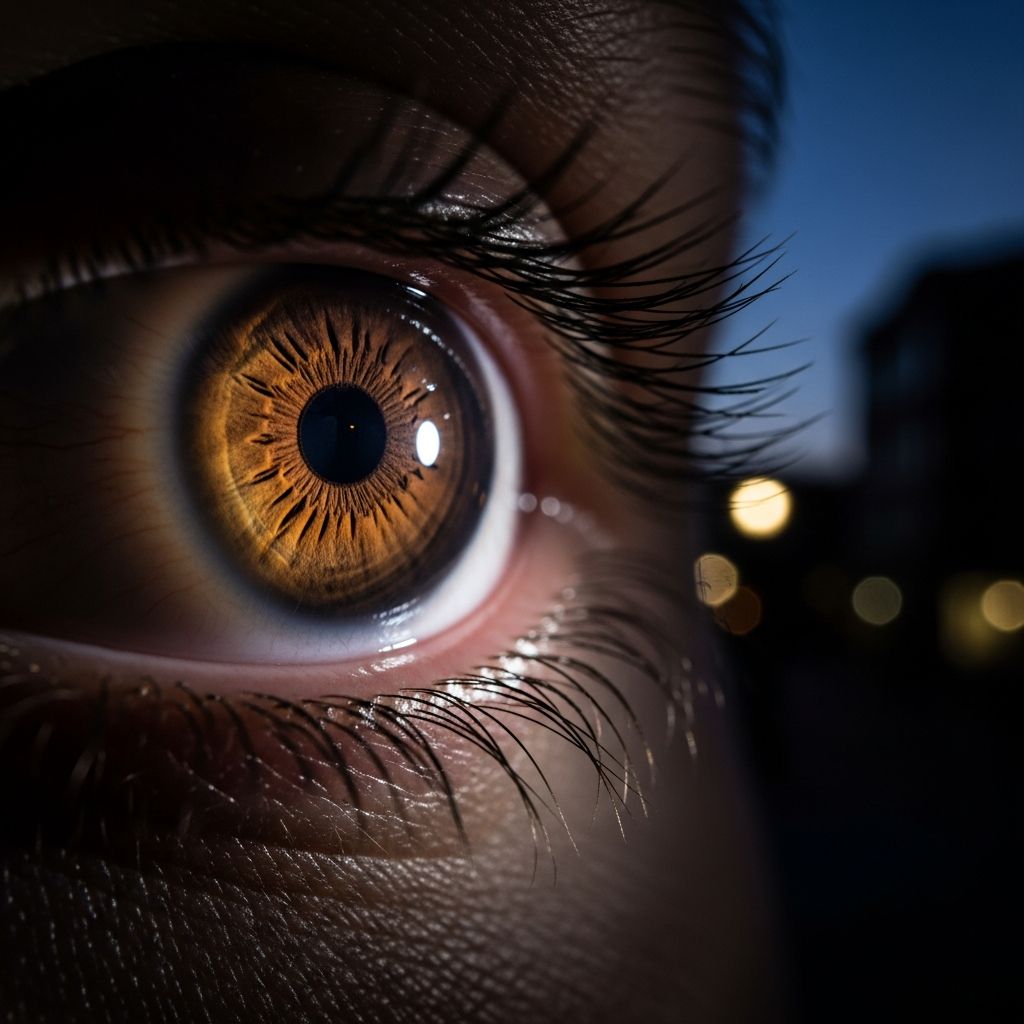
Understanding Night Blindness: Shining Light on Nyctalopia
Night blindness, medically known as nyctalopia, is a condition characterized by difficulty seeing in low-light environments or when transitioning between bright and dark settings. Despite its significant impact on quality of life and safety, this vision disorder remains poorly understood by the general public. Many people experience challenges navigating dimly lit spaces or driving after sunset without fully grasping the underlying causes or available treatment options. Understanding night blindness is essential for early detection, appropriate management, and prevention of complications that can affect daily functioning and overall well-being.
What Is Night Blindness?
Night blindness is fundamentally a symptom rather than a disease in itself. It represents the eye’s inability to adapt quickly to low-light conditions or darkness. The condition affects your visual acuity when external lighting is insufficient, making it challenging to see objects, read text, or navigate safely in dim environments. Unlike complete blindness, night blindness specifically impacts vision in low-light situations while daytime vision may remain relatively normal, depending on the underlying cause.
The medical term nyctalopia comes from the Greek words for night and vision. When you experience night blindness, your eyes struggle to gather and process the limited light available in dark settings. This can range from mild difficulty adjusting when entering a dark room to severe impairment that makes nighttime driving dangerous or impossible. The severity and progression of night blindness vary considerably depending on its cause and how early intervention occurs.
How Your Eyes See in Low Light
Understanding how normal night vision works provides insight into why night blindness develops. Your eye’s ability to see in darkness depends on two main structures: the rod cells in your retina and the rhodopsin pigment they contain. Rod cells are highly sensitive to light and enable vision in dim conditions. Rhodopsin, a light-sensitive protein, helps convert light into electrical signals that your brain interprets as images.
When you enter a dark environment, your pupils dilate to allow more light to enter your eye. Simultaneously, your rod cells release rhodopsin molecules that begin detecting available light photons. This process, called dark adaptation, typically takes 20 to 30 minutes for your eyes to reach maximum sensitivity in darkness. The rhodopsin regenerates using vitamin A as a crucial component, making this nutrient essential for normal night vision.
Primary Causes of Night Blindness
Night blindness can develop from various conditions affecting different parts of your visual system. Understanding these causes is critical for determining appropriate treatment and prevention strategies.
Vitamin A Deficiency
Vitamin A deficiency is one of the most common and preventable causes of night blindness worldwide. This nutrient is essential for producing rhodopsin, the pigment that enables rod cells to function in low light. When your body lacks sufficient vitamin A, rhodopsin regeneration slows dramatically, impairing your night vision. Vitamin A deficiency is particularly prevalent in developing countries where malnutrition is common, but it can also occur in industrialized nations due to poor dietary choices, malabsorption disorders, or surgical interventions like gastric bypass.
The good news is that vitamin A deficiency-related night blindness is highly treatable and preventable through dietary modifications or supplementation. Adding vitamin A-rich foods such as carrots, sweet potatoes, leafy greens, liver, and egg yolks can resolve symptoms within days to weeks. However, addressing this cause requires public awareness and educational campaigns, particularly in underserved communities where nutritional knowledge may be limited.
Retinal Disorders
Several retinal conditions can impair night vision by affecting how the retina processes light signals. Retinitis pigmentosa, a genetic disorder that progressively damages rod cells, typically manifests as night blindness in its early stages before progressing to daytime vision loss. Age-related macular degeneration and diabetic retinopathy can also contribute to reduced low-light vision. These conditions require professional diagnosis and ongoing management by eye care specialists.
Cataracts
Cataracts develop when the lens becomes cloudy, reducing the amount of light reaching the retina. This opacity interferes with light transmission and can significantly impair night vision. Fortunately, cataracts are highly treatable through surgical removal and lens replacement, making this a correctable cause of night blindness.
Other Contributing Factors
Additional causes include myopia (nearsightedness), astigmatism, and conditions affecting the cornea’s clarity. Certain medications, particularly those affecting pupil dilation or retinal function, can also contribute to reduced night vision. Aging itself can diminish night vision capability as the eye’s ability to respond to light changes gradually declines.
Recognizing Symptoms of Night Blindness
Identifying night blindness symptoms early enables timely intervention and prevents potentially dangerous situations. Common signs include:
Difficulty adjusting when entering dark spaces: Taking longer than normal to see clearly when moving from bright to dim environments signals potential night blindness. This delayed dark adaptation suggests issues with rhodopsin regeneration or retinal function.
Challenges with nighttime driving: Struggling to see the road, read signs, or identify pedestrians while driving after sunset is a significant warning sign. Difficulty perceiving oncoming vehicle headlights or distinguishing road markings indicates compromised low-light vision.
Blurred or hazy vision in dim light: Objects appear fuzzy or indistinct when lighting is poor, even though daytime vision seems normal. This symptom often indicates light transmission problems or retinal processing issues.
Increased clumsiness in dark environments: Bumping into furniture, tripping over objects, or generally moving cautiously in dim settings reflects reduced visual acuity at night. This increases fall risk, particularly among elderly individuals.
Reduced color perception in low light: Since rod cells detect light but not color, while cone cells detect color in bright light, night blindness sometimes manifests as difficulty distinguishing colors in darkness.
Diagnostic Approaches for Night Blindness
Proper diagnosis requires professional evaluation by an eye care specialist. During examination, your doctor will inquire about symptom onset, progression, family history of eye disease, nutritional status, and medications. Several diagnostic tests help identify the underlying cause.
Visual acuity testing measures how well you see at various distances and lighting levels. Dilated eye examination allows your ophthalmologist to inspect the retina directly. Adaptometry measures how quickly your eyes adjust to darkness, providing quantitative data about night vision function. Retinal imaging can reveal structural abnormalities in the retina or other ocular tissues.
Blood tests may assess vitamin A levels if deficiency is suspected, particularly if you have a history of malabsorption or restrictive dieting. Genetic testing helps identify hereditary retinal disorders in some cases.
Treatment Options and Management Strategies
Treatment approaches depend entirely on identifying the underlying cause. Since night blindness is a symptom rather than a disease, addressing its cause is essential for effective management.
Nutritional Interventions
For vitamin A deficiency, supplementation or dietary enrichment is highly effective. The World Health Organization recommends specific vitamin A dosing protocols, particularly for at-risk populations and children. Incorporating vitamin A-rich foods into daily meals provides sustainable, long-term prevention. Healthcare providers should emphasize the importance of balanced nutrition for maintaining eye health.
Surgical Treatment
Cataract surgery removes the cloudy lens and replaces it with a clear artificial lens, typically restoring normal vision and eliminating night blindness related to cataracts. This remains one of the most successful treatments for night vision problems. Refractive surgery may help correct myopia or astigmatism that contributes to reduced night vision.
Medical Management
Conditions like diabetic retinopathy require controlling underlying diabetes through medication, diet, and lifestyle modifications. Managing blood sugar levels helps prevent further retinal damage and stabilizes vision. Similarly, conditions like age-related macular degeneration may benefit from specific medications or nutritional interventions like antioxidant supplementation.
Symptomatic Management
For genetic conditions without curative treatments, adaptive strategies become important. These include avoiding nighttime driving, using enhanced lighting in home environments, and utilizing mobility aids when navigating dark spaces. Prescription glasses optimized for low-light conditions may provide modest improvements in some cases.
Prevention and Risk Reduction
Preventing night blindness involves addressing modifiable risk factors and maintaining overall eye health. Consuming adequate vitamin A through diet or supplementation prevents deficiency-related night blindness. A balanced diet rich in antioxidants—including vitamins C and E, lutein, and zeaxanthin—supports long-term retinal health. Protecting eyes from UV radiation with quality sunglasses slows age-related retinal degeneration.
Managing chronic conditions like diabetes through medication adherence and lifestyle modifications prevents complications that compromise night vision. Individuals undergoing gastric surgery should take prescribed vitamin A supplements to prevent postoperative deficiency. Regular eye examinations, particularly for those over 60 or with family histories of retinal disease, enable early detection of conditions affecting night vision.
Avoiding excessive screen time and blue light exposure, particularly in evening hours, supports the eye’s natural ability to produce rhodopsin. Taking breaks using the 20-20-20 rule (looking at something 20 feet away for 20 seconds every 20 minutes) reduces eye strain that can exacerbate low-light vision problems.
Public Awareness and Education
Despite night blindness being a common condition, public awareness remains insufficient in many regions. Educational campaigns should emphasize recognizing symptoms early, understanding preventive measures, and seeking professional evaluation. Workplace wellness programs benefit from addressing night blindness awareness, particularly for drivers, security personnel, and healthcare workers engaged in nighttime activities.
Schools can integrate ocular health education into curricula, teaching younger populations about vitamin A’s importance and eye protection strategies. Healthcare providers should routinely counsel patients about night vision changes during routine consultations. Community-based screening camps in underserved areas can enhance access to vision care and improve early detection rates.
Safety Considerations and Lifestyle Adaptations
Night blindness has significant safety implications, particularly regarding driving. If you experience night vision difficulties, you should avoid driving or operating machinery until seeing an eye care specialist. Many jurisdictions have laws recognizing night blindness as a vision impairment that may affect driving privileges or require adaptations.
In daily life, adaptations can maintain independence and safety. Installing adequate lighting in home environments, using night lights in hallways and bathrooms, and arranging furniture to minimize obstacles help prevent falls. When traveling, allowing extra time for dark adaptation and using flashlights or headlamps facilitates safer navigation. For those with severe night blindness, mobility aids and assistance from others become necessary precautions.
Frequently Asked Questions
Q: Can night blindness be cured?
A: Many causes of night blindness are treatable or curable. Vitamin A deficiency responds well to supplementation, and cataracts can be surgically removed. However, genetic retinal disorders typically cannot be cured, though management strategies can minimize their impact. Early diagnosis and appropriate treatment provide the best outcomes.
Q: Is night blindness a sign of a serious condition?
A: Night blindness can indicate various conditions ranging from simple nutritional deficiency to serious retinal disease. While some causes are easily treatable, others require ongoing management. Approximately 87% of surveyed individuals correctly recognized that night blindness could indicate a serious condition, highlighting the importance of professional evaluation.
Q: How long does it take to recover from vitamin A deficiency-related night blindness?
A: With appropriate vitamin A supplementation or dietary intervention, night blindness from deficiency can improve within days to weeks as rhodopsin regeneration normalizes. Complete recovery depends on deficiency severity and individual factors.
Q: Can you prevent night blindness?
A: Many causes of night blindness are preventable. Maintaining adequate vitamin A intake, protecting eyes from UV damage, managing chronic conditions like diabetes, and taking prescribed supplements after gastric surgery can prevent several forms of night blindness.
Q: Should I avoid driving if I have night blindness?
A: Yes, until diagnosed and treated by an eye care specialist. Night blindness significantly impairs the ability to see road hazards, read signs, and respond to other vehicles, creating dangerous situations for yourself and others.
References
- Understanding Public Awareness of Night Blindness and Its Causes — IAR Consortium Journal of Medical Sciences. 2024. https://www.iarconsortium.org/iarjms/189/2885/lights-out-understanding-public-awareness-of-night-blindness-and-its-causes-4775/
- Night Blindness (Nyctalopia): What It Is, Causes & Treatment — Cleveland Clinic. 2024. https://my.clevelandclinic.org/health/symptoms/10118-night-blindness-nyctalopia
- Vitamin A and Retinoid Signaling in Vision and Beyond — National Institutes of Health, National Library of Medicine. 2023. https://pubmed.ncbi.nlm.nih.gov/
- Guidelines for the Prevention and Treatment of Vitamin A Deficiency — World Health Organization. 2023. https://www.who.int/
- Age-Related Changes in Vision: From Eyes to Brain — American Academy of Ophthalmology. 2024. https://www.aao.org/
Similar Articles







Read full bio of medha deb