Shockwave Therapy: 9 Proven Treatments For Tendon Injuries
Non-invasive treatment using high-energy sound waves to promote healing in tendons, muscles, and bones for chronic pain relief.
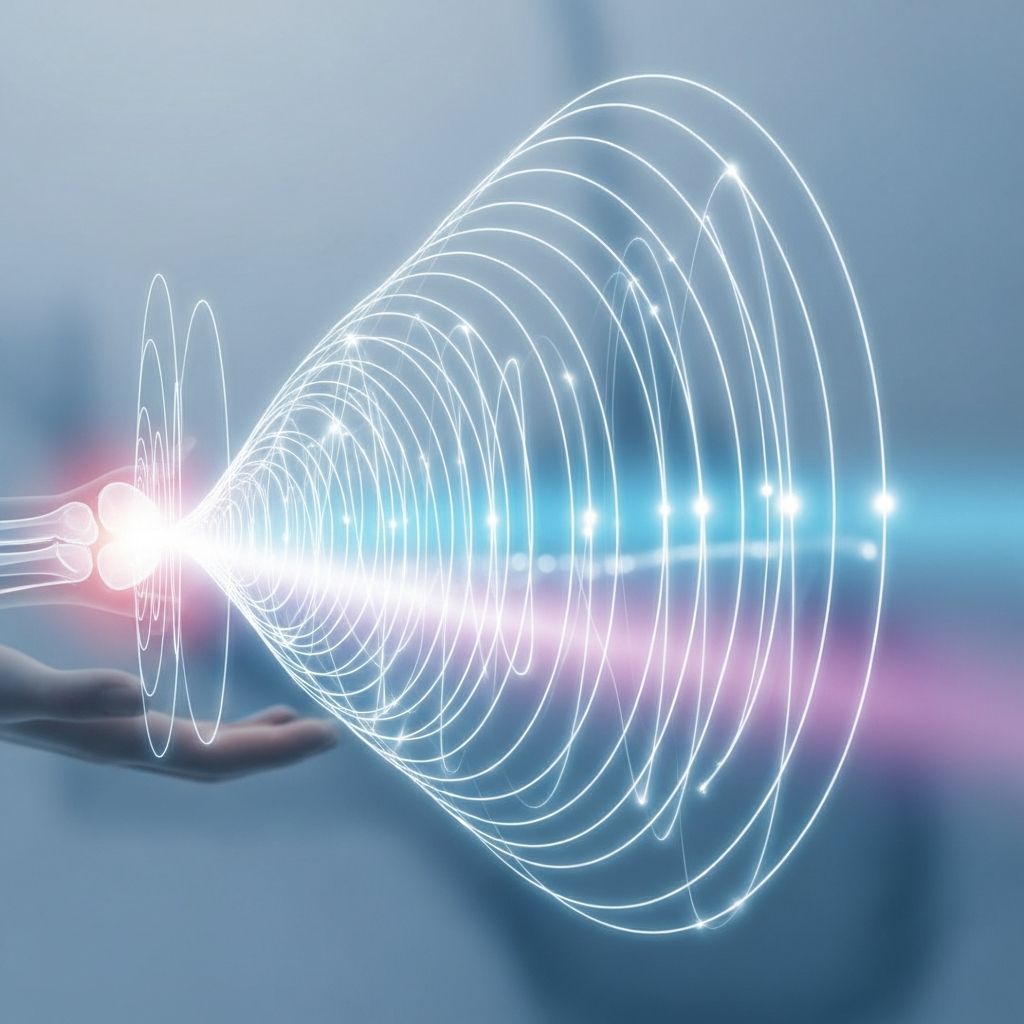
Shockwave therapy, also known as extracorporeal shockwave therapy (ESWT), is a non-invasive treatment primarily used for soft tissue problems such as tendon injuries and tissue inflammation. It employs high-energy acoustic waves that pass through the skin to the affected area, enhancing blood flow and accelerating the healing process.
What is shockwave therapy?
Shockwave therapy delivers low-energy radial sound waves or high-energy focused shockwaves directly to the skin over the injured area. These waves penetrate tissues, creating mechanical forces that stimulate biological responses, including increased blood circulation, localized inflammation, and tissue regeneration. Unlike ultrasound, shockwaves have peak pressures approximately 1000 times greater, enabling deeper therapeutic effects through positive mechanical pressure and negative-phase cavitation that implodes gas bubbles for enhanced impact.
The therapy is outpatient-based, requiring no anesthesia or incisions, making it suitable for patients who have not responded to conservative treatments like physiotherapy, activity modification, pain medications, or steroid injections. It is often integrated into rehabilitation programs with exercises and pain management.
What is shockwave therapy used for?
Shockwave therapy treats a wide range of musculoskeletal conditions, particularly chronic tendinopathies, sports injuries, and overuse problems in bones, joints, muscles, tendons, and ligaments. Common applications include:
- Plantar fasciitis: Heel pain from inflamed plantar fascia, where ESWT is recognized as safe and effective.
- Achilles tendinopathy: Chronic degeneration or inflammation of the Achilles tendon.
- Rotator cuff tendinopathy: Shoulder tendon issues causing pain and limited mobility.
- Lateral epicondylitis (tennis elbow): Elbow pain from forearm extensor tendon overuse.
- Medial epicondylitis (golfer’s elbow): Inner elbow tendon inflammation.
- Greater trochanteric pain syndrome: Hip pain from gluteal tendon issues.
- Patellar tendinopathy: Kneecap tendon problems common in athletes.
- Non-union fractures or delayed bone healing: Stimulates bone regeneration.
- Calcific tendinitis of the shoulder: Calcium deposits in rotator cuff tendons.
It benefits athletes and active individuals by allowing continued training with minimal downtime.[10] Emerging uses include spasticity from stroke or multiple sclerosis, though evidence is preliminary.
How does shockwave therapy work?
A handheld device connected to a generator (electrohydraulic, electromagnetic, or piezoelectric) produces shockwaves transmitted via ultrasound gel on the skin. The therapist applies light pressure, moving the probe over the target area for 5-30 minutes per session.
Mechanisms include:
- Mechanical stimulation: Positive phase creates direct forces; negative phase induces cavitation for secondary waves.
- Neovascularization: Increases blood flow, delivering nutrients and oxygen for repair.
- Inflammation response: Controlled micro-trauma triggers healing cascades, releasing growth factors.
- Analgesic effect: Disrupts pain signals and reduces substance P.
- Tissue remodeling: Breaks down calcifications and promotes collagen synthesis.
Radial pressure wave therapy targets superficial tissues (up to 4-5 cm), while focused ESWT reaches deeper structures. Combining both often yields optimal results.
Related Stories



Is shockwave therapy painful?
Treatment lasts 5-10 minutes per session and involves mild discomfort, described as tapping or deep pressure, rather than sharp pain. Sessions start at low energy, increasing based on tolerance. Post-treatment, expect temporary redness, swelling, bruising, or increased soreness for 1-2 days, indicating healing activation. These subside naturally without intervention.
Preparation for shockwave therapy
Patients should:
- Avoid heavy meals before sessions.
- Wear loose clothing for easy access to the treatment area.
- Discuss medications, especially blood thinners, with providers.
- Follow activity restrictions if advised, though most resume normal activities immediately.
Shockwave therapy procedure
During the procedure:
- A gel is applied to the skin.
- A scanner or ultrasound guides the probe precisely.
- 2000-3000 shockwaves are delivered at targeted energy levels.
- Patients feel rhythmic tapping; no sedation needed.
- Each session: 10-30 minutes.
Treatment course: 3-5 weekly sessions, spaced 1 week apart.
How soon will shockwave therapy work?
Improvement varies: some notice relief after 1-2 sessions, but most require 3-5 for significant pain reduction. Full benefits emerge in 6-12 weeks as tissues heal. Up to 70-80% of patients experience substantial or total relief.
| Condition | Typical Sessions | Time to Notice Relief |
|---|---|---|
| Plantar Fasciitis | 3-5 | 4-8 weeks |
| Achilles Tendinopathy | 3-4 | 6-12 weeks |
| Tennis Elbow | 3 | 2-6 weeks |
| Rotator Cuff | 4-5 | 8-12 weeks |
Does shockwave therapy work?
Evidence shows efficacy for specific conditions like plantar fasciitis and calcific tendinitis, with NICE approving use despite limited high-quality trials. Success rates: 60-90% for tendinopathies. It excels as adjunct therapy in rehab programs.
Limitations: Not first-line; variable response. NICE notes insufficient evidence for routine use, recommending individualized assessment.
Who cannot have shockwave therapy?
- Pregnant women.
- Patients with pacemakers or active cancer near site.
- Those on anticoagulants or with clotting disorders.
- Acute infections or open wounds at site.
- Children or those with neuropathy.
Side-effects of shockwave therapy
Minimal and transient: pain during/after, erythema, swelling, bruising, nausea (rare). No major risks; safer than surgery or injections. Long-term effects absent in studies.
Frequently Asked Questions
Is shockwave therapy safe?
Yes, ESWT has no major safety concerns per NICE, with approvals for UK clinical use. Side effects are mild and short-lived.
How many sessions of shockwave therapy do I need?
Typically 3-5 weekly sessions, tailored to condition and response.
Can I exercise after shockwave therapy?
Most patients resume activities immediately, with minimal restrictions ideal for athletes.[10]
Does insurance cover shockwave therapy?
Coverage varies; often considered investigational for some uses. Check with providers.
Is shockwave therapy better than steroid injections?
It offers lasting healing vs. temporary relief from steroids, without tissue weakening.
References
- Managing pain with shockwave therapy — King Edward VII’s Hospital. 2023. https://www.kingedwardvii.co.uk/health-hub/managing-pain-with-shockwave-therapy
- Extracorporeal Shockwave Therapy — Physiopedia. 2024-01-15. https://www.physio-pedia.com/Extracorporeal_Shockwave_Therapy
- Shockwave Therapy — Patient.info. 2024. https://patient.info/treatment-medication/shockwave-therapy
- Extracorporeal Shockwave Therapy Offers Novel Approach — NewYork-Presbyterian. 2023-05-20. https://www.nyp.org/advances/article/extracorporeal-shockwave-therapy-offers-novel-approach-to-treating-tendon-and-bone-injuries
- Practice Advisory | Extracorporeal Shockwave Therapy — American Physical Therapy Association (APTA). 2024-06-01. https://www.apta.org/your-practice/practice-models-and-settings/practice-advisory-extracorporeal-shockwave-therapy
- Extracorporeal Shockwave Therapy for Musculoskeletal Indications — UnitedHealthcare. 2024. https://www.uhcprovider.com/content/dam/provider/docs/public/policies/medicaid-comm-plan/la/extracorporeal-shock-wave-therapy-la-cs.pdf
Similar Articles








Read full bio of Sneha Tete