Shoe Contact Dermatitis: Causes, Symptoms & Treatment
Understanding shoe contact dermatitis: Identify triggers, recognize symptoms, and explore effective treatment options.
Understanding Shoe Contact Dermatitis
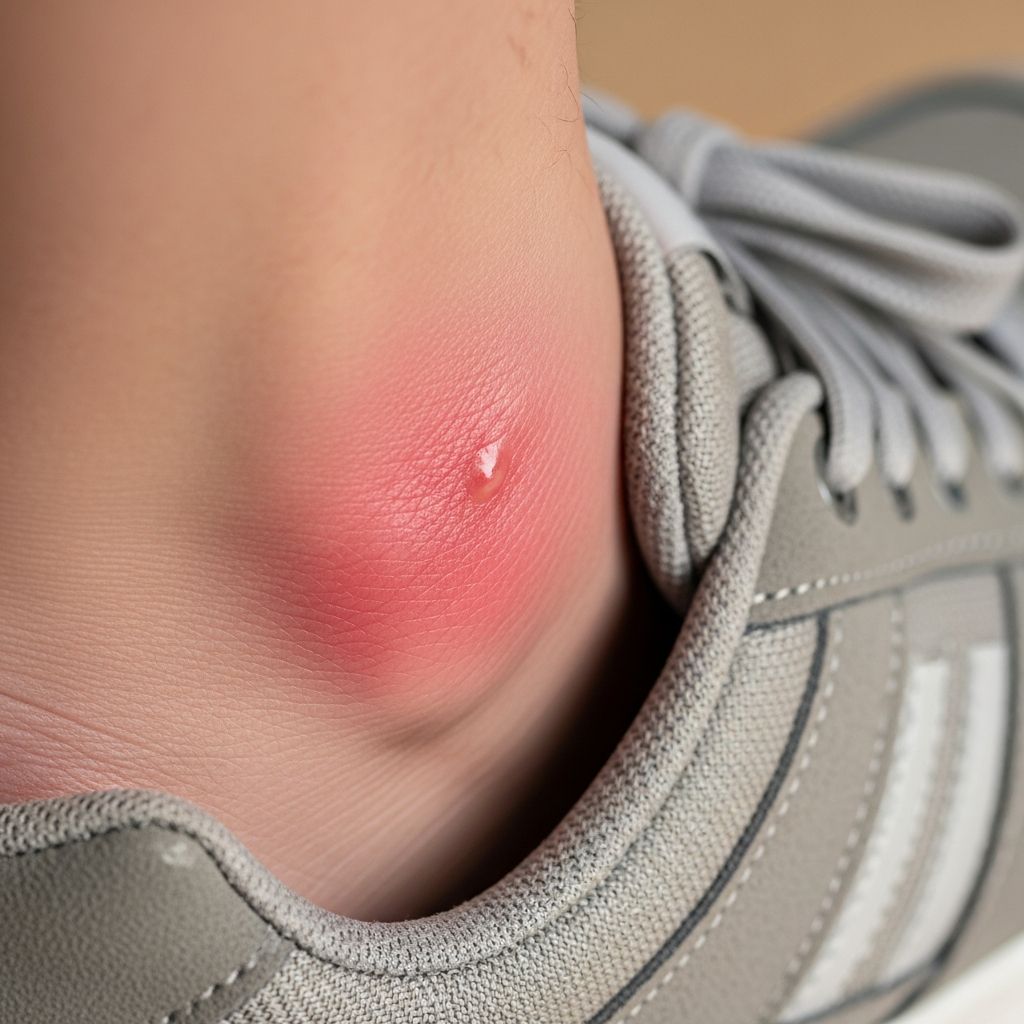
Shoe contact dermatitis is a localized skin inflammation that develops when the feet come into direct contact with irritating substances or allergens present in footwear. This condition represents a form of contact dermatitis affecting the foot area and accounts for approximately 10% of all cases evaluated during dermatological patch testing. The reaction occurs due to either allergic sensitization (type IV hypersensitivity reaction) or direct irritant contact, making it a common concern for individuals with sensitive skin.
The condition manifests through various symptoms ranging from mild discomfort to severe skin damage, and can significantly impact quality of life and work productivity. Understanding the underlying causes and available treatment options is essential for managing this condition effectively.
What Causes Shoe Contact Dermatitis?
Multiple factors can trigger shoe contact dermatitis, with causative agents found throughout the construction of footwear. The culprit substances can originate from leather components, rubber materials, adhesives, dyes, or other manufacturing additives.
Allergens in Footwear
Various materials commonly used in shoe manufacturing can trigger allergic reactions in susceptible individuals. Leather products, particularly those treated with chromium compounds, represent a frequent source of allergic contact dermatitis. The tanning process used in leather production involves chemicals that can remain in the finished material and cause immune responses upon skin contact.
Rubber components present another major allergen source. Vulcanization accelerators and other rubber additives can provoke allergic reactions, particularly in individuals with repeated exposure to rubber footwear. These compounds are essential to rubber manufacturing but can cause significant dermatological reactions in susceptible populations.
Colorants and dyes used to achieve desired shoe aesthetics can also function as potent allergens. These chemical substances may persist in shoes even after manufacturing completion and can trigger reactions upon prolonged skin contact. Adhesives used in shoe construction similarly contain chemical compounds capable of inducing allergic responses.
Irritant Contact Dermatitis
Beyond allergic reactions, various irritant substances can trigger non-allergic contact dermatitis of the feet. Chemicals employed in the tanning process, manufacturing dyes, and industrial glues can directly irritate the skin without requiring prior sensitization. Prolonged exposure to these irritants progressively damages the skin barrier, resulting in redness, swelling, and pronounced discomfort.
Moisture accumulation within shoes creates an environment conducive to irritation. Excessive sweating promotes moisture retention, particularly in enclosed footwear, facilitating bacterial and fungal overgrowth while simultaneously compromising skin barrier function. This work-related concern frequently affects individuals wearing protective waterproof footwear and is associated with significant absenteeism and quality of life diminishment.
Secondary Factors
Sock and stocking materials occasionally contribute to foot dermatitis independent of shoe components. Chemical treatments applied to textile materials or fiber composition itself may trigger reactions. Additionally, secondary bacterial or fungal infections frequently complicate shoe contact dermatitis, perpetuating inflammation and delaying healing.
Common Allergens in Shoe Manufacturing
Related Stories



Research has identified specific chemical compounds as particularly problematic allergens in footwear production. Understanding these substances helps individuals identify problematic shoe types and make informed purchasing decisions.
| Allergen | Source | Prevalence |
|---|---|---|
| Mercaptobenzothiazole | Rubber accelerator | 50% in rubber footwear users |
| Potassium Dichromate | Leather tanning agent | 40% in leather users |
| Thiurams | Rubber vulcanization catalyst | 20% in rubber footwear |
| Paraphenylenediamine | Rubber additive and dye | 10% in affected populations |
Research involving 58 patients identified mercaptobenzothiazole as the most prevalent allergen, followed by potassium dichromate, with housewives, students, and cement workers representing particularly susceptible populations due to frequent rubber footwear use.
Clinical Presentation and Symptoms
Shoe contact dermatitis presents through a spectrum of dermatological manifestations, with presentation varying based on allergen type and individual susceptibility.
Characteristic Symptoms
The primary manifestations include:
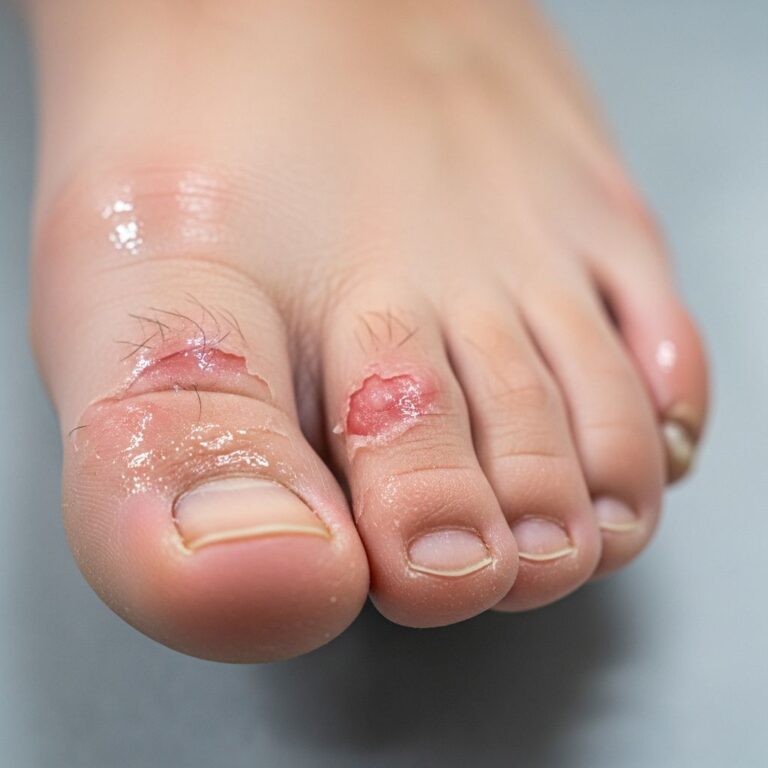
- Redness and inflammation on the feet or toes, typically symmetric and bilateral
- Intense itching, often accompanied by burning or stinging sensations
- Skin alterations including dryness, scaling, and visible cracks
- Blister formation or oozing lesions in severe presentations
- Swelling and edema of affected areas
- Peeling or flaking skin as the condition progresses
Distribution Patterns
The typical presentation involves symmetric involvement of both volar and dorsal foot surfaces, with toe flexural creases and instep areas often remaining spared. However, allergen location within shoe construction influences distribution—heel box allergens affect heels specifically, while nickel in zips or buckles creates localized reactions in adjacent skin areas. Rashes occasionally extend beyond initial contact areas, spreading to ankles or lower leg regions.
Temporal Development
Allergic sensitization develops through repeated exposure over extended periods. Individuals may experience reactions after months or years of wearing particular shoes without incident. Conversely, sudden allergic development after prolonged exposure without symptoms remains well-documented. This unpredictable timeline complicates identification of causative footwear.
Diagnosis and Identification
Accurate diagnosis requires systematic evaluation combining clinical assessment with specialized testing when necessary. Healthcare professionals should obtain detailed histories regarding footwear types, onset timing, and associated factors.
Clinical Assessment
Dermatologists examine rash distribution patterns, morphology, and associated symptoms to differentiate shoe contact dermatitis from other foot conditions. The symmetric, footwear-specific distribution pattern provides diagnostic clues. Documentation of which shoes trigger reactions and which remain tolerated guides identification of problematic footwear components.
Patch Testing
When causative agents remain unidentified despite clinical assessment, dermatologists recommend allergy testing through patch testing methodology. This diagnostic approach involves applying suspected allergens to skin under controlled conditions and observing for delayed hypersensitivity reactions. Standard shoe allergen panels facilitate systematic evaluation of common culprits.
Treatment Approaches
Effective management requires both immediate symptom relief and long-term prevention through allergen avoidance.
Primary Treatment: Allergen Avoidance
The fundamental treatment strategy involves eliminating contact with identified irritants. Once the offending allergen is identified, the affected shoes must be permanently discontinued unless the specific allergen can be physically removed or avoided in replacement footwear. For example, individuals with chromate allergy in leather can transition to vegetable-tanned leather alternatives.
Topical Medications
The eczematous component responds well to topical corticosteroids and emollients. Over-the-counter hydrocortisone creams provide initial relief for itching and inflammation reduction. Dermatologists may prescribe mid- to high-potency topical steroids such as triamcinolone for more significant inflammation. Regular moisturization using fragrance-free preparations maintains skin hydration, prevents dryness, and supports barrier repair.
Infection Management
Secondary bacterial or fungal infections frequently complicate shoe contact dermatitis and require concurrent treatment with topical or oral antibiotics or fungicides combined with topical steroids of intermediate to high potency. However, antifungal medications themselves can paradoxically cause allergic contact dermatitis, particularly azole agents including econazole, miconazole, tioconazole, and clotrimazole.
Supportive Care
Symptomatic relief while awaiting rash resolution includes regular foot soaks incorporating green tea, oatmeal, or baking soda. These natural compounds provide anti-inflammatory and soothing effects without introducing additional irritants.
Prevention Strategies
Long-term management emphasizes prevention through conscious footwear selection and foot care practices.
Footwear Selection
Individuals with shoe contact dermatitis should:
- Identify and permanently avoid shoes containing identified allergens
- Select hypoallergenic or natural material footwear whenever possible
- Consider vegetable-tanned leather alternatives to chromium-treated varieties
- Choose open-toed shoes or sandals allowing improved foot ventilation
- Limit continuous shoe wear duration
- Ensure complete drying between uses
Foot Hygiene and Care
Maintaining excellent foot hygiene reduces secondary infection risk and supports skin healing. Washing feet regularly with mild soap and warm water, ensuring thorough drying, and maintaining clean, dry shoes and socks prevents bacterial and fungal proliferation. Regular moisturization with fragrance-free products preserves skin barrier integrity and prevents irritation.
Prognosis and Expected Outcomes
Shoe contact dermatitis demonstrates favorable prognosis upon successful allergen elimination. Rash resolution occurs rapidly once offending footwear is discontinued, with most patients experiencing significant improvement within days to weeks. However, permanent avoidance of problematic shoes remains necessary unless specific allergens can be removed during manufacturing or replaced with hypoallergenic alternatives.
Special Considerations
Certain occupational groups experience elevated incidence rates. Housewives, students, and cement workers face increased risk due to frequent protective rubber footwear use, leading to heightened morbidity and work-related absenteeism. Individual susceptibility varies significantly, with some individuals developing reactions after brief exposure while others tolerate problematic shoes indefinitely despite repeated contact.
Frequently Asked Questions
Q: Can shoe contact dermatitis develop suddenly after years of wearing the same shoes?
A: Yes, allergic sensitization can develop over time, and individuals may suddenly become allergic to substances in shoes they have worn without incident for months or years.
Q: Will my dermatitis clear once I stop wearing the problematic shoes?
A: Shoe contact dermatitis typically resolves rapidly once the offending allergen is removed from contact with skin. Most individuals experience significant improvement within days to weeks.
Q: Can I treat shoe contact dermatitis at home?
A: Initial home treatment includes over-the-counter hydrocortisone creams, moisturizers, and foot soaks with oatmeal or baking soda. However, persistent or severe cases require professional medical evaluation for proper diagnosis and prescription treatments.
Q: Which shoe materials are safest for individuals with contact dermatitis?
A: Vegetable-tanned leather and hypoallergenic materials minimize allergic risk. Canvas, natural rubber alternatives, and shoes with minimal adhesives and dyes present lower sensitization potential.
Q: How is the specific allergen in my shoes identified?
A: Dermatologists use patch testing with standard shoe allergen panels to identify specific causative agents. This diagnostic approach involves applying suspected allergens to skin and observing for delayed reactions.
Q: Can secondary infections develop from shoe contact dermatitis?
A: Yes, the compromised skin barrier facilitates bacterial and fungal colonization, requiring concurrent treatment with antibiotics or antifungals alongside topical steroids.
References
- Shoe Contact Dermatitis: Causes, Symptoms, and Treatment — Masterton Foot Clinic. 2023-07-15. https://www.mastertonfootclinic.co.nz/2023/07/shoe-contact-dermatitis-causes-symptoms-and-treatment/
- Allergens causing contact dermatitis of the feet — National Institutes of Health. 2024. https://pmc.ncbi.nlm.nih.gov/articles/PMC11393641/
- Shoe contact dermatitis — DermNet. https://dermnetnz.org/topics/shoe-contact-dermatitis
- Is it really possible that I am allergic to my shoes? — InStride Carolina Podiatry Group. https://carolinapodiatry.net/is-it-really-possible-that-i-am-allergic-to-my-shoes/
- Contact Dermatitis: Symptoms, Causes, Types & Treatments — Cleveland Clinic. https://my.clevelandclinic.org/health/diseases/6173-contact-dermatitis
- Diagnosis and Management of Contact Dermatitis — American Academy of Family Physicians. 2010-08-01. https://www.aafp.org/pubs/afp/issues/2010/0801/p249.html
- Contact dermatitis – treatments, symptoms and prevention — Healthdirect Australia. https://www.healthdirect.gov.au/contact-dermatitis
Similar Articles








Read full bio of medha deb